Source Magnetic Clip-On Myopia Polarized Sunglasses for Driving, Fishing, and Daily Wear
Find and compare 30 Magnetic Clip-On Myopia Polarized Sunglasses options from verified manufacturers. Evaluate frame materials like stainless steel and acetate, lens functions including UV and blue light protection, and customization features to find the right fit for your optical needs.
Key considerations
Products List


Trendy Unisex Magnetic Shades Myopia Eyewear Women Polarized Clip on Sunglasses
$6.50 - $7.80
MOQ: 12 Pieces


Zlin Eyewear New Custom Logo Magnetic Polarized Tac Acetate Clip on Sunglasses
$5.95 - $7.35
MOQ: 12 Pieces


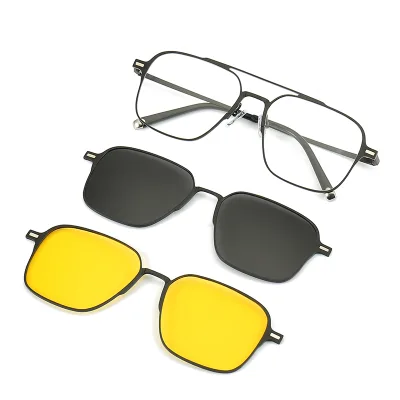


Top Quality Ultem Sunglasses Magnetic Polarized Sun Glasses Clip on Sunglasses
$8.00 - $8.50
MOQ: 15 Pieces


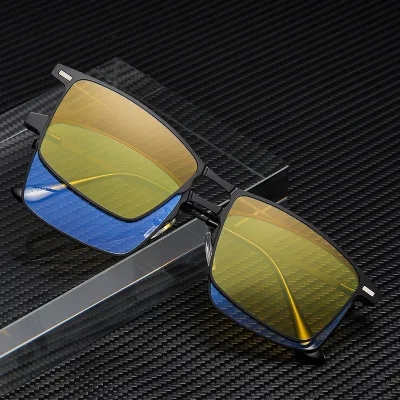
Magnetic Sunglasses High Quality Metal Clip on Sun Glasses Optical Clip on Frames
$7.15 - $7.25
MOQ: 12 Pieces


Comprehensive Sourcing Guide
Magnetic Clip-On Myopia Polarized Sunglasses Sourcing Guide
Sourcing magnetic clip-on sunglasses requires a careful balance between optical precision and mechanical reliability. These products combine a primary frame, typically designed for prescription lenses, with a secondary clip that attaches via magnets to provide UV protection or polarization. Buyers must recognize that the "magnetic" mechanism is a critical failure point; if the magnets are too weak, the clip falls off during activity, and if they are too strong, they can damage the frame or make attachment difficult. The core value proposition lies in the convenience of switching between clear and tinted lenses without swapping entire pairs, making them popular for drivers, outdoor enthusiasts, and professionals who move between indoor and outdoor environments.
The procurement landscape for these items is diverse, ranging from high-fashion acetate frames to durable metal or plastic sport frames. While the supplied data indicates a broad range of styles including square, full-frame, and unisex designs, the specific requirement for magnetic clips adds a layer of complexity not present in standard eyewear. Buyers should note that while many suppliers offer customization for logos and packaging, the underlying optical quality of the clip—specifically its polarization and UV400 rating—must be verified independently. The observed market signals suggest a wide variety of materials, from stainless steel and PC to acrylic and acetate, each offering different trade-offs in weight, durability, and cost.
Product Scope and Observed Listing Signals
The current market listings reveal a significant variation in frame materials and target demographics, which directly impacts the suitability of the magnetic attachment system. Stainless steel frames, often associated with a "fashion" or "personalized" style, provide a sleek aesthetic but may require precise magnet placement to avoid interference with the thin frame structure. In contrast, frames made from PC (polycarbonate) or plastic, such as those observed in the "M" size category, offer greater flexibility and impact resistance, which is crucial for sports-oriented clip-ons. The presence of "full rim" and "square" styles in the data suggests that buyers have options for both classic and modern aesthetics, but the magnetic clip must be engineered to fit the specific curvature and thickness of the chosen frame material.
Observations from the product data highlight that many suppliers cater to specific face shapes, such as "long face" or "oval face," indicating that the geometry of the primary frame is a key purchasing factor. The inclusion of functions like "anti-blue," "reader," and "dust protection" in some listings suggests that the clip-on functionality is sometimes bundled with specialized lens treatments. However, buyers must be cautious not to assume that every listed product supports magnetic attachment unless explicitly stated. The data shows a mix of "general" and "unisex" suitability, but also specific targeting for "man" and "woman," implying that the magnetic clip mechanism may vary in strength and size to accommodate different frame widths and bridge designs.
Technical Specifications to Verify
Verifying the magnetic strength and alignment is the most critical technical step in sourcing these sunglasses. Buyers should request torque tests or pull-force measurements to ensure the clip stays securely attached during vigorous movement. The distance between the magnets and the frame material also matters; if the frame is too thick, the magnetic field may not be strong enough to hold the clip, leading to customer complaints. Additionally, the lens material of the clip itself must be evaluated. While some listings mention "acrylic" or "plastic" lenses, high-quality polarized clips often use polycarbonate or CR-39 for better optical clarity and scratch resistance. Buyers should verify that the polarization axis is correctly aligned to reduce glare effectively, especially for driving applications.
Optical specifications such as the lens refractive index and UV protection level are equally important. The data references "UV400" standards, which block 99-100% of UVA and UVB rays, a non-negotiable feature for any sunglasses. Buyers should also check for anti-reflective coatings, which can enhance visual comfort by reducing internal reflections. The frame shape, such as "square" or "full frame," influences the field of view provided by the clip. It is essential to confirm that the clip covers the entire lens area of the primary frame to ensure consistent protection. Furthermore, the "non-integrated" nose support mentioned in some listings suggests that the clip may not include nose pads, which could cause slippage if the primary frame does not have adequate grip.
Compliance and Safety Documentation
Compliance with international safety standards is mandatory for exporting eyewear, particularly when UV protection claims are made. The "CE" and "FDA" certifications observed in the product data indicate that some suppliers meet European and US regulatory requirements, respectively. Buyers must verify that these certifications are current and cover the specific product model, as certifications can be product-specific. The "UV400" standard mentioned is a key performance indicator that should be backed by third-party lab test reports. Without these reports, claims of UV protection are unsubstantiated and can lead to legal liabilities if a customer suffers eye damage.
In addition to UV compliance, buyers should inquire about material safety certifications, especially if the frames are made from plastics or metals that come into contact with skin. The "ISO" certification noted in some listings suggests a commitment to quality management systems, which can be a proxy for consistent manufacturing practices. However, ISO certification alone does not guarantee product safety; it only indicates that the supplier has a documented process for quality control. Buyers should also check for compliance with REACH or RoHS regulations if selling into the European market, ensuring that the materials used in the magnets and lenses do not contain harmful substances like lead or phthalates.
Cost Drivers and Commercial Terms
The cost of magnetic clip-on sunglasses is influenced by several factors, including the frame material, lens quality, and the complexity of the magnetic attachment mechanism. Stainless steel and acetate frames typically command higher prices due to their premium feel and durability, while PC and plastic frames are more cost-effective. The observed price range of $1.5 to $9 USD suggests a wide spectrum of quality, with lower prices likely corresponding to basic acrylic lenses and simpler magnetic clips. Buyers should be wary of prices that seem too good to be true, as they may indicate inferior magnetic strength or poor optical quality. Customization options, such as logo printing or laser engraving, can add to the unit cost, so buyers should factor these into their total landed cost calculations.
Commercial terms also play a significant role in the total cost of ownership. The observed MOQ range of 2 to 1200 pieces allows for flexibility, but higher volumes often result in better unit pricing. Lead times vary significantly, with some suppliers offering 10-15 days and others requiring 35-65 days after deposit. This discrepancy is often due to the complexity of the order, including customization and production capacity. Payment terms, such as the "30% deposit & balance before shipment" model, are common but require buyers to manage cash flow carefully. Buyers should also consider shipping costs, as eyewear is often shipped by air or sea, with air freight being faster but more expensive.
Supplier Qualification and Quality Control
Qualifying suppliers for magnetic clip-ons requires a focus on their ability to maintain consistent magnetic strength and optical quality. Buyers should request samples to test the attachment mechanism under various conditions, including temperature changes and physical stress. It is also important to verify the supplier's production capacity and lead time reliability, as delays can disrupt supply chains. The observed origin of "China Zhejiang" and "Wenzhou" indicates a concentration of eyewear manufacturing in this region, which can be an advantage for sourcing due to established supply chains. However, buyers should conduct factory audits or request third-party inspection reports to ensure that quality control processes are robust.
Quality control should extend to the packaging and labeling of the products. The observed packing methods, such as "1PCS/Polybag, 12PCS/Inner Box, 300PCS/Carton," suggest a standardized approach, but buyers should verify that the packaging protects the lenses from scratches and the magnets from demagnetization during transit. Clear labeling with model numbers, such as "OM534032" or "RP497047," is essential for inventory management and traceability. Buyers should also establish clear acceptance criteria for defects, such as misaligned magnets or cloudy lenses, and communicate these expectations to the supplier before production begins.
Long-Term Procurement Checks
Long-term success in sourcing magnetic clip-on sunglasses depends on continuous monitoring of product performance and supplier reliability. Buyers should track customer feedback regarding the durability of the magnetic clips and the clarity of the lenses. If complaints about clips falling off or lenses scratching increase, it may be time to renegotiate terms or switch suppliers. Regular audits of the supplier's quality control processes can help identify potential issues before they become widespread problems. Additionally, staying informed about changes in regulatory standards, such as updates to UV protection requirements, is crucial for maintaining compliance.
Building a strong relationship with the supplier can also provide advantages in terms of priority production and access to new designs. Buyers should engage in regular communication to discuss market trends and customer preferences, which can help in planning future orders. The ability to customize products, as indicated by the "custom logo" and "personalized glasses" attributes, can be a key differentiator in the market. However, buyers should ensure that customization does not compromise the core functionality of the magnetic attachment. Finally, diversifying the supplier base can mitigate risks associated with supply chain disruptions, ensuring a steady flow of high-quality magnetic clip-on sunglasses.
FAQs
Can these glasses be customized with a logo?
Yes, customization is available for these frames. Buyers can request custom logo support through print or laser techniques. This option allows brands to personalize the eyewear for specific marketing needs or corporate gifting purposes while maintaining the core optical functionality.
What certifications do the frames meet?
The products meet CE, FDA, and UV400 standards. These certifications ensure the eyewear complies with international safety and quality regulations. Buyers can rely on these verified standards for importing into regulated markets, ensuring the lenses provide adequate protection and the frames are manufactured safely.
What is the typical delivery time for orders?
Delivery typically takes 35-65 days after receiving the deposit for standard production runs. Some specific models may have faster turnaround times of 10-15 days. Buyers should confirm the exact lead time based on the specific model selected and the current production schedule of the factory.
What frame materials are used for these glasses?
The frames are constructed from various materials including stainless steel, metal, PC, and acetate. These materials offer different durability and aesthetic options. Stainless steel and metal provide strength, while acetate offers a classic look, allowing buyers to choose based on their target customer preferences.
What is the standard packaging for bulk orders?
Standard packaging includes 1 piece per polybag, 12 pieces per inner box, and 300 pieces per carton. This standardized packing ensures efficient shipping and protection during transit. Buyers can rely on this consistent packaging structure for logistics planning and inventory management upon arrival at the destination port.
Which face shapes are these glasses suitable for?
These glasses are suitable for long faces and oval faces. The square frame style and full rim design help balance facial proportions. Buyers can recommend these styles to customers with these specific face shapes to ensure a flattering fit and optimal visual comfort for daily wear.