Source Manual Perfume Bottle Crimping Machine for Cosmetics, Skin Care, and Drinks
Find 30 listings for the Manual Perfume Bottle Crimping Machine suitable for cosmetics, skin care products, and beverages. Compare specifications like capacity, material, and sealing size to select the right equipment for your packaging needs.
Key considerations
Products List
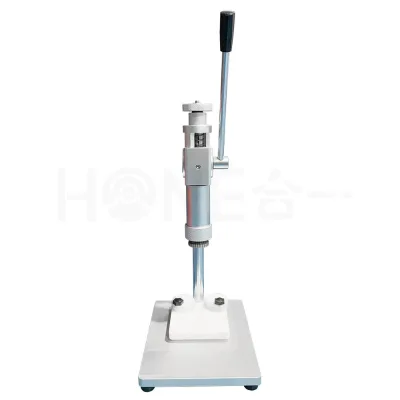


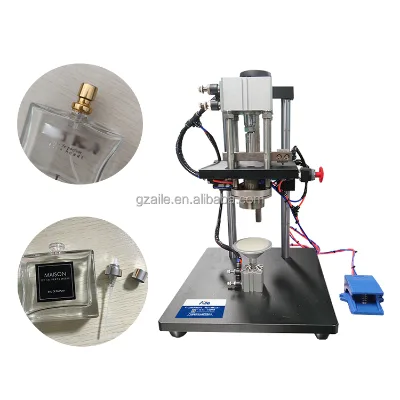
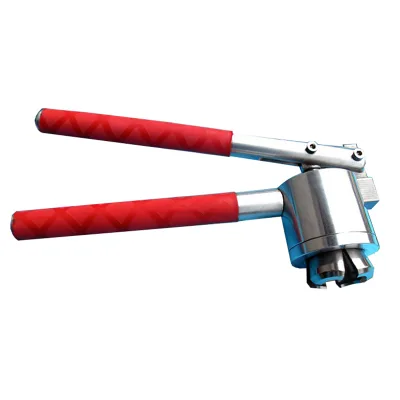
Manual Perfume Bottle Sealing Crimping Crimper Capper Press Capping Machine
$190.00 - $200.00
MOQ: 1 Pieces
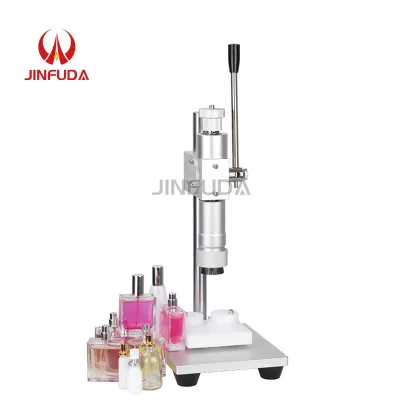


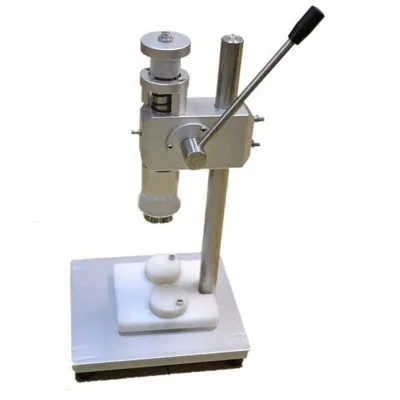
Manual Perfume Crimper Capping Machine Crimping Machine for Perfume Bottle
$230.00 - $260.00
MOQ: 1 Pieces


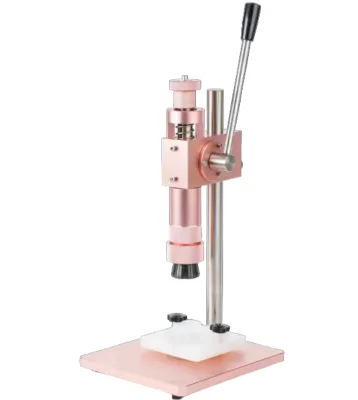
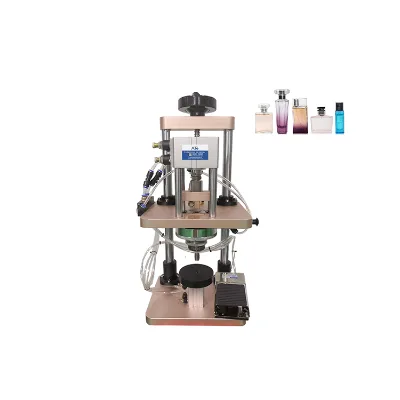


Comprehensive Sourcing Guide
Strategic Sourcing Guide for Manual Perfume Bottle Crimping Machines
Understanding the Core Functionality and Operational Scope
When sourcing a Manual Perfume Bottle Crimping Machine, buyers must first distinguish between fully automated production lines and the specific niche of semi-automatic or manual units designed for smaller batch sizes, prototyping, or specialized cosmetic applications. The core functionality of these machines centers on the precise application of metal caps to glass or plastic bottles, ensuring a hermetic seal that preserves product integrity. Based on available market data, the primary operational mode for these units is often manual or semi-automatic, requiring an operator to position the bottle and activate the crimping mechanism. This approach offers significant flexibility for facilities that handle diverse bottle shapes or require frequent changeovers without the downtime associated with reprogramming complex automated systems.
The mechanical design typically features a robust frame constructed from 304 Stainless Steel, a material choice that ensures resistance to corrosion and meets hygiene standards required in the cosmetic and chemical industries. The operational dimensions of these units are generally compact, with typical footprints ranging around 300mm in width, 250mm in depth, and 700mm in height, making them suitable for placement on standard workbenches or within limited production floor space. The driving mechanism is frequently manual, relying on lever systems or foot pedals to apply the necessary pressure for crimping. This manual drive type reduces the complexity of the power requirements and maintenance needs, though it inherently limits the maximum output speed.
Performance metrics for these manual units indicate a maximum speed of approximately 30 pieces per minute (BPM). While this may seem low compared to high-speed automated lines, it is often sufficient for boutique perfume manufacturers, R&D departments, or small-batch cosmetic producers who prioritize precision and customization over volume. The machine is designed to accommodate a bottle mouth diameter range typically between 0mm and 20mm, covering a vast array of standard and custom perfume bottle necks. Buyers should verify that the specific model they are considering can handle the exact diameter of their target bottles, as the crimping size is often customizable to meet special requirements.
Technical Specifications and Dimensional Requirements
Selecting the right machine requires a deep dive into the technical specifications that define its compatibility with existing packaging lines. The most critical specification is the crimping size, which must align with the cap dimensions of the perfume bottles being used. Market observations suggest that standard models often support a bar cap size range of 14mm to 25mm, with provisions for special custom needs. This range covers the majority of standard cosmetic and perfume bottle caps, but buyers must confirm the specific tolerances for their unique packaging. The machine's ability to handle different materials, including both glass and plastic bottles, is another vital technical consideration. The structural integrity of the crimping head must be sufficient to compress metal caps onto fragile glass without causing breakage, while also providing a secure seal on plastic containers.
The physical dimensions of the machine are a key factor in facility planning. Standard units often measure approximately 300mm in length, 250mm in width, and 700mm in height. However, variations exist, with some models featuring dimensions such as 250mm by 210mm by 410mm, depending on the specific configuration and manufacturer. These variations impact the spatial requirements for the production line. The weight of the unit is another specification to note, with some models weighing around 7.5 kg, indicating a portable design that can be easily relocated if production needs shift.
The automatic grade of the machine is a defining characteristic. While the market offers fully automatic solutions, the specific segment for manual perfume bottle crimping is characterized by a "Manual" or "Semi-Automatic" grade. This classification implies that the operator plays a direct role in the feeding and positioning of the bottles. The machine may include features like a "driven type" that is manual, requiring human force to complete the crimping action. This manual interaction allows for a tactile check of the bottle placement, which can be beneficial for ensuring high-quality seals on irregularly shaped bottles. However, it also introduces a variable in production consistency that must be managed through operator training and standard operating procedures.
Compliance, Certification, and Safety Standards
In the B2B procurement of packaging machinery, compliance with international safety and quality standards is non-negotiable, particularly for equipment used in the food, beverage, and cosmetic industries. While specific certification statuses for individual units may vary, buyers should prioritize machines that adhere to recognized safety protocols. The presence of a "CE" mark is a common indicator of compliance with European health, safety, and environmental protection standards, though buyers must verify this on a case-by-case basis as it is not universally present on all manual units.
The construction materials play a significant role in compliance. The use of 304 Stainless Steel is a strong indicator of adherence to hygiene standards, as this material is non-toxic, easy to clean, and resistant to rust, which is essential for equipment handling cosmetic and food-grade products. Buyers should also verify if the machine comes with a machinery test report, which serves as evidence that the unit has undergone rigorous testing for performance and safety. A warranty period of two years is a standard offering in this category, providing a safety net for the buyer against manufacturing defects and ensuring long-term reliability.
Safety features are paramount in manual operation. Since the machine relies on manual driving, it must include safeguards to prevent accidental activation or injury. Buyers should inspect the machine for emergency stop buttons, protective guards, and clear labeling of operational hazards. The packaging details, such as film covers and plywood cases, also contribute to the safe transport of the machine, ensuring that it arrives at the facility without damage that could compromise its safety mechanisms.
Cost Drivers and Total Cost of Ownership Analysis
The pricing of manual perfume bottle crimping machines can vary significantly, with observed ranges in the market spanning from $6.50 to $5,300. This wide disparity is driven by several factors, including the complexity of the design, the quality of materials used, the level of customization, and the brand reputation. The lower end of the price spectrum typically corresponds to basic, entry-level manual units with minimal features, while the higher end reflects machines with advanced customization options, superior build quality, and additional after-sales support.
Beyond the initial purchase price, buyers must consider the total cost of ownership (TCO). This includes the cost of maintenance, replacement parts, and the potential for downtime. Machines with a warranty of two years offer better protection against unexpected repair costs. The supply ability of the manufacturer, often cited as 15 sets per month, indicates the production capacity and the likelihood of supply chain disruptions. A manufacturer with a stable supply chain is less likely to face delays in delivering spare parts, which is crucial for maintaining continuous production.
The minimum order quantity (MOQ) is another cost driver, with observed ranges from 1 to 5 units. For small businesses or startups, an MOQ of 1 allows for a low-risk entry into the market, enabling the purchase of a single unit for testing or small-scale production. However, buyers should be aware that purchasing in bulk may offer economies of scale, reducing the per-unit cost. The packaging details, such as the use of cartons and plywood cases, also add to the overall cost, as these materials are necessary for safe shipping but contribute to the final price.
Typical Applications and Industry Versatility
Manual perfume bottle crimping machines are designed with versatility in mind, catering to a wide array of industries beyond just the perfume sector. The primary application is in the cosmetic industry, where the sealing of skin care products, hair care products, and various cosmetic formulations is critical. The machine's ability to handle both glass and plastic bottles makes it suitable for a diverse range of packaging materials used in these sectors.
Beyond cosmetics, these machines are also applicable in the food and beverage industry, particularly for sealing bottles containing oils, cleaning detergents, and other liquid products. The specification of the machine often lists applications for rice, flour, snacks, fish, meat, vegetables, fruits, and tea, indicating its potential use in sealing containers for dry goods and liquids alike. This versatility makes the machine a valuable asset for small-scale manufacturers who produce a variety of products and need a single piece of equipment to handle multiple packaging needs.
The machine's application extends to the chemical industry as well, where the sealing of chemical containers requires precision and reliability. The ability to customize the crimping size allows the machine to adapt to the specific requirements of different chemical formulations and bottle types. The "Easy To Operate" selling point highlights the machine's suitability for facilities with limited technical expertise, as the manual operation reduces the learning curve for new operators.
Supplier Evaluation and Quality Assurance Protocols
When evaluating suppliers for manual perfume bottle crimping machines, buyers should focus on several key criteria to ensure a reliable partnership. The place of origin is a significant factor, with many suppliers located in Guangdong, China, a region known for its manufacturing capabilities. Buyers should verify the supplier's location and assess their logistical capabilities, including the port of dispatch, which is often listed as "Any port in China." This flexibility can be advantageous for buyers looking to optimize shipping routes and costs.
The supplier's after-sales service is another critical evaluation point. The provision of online support is a standard offering, but buyers should inquire about the depth and responsiveness of this support. A supplier that offers comprehensive training and technical assistance can significantly reduce the risk of operational issues. The availability of a machinery test report is also a strong indicator of quality, as it demonstrates that the supplier has conducted rigorous testing on their products.
Quality control protocols should be a priority during the supplier evaluation process. Buyers should request documentation regarding the manufacturing process, including the quality of the 304 Stainless Steel used and the precision of the crimping mechanism. The warranty period of two years is a standard benchmark, but buyers should also check for any additional guarantees or service level agreements that the supplier may offer. The customization availability is another factor to consider, as suppliers that offer flexible customization options can better meet the specific needs of the buyer's production line.
Long-Term Procurement and Strategic Considerations
For long-term procurement success, buyers must look beyond the immediate purchase and consider the scalability and adaptability of the Manual Perfume Bottle Crimping Machine. The supply ability of 15 sets per month suggests that the manufacturer has a moderate production capacity, which may be sufficient for small to medium-sized operations but could become a bottleneck for rapidly expanding businesses. Buyers should assess their future growth plans and determine if the supplier can scale production to meet increased demand.
The customization options available are crucial for long-term viability. As product lines evolve, the need for different bottle sizes and cap types may arise. A supplier that offers extensive customization, including special crimping sizes and material adaptations, can ensure that the machine remains relevant as the business grows. The "Easy To Operate" feature is also a long-term asset, as it reduces the training burden on new employees and minimizes the risk of operational errors.
Finally, buyers should consider the environmental impact and sustainability of the machine. The use of durable materials like 304 Stainless Steel and the availability of a two-year warranty contribute to a longer product lifecycle, reducing waste and the need for frequent replacements. The packaging details, such as the use of film covers and plywood cases, should also be evaluated for their environmental impact, with a preference for recyclable or sustainable packaging materials. By focusing on these long-term factors, buyers can ensure that their investment in a Manual Perfume Bottle Crimping Machine provides lasting value and supports their strategic business goals.
FAQs
What is the maximum speed of a Manual Perfume Bottle Crimping Machine?
The maximum speed is 30 pieces per minute. This output is suitable for small-batch production or prototyping where precision is prioritized over high-volume throughput.
Which materials can the machine handle for bottle crimping?
The machine accommodates both glass and plastic bottles. It is designed to seal containers used for cosmetics, food, beverages, and chemical products effectively.
Can the crimping size be customized for specific bottle necks?
Yes, the crimping size is available for customization. Standard models often support bar cap sizes between 14mm and 25mm, with provisions for special needs.
What is the warranty period for this packaging sealing machine?
The standard warranty period is two years. This coverage protects against manufacturing defects and ensures long-term reliability for the buyer.
How is the machine constructed to ensure hygiene and durability?
The machine is constructed from 304 stainless steel. This material provides corrosion resistance and meets the hygiene standards required for food and cosmetic applications.
What is the minimum order quantity for purchasing this equipment?
The minimum order quantity ranges from 1 to 5 units. This low entry point allows small businesses to purchase single items for testing or limited production.
Where is the place of origin for these crimping machines?
The place of origin is Guangdong, China. Suppliers typically dispatch from any port in China, offering flexibility for international shipping arrangements.