Source Marine Water Injection Pump for Cooling, Washing, and Injection
Find and compare 30 Marine Water Injection Pump options from verified suppliers. These centrifugal units, often built with fluoroplastics or stainless steel, support applications in fisheries, HVAC, and industrial utilities. Evaluate specifications like head, flow rate, and power to select the right motor-driven solution for your vessel or facility.
Key considerations
Products List


$10000.00 - $40000.00
MOQ: 1 Sets


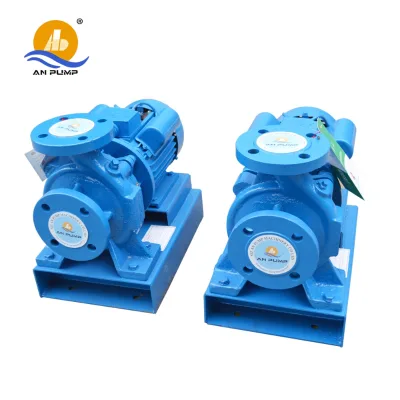
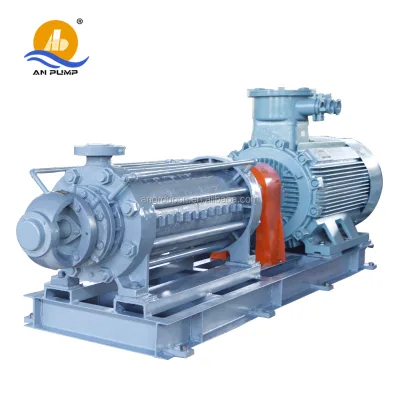


Precision Marine Fuel Injection Pump with Calibration Service Available
$16000.00 - $18000.00
MOQ: 1 Pieces


$199.00 - $2999.00
MOQ: 1 Pieces


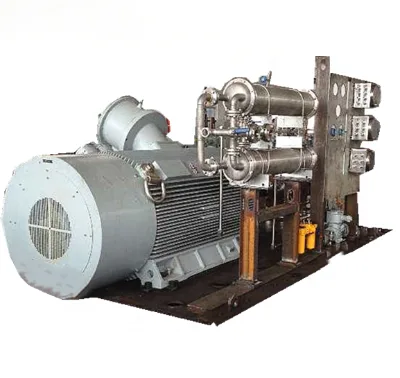


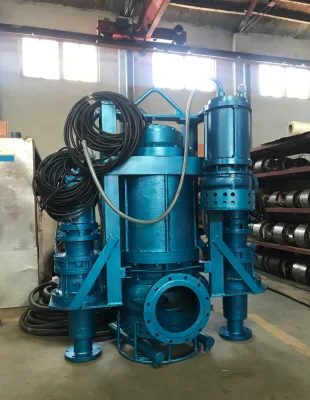


Marine Pump - Marine Equipment High Efficiency Subject to Conditions
$2000.00 - $100000.00
MOQ: 1 Pieces
Comprehensive Sourcing Guide
Marine Water Injection Pump Sourcing Guide
Procuring marine water injection pumps requires a precise understanding of the specific operational demands placed on fluid transfer systems within vessel environments. These pumps are critical for cooling marine engines, managing ballast systems, and supporting fire suppression networks where reliability under constant vibration and salt exposure is non-negotiable. Buyers must distinguish between general industrial centrifugal units and specialized marine-grade equipment designed to withstand the corrosive nature of seawater while maintaining consistent flow rates during high-pressure injection cycles.
The sourcing landscape for these components is characterized by a wide variance in product configurations, ranging from compact monoblock units to complex multistage assemblies. While some listings highlight specific models like the TAIKO or WL-SUP series, the market also features generic high-pressure stainless steel pumps with varying horsepower ratings. A successful procurement strategy begins by mapping the vessel's specific hydraulic requirements against the observed product attributes, ensuring that the selected pump aligns with the intended application, whether it is for sea water cooling, sewage handling, or clarified water transfer.
Product Scope and Observed Listing Signals
The available product inventory demonstrates a clear segmentation between general-purpose liquid pumps and specialized marine applications. Listings frequently identify the driving type as electric motor-driven units with power supplies ranging from 220-240V/50Hz, indicating suitability for standard vessel electrical grids. The observed material composition often includes fluoroplastics and high-pressure stainless steel, specifically grade 316, which is essential for resisting the aggressive corrosion caused by saltwater environments. Buyers should verify that the specific unit selected matches the medium requirements, as some products are explicitly rated for sea water while others are designed for clarified water or sewage.
Listing signals also reveal significant diversity in structural design and capacity, with options ranging from single-stage to multistage centrifugal pumps. The maximum head observed in the market spans from 4 to 30 meters, with specific models capable of reaching up to 23 meters, while flow rates can exceed 400 liters per minute, with some units rated at 540 L/Min. Customization is a prevalent feature, with suppliers offering OEM, ODM, and OBM support, allowing buyers to tailor fitting sizes, such as the observed 60.3/63 mm options, to existing piping infrastructure. This flexibility is crucial for retrofitting older vessels or integrating new systems into complex marine utility networks.
Technical Specifications to Verify
When evaluating technical specifications, the primary focus must be on the pump's ability to maintain performance under the specific thermal and pressure conditions of marine operations. The water temperature range for many observed units is listed between 5-50ºC, which is a critical parameter for engine cooling applications where thermal shock or overheating can occur. Buyers must confirm that the maximum working pressure, often cited around 0.3 MPa for standard models, is sufficient for the injection pressure required by the vessel's specific system design, as higher pressure demands may necessitate specialized high-pressure sea water pump configurations.
Electrical and mechanical compatibility is equally vital, requiring a detailed review of power consumption and insulation ratings. The observed horsepower ratings vary from 0.33 to 3 HP, with corresponding amperage ranges of 2.2-10 A, necessitating a match with the vessel's available power supply and circuit protection capabilities. Insulation class F and waterproof rating IP55 are standard observations that indicate a baseline level of protection against moisture and heat, but for harsh marine environments, buyers should verify if higher ratings are available or if additional sealing measures are required to prevent water ingress into the motor housing during operation.
Compliance and Safety Documentation
Marine equipment procurement is heavily governed by safety standards and regulatory compliance, particularly regarding the materials used and the construction of the pump housing. While specific certification bodies are not universally listed in the provided data, the use of stainless steel 316 and fluoroplastics suggests adherence to industry norms for corrosion resistance and chemical stability. Buyers must request documentation proving that the materials meet international maritime standards for seawater contact, ensuring that the pump will not degrade or leach harmful substances into the cooling or ballast systems over time.
Safety documentation should also encompass the electrical safety of the motor and the mechanical integrity of the assembly. The observed waterproof rating of IP55 provides a baseline for dust and water protection, but for submersible or high-exposure applications, additional verification of the motor's insulation class and the pump's structural integrity under vibration is necessary. Procurement teams should ensure that the supplier provides a comprehensive warranty, such as the observed 3-year coverage, which serves as a proxy for the manufacturer's confidence in the product's durability and compliance with safety expectations.
Cost Drivers and Commercial Terms
The cost of marine water injection pumps is driven by several key factors, including the complexity of the multistage design, the grade of stainless steel used, and the level of customization required. Units with higher horsepower, such as those reaching 3 HP, and those with specialized fittings like 3-inch outlets, typically command higher prices due to the increased material costs and manufacturing precision involved. Additionally, the inclusion of software reengineering or specific OEM branding can add to the commercial value, making it essential for buyers to understand the cost breakdown before negotiating final terms.
Commercial terms in this sector often involve flexible packaging and shipping arrangements, with options ranging from standard cartons to heavy-duty wooden boxes to protect the equipment during transit. The observed single package size of 100x100x100 cm indicates that logistics planning must account for the physical dimensions of the unit, which can impact freight costs and storage requirements on board. Buyers should also clarify the minimum order quantity (MOQ), which ranges from 1 to 200 units, and negotiate lead times that align with vessel maintenance schedules, ensuring that the supply chain does not become a bottleneck for critical repairs or upgrades.
Supplier Qualification and Quality Control
Supplier qualification for marine water injection pumps requires a rigorous assessment of their manufacturing capabilities and quality control processes. The observed origin of many products is China, with specific mentions of Jiangsu and Nanjing as production hubs, indicating a concentration of manufacturing expertise in this region. Buyers should verify the supplier's ability to provide consistent quality across batches, particularly given the critical nature of these pumps in marine safety systems, and request evidence of their production standards, such as the 3NB/5NB specifications observed in some listings.
Quality control measures must extend beyond the final inspection to include material verification and performance testing. The presence of specific product models like TAIKO and WL-SUP suggests that established manufacturers are active in this space, but buyers must ensure that the specific unit they are purchasing has undergone the necessary stress tests for marine environments. It is advisable to request detailed test results regarding the pump's performance under maximum head and flow conditions, as well as confirmation of the warranty terms, to ensure that the supplier stands behind the product's reliability and longevity.
Long-Term Procurement Checks
Establishing a long-term procurement relationship for marine water injection pumps involves regular performance monitoring and maintenance planning. Buyers should implement a schedule for inspecting the pump's condition, focusing on the integrity of the fluoroplastic components and the stainless steel housing for signs of corrosion or wear. The observed water temperature and pressure limits provide a baseline for operational checks, ensuring that the pump is not being operated outside its designed parameters, which could lead to premature failure and costly downtime.
Future-proofing the procurement strategy requires staying informed about technological advancements and changes in maritime regulations. As the industry moves towards more efficient and environmentally friendly solutions, buyers should evaluate whether the current pump models offer upgrade paths or compatibility with new systems. Maintaining a relationship with a supplier that offers customization and software reengineering support can be advantageous, allowing for adaptations to new vessel requirements or regulatory changes without the need for a complete system overhaul.
FAQs
What is the maximum head for this Marine Water Injection Pump?
The maximum head is 23 meters, with a general range of 4-23 meters. This multistage centrifugal pump is designed for clarified water and sewage applications. It operates with an electric motor and supports customization. The unit handles media temperatures between 5-50 degrees Celsius. It is suitable for fisheries and marine engine cooling systems.
Can this pump be customized for specific marine applications?
Yes, customization is available for OEM, ODM, and OBM requirements. The pump supports software reengineering and high-pressure sea water configurations. It is constructed from fluoroplastics and stainless steel materials. The design allows for specific fitting sizes and cable lengths. Buyers can request tailored solutions for marine washing or industrial boiler uses.
What is the power supply and motor specification?
The pump uses an electric motor with a power supply of 220-240V at 50Hz. The maximum power is 2.2 kW, equating to 0.33-3 HP. Current draw ranges from 2.2 to 10 amps. The insulation class is F, and the motor drives a multistage centrifugal structure. This ensures reliable operation for marine water injection and cooling tasks.
What is the maximum flow rate and capacity?
The maximum flow rate is 540 liters per minute. The general capacity exceeds 400 liters per minute. This liquid pump assembly is built for high-performance marine environments. It features a monoblock structure and IP55 waterproof rating. The design supports sea water pumping and marine engine cooling applications effectively.
What materials are used in the pump construction?
The pump is constructed from fluoroplastics and high-pressure sea water stainless steel. Specific components may use 316 stainless steel for corrosion resistance. The material selection ensures durability in marine and industrial settings. The structure is designed as a multistage centrifugal pump. This combination supports applications in fisheries, drinking water treatment, and HVAC OEM.
What is the warranty and origin of the product?
The product originates from China, specifically Nanjing, Jiangsu. A warranty of 3 years is provided for the sea water pump. The brand name is An Pump Machinery. The packing includes carton or wooden box options. Standard dimensions are 635x275x380 mm. This ensures safe transport and reliable after-sales support for buyers.