Source Organic Fruity Vitamin D3 Drops for children adults and elderly
Find 30 listings for Organic Fruity Vitamin D3 Drops suitable for children, adults, and general health needs. Buyers can compare features like sugar-free formulas, various flavors, and customization options from verified manufacturers in China.
Key considerations
Products List


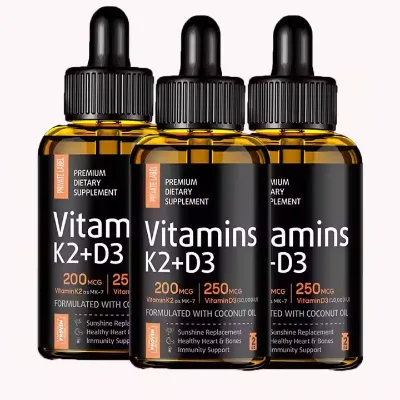


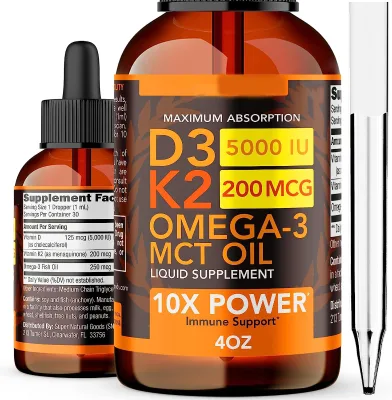
OEM/ODM Vitamin D3 K2 Drops for Calcium Absorption & Bone Mineralization
$2.40 - $3.50
MOQ: 5000 Pieces






Comprehensive Sourcing Guide
Organic Fruity Vitamin D3 Drops Sourcing Guide
Sourcing Organic Fruity Vitamin D3 Drops requires a strategic approach to balancing nutritional efficacy with flavor profiles that appeal to specific demographics, particularly children and adults seeking convenient supplementation. The market offers formulations ranging from sugar-free options to those with natural fruit flavors like orange and strawberry, which are critical for ensuring compliance with dietary restrictions while maintaining palatability. Buyers must navigate a landscape where product attributes such as "Oral Liquid" form and "Vitamins" content are standard, yet the specific delivery mechanism and ingredient purity vary significantly between manufacturers.
Procurement decisions should prioritize suppliers who demonstrate flexibility in customization, as the demand for private labeling and specific flavor requests is high. The availability of OEM and ODM services allows brands to tailor the product to their unique market positioning, whether targeting the "Children" age group with specific safety considerations or the "Adults" segment with different dosage requirements. Understanding the distinction between products labeled for "Newborn" exclusion versus those marked "All" applicable people is essential for aligning inventory with the intended consumer base and regulatory environment.
Product Scope and Observed Listing Signals
The observed product listings reveal a diverse range of specifications, including models such as 03429, 04961, and 03464, which indicate varying production lines and potential differences in formulation or packaging. While the core ingredient is consistently identified as Vitamin D3, often listed alongside minerals and vitamins, the specific concentration and delivery format can differ, with some products offering 30ml or 60ml brown bottle options to protect light-sensitive contents. Buyers should note that while some listings specify a shelf life of 24 months, others indicate a one-year duration, necessitating a careful review of the production date and storage conditions to ensure product viability upon arrival.
Flavor profiles are a significant differentiator in this category, with suppliers offering options like orange, strawberry, or fully customized requests to meet specific brand identities. The presence of "Sugar-Free" and "Low-Fat" features in certain listings suggests a growing market segment focused on health-conscious consumers who require dietary restrictions to be met without compromising on taste. However, the "Grade" of materials used in packaging and formulation varies, with some specifications noting "Cosmetic Grade" materials, which buyers must verify against food-grade standards to ensure the product is safe for oral consumption.
Technical Specifications to Verify
When evaluating technical specifications, the primary focus must be on the dosage and application instructions, which are often listed as "as Per Consult" rather than fixed values. This variability requires buyers to confirm the exact concentration of Vitamin D3 per drop and ensure that the "Dose" aligns with the intended health benefits and regulatory limits for the target market. Additionally, the "Main Ingredient" is frequently cited as Vitamin D3, but the source and purity of this ingredient, along with the presence of other minerals, must be verified through batch-specific documentation to guarantee consistency across production runs.
Packaging and storage requirements are equally critical, as the "Storage Note" often specifies "Moisture Proof" conditions to maintain the integrity of the oral liquid. The physical form of the product, typically contained in brown bottles within cartons, is designed to protect the contents from light and humidity, but the specific "prod_packing" details, such as the use of CTN or individual bottles, must be confirmed to prevent damage during transit. Buyers should also verify the "prod_standard" and "Product Specification" fields, which may indicate customized dimensions or volumes, to ensure that the final packaging meets logistical and retail display requirements.
Compliance and Safety Documentation
Compliance with international manufacturing standards is a non-negotiable aspect of sourcing vitamin D3 drops, with many suppliers holding certifications such as HACCP, GMP, and ISO. These certifications, often listed alongside BRC (British Retail Consortium) standards, provide a baseline assurance that the production facility adheres to rigorous hygiene and quality control protocols. However, the presence of these certifications on a product page does not automatically guarantee that every batch meets the same standard, so buyers must request current, valid certificates and verify their scope to ensure they cover the specific product line being sourced.
Safety documentation must also address the specific "Not Applicable People" categories, such as newborns, to prevent misuse and ensure that the product is marketed and distributed to the correct age groups. The "Feature" list, which includes vitamins and sugar-free attributes, should be cross-referenced with the ingredient list to confirm that no allergens or prohibited substances are present. Furthermore, the "Certificate" details, which may include HACCP/GMP/Brc, should be scrutinized to ensure they are issued by recognized bodies and are up to date, as outdated certifications can pose significant regulatory risks in international trade.
Cost Drivers and Commercial Terms
The commercial landscape for vitamin D3 drops is characterized by a wide range of Minimum Order Quantities (MOQs), observed from as low as 5 bottles to as high as 5000 bottles, depending on the supplier and the level of customization required. This variability allows buyers to start with small trial orders to test market response before committing to larger volumes, but it also means that unit costs will fluctuate significantly based on the order size and the complexity of the customization. Buyers must carefully calculate the total landed cost, including shipping and duties, to determine the true profitability of the product, especially when dealing with suppliers who require high MOQs for private label services.
Pricing structures are influenced by factors such as the "Service" offerings, including OEM, ODM, and private label capabilities, which add value but also increase the base cost. The "Sample" support provided by many suppliers is a crucial cost driver, as it allows for quality verification before bulk production, but the cost of samples and shipping must be factored into the initial budget. Additionally, the "Logo Printing" and "Label" customization options, while essential for brand identity, can introduce additional setup fees and production time, requiring a clear agreement on cost allocation and timeline expectations.
Supplier Qualification and Quality Control
Supplier qualification should extend beyond the basic certification checks to include a thorough assessment of their production capabilities and quality control processes. The "Service" description often highlights "OEM ODM Private Label Service," indicating a supplier's ability to handle complex branding and formulation requests, but buyers must verify the supplier's track record in delivering consistent quality across different batches. The "Brand Name" associated with the product, such as "Duozi," can provide insight into the supplier's market presence and reputation, but it should not be the sole criterion for selection.
Quality control measures must be explicitly defined in the procurement agreement, including protocols for testing the "Main Ingredient" and ensuring the "Flavor" consistency across large production runs. The "Storage Note" and "Packaging" specifications should be monitored closely to ensure that the product arrives in optimal condition, as any deviation can lead to spoilage or customer dissatisfaction. Buyers should also consider the "Sample" support as a critical step in the qualification process, using it to validate the product's taste, texture, and efficacy before committing to a larger order.
Long-Term Procurement Checks
Establishing a long-term procurement strategy for vitamin D3 drops requires regular audits of supplier performance and product consistency to maintain brand integrity. The "Shelf-Life" of the product, which can range from one to two years, must be managed carefully to prevent inventory obsolescence, and suppliers should be held accountable for providing accurate production dates and expiration information. Regular reviews of the "Feature" list and "Ingredient" composition are necessary to ensure that the product continues to meet evolving market demands and regulatory requirements.
Continuous communication with suppliers regarding "Customization" options and "Standard" updates is essential for adapting to market changes and maintaining a competitive edge. Buyers should also monitor the "MOQ" trends and pricing fluctuations to optimize their inventory levels and cash flow, ensuring that they can scale production up or down as needed. Finally, maintaining a robust relationship with the supplier, including regular quality checks and feedback loops, will help mitigate risks and ensure a steady supply of high-quality vitamin D3 drops for the long term.
FAQs
What certifications do these vitamin D drops have?
These vitamin D drops are produced under HACCP, GMP, and ISO standards. Some listings also reference BRC certification. These credentials ensure that manufacturing processes meet international food safety and quality management requirements for dietary supplements.
Can I customize the flavor and packaging?
Yes, customization is available for both flavor and packaging. Buyers can request specific flavors like orange or strawberry, or provide their own preference. Packaging options include 30ml or 60ml brown bottles, with private labeling and logo printing services supported by manufacturers.
What is the typical shelf life of the product?
The shelf life typically ranges from one year to two years, or 24 months. This duration depends on the specific manufacturer and formulation. Proper storage in moisture-proof conditions is recommended to maintain the potency and quality of the vitamin D3 drops throughout their validity period.
Who is the target age group for these drops?
These drops are formulated for both children and adults. They are generally suitable for all applicable people, though they are often noted as not applicable for newborns. The dosage should be determined as per consultation to ensure safety and efficacy for the specific age group.
What is the minimum order quantity for OEM orders?
The minimum order quantity varies significantly by supplier. Some vendors require a high MOQ of 5000 bottles for large-scale production, while others offer lower thresholds of 500 bottles or even 5 bottles for samples or small batches. Buyers should verify the specific MOQ with their chosen manufacturer.
Where are these vitamin D drops manufactured?
These products are primarily manufactured in China, with specific origins noted in Shandong province. Manufacturers in this region offer OEM and ODM services, allowing buyers to source customized vitamin D3 drops with various specifications, certifications, and packaging options tailored to their market needs.