Source Milk Thistle Tablets for Liver Support, Energy, and Immunity
Source Milk Thistle Tablets from 30 verified suppliers in China. Compare OEM options, purity grades, dosage forms, and certifications to find the right fit for your brand needs and ensure quality standards are met for your specific product requirements; compare the available evidence and request quotations based on your requirements.
Key considerations
Products List
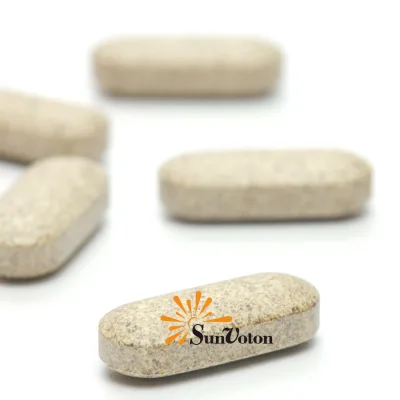
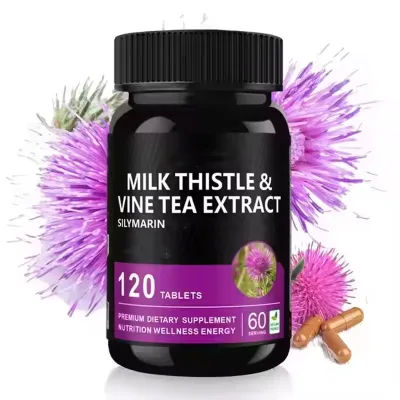
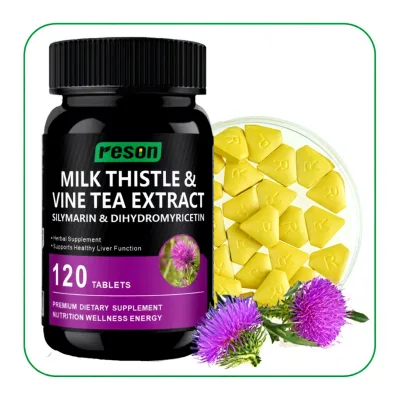
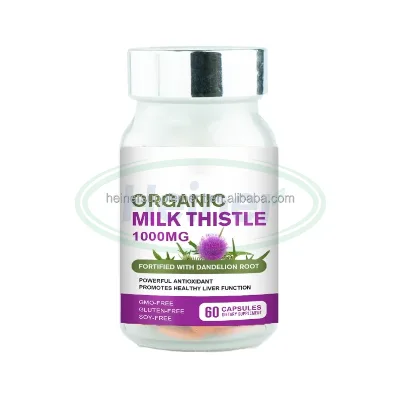
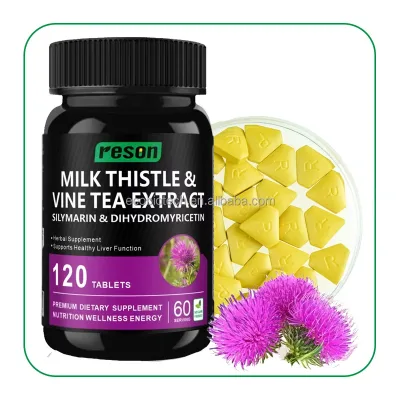
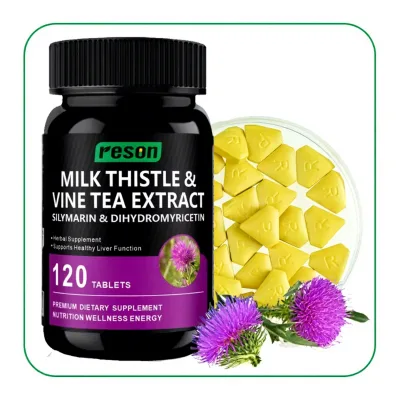
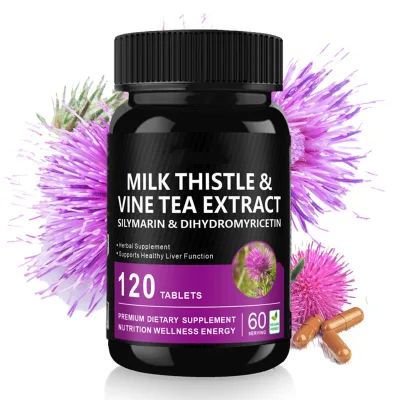


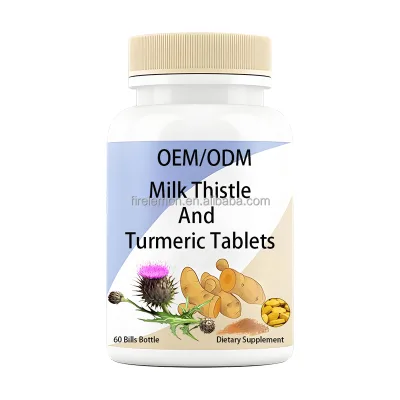
Dietary Supplement Milk Thistle Extract Tablets Silybum Marianum Antioxidant
$0.02 - $0.08
MOQ: 100000 Capsules




Comprehensive Sourcing Guide
Milk Thistle Tablets Sourcing Guide
Sourcing Milk Thistle Tablets requires a disciplined approach to verifying ingredient authenticity, dosage consistency, and manufacturing standards. Buyers must navigate a market where products vary significantly in active ingredient concentration, from standard extracts to high-potency formulations. The primary objective is to secure a reliable supply chain that delivers consistent quality while adhering to strict regulatory requirements for dietary supplements. This guide outlines the critical steps for evaluating suppliers, ensuring product safety, and negotiating favorable commercial terms.
Procurement teams should focus on establishing clear specifications before engaging with potential vendors. Key considerations include the source of the milk thistle extract, the presence of fillers or binders, and the final tablet weight. Understanding the difference between raw herb powder and standardized extracts is essential for defining product value. Additionally, buyers must assess the supplier’s capability to handle custom labeling and packaging, which is often a requirement for private label brands entering competitive markets.
Product Scope and Observed Listing Signals
The current market for Milk Thistle Tablets presents a wide range of product configurations, primarily targeting adult consumers seeking liver support and general wellness benefits. Listings frequently highlight attributes such as "pure nature" ingredients and health food grade materials, indicating a focus on natural sourcing. Buyers should observe that many suppliers offer OEM and ODM services, allowing for customized labels and specific dosage forms. This flexibility is crucial for brands looking to differentiate their offerings through unique packaging or specialized health claims.
Observed product specifications reveal significant variation in bottle capacity and tablet count, with common configurations including 120 tablets per bottle or customizable options. Some listings specify a dose of two tablets per serving, while others offer flexible strengths such as 400mg, 500mg, or 1000mg per tablet. Storage requirements are consistently noted as cool, dry places away from sunlight, emphasizing the need for proper handling during logistics. These signals help buyers identify suppliers who prioritize product stability and clear communication of usage instructions.
Technical Specifications to Verify
Verifying technical specifications is paramount to ensuring product efficacy and consumer safety. Buyers must confirm the exact model numbers and single package dimensions to calculate accurate shipping costs and storage requirements. For instance, some products have a single gross weight of 0.150 kg, while others may weigh up to 1.500 kg depending on the packaging size. Understanding these physical attributes is essential for optimizing logistics and minimizing freight expenses, especially when importing large volumes from manufacturing hubs like Shaanxi, China.
Dosage form and active ingredient concentration are critical technical details that must be explicitly stated in the contract. Suppliers should provide clear information on whether the product contains milk thistle capsules or tablets, and the specific amount of active ingredient per unit. Additionally, buyers should verify the shelf life, which is typically listed as 24 months or two years, to ensure inventory turnover aligns with product stability. Confirming these details prevents discrepancies between ordered specifications and delivered goods, reducing the risk of returns or compliance issues.
Compliance and Safety Documentation
Compliance with international standards is non-negotiable for dietary supplement imports. Buyers should request documentation proving adherence to quality management systems, such as ISO 9001, which indicates a structured approach to manufacturing consistency. Additionally, certifications like Halal and Kosher may be required depending on the target market and consumer demographics. These certifications not only ensure regulatory compliance but also enhance brand credibility and market access in diverse regions.
Safety documentation must also include detailed ingredient lists and allergen information to protect consumers with specific dietary restrictions. Suppliers should provide evidence that their products are free from contaminants and meet purity standards for health food grade materials. Buyers must verify that the manufacturer conducts rigorous testing for heavy metals, pesticides, and microbial contamination. This due diligence is essential to mitigate liability and ensure that the final product meets all legal requirements for sale in the destination country.
Cost Drivers and Commercial Terms
Cost structures for Milk Thistle Tablets are influenced by several factors, including raw material quality, packaging complexity, and order volume. Minimum order quantities (MOQ) can vary significantly, ranging from small trial orders to large bulk purchases of up to 300,000 units. Buyers should negotiate flexible MOQs to test market response before committing to large-scale production. Understanding the price per unit at different volume tiers helps in forecasting margins and planning inventory levels effectively.
Commercial terms also encompass payment conditions, lead times, and sample availability. Many suppliers offer samples for quality evaluation, which is a crucial step in the sourcing process. Buyers should clarify whether samples are free or charged, and how long it takes to receive them. Additionally, negotiating favorable payment terms, such as partial upfront payment and balance upon shipment, can improve cash flow management. Clear communication of these terms prevents misunderstandings and ensures a smooth transaction process.
Supplier Qualification and Quality Control
Qualifying suppliers involves a thorough assessment of their manufacturing capabilities and quality control processes. Buyers should verify the supplier’s location and facility conditions to ensure they meet international hygiene and safety standards. Suppliers based in regions like Shaanxi, China, often have established infrastructure for herbal supplement production, but buyers must conduct on-site audits or request third-party inspection reports. This verification helps confirm that the supplier has the capacity to maintain consistent quality across large production runs.
Quality control measures should include in-process checks and final product testing before shipment. Buyers must ensure that the supplier implements strict controls to prevent cross-contamination and maintain product integrity. Requesting batch-specific test reports for potency and purity is essential to verify that each shipment meets the agreed-upon specifications. Additionally, establishing a clear protocol for handling defects or non-conforming products protects the buyer from financial losses and reputational damage.
Long-Term Procurement Checks
Long-term procurement success depends on continuous monitoring of supplier performance and market trends. Buyers should establish key performance indicators (KPIs) to track delivery times, product quality, and responsiveness to issues. Regular reviews of supplier performance help identify potential risks and opportunities for improvement. Maintaining open communication channels with suppliers fosters a collaborative relationship, enabling both parties to address challenges proactively and adapt to changing market demands.
Staying informed about regulatory changes and consumer preferences is also critical for long-term success. Buyers should regularly update their product specifications to align with new health trends and compliance requirements. Engaging in periodic market research helps identify emerging competitors and innovative product formulations. By maintaining a flexible and informed procurement strategy, buyers can sustain a competitive edge and ensure the continued success of their milk thistle tablet offerings in the global market.
FAQs
What are the main ingredients and purity of these Milk Thistle Tablets?
The main ingredient is pure nature milk thistle extract, ensuring high purity for health food grade applications. These tablets are designed to provide energy and support liver health. The product is available in various specifications, including 400mg, 500mg, and 1000mg per tablet, allowing for customized dosing to meet specific dietary needs and supplement requirements.
Can I customize the label and packaging for my brand?
Yes, OEM and ODM services are acceptable for customized labels and packaging. Buyers can choose from different bottle capacities, such as 120 pieces per bottle, or request other customizations. The service supports private labeling, allowing businesses to brand the Milk Thistle Tablets according to their specific market requirements and branding strategies effectively.
What is the minimum order quantity for bulk purchases?
The minimum order quantity varies, with some listings requiring 500 bottles or 100 boxes as a baseline. Buyers should check specific supplier requirements as MOQs can range from 1 to 300,000 units depending on the manufacturer. This flexibility allows both small businesses and large enterprises to source Milk Thistle Tablets according to their inventory needs.
Who should avoid taking these Milk Thistle Tablets?
Pregnant women and newborns are not applicable people for these supplements. The product is intended for adults who seek liver support, immunity improvement, and energy provision. Always consult a healthcare professional before use, especially for individuals with specific health conditions or those taking other medications to ensure safety and appropriate dosage.
How should the Milk Thistle Tablets be stored to maintain quality?
Store the tablets in a cool, dry place, avoiding direct sunlight to preserve potency. The shelf life is typically 24 months or 2 years when stored correctly. Proper storage ensures the milk thistle extract remains effective for liver health and energy support. Keep the container tightly sealed to protect against moisture and environmental factors.
What certifications do the Milk Thistle Tablets manufacturers hold?
Manufacturers often hold ISO9001, Halal, and Kosher certifications, ensuring quality and dietary compliance. These standards verify that the production processes meet international requirements for health food grade products. Buyers can rely on these certifications to ensure the Milk Thistle Tablets are safe, pure, and suitable for various global markets and consumer preferences.