Source Mini Electric Nail Dust Collector for salons, spas, and home use
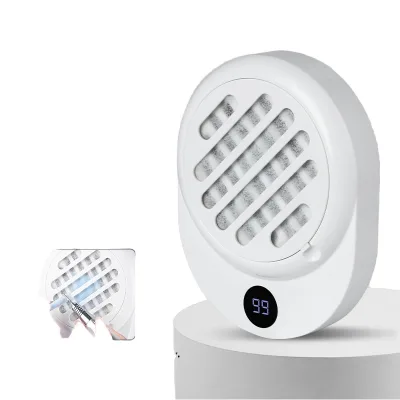
Explore 30 listings for the Mini Electric Nail Dust Collector designed for professional nail salons, beauty spas, and home manicure stations. Buyers can compare models by suction power, voltage, and color options to find the right tool for their needs.
Key considerations
Products List
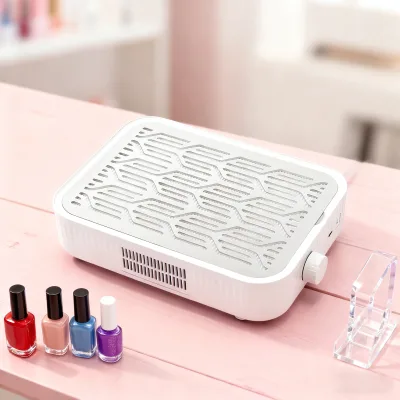
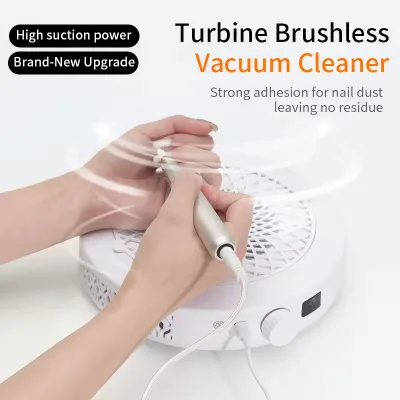
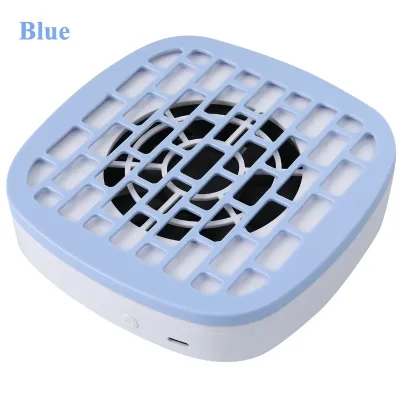
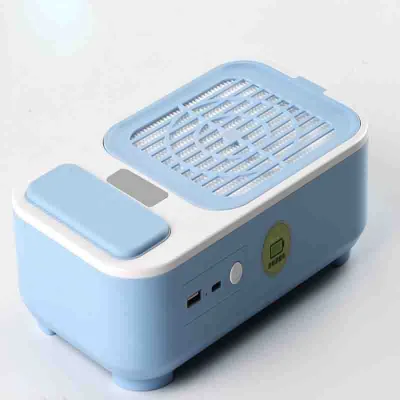
Limited Time Discount New Nail Vacuum Cleaner Recommend Nail Dust Collector
$19.01 - $21.48
MOQ: 10 pieces
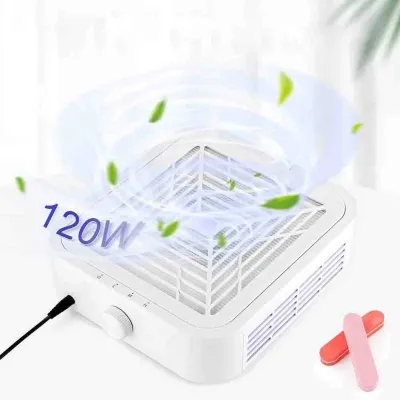


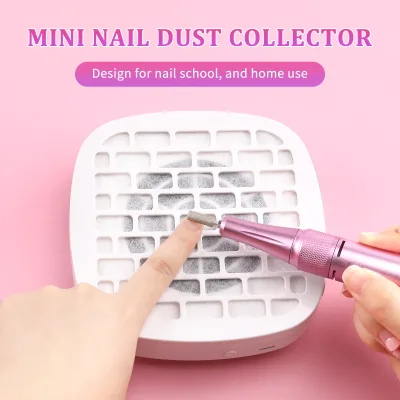
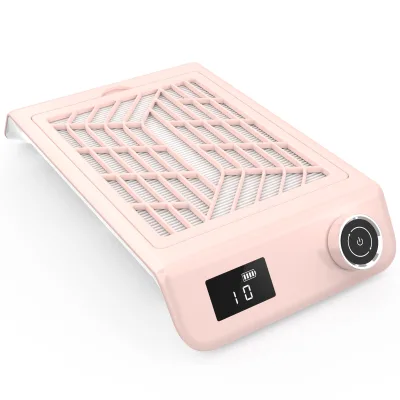


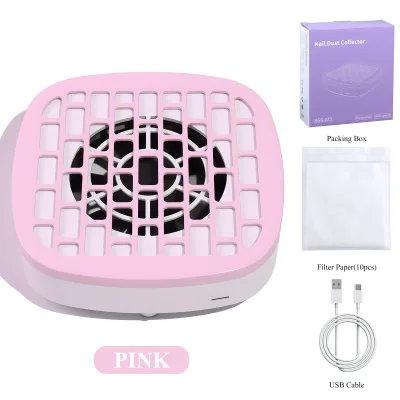


New Double Turbine Nail Dust Collector for Nail Salon Nail Vacuum Cleaner
$35.00 - $42.00
MOQ: 10 Pieces


Pure-Air Nail Dust Collector for Nail Polishing Dust Collection (BT-300TS)
$400.00 - $650.00
MOQ: 1 Pieces


Comprehensive Sourcing Guide
Strategic Sourcing Guide for Mini Electric Nail Dust Collectors
The global beauty and nail care industry has witnessed a significant shift toward professional-grade equipment that prioritizes operator health and environmental cleanliness. At the forefront of this evolution is the Mini Electric Nail Dust Collector, a compact solution designed to capture fine particulate matter generated during filing, buffing, and drilling of artificial and natural nails. For B2B procurement professionals, sourcing these devices requires a nuanced understanding of technical specifications, regulatory compliance, and supply chain reliability. This guide provides a disciplined framework for evaluating potential suppliers and selecting equipment that meets rigorous operational standards without relying on unverified marketing claims.
Technical Specifications and Performance Metrics
When evaluating a Mini Electric Nail Dust Collector, the primary focus must be on the core performance metrics that define its efficacy. The fundamental function of these units is to act as a specialized fan machine capable of generating sufficient suction to capture dust at the source. Based on observed market data, power consumption varies significantly across different models, ranging from low-consumption units operating at 7W to more robust professional machines rated at 120W. This variance suggests a spectrum of applications, from portable personal use to high-volume commercial salon environments.
The suction capability is often correlated with the rotational speed of the internal fan motor. Buyers should verify the RPM (Revolutions Per Minute) of the unit, as higher speeds generally indicate stronger airflow. Observed specifications indicate units capable of speeds around 4000 RPM and 4500 RPM, which are critical for effectively pulling dust away from the nail surface before it becomes airborne. The voltage requirements also differ; while some units are designed for standard electrical inputs, specific models may list voltage ratings that require verification against the buyer's local grid standards.
Physical dimensions and weight are equally critical for space-constrained workstations. The single package size for many units in this category is approximately 20x18x8 cm, with a single gross weight of around 0.400 kg. However, other variants may have a net weight of 1KG, indicating the inclusion of heavier internal components or larger housing. The material composition is predominantly plastic, often utilizing ABS (Acrylonitrile Butadiene Styrene) for durability and heat resistance. The form factor is typically a solid, portable unit, often described as a "nail fan dust collector" or "nail dust collector professional."
Compliance and Certification Verification
In the B2B sector, compliance is not merely a formality but a prerequisite for market entry and liability protection. When sourcing nail dust collectors, buyers must rigorously verify the certification status of the equipment. The electrical nature of these devices necessitates adherence to international safety and electromagnetic compatibility standards.
Suppliers may claim compliance with a suite of certifications including CE, FCC, RoHS, and EMC. The CE mark indicates conformity with health, safety, and environmental protection standards for products sold within the European Economic Area. FCC certification is relevant for devices sold in the United States, ensuring they do not generate harmful levels of radio frequency interference. RoHS (Restriction of Hazardous Substances) compliance ensures that the device does not contain specific hazardous materials, which is increasingly important for environmental regulations. EMC (Electromagnetic Compatibility) standards ensure the device operates correctly in its electromagnetic environment without causing interference to other equipment.
It is imperative for buyers to request valid certification documentation directly from the supplier rather than relying on product listing descriptions. The presence of these certifications should be cross-referenced with the specific model number, as compliance is often model-specific. For instance, a model number such as NA1264 or NA421 may have different certification profiles than an 858-RC01 unit. Buyers should also be aware that while some background data suggests general compliance trends, specific test results and certification validity dates must be confirmed on a per-shipment basis.
Cost Drivers and Pricing Structures
The pricing landscape for mini electric nail dust collectors is highly variable, reflecting differences in power, build quality, and brand positioning. Observed market data indicates a wide price range, with units listed between 3 USD and 650 USD. This broad spectrum suggests that price is a strong indicator of the intended application and build quality. Lower-priced units may be suitable for basic, low-volume tasks, while higher-priced models likely offer enhanced suction power, durability, and advanced features.
Several factors drive the cost of these devices. The power rating is a primary driver; a 120W professional unit will inherently cost more than a 7W portable version due to the larger motor and more robust housing required. The material composition also influences cost; units utilizing high-grade ABS plastic or additional features like removable parts for easy cleaning may command a premium. Furthermore, the level of customization available, such as branding or specific color schemes (White, Pink, Blue, Purple), can affect the final unit price.
Minimum Order Quantity (MOQ) is another critical cost driver. Suppliers may set MOQs ranging from a single item to 100 units, with some specific models requiring a minimum of 20 pieces. Buyers must balance the unit price against the total order value and inventory holding costs. A lower MOQ allows for smaller initial investments and reduced risk, while higher MOQs often result in better per-unit pricing but require greater capital commitment.
Typical Applications and Usage Scenarios
The versatility of mini electric nail dust collectors makes them suitable for a diverse range of applications within the beauty industry. The primary usage is in professional nail care settings, where the accumulation of fine dust poses a health risk to technicians and clients. These devices are specifically designed for finger nail beauty procedures, including acrylic application, gel polish removal, and natural nail shaping.
Beyond professional salons, these units are also utilized in commercial settings where high-volume nail services are provided. The "Commercial" usage tag observed in product specifications suggests that certain models are built to withstand continuous operation. Additionally, the "Nail Beauty Products" category indicates that these collectors are often integrated into a broader ecosystem of beauty tools.
The portability of these units, often highlighted as a key feature, allows for their use in various locations. Whether in a fixed salon booth or a mobile nail technician's kit, the compact design ensures that the device can be easily moved. The "Single" side type indicates that the suction is typically directed from one side, which must be considered when positioning the device relative to the technician's hand. The "Fashion" style and available color options also suggest that aesthetic appeal is a consideration for buyers targeting retail or boutique salon markets.
Supplier Evaluation and Operational Reliability
Selecting the right supplier is as important as selecting the right product. When evaluating potential partners for mini electric nail dust collectors, buyers should look for evidence of operational stability and customer support. A key indicator of supplier reliability is the availability of after-sales service. Suppliers offering "24 Hours Online Service" demonstrate a commitment to resolving technical issues promptly, which is crucial for businesses that cannot afford downtime.
The place of origin is another factor to consider. Many units in this category originate from manufacturing hubs in Guangdong, China, or Ningbo, regions known for their expertise in plastic molding and electronics assembly. While the location itself does not guarantee quality, it provides context for the supply chain logistics and potential lead times. Buyers should verify the specific origin of the model they intend to purchase, as production capabilities can vary between factories.
Customization capabilities are also a significant differentiator. Suppliers that offer "Customized" options, including specific branding, colors, or packaging, can help buyers differentiate their products in a competitive market. The availability of customization should be confirmed alongside the MOQ, as custom orders often require higher minimum quantities. Additionally, the warranty period, such as a standard 12-month warranty, serves as a benchmark for the supplier's confidence in their product's longevity.
Quality Control and Long-Term Procurement Considerations
Ensuring consistent quality is paramount for long-term procurement success. Buyers should implement a quality control strategy that includes pre-shipment inspections and post-delivery testing. Key attributes to verify during inspection include the structural integrity of the plastic housing, the functionality of the removable parts, and the consistency of the suction power. The "New Design" and "Removable" features observed in product listings should be tested for ease of use and durability over time.
Long-term procurement considerations also involve the availability of spare parts and consumables. Since the device relies on a fan motor and potentially replaceable filters or bags, buyers should ensure that the supplier can provide these components in the future. The "Standard" packaging, often a box package, should be evaluated for its ability to protect the unit during transit, especially given the varying single package sizes and weights.
Finally, buyers should monitor the product's performance in real-world conditions. While specifications like 4000 RPM or 4500 RPM provide a baseline, actual performance can vary based on the specific application and environment. Establishing a feedback loop with end-users will help identify any recurring issues or areas for improvement. By maintaining a disciplined approach to sourcing, focusing on verified specifications and supplier reliability, buyers can secure a steady supply of high-quality mini electric nail dust collectors that meet the evolving needs of the nail care industry.
Comparative Analysis of Key Product Attributes
To facilitate a clearer decision-making process, the following table summarizes the key attributes observed in the market for mini electric nail dust collectors. This comparison highlights the diversity in specifications and helps buyers align their requirements with available options.
| Attribute Category | Observed Range / Options | Procurement Consideration |
|---|---|---|
| Power Consumption | 7W to 120W | Higher power generally correlates with stronger suction; verify against local voltage standards. |
| Rotational Speed | 4000 RPM to 4500 RPM | Critical for dust capture efficiency; higher RPM is preferred for professional use. |
| Material Composition | Plastic, ABS | ABS offers better durability; verify if the material is heat-resistant for continuous use. |
| Color Options | White, Pink, Blue, Purple, D40 White | Aesthetic customization may be required for brand alignment; check color consistency. |
| Dimensions | Approx. 20x18x8 cm | Ensure the footprint fits the intended workstation space. |
| Weight | 0.400 kg to 1KG | Lighter units are more portable; heavier units may indicate more robust internal components. |
| Certifications | CE, FCC, RoHS, EMC | Mandatory for international sales; request valid certificates for the specific model. |
| Warranty | 12 Months | Standard period; verify if extended warranty options are available. |
| Customization | Available (Color, Branding) | Check MOQ requirements for custom orders; confirm lead times for customized batches. |
| Origin | Guangdong, China; Ningbo | Impacts shipping costs and lead times; verify factory capabilities. |
By systematically analyzing these attributes and cross-referencing them with the specific needs of the target market, procurement professionals can make informed decisions that balance cost, quality, and operational efficiency. The Mini Electric Nail Dust Collector market offers a wide array of options, but success lies in rigorous verification and a clear understanding of the technical and regulatory landscape.
FAQs
What certifications do mini electric nail dust collectors have?
Many models carry CE, FCC, RoHS, and EMC certifications. Buyers must verify these documents directly from the supplier for each specific model number to ensure compliance with local safety standards.
How much power do these nail dust collectors consume?
Power consumption varies significantly from 7W for portable units to 120W for professional machines. Higher wattage generally indicates stronger suction suitable for high-volume commercial salon environments.
Which materials are used to build these collectors?
Most units are constructed from durable plastic, often utilizing ABS for heat resistance. Some specifications also list general plastic or other materials depending on the specific model design.
Can I find customized options for these nail tools?
Yes, suppliers offer customization for branding, colors, and packaging. This service is available but often requires meeting a minimum order quantity, which can range from 20 to 100 pieces.
Where are these products typically manufactured?
Production origins are primarily located in Guangdong and Ningbo, China. These regions are known for plastic molding and electronics assembly, providing context for supply chain logistics.
What is the typical price range for these devices?
Listed prices range widely from 3 USD to 650 USD depending on power and build quality. Lower prices often correspond to basic units, while higher costs reflect professional-grade features.
How fast do the internal fans rotate?
Observed rotational speeds range from 4000 RPM to 4500 RPM. Higher speeds are critical for effectively capturing fine nail dust before it becomes airborne during filing or drilling.