Source Minimalist Nordic Crystal Pendant Lamp for Home, Office, Cafe
Find 30 Minimalist Nordic Crystal Pendant Lamp options from China. Compare specs like 72-365W power, 90-95 CRI, and 50,000-hour lifespan. View prices from $7.80-$5,000 with 1-50 MOQs. Check CE/RoHS certifications and OEM services; compare the available evidence and request quotations based on your requirements.
Updated
Key considerations
Products List

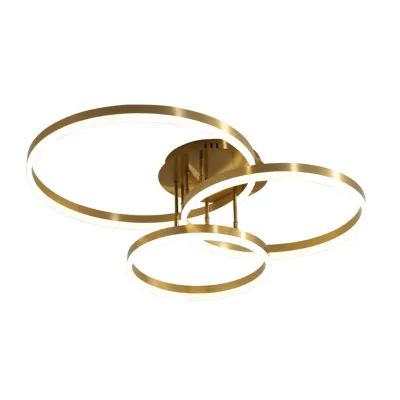
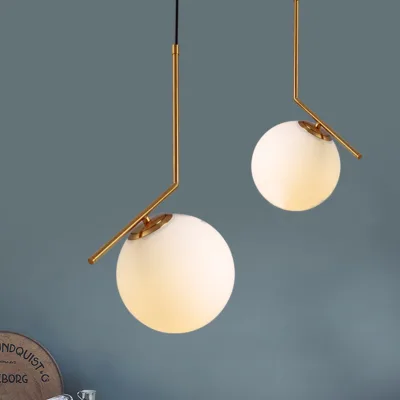
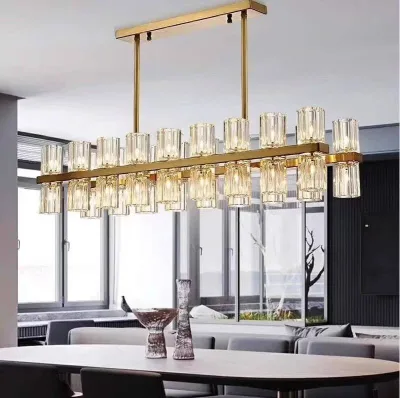


Modern Minimalist Nordic Pendant Light Metal LED Ceiling Chandelier Hanging Lamp
$300.00 - $870.00
MOQ: 1 Pieces


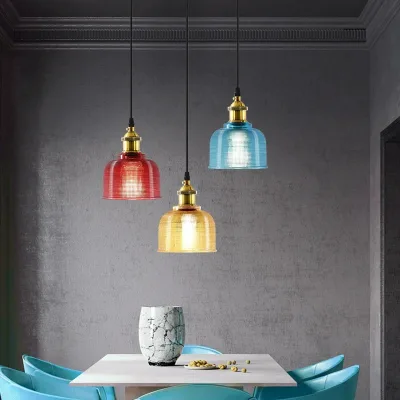


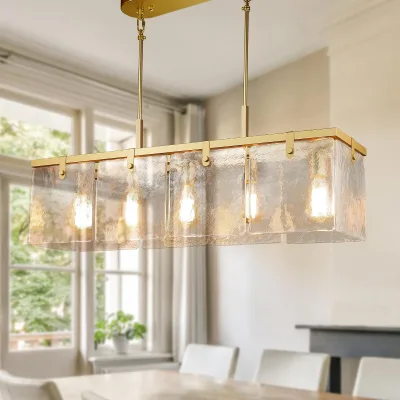
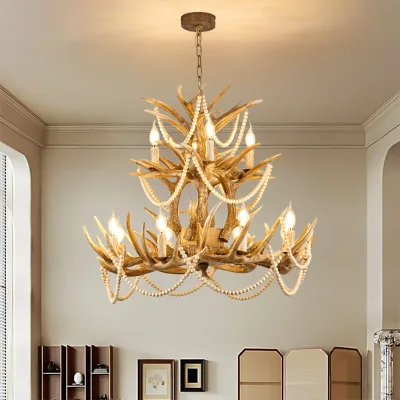
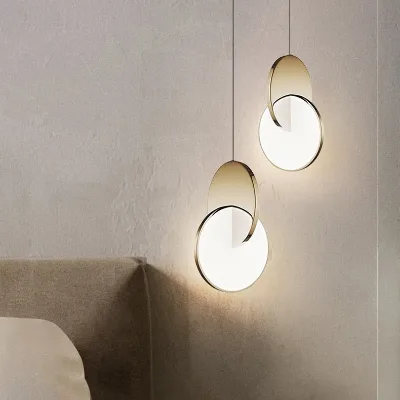


Comprehensive Sourcing Guide
Minimalist Nordic Crystal Pendant Lamp Sourcing Guide
Sourcing minimalist Nordic crystal pendant lamps requires a careful balance between aesthetic precision and technical reliability. Buyers must navigate a market where visual simplicity often masks complex manufacturing requirements, particularly regarding light diffusion and structural integrity. The observed product landscape indicates a strong presence of LED-based solutions with customizable design services, allowing for tailored integration into modern residential and commercial spaces. Understanding the specific material compositions, such as glass bodies paired with acrylic shades, is essential for evaluating both durability and light quality.
Procurement decisions should be grounded in verified technical specifications rather than marketing imagery alone. The available data suggests a wide variance in power consumption, ranging from 36W to 364W, which directly impacts energy efficiency and thermal management. Buyers need to establish clear criteria for color temperature and luminous flux to ensure the lighting meets the intended ambiance. Furthermore, the availability of OEM and ODM services indicates that many suppliers are equipped to handle bespoke orders, but this requires rigorous upfront communication regarding design tolerances and production capabilities.
Product Scope and Observed Listing Signals
The current market for minimalist Nordic crystal pendant lamps features a diverse array of products, with observed prices ranging from $7.8 to $5,000 USD. This broad spectrum reflects differences in material quality, brand positioning, and the extent of customization offered. Minimum order quantities (MOQ) typically range from 1 to 50 units, providing flexibility for both small-scale interior designers and large-scale procurement projects. The presence of products labeled with keywords like "Modern Art Unique" and "Modern Indoor Lighting" suggests a focus on aesthetic appeal, though buyers must verify that the visual design aligns with functional lighting needs.
Listing signals indicate that many suppliers offer comprehensive lighting solutions, including circuitry design and project installation support. This value-added service can simplify the procurement process for complex installations but requires careful evaluation of the supplier’s technical expertise. The observed product attributes highlight a mix of standard and customizable options, with some items featuring specific model numbers like PL-349 or 202404-463. Buyers should pay close attention to these identifiers to ensure consistency when placing repeat orders or expanding a lighting scheme across multiple rooms.
Technical Specifications to Verify
Verifying technical specifications is critical to ensuring the pendant lamps meet performance expectations. Key attributes to confirm include the light source type, which is predominantly LED in the observed listings, and the color temperature options, which typically range from 3000K to 5000K. Buyers should also verify the color rendering index (CRI), with observed values ranging from Ra 90 to Ra 95, as this directly affects the accuracy of color representation in the illuminated space. Additionally, the beam angle, often observed at 180 degrees, influences the spread and intensity of the light, which is crucial for achieving the desired minimalist aesthetic.
Power consumption and luminous flux are other vital parameters that impact both energy costs and lighting quality. Observed lamp powers vary significantly, from 36W to 364W, with corresponding luminous flux values ranging from 3000 lm to 12000 lm. Buyers must ensure that the selected power rating aligns with the fixture’s thermal management capabilities to prevent premature failure. The lifespan of the light source, often cited as 50,000 hours, should be cross-referenced with warranty terms to assess long-term value. Furthermore, the input voltage range, typically AC 85-265V, ensures compatibility with various global electrical standards, but local verification is still necessary.
Compliance and Safety Documentation
Compliance with regional safety and environmental standards is non-negotiable for importing lighting fixtures. The observed listings frequently mention certifications such as CE, CCC, RoHS, ISO, SAA, and FCC, indicating that suppliers may have undergone testing for electromagnetic compatibility, electrical safety, and hazardous substance restrictions. Buyers must request valid certification documents for each specific model, as these credentials are often model-specific and not blanket approvals for an entire product line. Verifying the authenticity of these certifications through the issuing bodies is a crucial step to avoid regulatory hurdles at customs.
In addition to product-level certifications, buyers should inquire about the manufacturing standards and quality control processes employed by the supplier. While some listings mention ISO certification, it is essential to determine whether this applies to the management system or the specific product manufacturing process. Documentation should also include test reports for electrical safety, such as dielectric strength and leakage current tests, particularly for fixtures operating at higher voltages. Ensuring that all compliance documentation is up-to-date and matches the shipped product prevents delays and potential liability issues in the destination market.
Cost Drivers and Commercial Terms
Several factors influence the final cost of minimalist Nordic crystal pendant lamps, including material selection, customization level, and order volume. The use of premium materials like glass and acrylic, along with intricate design elements, can drive up production costs. Customization options, such as OEM/ODM services and tailored packaging, add further complexity and expense to the manufacturing process. Buyers should obtain detailed quotations that break down costs for materials, labor, and tooling to understand the true cost structure and identify areas for potential savings.
Commercial terms and shipping methods also play a significant role in the total landed cost. Observed trade terms include EXW, FOB, CIF, and CFR, each carrying different responsibilities for logistics and insurance. Buyers must carefully evaluate these terms to determine who bears the risk and cost during transit. Shipping options, ranging from express courier to air and sea freight, offer varying speeds and costs, which should be aligned with project timelines and budget constraints. Additionally, warranty periods, typically ranging from 2 to 5 years, should be factored into the total cost of ownership, as longer warranties may indicate higher build quality and supplier confidence.
Supplier Qualification and Quality Control
Evaluating supplier qualifications is essential to mitigate risks associated with manufacturing defects and delivery delays. Buyers should verify the supplier’s production capacity, quality management systems, and past performance on similar projects. Requesting references or case studies can provide insight into the supplier’s reliability and ability to meet specific design requirements. It is also advisable to conduct factory audits, either in person or through third-party inspection agencies, to assess the manufacturing environment and quality control procedures firsthand.
Quality control measures should be clearly defined in the purchase agreement, including inspection points and acceptance criteria. Buyers should specify requirements for pre-production samples, in-process inspections, and final random inspections before shipment. Defining clear tolerances for dimensions, color temperature, and luminous flux helps ensure consistency across batches. Additionally, establishing a protocol for handling defective items, including return policies and replacement procedures, protects the buyer from financial loss and project disruptions. Clear communication of these quality expectations from the outset fosters a more collaborative and reliable supplier relationship.
Long-Term Procurement Checks
Long-term procurement success depends on establishing robust mechanisms for ongoing supplier performance monitoring and product lifecycle management. Buyers should implement regular performance reviews based on key metrics such as on-time delivery, defect rates, and responsiveness to issues. Maintaining open lines of communication with the supplier allows for timely resolution of any emerging problems and facilitates continuous improvement. Regularly updating the supplier on market trends and customer feedback can also help in refining product designs and specifications for future orders.
Furthermore, buyers should stay informed about changes in regulatory standards and technological advancements in lighting technology. This proactive approach ensures that future procurements remain compliant and competitive. Building a diversified supplier base can also reduce dependency on a single source and provide flexibility in case of supply chain disruptions. Finally, documenting all procurement processes, including contracts, specifications, and inspection reports, creates a valuable knowledge base for future reference and helps streamline the sourcing of similar products in the long run.
FAQs
What certifications are available for these pendant lamps?
Certifications include CE, CCC, RoHS, ISO, SAA, and FCC depending on the specific model. These ensure compliance with regional safety and environmental standards. Buyers should verify the exact certificate list for their target market before ordering to guarantee regulatory acceptance and smooth customs clearance.
Can the lighting be customized for specific projects?
Yes, customization is available including OEM and ODM services. Buyers can request custom packaging, specific color temperatures like 3000K or 4000K, and tailored design elements. This flexibility allows brands to align the lighting with their unique aesthetic requirements and branding guidelines effectively.
What is the typical lifespan of the LED light source?
The LED light source typically offers a lifespan of 50,000 hours. This durability ensures long-term performance with minimal maintenance requirements. The high luminous flux of up to 12,000 lumens provides bright illumination, making it suitable for various indoor applications like homes and offices.
What voltage options are supported by the fixtures?
The fixtures support various voltage inputs including 220V, 110V-240V, and AC 85-265V. This wide voltage range ensures compatibility with different electrical standards globally. Buyers can select the appropriate model based on their local power supply requirements to ensure safe and efficient operation.
What are the shipping and trade terms offered?
Trade terms include EXW, FOB, CIF, and CFR. Shipping methods are available via express courier, air freight, or sea freight. These flexible options allow buyers to choose the most cost-effective and timely delivery method based on their order volume and urgency requirements.
What is the minimum order quantity for these lamps?
The minimum order quantity ranges from 1 to 50 units. This low MOQ allows buyers to test the product quality and market response with smaller initial orders. It provides flexibility for both small retailers and larger procurement teams to manage inventory risks effectively.