Source Mitsubishi 4D34 Automotive Oil Pump for L200, Eclipse, Sebring
Compare 30 listings for the Mitsubishi 4D34 Automotive Oil Pump from verified Chinese suppliers. Options include diesel and gasoline engine variants with CE and ISO certifications, offering 3 to 12 months warranty periods and custom packaging solutions.
Key considerations
Products List


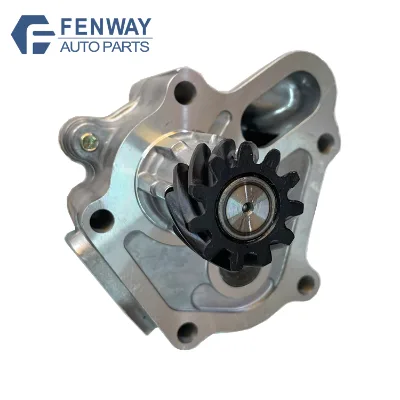
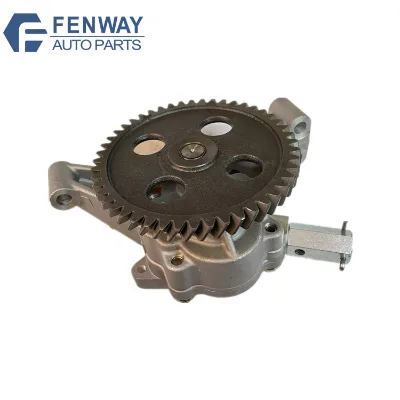
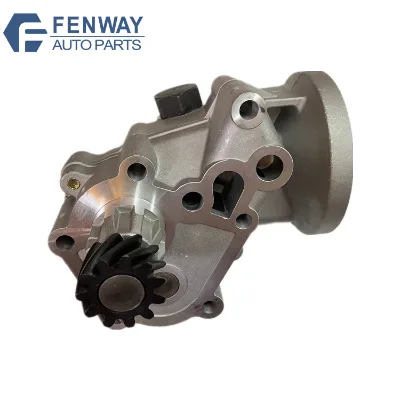
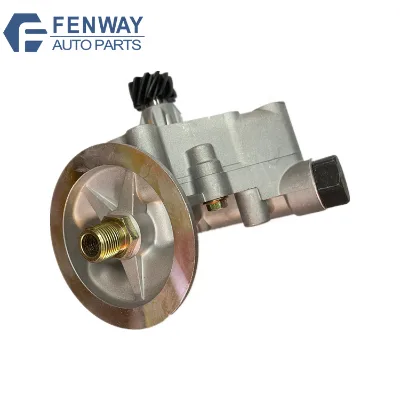
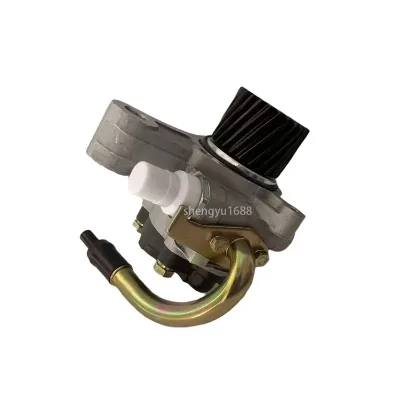
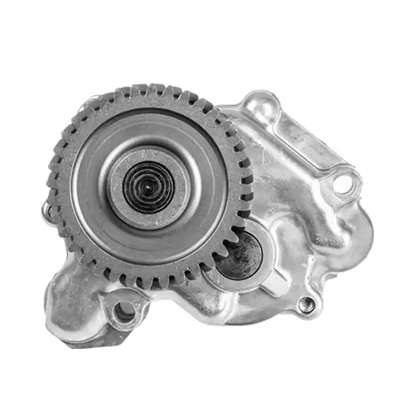
Wholesale Lubricating oil pump for MITSUBISHI 4D34, 4D31, 2 FILTERS OEM ME014600
$6.99 - $19.99
MOQ: 50 Pieces


Engine Oil Pump for Mitsubishi L200 Pajero L300 MD364254 MD181579 MD303736 4D56
$74.00 - $75.00
MOQ: 50 Pieces




Comprehensive Sourcing Guide
Strategic Sourcing Guide for Mitsubishi 4D34 Automotive Oil Pumps
Understanding Technical Specifications and Model Variants
When sourcing a Mitsubishi 4D34 Automotive Oil Pump, the primary challenge lies in navigating the complex landscape of model numbers and engineering specifications. The 4D34 engine is a robust diesel unit, and its oil pump is a critical component for maintaining lubrication pressure and engine longevity. Based on available market data, the specific product models associated with this engine application include ME014600, ME014475, ME014489, ME017484, and ME074253. It is essential to recognize that these identifiers are not merely labels but represent distinct engineering configurations. For instance, the model ME014600 is frequently cross-referenced with the part number 26100-41400, while ME014603 is linked to 2610041000. Buyers must verify that the specific model number they are procuring aligns precisely with the engine code of their machinery, which for the 4D34 series often includes codes such as PS100, Fe-119, and 4D31.
The physical and functional attributes of these pumps are equally critical. The product listings indicate that these units are constructed from metal, a standard requirement for high-pressure diesel engine applications to withstand thermal stress and mechanical load. The engine type is confirmed as diesel, and the cylinder configuration is noted as multi-cylinder, necessitating an oil pump capable of delivering consistent flow rates across multiple combustion chambers. The standard for these components is described as complying with the original standard size, with specific references to standards such as T 59 and OEM Standard Size. This implies that the internal gear geometry and housing dimensions must match the factory specifications exactly to ensure proper fitment and operational efficiency. Any deviation from these standard sizes could lead to pressure drops, overheating, or catastrophic engine failure.
Compliance, Certification, and Regulatory Standards
In the global B2B market, compliance with international standards is a non-negotiable aspect of procurement. For automotive oil pumps destined for use in Mitsubishi engines, buyers must verify that the supplier can provide valid certification documentation. The observed market data highlights several key certifications, including CE, ISO, and IATFCE. The CE mark indicates conformity with health, safety, and environmental protection standards for products sold within the European Economic Area, while ISO certification suggests adherence to international quality management systems. The IATFCE designation is particularly relevant for the automotive industry, signaling compliance with specific automotive quality management requirements.
However, buyers should exercise caution and treat these certifications as observations of specific product listings rather than universal guarantees for every unit. The presence of a certification on a product page does not automatically imply that every batch of oil pumps meets the same rigorous testing criteria. It is the responsibility of the procurement team to request current, valid certificates from the supplier for the specific batch being ordered. Furthermore, the product standard is listed as "Standard" or "OEM Standard Size," which suggests that the components are manufactured to replicate original equipment manufacturer (OEM) specifications. Buyers should verify that the supplier's quality management system is audited and that the "OEM Standard Size" claim is backed by dimensional inspection reports. Without these verifications, the risk of sourcing non-compliant parts that may fail to meet local regulatory requirements or void vehicle warranties remains high.
Cost Drivers and Pricing Dynamics
The pricing structure for Mitsubishi 4D34 oil pumps is influenced by a variety of factors, including material costs, certification status, and order volume. The observed price range in the market spans from 1 to 110 USD, a significant variance that reflects differences in product quality, packaging, and supplier positioning. Several cost drivers contribute to this spread. First, the material composition, specifically the use of high-grade metal, is a primary determinant of cost. Second, the level of customization available can impact the price; products offering "Customization: Available" may command a premium over standard off-the-shelf units. Third, the packaging method plays a role, with options ranging from simple cartons to wooden cases or standard pallet packing for export.
Minimum Order Quantity (MOQ) is another critical factor affecting the unit cost. The market data indicates an MOQ range of 1 to 50 pieces. Suppliers with an MOQ of 50 pieces may offer lower per-unit pricing due to economies of scale, whereas suppliers allowing an MOQ of 1 may charge a higher premium for small-batch flexibility. Additionally, the warranty period can influence the final price. Listings showing a "One year" or "12 Months" warranty often reflect a higher confidence in product quality, which is typically factored into the pricing structure compared to items offering only a "3 Months Warranty." Buyers must balance the initial purchase price against the total cost of ownership, considering potential downtime costs if a lower-priced, lower-warranty pump fails prematurely.
Typical Applications and Vehicle Compatibility
The Mitsubishi 4D34 oil pump is designed for a specific ecosystem of heavy-duty vehicles and industrial machinery. The application data explicitly links these pumps to the Mitsubishi 4D34, 4D31, and 4D32 engine series. Beyond the engine block, these components are integral to various vehicle models, including the Mitsubishi L200 (specifically the K3_T, K2_T, K1_T, and K0_T chassis variants with 2.6L 4WD configurations). The supply chain also indicates compatibility with other brands, such as the Chrysler Sebring 3.0L V6 and the Mitsubishi Eclipse, suggesting that some oil pump designs may be shared across different platforms or that the supplier offers a broad range of compatible parts.
It is vital for buyers to cross-reference the OE numbers with their specific vehicle identification numbers (VIN) or engine serial numbers. The observed OE numbers include Me014600, Me014461, Me014603, and Me-014475. Using the wrong part number, even within the same engine family, can lead to incompatibility. For example, the model TB22MI3401 is specifically noted for Mitsubishi applications, while TB22MI0001 is associated with Chrysler. The distinction between these part numbers is crucial. Buyers should not assume interchangeability without consulting technical manuals or verifying the exact engine code, such as 4D30 or 6ds7, which may require different pump specifications. The application field is broadly categorized as "Engine Parts," but the precision required for diesel engine lubrication systems demands a rigorous verification process before placing an order.
Supplier Evaluation and Geographic Considerations
Evaluating potential suppliers requires a focus on origin, lead times, and logistical capabilities. The majority of the observed products originate from China, with specific mentions of Anhui as a production hub. This geographic concentration suggests a mature supply chain for automotive components in that region. However, buyers must assess the specific capabilities of each supplier rather than relying solely on the country of origin. Key evaluation criteria include the supplier's ability to provide "100% Professional Test" results, as indicated in the product attributes. This suggests a commitment to quality control where every unit is tested before shipment.
Lead time is a significant logistical consideration. The market data shows lead times ranging from 30 to 90 days, with some listings specifying a 60-90 day window. This variability can impact inventory planning and production schedules. Buyers should clarify the exact lead time for their specific order quantity and packaging requirements. Additionally, the packing standards vary from neutral boxes to customized packaging and standard pallet packing for export. Suppliers offering "Standard Pallet Packing for Export" are better equipped to handle international shipping logistics, reducing the risk of damage during transit. When evaluating suppliers, buyers should also consider the warranty terms, as a "One year" warranty indicates a higher level of supplier confidence compared to shorter periods.
Quality Control and Long-Term Procurement Strategy
Ensuring the long-term reliability of the oil pump requires a robust quality control strategy. The product attributes highlight "Condition: New" and "Quality: 100% Professional Test" as key selling points. These claims must be validated through third-party inspections or on-site audits. Buyers should request detailed test reports that cover pressure testing, flow rate verification, and dimensional accuracy checks. The standard compliance, such as "Complies with the original standard size," should be backed by measurement data to ensure that the replacement part functions identically to the original equipment.
For long-term procurement, establishing a relationship with a supplier that offers customization and consistent quality is essential. The availability of customization allows buyers to tailor the product to specific operational needs, such as specialized coatings or modified gear ratios. However, this should be balanced against the risk of introducing variability. A consistent supply chain with verified certifications (CE, ISO, IATFCE) and clear warranty terms (ranging from 3 months to 12 months) provides a safety net against defects. Buyers should also monitor the market for changes in lead times and MOQs, as these factors can fluctuate based on raw material availability and global demand. By maintaining a rigorous verification process and focusing on suppliers with proven track records, organizations can secure a reliable supply of Mitsubishi 4D34 oil pumps that meet their operational demands.
Comparative Analysis of Product Attributes
To facilitate a clearer understanding of the market offerings, the following table summarizes the key attributes observed in the sourcing data. This comparison highlights the variations in model numbers, certifications, and warranty periods that buyers must consider.
| Attribute Category | Observed Values | Notes for Procurement |
|---|---|---|
| Product Models | ME014600, ME014475, ME014489, ME017484, ME074253, TB22MI3401 | Verify exact match with engine code (e.g., 4D34, 4D31). |
| Certifications | CE, ISO, IATFCE | Request current certificates for the specific batch. |
| Material | Metal | Standard for diesel engine durability. |
| Warranty Period | 3 Months, 12 Months, One Year | Longer warranties often correlate with higher quality assurance. |
| Lead Time | 30-90 Days, 60-90 Days | Plan inventory based on the upper limit of the range. |
| MOQ | 1 to 50 pcs | Lower MOQs may incur higher unit costs. |
| Origin | China (including Anhui) | Verify supplier location and export capabilities. |
| Packing | Cartons, Wooden Cases, Standard Pallets | Ensure packaging meets export and shipping requirements. |
| Application | Mitsubishi 4D34, 4D31, Chrysler Sebring, L200 | Cross-reference OE numbers (e.g., Me014600, 26100-41400). |
This structured approach ensures that buyers can navigate the complexities of the Mitsubishi 4D34 oil pump market with confidence, focusing on verified data and established best practices for B2B procurement.
FAQs
What certifications do mitsubishi 4d34 automotive oil pumps have?
These pumps typically hold CE, ISO, and IATFCE certifications. Buyers must verify that specific batches include valid documentation for these standards before purchasing to ensure regulatory compliance.
Which model numbers fit the Mitsubishi 4D34 Automotive Oil Pump?
Common models include ME014600, ME014475, and ME014603. You must cross-reference these with your engine code like PS100 or Fe-119 to ensure exact compatibility with your machinery.
How long is the lead time for Mitsubishi 4D34 Automotive Oil Pump orders?
Lead times generally range from 30 to 90 days depending on the supplier. Some listings specify a window of 60 to 90 days, so plan your inventory accordingly to avoid delays.
Can I customize the Mitsubishi 4D34 Automotive Oil Pump packaging?
Yes, customization is available for packaging options like cartons, wooden cases, or neutral boxes. Standard export pallet packing is also offered to ensure safe international shipping of the metal components.
What is the minimum order quantity for mitsubishi 4d34 automotive oil pumps?
The minimum order quantity varies between 1 and 50 pieces per listing. Higher volumes often secure better pricing, while smaller orders may carry a premium for flexibility.
Where are Mitsubishi 4D34 Automotive Oil Pump manufacturers located?
Most suppliers originate from China, with specific production hubs in Anhui. Buyers should confirm the exact origin and logistical capabilities of the vendor before finalizing the purchase agreement.
What warranty periods are available for mitsubishi 4d34 automotive oil pumps?
Warranty periods range from 3 months to 12 months depending on the supplier. Longer warranties often indicate higher confidence in the product quality and professional testing standards.