Source Modular Aluminum Alloy DJ Table for Exhibitions, Clubs, Shows
Compare 30 Modular Aluminum Alloy DJ Table options from verified suppliers. These units feature quick installation, aluminum 6061 construction, and are designed for exhibitions, clubs, and stage performances with customizable sizes; compare the available evidence and request quotations based on your requirements.
Updated
Key considerations
Products List
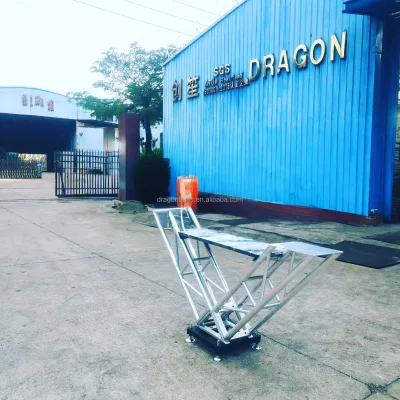
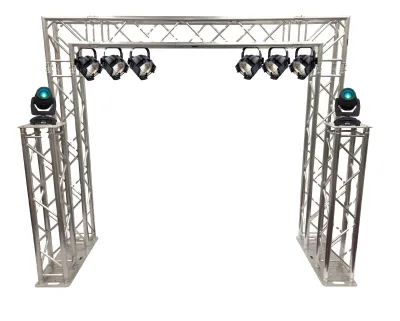


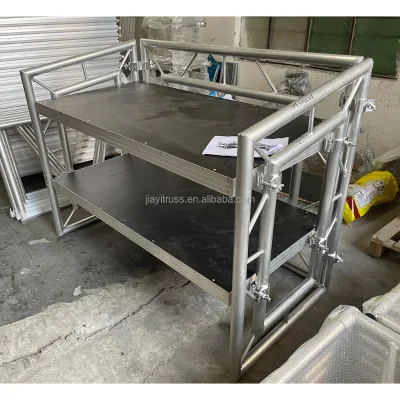
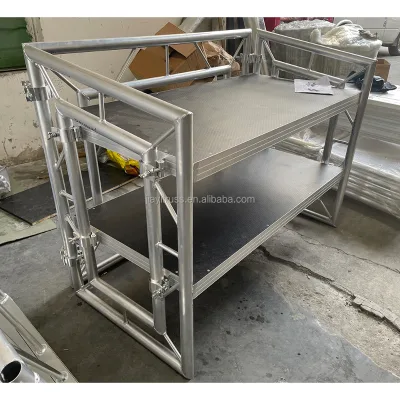
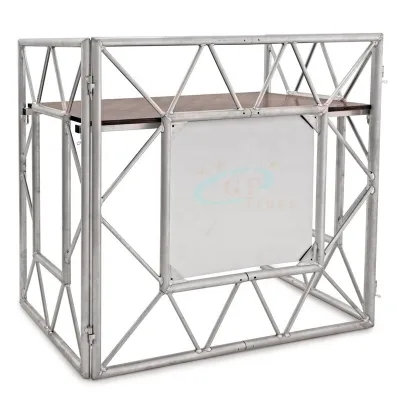
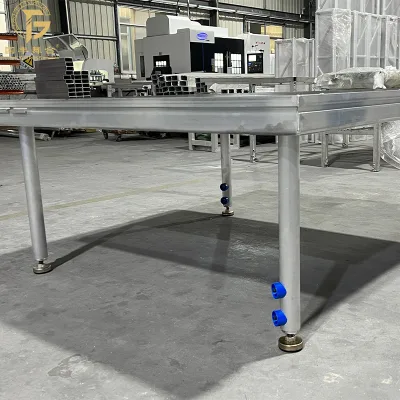


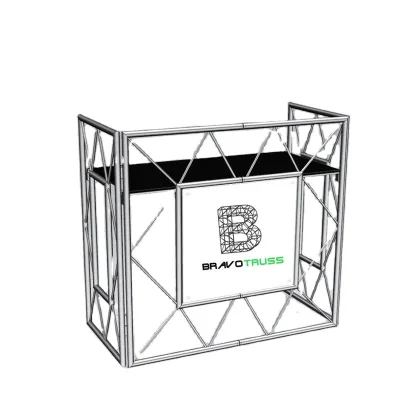
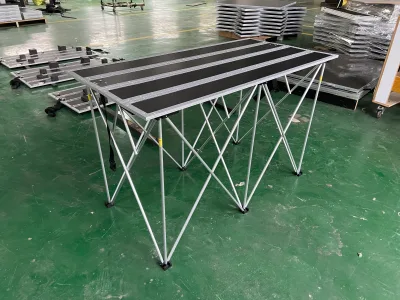
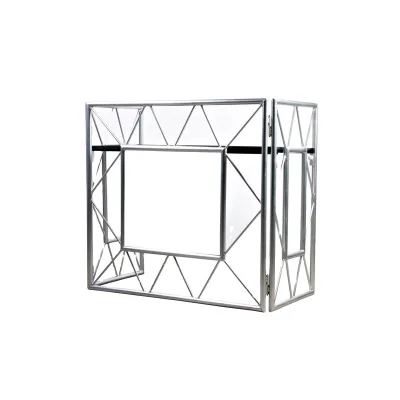


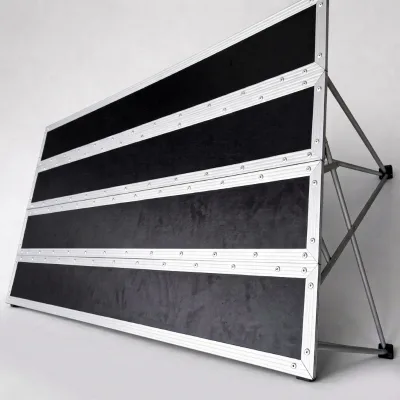
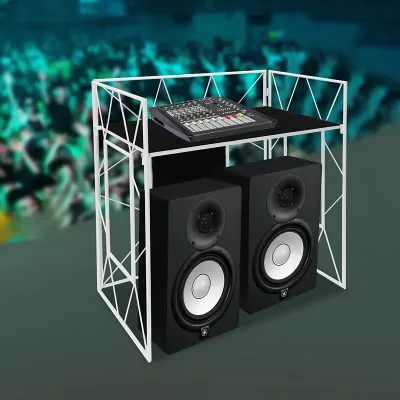
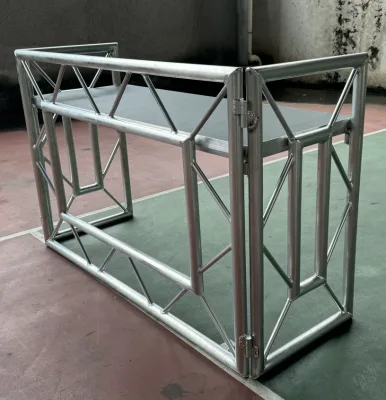
Comprehensive Sourcing Guide
Modular Aluminum Alloy DJ Table Sourcing Guide
Procuring a Modular Aluminum Alloy DJ Table requires careful attention to the specific structural configurations available in the current market. Buyers should prioritize listings that explicitly define the assembly method as quick installation, as this directly impacts on-site setup efficiency for events. The observed product range includes units with a modular structure design, which allows for flexible reconfiguration depending on the venue layout. It is essential to verify that the specific model selected matches the intended application, such as exhibitions or stage performances, to ensure the truss system provides adequate stability.
When evaluating potential suppliers, focus on the material composition and load-bearing capabilities to guarantee safety during high-intensity use. The available inventory frequently specifies Aluminum 6061 or Aluminum Alloy 6061-T6, which are industry-standard materials for their strength-to-weight ratio. Buyers must confirm the load-bearing capacity, with observed data indicating a standard rating of 100kg for certain models, to prevent structural failure under equipment weight. Additionally, the connection type should be verified as a screw connection to ensure secure assembly without the need for specialized welding tools on-site.
Product Scope and Observed Listing Signals
The market for modular aluminum alloy DJ tables presents a diverse range of configurations, including square and customized shapes to suit various aesthetic requirements. Listings often highlight features such as anti-rust properties and slim truss systems designed for banner integration, which add functional versatility to the core DJ booth structure. Buyers should note that the observed price range spans from 40 to 429 USD, reflecting differences in package size, weight, and specific customization options like color finishes in silver or black. Understanding these signals helps in filtering listings that align with specific budget constraints and functional needs.
Visual and dimensional signals are critical when narrowing down product options, as single package sizes vary significantly between models. Some units are packaged at 219x90x40 cm with a gross weight of 40 kg, while others are more compact at 100x30x30 cm with a weight of 8 kg. These discrepancies affect shipping logistics and storage requirements, making it vital for buyers to match the physical specifications of the product to their logistical capabilities. The presence of OEM/ODM acceptance in listings further indicates that suppliers may offer tailored solutions for branding or specific dimensional requests.
Technical Specifications to Verify
Technical verification must begin with the main tube diameter and brace thickness, as these dimensions dictate the overall rigidity of the truss system. Observed specifications include a main tube diameter of 50mm and brace thickness of 2mm, which are standard metrics for ensuring structural integrity under load. Buyers should also check the brace diameter, which is listed as 20mm in some configurations, to ensure compatibility with the intended mounting hardware. Confirming these exact measurements prevents the procurement of undersized components that could compromise the safety of the DJ booth during operation.
The frame design and connection mechanisms are equally critical for ensuring a stable and secure assembly process. The modular frame design allows for easy expansion or contraction, but the screw connection type must be robust enough to withstand vibration and movement. Buyers should verify the single package size and gross weight to ensure the components can be handled safely by the installation team. Additionally, checking the model number, such as "aluminum truss dj booth" or "gentry truss," helps in cross-referencing specific technical datasheets to confirm that the product meets the required performance standards for the intended event type.
Compliance and Safety Documentation
Safety documentation is paramount when sourcing equipment that supports heavy audio and visual gear at public events. Buyers should request proof of compliance with relevant safety standards, noting that some suppliers list ISO9001 and TUV certifications as part of their quality assurance protocols. These certifications indicate that the manufacturing process adheres to international quality management and safety testing requirements, which is essential for mitigating liability risks. It is crucial to verify that the specific batch of products being purchased carries these valid certifications rather than relying on general supplier claims.
Load-bearing capacity verification is another critical safety aspect that must be documented before finalizing a purchase. The observed data indicates a load-bearing capacity of 100kg for certain models, but this figure must be explicitly confirmed for the specific unit ordered. Buyers should ensure that the supplier provides test results or engineering calculations that validate this capacity under dynamic conditions, such as equipment movement or crowd interaction. Without clear documentation of these safety limits, the risk of structural failure increases, potentially leading to equipment damage or personal injury during the event.
Cost Drivers and Commercial Terms
Commercial terms significantly influence the total cost of ownership, with the observed pricing structure often listed as Ex-work. This term implies that the buyer is responsible for all logistics costs from the factory gate, including inland transportation, export duties, and ocean freight. Buyers must calculate these additional expenses to determine the true landed cost, as the base price range of 40 to 429 USD does not include shipping. Understanding the Ex-work term is essential for accurate budgeting and avoiding unexpected financial burdens during the procurement process.
Minimum Order Quantity (MOQ) and selling units are other key commercial factors that affect procurement strategy. The observed MOQ range spans from 1 to 10 units, offering flexibility for small-scale events or larger bulk orders. However, buyers should verify if the supplier offers volume discounts or if the price per unit remains constant regardless of quantity. The selling unit is typically listed as a single item, which simplifies ordering but may require careful planning to ensure all necessary components are included in the shipment. Clarifying these terms upfront prevents misunderstandings regarding order fulfillment and payment schedules.
Supplier Qualification and Quality Control
Supplier qualification involves assessing the manufacturer's location and production capabilities to ensure reliable delivery and consistent quality. The observed place of origin is Guangdong, China, a region known for its extensive manufacturing infrastructure in the aluminum truss industry. Buyers should verify the supplier's production capacity and lead times to ensure they can meet event deadlines, especially for customized orders. Checking the supplier's history with OEM/ODM projects can also provide insight into their ability to handle specific customization requests and maintain quality standards.
Quality control processes must be rigorously evaluated to ensure the final product meets the required specifications. Buyers should inquire about the specific materials used, such as Aluminum Alloy 6061-T6, and verify that the manufacturing process includes anti-rust treatments. The observed feature of anti-rust protection is critical for equipment used in outdoor environments or humid indoor venues. Additionally, checking the packing method, such as the use of air bubble film, ensures that the truss components arrive without damage. Establishing a clear quality control protocol with the supplier is essential for maintaining the integrity of the modular DJ table system.
Long-Term Procurement Checks
Long-term procurement success depends on establishing a reliable supply chain that can support future events and potential expansions. Buyers should consider the customization availability and the ability of the supplier to provide replacement parts or additional modules as needs evolve. The observed customization options, including shape and color, suggest that suppliers can adapt to changing requirements, but this capability must be confirmed for future orders. Building a relationship with a supplier that offers flexible customization ensures that the DJ booth system remains relevant and functional over time.
Maintenance and durability are key factors in the long-term value of the Modular Aluminum Alloy DJ Table. The observed features, such as the anti-rust property and the use of high-grade aluminum alloys, indicate a focus on longevity. Buyers should verify the maintenance requirements and the availability of spare parts to ensure the equipment can be kept in optimal condition. Regular inspections of the screw connections and structural integrity are necessary to prevent wear and tear from compromising safety. Establishing a maintenance schedule with the supplier can help extend the lifespan of the equipment and protect the initial investment.
FAQs
What is the main material used for modular aluminum alloy dj tables?
The main material is Aluminum 6061 or Aluminum Alloy 6061-T6. This high-grade alloy provides excellent strength-to-weight ratio and durability. It ensures the structure remains stable under load while resisting corrosion. The material choice supports long-term use in various environments without significant degradation or maintenance requirements.
How is the Modular Aluminum Alloy DJ Table assembled?
It uses a quick installation method with screw connections. The modular structure allows for easy assembly without specialized tools. This design facilitates rapid setup and dismantling for events. The system ensures secure joints while maintaining the integrity of the aluminum truss framework during operation.
What is the load-bearing capacity of the dj booth truss?
The load-bearing capacity is 100kg. This rating ensures safe support for DJ equipment and accessories. The modular design distributes weight evenly across the structure. Users can confidently place gear on the table without exceeding the specified limit for structural safety.
Can the Modular Aluminum Alloy DJ Table be customized?
Yes, customization is available for shape and size. Options include square or customized shapes with specific dimensions. OEM and ODM services are accepted to meet unique requirements. Buyers can request tailored specifications to fit specific stage or exhibition layouts effectively.
What certifications do the modular aluminum alloy dj tables have?
The products hold ISO9001 and TUV certifications. These standards verify quality management and safety compliance. Certifications ensure the manufacturing process meets international requirements. Buyers can rely on these credentials for procurement in regulated markets or large-scale professional events.
Where are the modular aluminum alloy dj tables manufactured?
They are manufactured in Guangdong, China. This region is known for robust manufacturing capabilities. The location supports efficient production and logistics. Buyers can expect consistent quality and reliable supply chains from this established industrial hub.