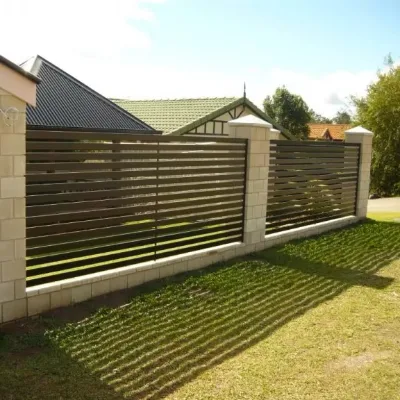
Source Modular Aluminum Fence with Posts and Connectors for Driveway, Outdoor, Villa
Compare 30 listings of Modular Aluminum Fence with Posts and Connectors designed for driveway gates, outdoor fences, and villa security. Buyers can evaluate specifications like powder coating, installation ease, and customization options from verified suppliers in China; compare the available evidence and request quotations based on your requirements.
Updated
Key considerations
Products List

Modular Aluminum Fence with Easy Assembly DIY Fencing for Home and Garden
$39.00 - $48.00
MOQ: 10 Square Meters

Assembled Aluminum Fence Modular Structure Convenient on Site Outdoor Quick Install Fence
$39.00 - $48.00
MOQ: 10 Square Meters

Aluminum Security Fence Panel Composite Fence Garden Fence Fence Post for House
$39.00 - $48.00
MOQ: 499 Square Meters

Joint Design Aluminum Fence Connectable Panel Extensible Outdoor Large Range Surround Fence
$39.00 - $48.00
MOQ: 10 Square Meters
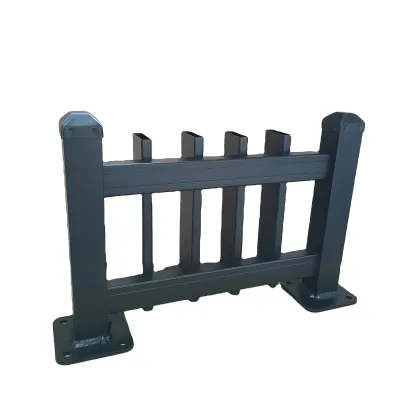
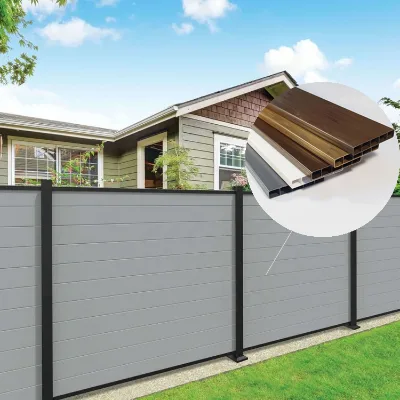
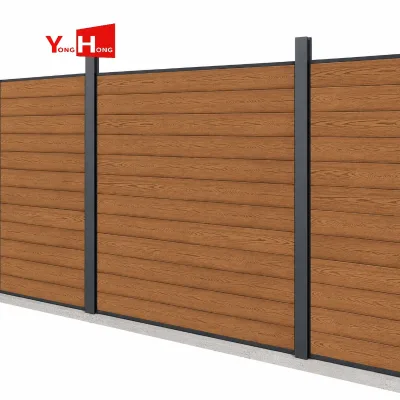
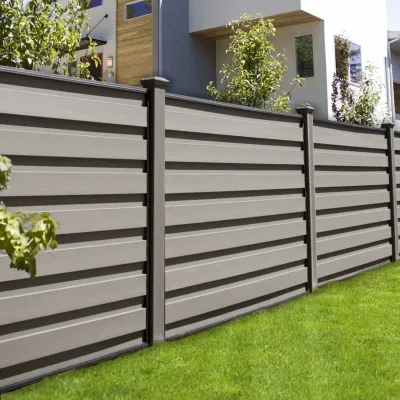


Reinforced Frame Heavy Duty Modular Aluminum Garden Fence for Outdoor Decoration
$49.00 - $58.00
MOQ: 10 Square Meters


High Density Custom Modular Aluminum Garden Fence for Playground
$58.00 - $62.00
MOQ: 10 Square Meters
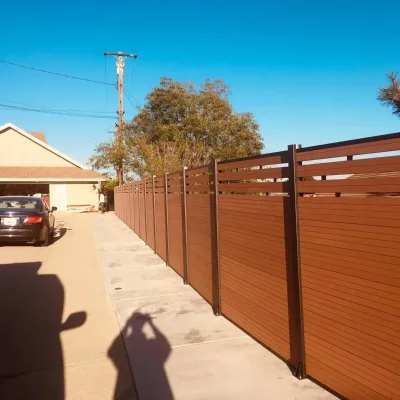
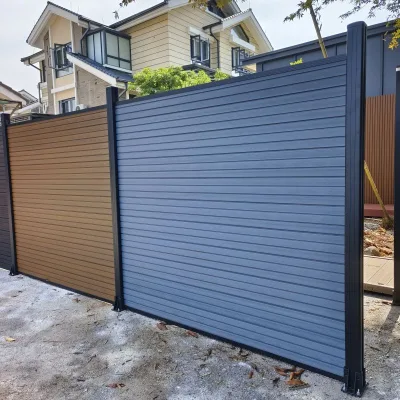
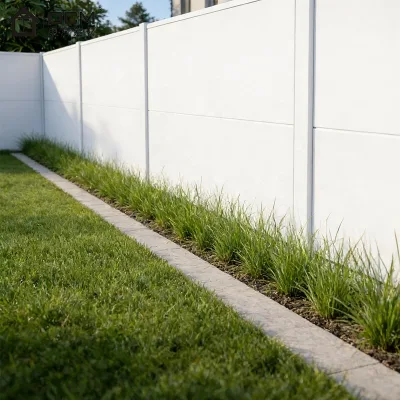
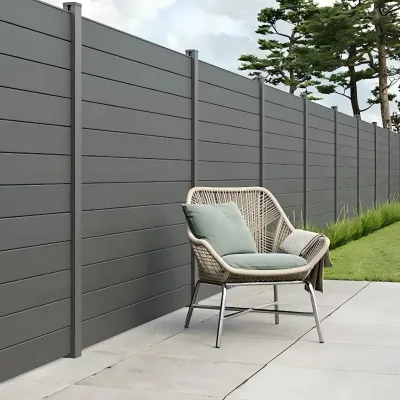
Comprehensive Sourcing Guide
Modular Aluminum Fence with Posts and Connectors Sourcing Guide
Procuring modular aluminum fencing systems requires a strategic approach to balancing aesthetic flexibility with structural integrity. Buyers must recognize that these systems are primarily designed for decorative and security applications in residential and commercial settings, such as driveways, gardens, and school perimeters. The core value proposition lies in the ease of assembly and the durability of the aluminum material, which offers rot-proof and waterproof characteristics essential for long-term outdoor use. Understanding the specific configuration of posts and connectors is critical, as these components dictate the overall stability and visual continuity of the installed fence line.
Sourcing decisions should be guided by the observed market signals, where products are frequently listed with contemporary design styles and customizable sizes. The presence of features like powder-coated finishes and eco-friendly materials indicates a market trend toward low-maintenance, sustainable solutions. Buyers should verify that the selected modular system includes all necessary hardware, such as brackets and screws, to ensure a complete installation kit. This comprehensive approach minimizes the risk of missing components and streamlines the logistical process for large-scale projects requiring uniform fencing across multiple sites.
Product Scope and Observed Listing Signals
The current market for modular aluminum fencing presents a wide range of options, with observed prices varying significantly from low-cost entry points to premium finished products. Listings frequently highlight attributes such as easy installation, eco-friendliness, and waterproof performance, which are key decision factors for commercial buyers in department stores and residential developers. The typical product scope includes horizontal aluminum fences, security panels, and gate accessories, all designed to provide privacy and protection while maintaining a modern aesthetic appeal. Buyers should carefully review the specific model numbers and design styles to ensure alignment with their project’s visual requirements.
Observed listing signals also reveal a strong emphasis on customization services, including 3D modeling and video installation guides, which support complex procurement projects. The materials specified are predominantly aluminum alloys, often treated with powder coating or electroplating to enhance corrosion resistance and visual finish. These surface treatments are crucial for maintaining the fence’s appearance in diverse weather conditions. Additionally, the availability of custom branding and color options allows buyers to tailor the fencing to specific architectural themes, ensuring that the final installation complements the surrounding environment effectively.
Technical Specifications to Verify
Technical verification must begin with the material composition and surface treatment processes to ensure long-term durability. Buyers should confirm that the aluminum used is of high quality and that the powder coating or anodized finish meets industry standards for weather resistance. The frame finishing process, whether powder-coated or electroplated, directly impacts the fence’s lifespan and maintenance requirements. It is essential to verify that the connectors and posts are made from compatible materials to prevent galvanic corrosion, which can compromise the structural integrity of the modular system over time.
Dimensional specifications and assembly mechanisms are equally critical for successful implementation. The modular nature of these fences relies on precise tolerances for posts and connectors to ensure a secure and stable installation. Buyers should check for features such as easily assembled designs and standardized connection points that simplify on-site construction. Additionally, verifying the single package size and gross weight helps in planning logistics and storage. Ensuring that the technical specifications align with the intended application, whether for a garden fence or a security perimeter, is vital for achieving the desired performance and aesthetic outcome.
Compliance and Safety Documentation
Compliance with relevant standards is a non-negotiable aspect of sourcing modular aluminum fencing, particularly for commercial and public applications. Buyers must request documentation that verifies the product meets local safety and environmental regulations, including any certifications related to material safety and structural integrity. While specific certification statuses may vary by supplier, the presence of CE or ISO marks often indicates adherence to international quality and safety benchmarks. It is crucial to ensure that the fencing system does not pose any environmental hazards, especially if it is marketed as eco-friendly or made from renewable sources.
Safety documentation should also include detailed installation instructions and warranty information to protect the buyer from potential liabilities. The availability of 3D sample models and video installation guides can serve as supplementary evidence of the manufacturer’s commitment to clear and safe installation practices. Buyers should verify that the connectors and posts are designed to prevent accidental injury, such as sharp edges or unstable structures. Additionally, confirming that the product meets fire safety standards, if applicable, is essential for installations in areas with strict building codes, ensuring that the fencing system contributes to overall site safety.
Cost Drivers and Commercial Terms
Cost drivers for modular aluminum fencing include material quality, surface treatment complexity, and the level of customization required. Buyers should anticipate that higher-grade aluminum alloys and advanced finishing processes, such as electrophoresis or polished finishes, will result in higher unit costs. The inclusion of accessories like brackets, screws, and post caps also adds to the overall expense. Understanding these cost components allows buyers to make informed decisions about where to allocate their budget, ensuring that they achieve the best balance between quality and cost-effectiveness for their specific project needs.
Commercial terms, including minimum order quantities (MOQ) and lead times, significantly impact the procurement strategy. Observed MOQs can range widely, requiring buyers to assess their volume requirements against supplier capabilities. Payment terms and shipping arrangements, such as packing in wooden boxes or iron pallets, also influence the total cost of ownership. Buyers should negotiate clear terms regarding customization lead times and potential penalties for delays, ensuring that the project timeline is not compromised. Transparent communication about these commercial terms helps in avoiding unexpected costs and ensures a smooth procurement process.
Supplier Qualification and Quality Control
Supplier qualification is a critical step in ensuring the reliability and consistency of modular aluminum fencing supplies. Buyers should evaluate suppliers based on their production capabilities, quality control processes, and track record in delivering similar products. Verifying the supplier’s location, such as Guangdong or Zhejiang in China, can provide insights into their logistical advantages and supply chain efficiency. Additionally, assessing the supplier’s ability to provide 3D modeling and video installation support indicates their commitment to customer service and technical assistance throughout the procurement lifecycle.
Quality control measures should be clearly defined and agreed upon before placing orders. Buyers should request samples to verify the material quality, finish consistency, and assembly ease. Establishing clear acceptance criteria for defects and deviations ensures that the delivered products meet the specified standards. Regular audits and inspections, if feasible, can further mitigate risks associated with large orders. By prioritizing suppliers with robust quality control systems, buyers can minimize the likelihood of receiving substandard products and ensure that the modular fencing system performs as expected in the field.
Long-Term Procurement Checks
Long-term procurement success depends on establishing ongoing relationships with reliable suppliers and continuously monitoring product performance. Buyers should implement a system for tracking the durability and maintenance requirements of the installed fencing to identify any recurring issues. Regular feedback loops with the supplier can help in addressing any quality concerns promptly and in refining future orders. Additionally, staying informed about industry trends and new product innovations ensures that the procurement strategy remains competitive and aligned with evolving market demands.
Sustainability and environmental impact should also be considered in long-term procurement checks. Buyers should verify that the suppliers continue to adhere to eco-friendly practices and use renewable sources where possible. This not only supports corporate social responsibility goals but also mitigates potential regulatory risks associated with environmental compliance. By maintaining a proactive approach to supplier management and product evaluation, buyers can ensure that their modular aluminum fencing investments deliver consistent value and performance over time, supporting both aesthetic and functional objectives.
FAQs
What certifications are available for Modular Aluminum Fence with Posts and Connectors?
CE and ISO certifications are available for these fencing systems. The products are manufactured in Guangdong and Zhejiang, China, ensuring compliance with international standards. Powder coated finishes provide durability and weather resistance for outdoor applications. Buyers can verify specific documentation directly with suppliers to confirm regulatory adherence for their region.
Can I customize the size and design of the aluminum fence panels?
Yes, customization is available for size and design style. The products support contemporary designs and can be tailored to specific requirements. Customized sizes are offered to fit various installation scenarios, including driveways and gardens. Buyers should communicate specific dimensions and aesthetic preferences to suppliers to ensure the final product meets their exact project needs.
What is the typical MOQ for ordering modular aluminum fencing?
The minimum order quantity ranges from 2 to 1100 units depending on the supplier. Some vendors require a minimum of 100 pieces for standard orders. Buyers should check individual supplier listings for precise MOQ requirements. Lower MOQs may be available for sample orders or specific customization requests, allowing smaller projects to proceed with sourcing.
How are the aluminum fence panels packaged for shipping?
Packaging options include wooden boxes and iron pallets to ensure safe transit. The single package size is approximately 10x5x2 cm with a gross weight of 25 kg. Secure packaging protects the powder coated surfaces and connectors during international shipping. Buyers should confirm packaging details with suppliers to prevent damage and ensure efficient handling upon arrival.
What installation services are provided for the modular fence systems?
Suppliers offer 3D modeling, 3D sample models, and video installation guides. Instruction books are also provided to assist with the assembly process. The fences are designed to be easily assembled and installed by buyers. These services help ensure correct installation and reduce the need for professional labor, making the fencing solution more accessible for various projects.
Which applications are suitable for Modular Aluminum Fence with Posts and Connectors?
These fences are suitable for home security, privacy, and decoration. Common usage scenarios include driveways, outdoor fences, villas, and schools. The aluminum material provides rot proof and waterproof characteristics for long-term durability. Buyers can utilize these fencing systems for garden boundaries, sport areas, and farm enclosures due to their versatile design and protective function.