Source Moisture Proof Transparent Protective Film for appliances, glass, and metal
Find 30 verified listings for Moisture Proof Transparent Protective Film suitable for household appliances, glass, and metal surfaces. Buyers can compare thickness, width, and customization options from Jiangsu and Anhui manufacturers.
Key considerations
Products List


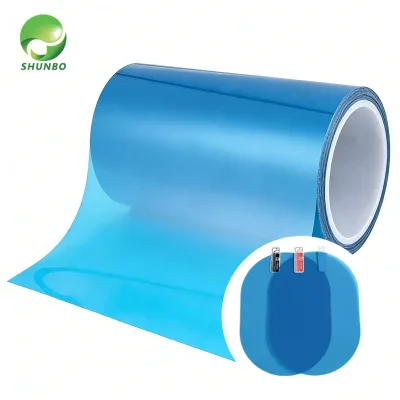
Moisture Proof Clear Protective Film and Protection Film for Aluminum
$0.08 - $0.40
MOQ: 100 Square Meters




Comprehensive Sourcing Guide
Strategic Sourcing Guide for Moisture Proof Transparent Protective Films
Understanding Material Composition and Physical Properties
When sourcing moisture-proof transparent protective films, the primary focus must be on the polymer matrix that defines the film's barrier properties and mechanical integrity. Based on available market data, the dominant material composition for these products is Polyethylene (PE), specifically Low-Density Polyethylene (LDPE) or Linear Low-Density Polyethylene (LLDPE). These materials are selected for their inherent flexibility and ability to form a robust barrier against moisture, which is a critical requirement for the core keyword. The physical state of the product is consistently observed as soft, allowing it to conform to various surface geometries without cracking or delaminating during application.
Transparency is another non-negotiable attribute for this category. The films are engineered to be transparent, ensuring that the underlying surface—whether it be metal, glass, or household appliance casing—remains visible for quality inspection and aesthetic purposes. The manufacturing process typically utilizes blow molding or multiple extrusion techniques. These methods ensure uniform thickness and consistent molecular orientation, which directly impacts the film's tensile strength. Buyers should verify that the tensile strength of the selected film exceeds 10 units (typically measured in Newtons or similar force metrics depending on the specific testing standard used by the supplier), as this indicates the film's ability to withstand handling stresses without tearing.
The thickness of the film is a variable parameter that dictates its protective capability. Observed specifications indicate a thickness range spanning from 0.03mm to 0.12mm, with some variants offering a broader spectrum from 10 microns to 150 microns. For applications requiring heavy-duty protection, such as metal surface masking during machining, a thickness closer to the upper limit of this range is advisable. Conversely, for delicate glass protection or gift packaging, thinner gauges in the 10 to 40-micron range may suffice. The width of the film is equally customizable, with standard offerings ranging from 100mm to 2250mm, or 1 meter to 2.15 meters, allowing for integration into existing production lines with minimal waste.
Technical Specifications and Customization Capabilities
The versatility of moisture-proof transparent protective films lies in their high degree of customization. Suppliers frequently offer tailored solutions where the length, width, and thickness can be adjusted to specific project requirements. Standard product models often reference dimensions such as 50 microns by 600mm by 100 meters, or 5mm by 300 meters, though these figures should be treated as reference points rather than fixed constraints. The ability to customize the length up to 2250 meters or width up to 1240mm ensures that buyers can optimize roll sizes for their specific machinery and inventory needs.
Color customization is another significant technical feature. While the baseline product is transparent, the market supports a wide array of color options including black, blue, red, yellow, green, and orange. This is particularly useful for color-coding different stages of a manufacturing process or for branding purposes in gift packaging. Furthermore, the surface of the film can be printed upon, allowing for the inclusion of logos, handling instructions, or safety warnings directly on the protective layer. This feature transforms the film from a simple barrier into a functional communication tool.
The processing type is a critical technical specification to consider. While blow molding is a common method, some advanced variants utilize multiple extrusion techniques. This distinction is important for buyers seeking specific surface finishes or adhesion properties. The processing method influences the film's surface energy, which determines how well it adheres to the substrate without leaving residue upon removal. For applications involving metal surfaces or household appliances, the film must balance adhesion strength to stay in place during transport or processing while remaining easy to peel off without damaging the underlying finish.
Compliance, Certification, and Regulatory Standards
In the B2B procurement landscape, verifying compliance and certification is as important as evaluating physical specifications. The protective film market is populated with suppliers who hold various international certifications, which serve as indicators of quality management and environmental responsibility. Common certifications observed in this sector include SGS, ISO9001, ISO14001, REACH, and IATF16949. These certifications cover different aspects of the supply chain: ISO9001 ensures quality management systems are in place, ISO14001 addresses environmental management, and IATF16949 is specific to the automotive industry, suggesting the film meets stringent requirements for automotive applications.
Buyers must treat these certifications as evidence of a supplier's commitment to standards rather than automatic guarantees of product performance for every specific order. It is essential to request current certification documents and verify their validity with the issuing bodies. For instance, if the film is intended for use in electronics or food-adjacent packaging, the REACH compliance becomes particularly relevant to ensure that no restricted substances are present in the polymer or the printing inks. The presence of these certifications often correlates with a supplier's ability to maintain consistent quality control, but they do not replace the need for specific product testing.
Regarding product standards, the industry often references specific dimensional standards such as 50 microns by 600mm by 100 meters, or general customizable standards. However, there is no single universal standard that applies to all protective films. Buyers should explicitly define the standard they require in their purchase orders, whether it is a specific thickness tolerance, a tensile strength threshold, or a specific adhesion test result. The supplier's ability to meet "custom service" standards is a key indicator of their flexibility. It is crucial to note that while some suppliers may claim compliance with certain standards, the buyer must verify that the specific batch of goods delivered matches the certified specifications.
Cost Drivers and Economic Considerations
The pricing of moisture-proof transparent protective films is influenced by a complex interplay of material costs, customization levels, and order volume. The observed price range in the market is extensive, spanning from $0.01 to $1100 per unit, reflecting the diversity of product types from small sample rolls to large industrial pallets. This wide range indicates that the unit price is not a fixed metric but is highly dependent on the total quantity and the specific configuration of the order.
The Minimum Order Quantity (MOQ) is a significant factor in determining the final cost. The market observes MOQs ranging from 1 unit to 50,000 units. For small-scale buyers or those testing new applications, a low MOQ is advantageous, though it may come with a higher per-unit cost. Conversely, large-volume buyers can leverage economies of scale to reduce the unit price significantly. The raw material cost, primarily driven by the price of PE and LLDPE, is a baseline driver that fluctuates with global oil prices. However, the customization of the film, such as adding specific colors, printing, or non-standard dimensions, adds a premium to the base cost.
Packaging and logistics also contribute to the overall cost structure. The standard packing method involves one roll in one carton, but customized packing with pallets is available for bulk shipments. The choice of packaging affects the shipping efficiency and the risk of damage during transit. Buyers should consider the total landed cost, which includes the product price, packaging fees, and shipping charges. The lead time, typically observed between 3 to 15 days, also impacts cost, as expedited shipping or rush orders may incur additional fees. Understanding these cost drivers allows buyers to negotiate more effectively and plan their inventory management to balance cost efficiency with operational needs.
Typical Applications and Industry Use Cases
Moisture-proof transparent protective films serve a multitude of industries, each with unique requirements for the film's performance. The primary application areas include metal surface protection, household appliances, glass protection, and the textile and apparel sector. In the metal industry, these films are used as masking films during painting, welding, or machining processes to prevent scratches and corrosion. The moisture-proof feature is critical here, as it prevents water ingress that could lead to rust or contamination of the metal surface.
For household appliances and electronics, the film protects the cosmetic finish of products during shipping and storage. The transparency of the film ensures that the product's design remains visible for marketing and quality checks, while the softness and adhesion properties prevent damage to the sensitive surfaces. The application extends to the building materials sector, where films protect glass and other surfaces during construction and installation. In the gift packaging and textile industries, the films are used to protect finished goods from dust and moisture, often featuring custom printing to enhance the unboxing experience.
The versatility of the film is further demonstrated by its use in agriculture and general industry. In agriculture, the film may protect equipment or crops from moisture damage, while in general industry, it serves as a versatile barrier for various components. The specific application dictates the required thickness and adhesion level. For example, a film used for glass protection in the construction industry may require higher tensile strength to withstand harsh handling, whereas a film for gift packaging may prioritize aesthetic qualities like transparency and printability. Buyers should align their film selection with the specific demands of their application area to ensure optimal performance.
Supplier Evaluation and Quality Control Protocols
Selecting the right supplier is a critical step in the procurement process. Buyers should evaluate potential suppliers based on their location, production capabilities, and quality assurance systems. The observed origin of these products includes regions such as Jiangsu, Wuxi, Shenzhen, and Anhui in China, which are known for their manufacturing capabilities. However, the location should not be the sole deciding factor; instead, buyers should focus on the supplier's ability to meet the specific technical and compliance requirements of the order.
Quality control protocols are essential to ensure that the delivered films meet the specified standards. Buyers should request samples and conduct their own testing to verify attributes such as thickness, tensile strength, and adhesion. The supplier's certification status, such as ISO9001, is a good starting point, but it should be complemented by specific product test results. For instance, verifying that the film is indeed moisture-proof and transparent under the buyer's specific environmental conditions is crucial. The supplier's ability to provide customized packaging and adhere to lead times of 3 to 15 days is also a key indicator of their reliability.
Buyers should also assess the supplier's flexibility in handling customization requests. The ability to adjust thickness, width, length, and color is a significant advantage. Suppliers who offer "custom service" and can accommodate specific dimensions, such as 5mm by 300 meters or 100m to 2250m rolls, demonstrate a higher level of adaptability. Additionally, the supplier's response to quality issues and their willingness to provide documentation for certifications and test results are vital for building a long-term partnership. A robust quality control system ensures that the films delivered are consistent and reliable, minimizing the risk of production delays or product damage.
Long-Term Procurement and Supply Chain Resilience
Establishing a long-term procurement strategy for moisture-proof transparent protective films requires a focus on supply chain resilience and continuous improvement. Buyers should aim to build relationships with suppliers who can scale their production to meet fluctuating demand. The wide range of MOQs, from 1 to 50,000 units, suggests that suppliers can accommodate both small and large orders, but buyers should negotiate terms that allow for flexibility in order quantities as their needs evolve.
Sustainability is becoming an increasingly important consideration in procurement. The presence of ISO14001 certification indicates that some suppliers are committed to environmental management, which aligns with the growing demand for sustainable packaging solutions. Buyers should explore options for recyclable materials or films that minimize environmental impact. Additionally, the ability to customize the film with specific features, such as water-soluble properties or specific colors, can help buyers differentiate their products and meet evolving market trends.
Risk management is another critical aspect of long-term procurement. Buyers should diversify their supplier base to mitigate the risk of supply disruptions. While the lead time is typically 3 to 15 days, external factors such as raw material shortages or logistical challenges can impact delivery. Establishing clear communication channels and regular quality audits with suppliers can help identify potential issues before they become critical. By focusing on technical specifications, compliance, and supplier reliability, buyers can ensure a steady supply of high-quality moisture-proof transparent protective films that meet their operational and strategic goals.
FAQs
What materials are used for moisture proof transparent protective films?
These films are primarily made from Polyethylene (PE) or Linear Low-Density Polyethylene (LLDPE). The material ensures a soft, transparent barrier that effectively resists moisture while conforming to various surface geometries without cracking during application.
Can the film thickness be customized for specific applications?
Yes, thickness is highly customizable ranging from 0.03mm to 0.12mm or 10 to 150 microns. Buyers can select gauges suitable for delicate glass protection or heavy-duty metal masking depending on their specific industrial requirements.
Which certifications do suppliers typically hold for these films?
Suppliers often hold certifications including SGS, ISO9001, ISO14001, REACH, and IATF16949. These credentials indicate adherence to quality management, environmental standards, and automotive industry requirements, though specific batch compliance must always be verified.
How long is the typical lead time for delivery?
The standard delivery lead time ranges from 3 to 15 days. This timeframe allows for production and packaging, though expedited options may be available depending on order volume and specific customization requests from the manufacturer.
What are the standard width and length specifications available?
Standard widths range from 100mm to 2250mm, with lengths up to 2250 meters. These dimensions are often customizable, allowing integration into existing production lines with minimal waste for various industrial and packaging applications.
Can the film be printed with custom colors or logos?
Yes, the film supports color customization including black, blue, red, and transparent options. The surface can also be printed with logos or instructions, transforming the barrier into a functional communication tool for branding or safety.
Where are the main manufacturing origins for these products?
Primary manufacturing origins include Jiangsu, Wuxi, Shenzhen, and Anhui in China. These regions are known for their production capabilities, offering a variety of suppliers with different certifications and capacity levels for bulk orders.