Find Molded Polypropylene Active Speaker for Commercial, Home, and Event Use
Source 30 Molded Polypropylene Active Speaker options with varying power ratings and frequency responses. Buyers can compare specifications for commercial, home, and event applications to find the right solution.
Key considerations
Products List

$500.00 - $900.00
MOQ: 2 Pieces


$200.00 - $500.00
MOQ: 2 Pieces



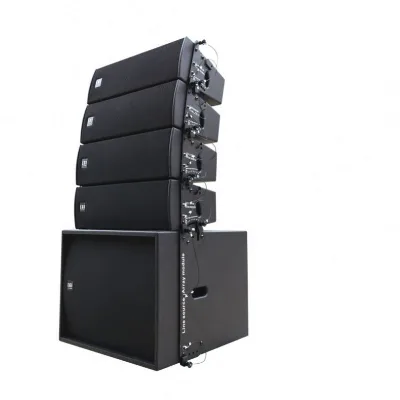
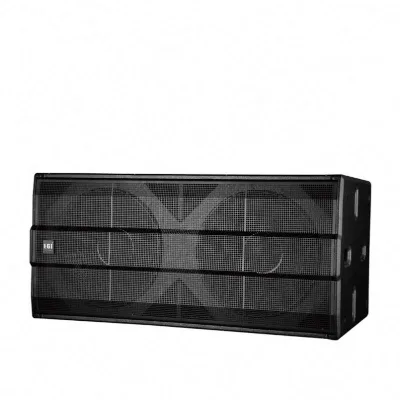


Comprehensive Sourcing Guide
Strategic Sourcing Guide for Molded Polypropylene Active Speakers
The global procurement landscape for professional audio equipment has shifted significantly toward durable, weather-resistant solutions that maintain high fidelity in demanding environments. While the core keyword "Molded Polypropylene Active Speaker" suggests a specific material composition and electronic architecture, the actual market reality involves a complex matrix of material choices, power configurations, and application-specific engineering. Buyers must navigate a supply chain where product attributes vary widely, from self-powered systems to passive enclosures, and where material claims require rigorous verification against the specific item being sourced. This guide provides a disciplined framework for evaluating potential suppliers and products, ensuring that procurement decisions are grounded in verified technical data rather than marketing generalizations.
Material Composition and Structural Integrity
When sourcing speakers described as "molded polypropylene," the primary objective is to identify units that offer superior resistance to moisture, temperature fluctuations, and physical impact compared to traditional wood or MDF enclosures. However, the supplied product data reveals a diverse range of cabinet materials currently available in the market. For instance, specific models in the active speaker category are constructed from "Quality Plywood," while others utilize wood composites that may not be polypropylene. It is critical for buyers to verify the exact material specification for each SKU, as the term "molded polypropylene" is not universally applied to all active speakers listed in current catalogs.
The structural integrity of the enclosure directly impacts the acoustic performance and longevity of the unit. Wood-based cabinets, such as those noted in the data with dimensions like 626x314x330mm, offer excellent acoustic damping properties but require careful handling regarding humidity. In contrast, polypropylene units, if available in the specific mold, provide a seamless, watertight shell ideal for outdoor or commercial applications. Buyers should explicitly request material certificates or cross-section samples to confirm the presence of polypropylene. Relying on the assumption that all active speakers in a category share the same material can lead to procurement mismatches, especially when the observed product count includes both wood and alternative composite materials. The verification of the cabinet material is the first step in ensuring the speaker meets the environmental requirements of the intended installation.
Technical Specifications and Performance Verification
The technical specifications of an active speaker system are the definitive metrics for its suitability in a specific application. The supplied data highlights a wide variance in performance characteristics across different models. For example, one active model, the VS12, demonstrates a frequency response of 60Hz19kHz (±3dB) and a sensitivity of 99dB, powered by a 350W AES rating. In contrast, other models in the same category, such as the ML8F, are passive systems with an 8Ω nominal impedance and a frequency response of 120Hz17kHz. This distinction is vital; a buyer seeking a "Molded Polypropylene Active Speaker" must ensure the product is not a passive unit disguised by similar naming conventions.
Performance metrics such as Sound Pressure Level (SPL) and Total Harmonic Distortion (THD) are equally critical. The data indicates SPL capabilities ranging from 124.5dB/130.5dB for the VS12 to 126dB/132dB for the VS15S subwoofer. These figures represent peak and continuous output levels that dictate the speaker's ability to fill a venue without distortion. Buyers must verify that the listed SPL values correspond to the specific model's power rating and that the THD, which is noted as <0.005% in certain high-fidelity units, aligns with the audio quality requirements of the project. Furthermore, the frequency response range must be matched to the application; a system designed for 120Hz17kHz is unsuitable for bass-heavy applications requiring 40Hz250Hz coverage. Procurement teams should demand a full specification sheet for every candidate unit, ensuring that the active electronics, power handling, and acoustic response are explicitly defined and not inferred from similar models.
Compliance, Certification, and Regulatory Standards
Navigating the regulatory landscape is a non-negotiable aspect of B2B procurement, particularly for commercial and outdoor installations. The supplied product information confirms that many units carry certifications such as CE, RoHS, and CCC. These certifications indicate compliance with European safety directives, restrictions on hazardous substances, and Chinese compulsory product certification standards. However, the presence of these certifications on one model does not guarantee their presence on all units within a supplier's catalog. Buyers must verify that the specific "Molded Polypropylene Active Speaker" being ordered carries the necessary documentation for the target market.
For commercial applications, the "Commercial" activity tag in the product data suggests that the equipment is designed for public venues, but it does not replace the need for formal safety certifications. The RoHS certification ensures that the electronic components within the active speaker do not contain restricted hazardous materials, which is increasingly important for environmental compliance. The CE mark is essential for entry into the European market, while the CCC mark is required for sales within China. Buyers should request valid, up-to-date certification documents for the exact model number, as manufacturing changes can alter compliance status. Additionally, for outdoor use, buyers should inquire about IP ratings or specific weatherproofing standards, as the supplied data does not explicitly list IP codes for all models. Relying on general certification claims without verifying the specific product batch can lead to regulatory penalties and installation failures.
Cost Drivers and Economic Considerations
The pricing structure for professional audio equipment is influenced by a complex interplay of factors, including material costs, electronic component quality, and manufacturing complexity. The observed price range in the market spans from $1 to $2,200, reflecting the vast difference between basic passive units and high-end self-powered active systems. A "Molded Polypropylene Active Speaker" typically commands a higher price point due to the cost of the injection molding process for the enclosure and the integrated amplifier electronics. The Minimum Order Quantity (MOQ) also varies significantly, ranging from 1 to 5,000 units, which directly impacts the unit cost and cash flow requirements for the buyer.
Buyers must analyze the cost drivers beyond the sticker price. The power rating, such as the 600W AES rating found in the VS15S subwoofer, often correlates with higher costs due to the need for more robust power supplies and heat dissipation systems. Similarly, the inclusion of advanced features like LED screens or remote control operation adds to the manufacturing complexity and final price. The "Optional Combination" attribute suggests that some systems allow for modular configurations, which can affect the overall cost structure. Procurement teams should request detailed breakdowns of costs, including shipping, packaging (noted as "Carton Box or Flight Case" in some models), and any potential tariffs. Understanding the relationship between the MOQ and the unit price is essential for negotiating favorable terms, especially when the order volume falls within the lower end of the observed range.
Supplier Evaluation and Quality Assurance
Evaluating suppliers requires a focus on their ability to deliver consistent quality and adhere to the specific technical requirements of the buyer. The origin of the products is listed as "China" for the majority of the data provided, which necessitates a thorough vetting process regarding the supplier's manufacturing capabilities and quality control protocols. Buyers should assess the supplier's track record in producing active speakers with the specific material and electronic configurations required. The presence of "Customization: Available" indicates that suppliers may offer tailored solutions, but this requires clear communication of specifications to avoid deviations from the desired product.
Quality assurance should be a central part of the supplier evaluation. Buyers must verify the supplier's internal testing procedures for critical parameters such as frequency response, sensitivity, and power handling. The data shows specific test results like 99dB sensitivity and 350W AES ratings, but these are observations of specific models, not universal guarantees. Suppliers should be required to provide third-party test reports or in-house quality control logs for the specific batch being ordered. Additionally, the packaging standards, such as the use of flight cases versus standard cartons, are indicative of the supplier's attention to logistics and product protection. A supplier that invests in robust packaging is more likely to maintain the integrity of the speaker during transit, reducing the risk of damage and returns.
Application Scenarios and Long-Term Procurement Strategy
The application of molded polypropylene active speakers is diverse, ranging from commercial venues to home audio systems. The data indicates that some units are designated for "Commercial" use, while others are suitable for "Home, Commercial" applications. The "Active" and "Passive" distinctions are crucial here; active speakers, which include built-in amplifiers, are often preferred for commercial installations where ease of setup and consistent power delivery are required. The "System Type" of a "Single 12" Self-Powered Two-Way Speaker" suggests a compact, all-in-one solution ideal for mobile setups or fixed installations where space is limited.
Long-term procurement considerations involve planning for scalability and maintenance. The "Optional Combination" attribute suggests that the system can be expanded or modified, which is valuable for growing events or changing venue requirements. Buyers should consider the availability of spare parts and the supplier's support infrastructure. The net weight of the units, such as 24.5kg for the VS12, impacts logistics and installation labor costs, which should be factored into the total cost of ownership. Furthermore, the "Operation Mode" of "Wire / Remote Control" indicates modern connectivity options that enhance user experience and system management. A strategic procurement approach involves selecting suppliers who can support long-term partnerships, offering consistent product quality, technical support, and the flexibility to adapt to evolving audio requirements. By focusing on these strategic elements, buyers can ensure a reliable supply chain that meets both immediate and future needs.
FAQs
What certifications do these active speakers hold?
Many units carry CE, RoHS, and CCC certifications for safety and environmental compliance. Buyers must verify that the specific model being ordered has valid documentation for the target market, as certifications vary by SKU and batch.
Which frequency response ranges are available for active models?
Active models like the VS12 offer 60Hz to 19kHz response, while subwoofers cover 40Hz to 250Hz. Passive units may differ significantly, so confirm the exact frequency range matches your application requirements before purchasing.
Can I customize the speaker system or cabinet material?
Customization is available for many products, allowing tailored solutions for specific needs. However, material choices vary between wood and other composites, so request samples to confirm the exact cabinet composition for your project.
How does the power rating affect the speaker performance?
Power ratings range from 200W to 600W AES, directly influencing sound pressure levels and volume capacity. Higher power units like the VS15S deliver up to 132dB peak SPL, suitable for large commercial venues requiring high output.
What is the typical MOQ for ordering these speakers?
Minimum Order Quantities vary widely from 1 to 5000 units depending on the supplier and model. Lower MOQs allow for smaller trial orders, while larger volumes may secure better pricing and shipping terms for bulk procurement.
Where are these speakers manufactured and what is the origin?
The majority of products listed originate from China, requiring thorough supplier vetting for quality control. Buyers should verify the specific factory location and manufacturing capabilities to ensure consistent product standards and reliable delivery schedules.
Which packaging options are available for shipping these units?
Packaging includes standard carton boxes or robust flight cases depending on the model and order. Flight cases offer superior protection for sensitive equipment during transit, reducing the risk of damage and ensuring safe delivery to the installation site.