Source Molded Beeswax Candle for religious services, home lighting, and events
Explore 27 listings of Molded Beeswax Candle options from verified Chinese suppliers. Buyers can compare specifications, pricing, and customization features for religious services, home lighting, and decorative events.
Key considerations
Products List
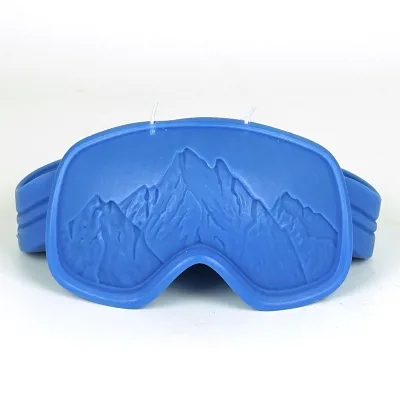
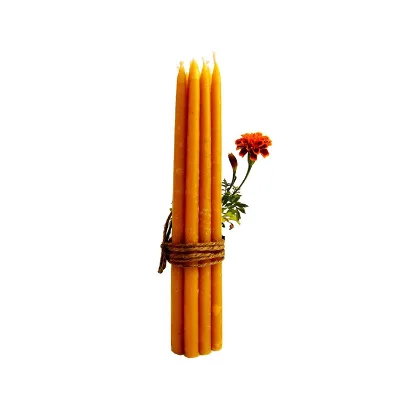
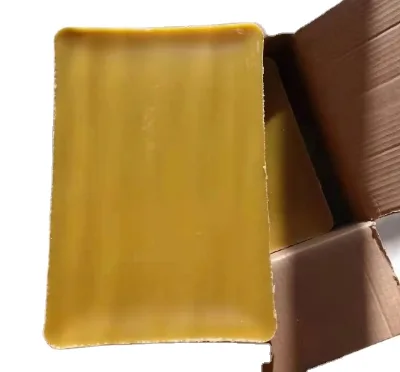


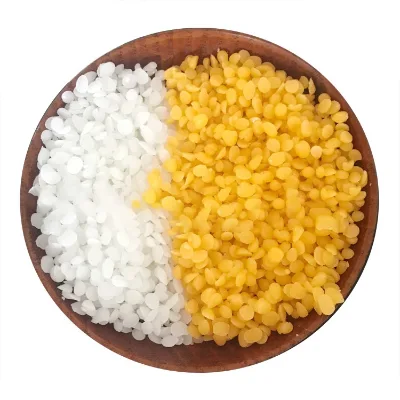


Comprehensive Sourcing Guide
Strategic Sourcing Guide for Molded Beeswax Candles
Understanding Product Variants and Core Specifications
When sourcing molded beeswax candles, buyers must first navigate the distinct variations in form, material composition, and intended application. The market presents a spectrum of products ranging from simple granules to complex, multi-dimensional shapes. Based on available industry data, the core material is consistently identified as pure beeswax, often marketed with attributes such as "100% organic" or "natural." This distinction is critical for buyers targeting religious, wellness, or premium home lighting markets where purity is a primary value driver.
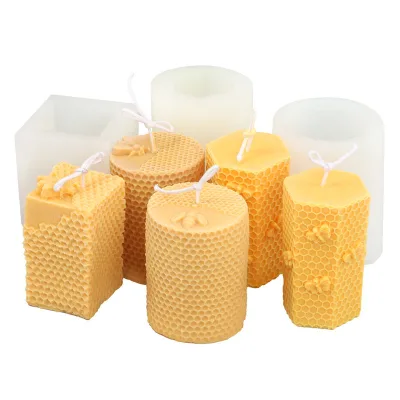
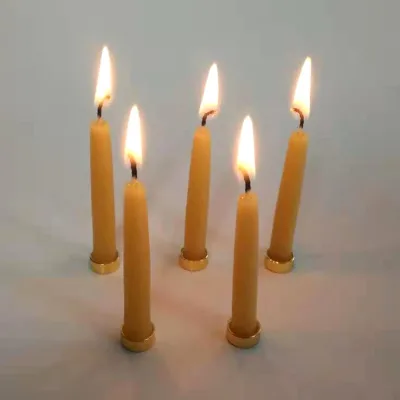
The physical configuration of these candles varies significantly. Observations indicate that molded beeswax candles are available in "stick shape" or "tapered" forms, which are traditional for Orthodox religious contexts. Conversely, other listings describe "pillar" shapes or "granule" forms, suggesting versatility in the molding process. The dimensions provided in current market listings offer a baseline for understanding scale, with specific examples citing sizes such as 2.2x20cm, 5x7.5cm, and 8x25cm. However, buyers should note that "standard" sizes are often flexible; some suppliers list dimensions as "custom" or require direct consultation with customer service for specific sizing requirements. This variability implies that the molding process is highly adaptable, allowing for bespoke production runs that deviate from standard catalog dimensions.
The manufacturing process itself is a key differentiator. While some products are explicitly labeled as "handmade," others are produced via "mold" processing. This distinction affects the final texture, consistency, and production speed. Handmade items often command a premium due to the labor intensity involved, whereas mold-processed candles offer higher volume potential and uniformity. The "Single package size" for bulk shipments can be substantial, with examples showing cartons measuring 54x35x24 cm and weighing up to 25 kg, indicating that logistics planning must account for significant volume even for relatively small individual items.
Technical Attributes and Functional Performance
The functional performance of molded beeswax candles is defined by their burning characteristics, scent profiles, and visual properties. A primary technical specification is the burning time, which varies based on the candle's mass and wick configuration. Market data indicates a typical burn duration of 2.5 to 3 hours for specific models, while others are designed for longer durations, such as 4-hour Orthodox candles. Buyers must verify the wick-to-wax ratio, as this directly influences the burn rate and the "cleanliness" of the flame, a critical factor for indoor air quality and safety.
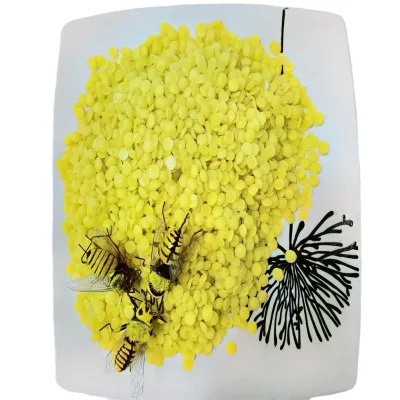
Color and scent are equally important technical parameters. Beeswax naturally possesses a yellow hue, which is often retained to emphasize its organic nature. However, the market also offers "customized colors" and "multi-colored" options, achieved through the addition of natural dyes during the molding phase. Regarding olfactory properties, some products are scented with specific blends like "Mint & Vanilla," while others remain unscented to preserve the natural aroma of the wax. The choice between scented and unscented variants depends heavily on the target application; religious ceremonies often prefer unscented candles to avoid conflicting with incense, whereas home decoration and spa markets frequently seek aromatic options.
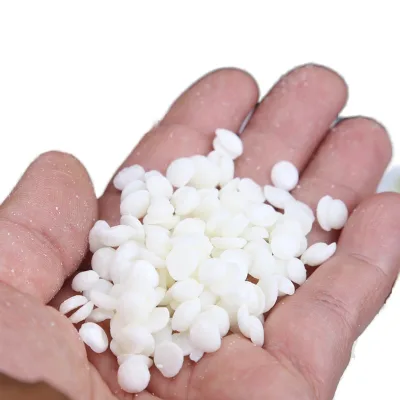
The shape and structural integrity of the candle are also technical considerations. The "stick shape" and "tapered" forms require precise molding to ensure the candle stands upright or hangs correctly without warping. The "pillar" style demands a different mold geometry to support the candle's own weight. Furthermore, the "granule" form suggests a raw material state or a specific type of candle designed for melting or crafting, rather than direct lighting. Buyers should request detailed technical sheets that specify the melting point, flash point, and viscosity of the beeswax used, as these properties determine the candle's stability in various ambient temperatures.
Compliance, Certification, and Regulatory Verification
Navigating the regulatory landscape for beeswax candles requires a rigorous approach to compliance and certification. While the supply chain data highlights "100% organic" claims, buyers must independently verify these assertions through recognized third-party certifications. The term "organic" is not self-regulated; it requires validation against standards such as USDA Organic, EU Organic, or equivalent national standards depending on the destination market. Without explicit certification documentation, these claims remain marketing observations rather than verified facts.
Safety compliance is another critical area. Candles are classified as consumer goods and must meet fire safety standards in their target regions. In the United States, this often involves adherence to ASTM International standards, while the European Union requires compliance with the General Product Safety Regulation (GPSR) and specific flammability tests. Buyers should verify that the supplier has conducted flammability tests and can provide test reports. Additionally, the "natural" and "organic" claims may trigger specific labeling requirements regarding ingredient disclosure and allergen warnings, particularly if the candles are scented.
Environmental and ethical sourcing is increasingly a compliance requirement. Beeswax is an agricultural product, and buyers should inquire about the supplier's sourcing practices regarding beekeeping. Ensuring that the beeswax is sourced from sustainable apiaries helps mitigate risks related to environmental degradation and supports ethical trade practices. While the provided data mentions "Tianjin, China" and "Hebei, China" as origins, buyers must confirm the specific factory locations and audit the supply chain for transparency. The absence of specific certification names in the source data means that buyers cannot assume compliance and must explicitly request certificates of analysis (CoA) and compliance statements from potential suppliers before placing orders.
Cost Drivers and Pricing Structure Analysis
The pricing of molded beeswax candles is influenced by a complex interplay of material costs, labor intensity, and order volume. The observed price range in the market spans from $0.15 to $57.05, a wide disparity that reflects differences in product complexity, size, and customization levels. The lower end of the spectrum likely corresponds to simple, small-scale items or bulk raw materials like granules, while the higher end represents premium, handcrafted, or large-scale decorative pieces.
Material quality is a primary cost driver. Pure, unrefined beeswax is more expensive than refined or blended wax. Suppliers offering "100% organic" or "natural" products often charge a premium due to the higher cost of raw materials and the stricter quality control required. Labor costs also play a significant role; "handmade" candles involve manual dipping or molding, which increases production time and cost compared to fully automated mold processes. The "handmade" attribute, while adding value, can also limit the supply ability, as seen in the data where some suppliers list a capacity of "3 twenty-foot container per Day," which may be constrained by the manual nature of the work.
Order volume and customization are additional factors affecting price. The Minimum Order Quantity (MOQ) ranges from 1 to 30,000 units, indicating flexibility for both small retailers and large distributors. However, higher customization levels, such as specific colors, scents, or unique shapes, typically increase the unit cost due to the need for dedicated mold setups and smaller production batches. Packaging costs also contribute to the final price; options range from simple "carton" shipping to elaborate "color box" packaging, which adds material and labor expenses. Buyers should analyze the total landed cost, including shipping and duties, rather than focusing solely on the unit price, as the wide MOQ range allows for strategic inventory management that can offset high per-unit costs.
Supplier Evaluation and Supply Chain Reliability
Evaluating suppliers for molded beeswax candles requires a focus on production capacity, logistical capabilities, and responsiveness. The supply chain data indicates that suppliers are located in key manufacturing hubs in China, specifically Tianjin and Hebei. These regions have established infrastructure for candle production, but buyers must verify the specific factory's capacity to meet their volume requirements. The "Supply Ability" of "3 twenty-foot container per Day" suggests a robust operation, but this figure should be cross-referenced with the supplier's current order book and lead times to ensure reliability.
Logistical competence is another critical evaluation metric. The "Port of dispatch" is listed as Tianjin, which is a major port, but buyers should confirm the supplier's experience with international shipping, particularly for fragile goods like candles. The "Packaging Details" are often listed as "as your require," indicating a willingness to customize packaging, but this flexibility must be balanced against the risk of damage during transit. Suppliers should demonstrate a track record of secure packaging, such as the "Ship in Carton" method, to prevent breakage.
Communication and customization capabilities are also vital. The "Customization" attribute is marked as "Available," but the extent of this customization varies. Some suppliers offer "Customized colors" and "Custom" standards, while others may have limitations. Buyers should assess the supplier's responsiveness to inquiries and their ability to provide samples for quality verification. The "Single package size" and "Single gross weight" data provide insight into the supplier's logistics planning, but direct communication is necessary to understand how they handle mixed SKUs and consolidated shipments. Finally, buyers should verify the supplier's business history and financial stability to mitigate the risk of supply chain disruptions.
Quality Control and Long-Term Procurement Strategy
Implementing a robust quality control (QC) strategy is essential for maintaining product consistency in the Molded Beeswax Candle market. Given the natural variability of beeswax, buyers must establish clear acceptance criteria for color uniformity, burn time, and structural integrity. Visual inspections should be conducted to ensure that the "stick shape" or "pillar" forms are free from air bubbles, cracks, or uneven surfaces. For scented candles, olfactory testing is necessary to verify that the "Mint & Vanilla" or other blends are consistent and do not degrade over time.
Long-term procurement considerations involve building a sustainable relationship with suppliers that can adapt to changing market demands. The "Season" attribute is listed as "Whole Year," suggesting that beeswax candles are not strictly seasonal, but buyers should plan for fluctuations in raw material availability, particularly during peak beekeeping seasons. Diversifying the supplier base can mitigate risks associated with single-source dependency. Additionally, buyers should invest in building a relationship with suppliers who can provide continuous innovation in mold designs and scent profiles to keep their product offerings competitive.
Finally, buyers must consider the environmental impact of their procurement strategy. Sourcing from suppliers who adhere to sustainable beekeeping practices and use eco-friendly packaging aligns with growing consumer demand for responsible products. Regular audits and performance reviews of suppliers will help ensure that quality standards are maintained over time. By focusing on these strategic elements, buyers can secure a reliable supply of high-quality molded beeswax candles that meet both functional and ethical requirements.
FAQs
What is the burning time for these molded beeswax candles?
The burning time typically ranges from 2.5 to 3 hours for standard models, while specific Orthodox varieties offer a 4-hour duration. This duration depends on the candle's mass and wick configuration, which varies by the specific model number and size selected.
Can I order customized colors for these beeswax candles?
Yes, customized colors are available for these molded beeswax candles, including options beyond the natural yellow hue. Buyers can request specific color variations, though natural beeswax often retains its original yellow color to emphasize its organic nature.
Which manufacturing process is used for these candles?
These candles are produced using a mold processing method, though some listings also highlight handmade attributes. The process allows for various shapes like tapered sticks or pillars, with packaging details often customized to the buyer's specific requirements.
What is the minimum order quantity for these candles?
The minimum order quantity ranges from 1 unit up to 30,000 units depending on the supplier and customization level. This flexibility allows buyers to start with small single-item orders or scale up to large bulk shipments for distribution.
Where are these molded beeswax candles manufactured?
These candles originate from manufacturing hubs in China, specifically located in Tianjin and Hebei provinces. The port of dispatch is typically Tianjin, facilitating international shipping for orders placed with suppliers in these regions.
What materials are used to make these candles?
The primary material used is pure beeswax, often marketed as 100% organic or natural. Some products are explicitly described as handmade beeswax candles, ensuring the use of high-quality wax without synthetic blends for religious or home lighting applications.