Source Molded Rubber Parts for Industrial, Medical, and Auto applications
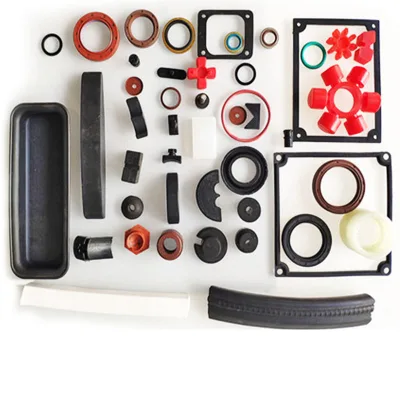
Compare 30 available options for Molded Rubber Parts tailored to industrial, medical, and automotive needs. Buyers can evaluate natural rubber and EPDM materials with customizable hardness and sizes to meet specific design requirements.
Key considerations
Products List




Comprehensive Sourcing Guide
Strategic Sourcing Guide for Molded Rubber Parts
Procuring Molded Rubber Parts requires a disciplined approach that balances technical performance with supply chain reliability. The market offers a diverse array of materials, from natural rubber to specialized synthetics like EPDM, each serving distinct industrial needs. Buyers must navigate a landscape where customization is standard, yet consistency in quality and compliance is paramount. This guide outlines the critical factors for sourcing these components effectively, focusing on verified attributes, material science, and supplier vetting processes.
Material Selection and Technical Specifications
The foundation of a successful rubber component order lies in selecting the correct material base. The supply chain currently features two primary categories: natural rubber and synthetic options like EPDM. Natural rubber is frequently cited for its resilience and is often used in industrial rubber slabs and flooring applications. It is characterized by high tensile strength and excellent elasticity. In contrast, EPDM (Ethylene Propylene Diene Monomer) is highlighted for its specific utility in medical, household, electronic, vehicle, agricultural, and industrial settings. The choice between these materials dictates the part's resistance to environmental stressors.
Hardness is a critical technical specification that varies significantly based on application requirements. While some products offer customized hardness levels, specific ranges such as 50A to 90A on the Shore A scale are observed in the market. This range allows for parts that can absorb impact or provide structural rigidity. Buyers should verify the exact durometer required for their specific use case, as a part designed for a vibration-dampening mount will differ vastly from one intended for a static seal.
Dimensions and geometry are equally flexible in the current market. Suppliers often accommodate "Any Size" and "Any Type" requests, allowing for bespoke molding solutions. Standard model numbers exist, such as HJ-SRP003, HJ-RP211115001, and YB series identifiers, but the prevailing trend is toward custom manufacturing according to drawings or specific client requirements. Whether the need is for a simple pad or a complex automotive part, the ability to specify exact dimensions is a key feature of modern rubber molding services.
Compliance, Certification, and Regulatory Standards
In the B2B sector, certification is not merely a formality but a prerequisite for market access and liability protection. Reputable suppliers typically hold ISO-9001 certification, which serves as a baseline for quality management systems. Beyond general quality assurance, specific product certifications are essential depending on the end-use industry. The presence of SGS, REACH, RoHS, and CE marks indicates that the materials have undergone rigorous testing for hazardous substances and environmental safety.
For medical and food-adjacent applications, compliance with REACH and RoHS is particularly critical to ensure the absence of restricted substances. In industrial contexts, certifications like ISO-9001 and SGS provide assurance regarding the consistency of the manufacturing process. Buyers must verify that the supplier's certificates are current and applicable to the specific batch of goods being ordered. It is important to note that while many suppliers list these certifications, the scope of coverage can vary. Therefore, procurement teams should request valid certificate copies that explicitly cover the materials and processes used for the specific order.
Cost Drivers and Pricing Structures
The pricing of Molded Rubber Parts is influenced by a complex interplay of factors, including material costs, order volume, and customization complexity. The observed price range in the market spans from 0 to 18 USD per unit, though this figure is highly variable and dependent on the specific configuration. Several key drivers influence the final cost. First, the raw material type is a primary factor; natural rubber and EPDM have different market prices that fluctuate with global commodity trends.
Second, the level of customization significantly impacts pricing. While standard models may be available at lower price points, parts requiring custom molds, specific color formulations (such as red, black, or white), or unique hardness levels incur additional tooling and setup costs. The "Acceptable" logo and branding options also add a layer of customization that affects the unit price.
Order volume is another critical cost driver. The market observes a wide range of Minimum Order Quantities (MOQ), extending from 1 unit to 10,000 units. Small orders are generally accepted, which benefits prototyping and low-volume production runs, but the unit cost for these smaller batches is typically higher due to fixed setup costs being amortized over fewer units. Conversely, large-scale orders can leverage economies of scale, potentially reducing the per-unit cost. Buyers should analyze their total cost of ownership, including logistics and inventory holding costs, rather than focusing solely on the unit price.
Typical Applications and Performance Requirements
Molded Rubber Parts serve a vast array of industries, each with unique performance demands. The versatility of these components is evident in their application across medical, household, electronic, vehicle, agricultural, and industrial sectors. In the automotive industry, rubber parts are frequently used for auto parts, where they must withstand oil exposure, temperature fluctuations, and mechanical stress. The "Oil-Resistant Rubber Slab" attribute highlights a specific performance requirement for parts that may come into contact with lubricants or fuels.
Industrial applications often demand durability against harsh environmental conditions. Features such as corrosion resistance, wear resistance, heat resistance, cold resistance, and impact resistance are standard expectations for parts used in heavy machinery or outdoor environments. Insulating properties are also crucial for electrical applications, where rubber serves as a dielectric barrier. For flooring and slab applications, the focus shifts to wear resistance and the ability to provide a stable, non-slip surface.
The performance of the final product is directly linked to the material selection and the precision of the molding process. For instance, a part used in a medical device must meet strict purity and biocompatibility standards, while a part used in agricultural machinery must resist UV degradation and chemical exposure from fertilizers. Buyers must clearly define the operating environment of the part to ensure the selected material and design can withstand the specific stresses it will encounter.
Supplier Evaluation and Operational Capabilities
Evaluating a supplier for Molded Rubber Parts requires looking beyond the product catalog to assess operational capabilities and reliability. The supply chain is dominated by manufacturers based in China, with specific hubs in Zhejiang province. The ability to produce parts according to custom drawings is a standard capability, but the lead time for these custom orders is a critical metric. Typical lead times range from 15 to 20 days, referenced against the design approval. Buyers must factor this timeline into their production schedules, especially for urgent orders.
Packaging and logistics are also vital components of supplier evaluation. Standard packaging often involves cartons placed on pallets, or export-specific packing designed to prevent damage during transit. The port of dispatch is frequently listed as Shanghai or Ningbo, which are major shipping hubs. Suppliers with a supply ability of up to 1,000,000 pieces per day demonstrate significant capacity, but buyers should verify if this capacity is available for their specific order size and timeline.
After-sales service is another differentiator. A commitment to "Great After-Sales Service" suggests that the supplier is prepared to handle issues related to quality discrepancies, delivery delays, or design modifications. This support is essential for maintaining a stable supply chain. Additionally, the acceptance of small orders indicates a flexible approach to client relationships, which can be beneficial for startups or companies testing new product lines.
Quality Control and Long-Term Procurement Considerations
Ensuring the long-term success of a rubber part procurement strategy requires a robust quality control framework. While suppliers may claim adherence to standards, buyers should implement their own verification processes. This includes requesting material test reports that confirm the hardness, tensile strength, and chemical resistance of the delivered parts. The ability to customize the product standard, such as specific dimensions like 10cm x 5cm x 5cm, must be validated against the actual delivered goods.
Long-term procurement considerations involve building a relationship with a supplier who can scale with the buyer's needs. The flexibility to accept single items or large bulk orders allows for a phased approach to production. However, consistency in quality across batches is paramount. Buyers should establish clear acceptance criteria based on the observed features, such as color consistency (red, black, white) and the absence of defects like flash or voids.
Furthermore, the supply chain's resilience should be assessed. With lead times of 15-20 days, any disruption in raw material supply or production capacity can impact delivery schedules. Buyers should maintain a buffer stock or develop a secondary supplier strategy to mitigate these risks. The availability of certifications like ISO-9001 and SGS provides a baseline for quality, but ongoing communication and regular audits are necessary to ensure that the supplier maintains these standards over time. By focusing on these operational and quality aspects, buyers can secure a reliable supply of Molded Rubber Parts that meet their technical and commercial requirements.
FAQs
What materials are used for Molded Rubber Parts?
Natural rubber and EPDM are the primary materials used. Natural rubber is common for industrial slabs, while EPDM serves medical and automotive applications.
Can I request custom hardness levels for rubber parts?
Yes, customized hardness is available for most orders. Specific ranges like 50A to 90A Shore A are observed, but custom specifications can be made according to drawings.
What certifications do these rubber parts suppliers hold?
Suppliers typically hold ISO-9001, SGS, REACH, RoHS, and CE certifications. These ensure quality management and compliance with hazardous substance restrictions for various industries.
How long is the lead time for custom orders?
The lead time is typically 15 to 20 days. This duration is referenced against the design approval and depends on the specific customization requirements provided.
What is the minimum order quantity for these parts?
Small orders are accepted with an MOQ range of 1 to 10,000 units. This flexibility allows for prototyping as well as large-scale industrial production runs.
Where are the manufacturers of these rubber parts located?
Manufacturers are primarily located in China, with specific hubs in Zhejiang. Products are often dispatched from major ports like Shanghai or Ningbo.
What packaging options are available for shipping rubber parts?
Standard packaging includes cartons on pallets or export-specific packing. Custom packaging per requirement is also acceptable to ensure safe transit of the goods.