Source Nail Drill for Home, Salon, and Industrial Use
Explore 30 available Nail Drill options from verified suppliers. Buyers can compare specifications, materials, and prices to find the right tool for home, salon, or industrial applications.
Key considerations
Products List

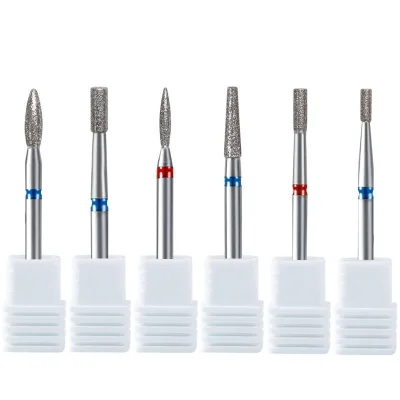
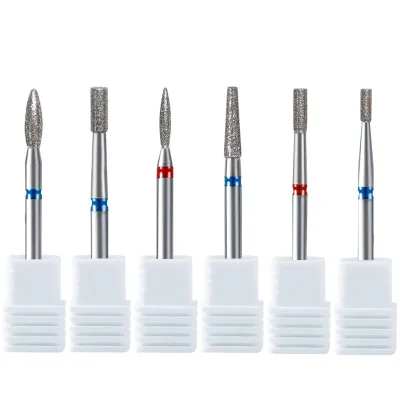
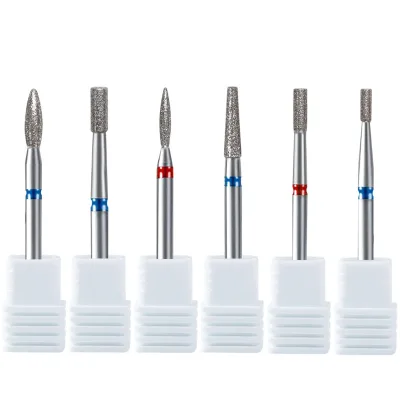
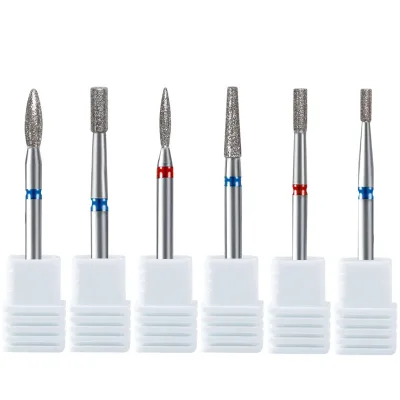
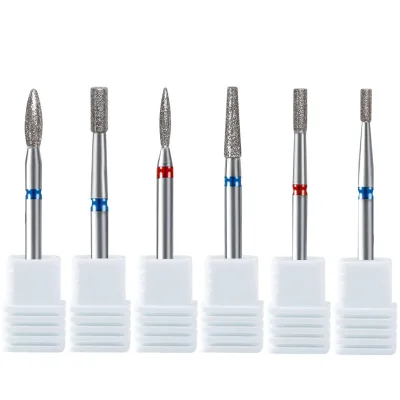
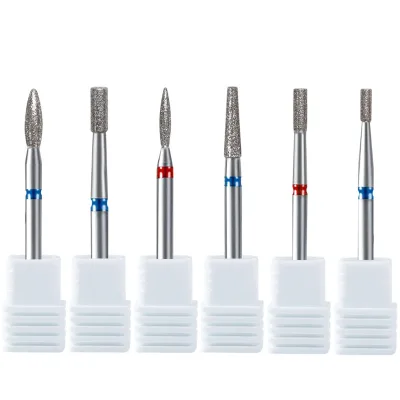


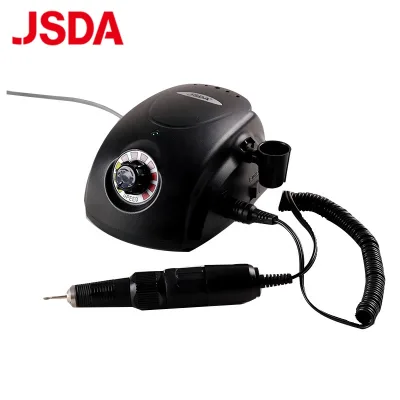
Duofu Versatile Nail Drill: Small, Powerful, and Available in Various Colors
$17.99 - $22.99
MOQ: 1 Pieces
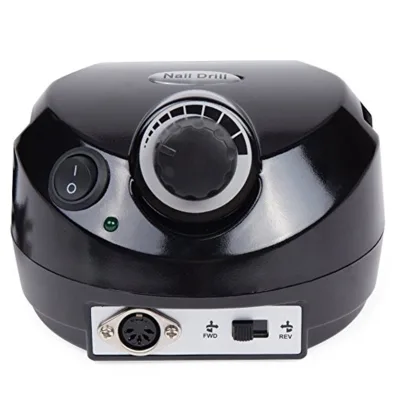
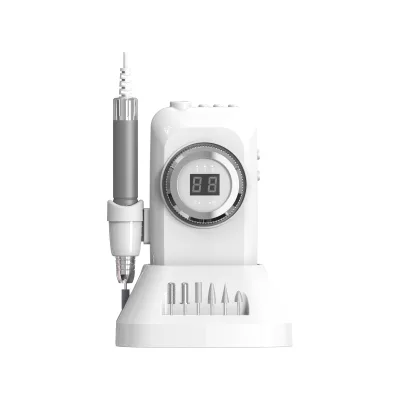


Comprehensive Sourcing Guide
Nail Drill Sourcing Guide
Sourcing nail drills requires a clear distinction between industrial-grade abrasive tools and professional beauty equipment, as the terminology often overlaps in global marketplaces. Buyers must first determine whether the procurement need involves high-speed rotary tools for manicure and pedicure services or abrasive grinding bits used in construction and metalworking. The market data indicates a wide variance in product types, ranging from electric grinders with specific wattage ratings to diamond-coated drill bits designed for precision work. Understanding this fundamental categorization is the first step in defining technical requirements, ensuring that the selected equipment matches the intended operational environment, whether that be a salon, a workshop, or a manufacturing facility.
The second critical consideration is the alignment of power specifications and physical dimensions with the intended user interface. Observed listings reveal products with power ratings such as 10W, which typically correspond to handheld or desktop units used for detailed surface preparation or cosmetic nail care. Conversely, other entries may refer to the dimensions of the abrasive material itself, such as specific grit sizes or cylindrical shapes, rather than the motor unit. Procurement teams must verify if the "Nail Drill" refers to the complete motorized system or merely the replaceable drill bits and accessories. This distinction dictates the necessary infrastructure, including power supply compatibility, ergonomic handling requirements, and the frequency of consumable replacement, which directly impacts the total cost of ownership.
Product Scope and Observed Listing Signals
The observed product landscape for nail drills encompasses a diverse array of materials and configurations, reflecting the dual nature of the term in industrial and consumer contexts. Listings indicate the use of materials such as diamond, tungsten carbide, and steel, each serving distinct purposes in abrasion and cutting. Diamond-coated bits are often preferred for their durability and ability to maintain sharpness during prolonged use on hard surfaces, while tungsten carbide offers high hardness and heat resistance for metalworking applications. Steel-based products, such as concrete nails or common nails, represent a different category entirely, highlighting the importance of filtering search results to isolate actual rotary drilling tools from fasteners or unrelated hardware items.
Packing and branding signals provide additional context regarding the target market and volume expectations. Products are frequently packaged in cartons, boxes, or standard bulk packaging, with some listings specifying quantities like 2000 pieces per carton, which suggests a focus on wholesale or industrial distribution. Brand names such as Jaze Hardware appear in the data, indicating the presence of specialized hardware manufacturers. However, buyers should note that some listings may describe products as "Non-Customized" or "Minimalist" in design, which can imply standardized, off-the-shelf solutions rather than bespoke industrial equipment. These signals help buyers gauge whether a supplier is oriented toward high-volume commodity trading or specialized, value-added tool manufacturing.
Technical Specifications to Verify
When evaluating nail drills, the verification of power input and operational speed is paramount for ensuring compatibility with existing workshop or salon infrastructure. Buyers must confirm the voltage, frequency, and wattage of the motor unit, as discrepancies can lead to equipment failure or safety hazards. For instance, a listed power rating of 10W suggests a low-power device suitable for light-duty tasks, whereas higher-power industrial grinders may require different electrical connections. Additionally, the shape and size of the drill bits, such as cylindrical forms or specific dimensions like 9.5mm or 130mm lengths, must be matched to the chuck size of the drill motor. Mismatched components can result in poor performance, excessive vibration, or damage to the tool.
The material composition and grit size of the drill bits are critical factors that determine the efficiency and lifespan of the drilling operation. Diamond grit sizes, such as #150, #120, or #100, indicate the coarseness of the abrasive surface, with lower numbers typically representing coarser grits suitable for rapid material removal and higher numbers for finer finishing. Tungsten carbide bits are often selected for their ability to cut through hard metals or composites without dulling quickly. Buyers should verify the specific application for which the grit size is intended, as using the wrong grit can lead to inefficient drilling or premature wear. Furthermore, the model numbers, such as SK-ND01 or BH, serve as unique identifiers for cross-referencing technical datasheets and ensuring that replacement parts are compatible with the primary unit.
Compliance and Safety Documentation
Safety compliance is a non-negotiable aspect of sourcing nail drills, particularly given the high-speed rotation and potential for debris ejection associated with these tools. Buyers must ensure that the equipment meets relevant electrical safety standards for the destination market, such as CE marking for European Union compliance or other regional equivalents. While some listings mention certifications like ISO9001, this primarily indicates that the manufacturer has a certified quality management system, rather than certifying the product itself for safety. Therefore, procurement teams must request specific product safety test reports, including insulation resistance, dielectric strength, and mechanical integrity tests, to verify that the drill meets operational safety requirements.
Documentation regarding the materials used in the drill bits and the motor housing is also essential for regulatory compliance and worker safety. If the product contains hazardous substances, compliance with regulations such as RoHS may be required, particularly for electronic components. Buyers should verify that the tungsten carbide or diamond coatings are applied using processes that do not introduce harmful chemicals into the workplace environment. Additionally, the presence of a polished or galvanized finish on metal components can indicate corrosion resistance, which is important for tools used in humid or chemically exposed environments. Ensuring that all safety documentation is up-to-date and verifiable helps mitigate liability and ensures a safe working environment for operators.
Cost Drivers and Commercial Terms
The cost of nail drills is influenced by several factors, including the material quality, manufacturing complexity, and order volume. Diamond and tungsten carbide bits generally command higher prices due to the expensive raw materials and specialized manufacturing processes required to produce them. In contrast, steel-based or common nail products may be more cost-effective, especially when purchased in large quantities. Buyers should analyze the price range in relation to the specified MOQ, as lower MOQs may result in higher per-unit costs. Understanding these cost drivers allows procurement teams to negotiate more effectively and align their purchasing strategy with their budget constraints and usage patterns.
Commercial terms, such as packaging specifications and shipping logistics, also play a significant role in the total landed cost. Products packaged in cartons or boxes may require different handling and storage considerations compared to bulk-packed items. Some listings specify packaging like 20-25kg per carton, which can impact shipping efficiency and handling costs. Buyers should also consider the origin of the products, as shipments from regions like Hebei, Jiangxi, or Shanghai may have different freight rates and lead times. Negotiating clear terms regarding packaging, labeling, and delivery schedules can help avoid unexpected costs and ensure that the supply chain operates smoothly.
Supplier Qualification and Quality Control
Supplier qualification is a critical step in ensuring the reliability and consistency of Nail Drill procurement. Buyers should verify the supplier’s certifications, such as ISO9001, to assess their commitment to quality management. However, certification alone is not sufficient; buyers must also evaluate the supplier’s production capabilities, quality control processes, and track record. Requesting samples for testing is a practical way to assess the actual performance of the drill bits and motors. Buyers should test for factors such as balance, vibration, cutting efficiency, and durability under typical operating conditions.
Quality control measures should be established to monitor the consistency of incoming goods. This may include implementing incoming inspection protocols to check for defects, dimensional accuracy, and material integrity. For products with customizations, such as specific grit sizes or branding, buyers should ensure that the supplier has robust processes to maintain consistency across batches. Regular audits of the supplier’s facility and quality management system can provide additional assurance of product reliability. By establishing clear quality expectations and monitoring mechanisms, buyers can minimize the risk of receiving substandard products and ensure that their operations run without interruption.
Long-Term Procurement Checks
Long-term procurement success depends on the ability to adapt to changing market conditions and technological advancements. Buyers should regularly review their supplier base to ensure that they remain competitive in terms of price, quality, and service. This may involve exploring new suppliers or negotiating better terms with existing partners. Additionally, staying informed about industry trends, such as the development of new abrasive materials or more efficient motor technologies, can help buyers make informed decisions about future purchases. By maintaining a proactive approach to supplier management, buyers can ensure that they have access to the best available products and services.
Sustainability and ethical sourcing are increasingly important considerations in long-term procurement strategies. Buyers should assess their suppliers’ environmental practices, such as waste management and energy efficiency, to ensure alignment with corporate sustainability goals. Additionally, verifying that suppliers adhere to labor standards and ethical business practices can help mitigate reputational risks. By integrating these considerations into their procurement processes, buyers can contribute to a more responsible and sustainable supply chain. Regularly reviewing and updating procurement policies to reflect these values ensures that the organization remains compliant and competitive in the global market.
FAQs
What materials are used for nail drills?
Nail drills are commonly made from diamond or tungsten carbide materials. Some products also feature steel components for durability. The specific material depends on the model and intended application for home or professional use.
Which certifications do these nail drills have?
Many Nail Drill products hold ISO9001 certification to ensure quality management standards. Some listings also reference ISO standards for general compliance. Buyers should verify specific certificates for each supplier to confirm product safety and reliability.
Can I customize the Nail Drill specifications?
Customization is available for certain Nail Drill models to meet specific buyer requirements. However, some products are listed as non-customized standard items. Buyers must check individual product pages to confirm if customization options apply to their selected model.
What is the minimum order quantity for nail drills?
The minimum order quantity varies significantly across different suppliers and product types. Observed ranges start from as low as 10 pieces up to 5000 pieces. Buyers should review specific product listings to determine the exact MOQ for their desired item.
Where are these nail drills manufactured?
Nail drills are manufactured in various locations including Hebei, Jiangxi, Shanghai, and Anqing in China. Some products also originate from Taiwan. The specific place of origin depends on the manufacturer and the particular product model selected.
How are nail drills packaged for shipping?
Packaging typically includes cartons, boxes, or standard cartons depending on the product type. Some items are packed in quantities like 2000 pieces per carton. Buyers should check the specific packing details for each product to ensure safe transport.
What power specifications do these nail drills have?
Some Nail Drill models operate with a power rating of 10W. Specific power requirements may vary based on the application and model number. Buyers should verify the power specifications listed for each product to ensure compatibility with their needs.