Source Nail Sticks for Manicure, Nail Art, and Toe Care
Source 30 Nail Sticks options for manicure, nail art, and toe care. Compare bamboo and customizable models from China with varying MOQs and packaging to find the right fit for your beauty supply needs; compare the available evidence and request quotations based on your requirements.
Key considerations
Products List

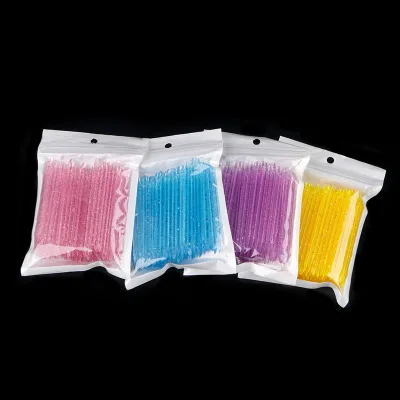
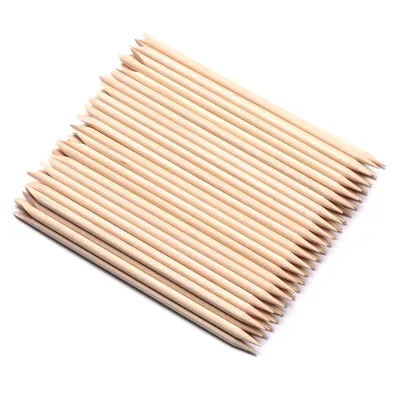


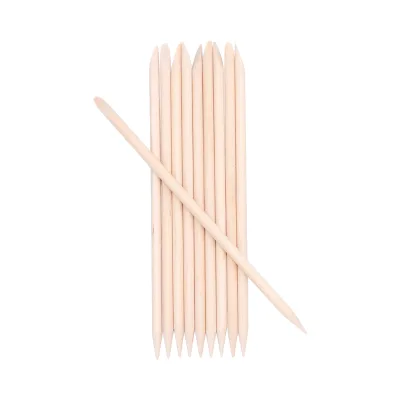


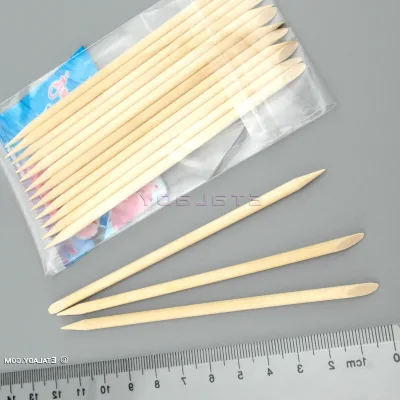


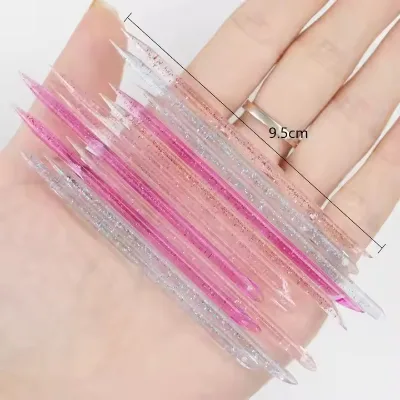


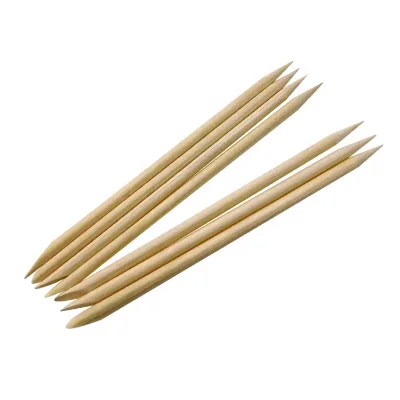
3.8mmx114mm Manicure Cleaning Wood Stick Nail Care Tools Nail Art Round Wooden Stick
$0.01 - $0.01
MOQ: 40000 Pieces


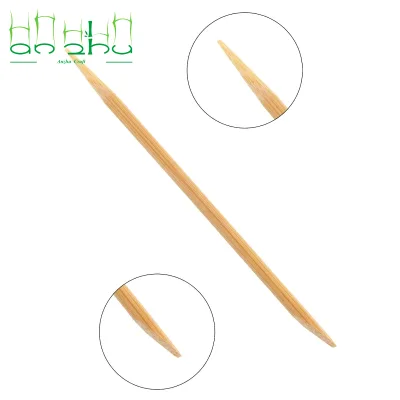
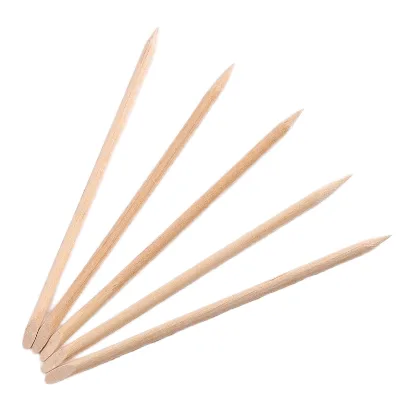
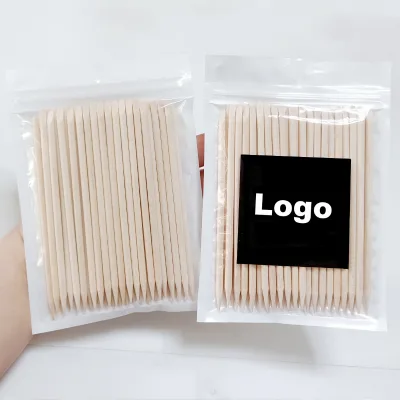


Comprehensive Sourcing Guide
Nail Sticks Sourcing Guide
Nail Sticks serve as essential tools for manicure and pedicure procedures, specifically designed for use on fingers and toes to push back cuticles or apply nail art. The observed market listings indicate a primary focus on nail care and decoration, with products often categorized under specific model numbers like RWNS-102 or MS6. Buyers should recognize that these items are frequently marketed as customizable solutions, allowing for variations in color and branding to suit specific salon or retail requirements.
Procurement strategies must account for the diverse packaging formats observed in the supply chain, ranging from simple poly bags to bulk cartons containing hundreds of units. The material composition is predominantly bamboo, which aligns with natural aesthetic preferences, though some listings suggest customizable color options including pink, yellow, blue, and silver. Understanding these physical attributes is critical for selecting the right product for specific application needs, whether for professional salon use or DIY beauty projects.
Product Scope and Observed Listing Signals
The product scope encompasses a wide range of specifications, with observed lengths varying from standard 9mm standards to longer 18cm variants suitable for different application depths. Listings frequently highlight customization availability, indicating that suppliers can tailor dimensions such as the 7.5*0.3cm size or adjust the single package size to meet specific logistical needs. This flexibility allows buyers to source products that fit precise operational requirements without being constrained by rigid standard dimensions.
Market signals reveal significant variation in minimum order quantities, with some suppliers offering low entry points of 100 pieces per bag while others require bulk commitments of up to 10,000 pieces. The observed price range is notably low, suggesting a highly competitive market where volume plays a decisive role in unit economics. Buyers must carefully evaluate these MOQ thresholds against their inventory turnover rates to avoid overstocking or facing prohibitive initial investment costs.
Technical Specifications to Verify
Verification of physical dimensions is paramount, as observed specifications include lengths of 9mm, 18cm, and customizable options that may differ from standard expectations. Buyers should confirm the exact single package size, which ranges from 12x15x2 cm to 15x10x5 cm, to ensure compatibility with existing storage and shipping infrastructure. The gross weight per unit is typically around 0.100 kg, a factor that influences freight calculations and overall logistics planning for international shipments.
Material integrity and finish are critical technical aspects, with bamboo being the primary material cited in the majority of listings. However, the presence of color options like natural, pink, yellow, and silver suggests that surface treatments or dyeing processes are common. It is essential to verify the consistency of these finishes and the structural strength of the bamboo to ensure the sticks do not splinter or break during use, particularly when applied to sensitive areas like the toe or finger cuticles.
Compliance and Safety Documentation
While specific certification data is limited in the provided context, the presence of SGS certification in some listings indicates a pathway for verifying product safety and quality standards. Buyers should explicitly request current SGS reports or equivalent third-party testing documents to confirm that the materials used, particularly the bamboo and any applied dyes, meet international safety requirements for cosmetic tools. This due diligence is necessary to mitigate risks associated with skin contact and potential allergic reactions.
Documentation regarding the origin of the product is equally important, as listings indicate production in regions such as Guangdong Foshan, Zhejiang, and Hubei. Verifying the place of origin helps in assessing the supply chain's stability and the manufacturer's adherence to local and international manufacturing standards. Buyers should ensure that all compliance documents clearly state the manufacturing location and confirm that the production processes align with the safety claims made in the product specifications.
Cost Drivers and Commercial Terms
The commercial landscape for Nail Sticks is heavily influenced by minimum order quantities, which can range from a single bag of 100 pieces to massive orders of 3,000,000 units. These volume thresholds directly impact the unit price, with higher volumes typically securing more favorable rates. Buyers must align their order size with their projected demand to optimize costs, as the observed price range of 0 to 24 USD suggests significant savings potential at scale.
Payment terms and delivery timelines are key components of the commercial agreement, with T/T (Telegraphic Transfer) being a standard payment method observed in the listings. Lead times are generally cited as 30 days, a factor that must be integrated into the procurement schedule to prevent stockouts. Additionally, the availability of samples allows buyers to validate quality before committing to large orders, a crucial step in managing financial risk and ensuring product suitability.
Supplier Qualification and Quality Control
Supplier qualification should focus on their ability to handle customization requests, as many listings explicitly state that OEM and ODM services are accepted. This capability is vital for brands seeking to differentiate their products through unique packaging, such as the 144 pieces per box format or specific carton configurations. Buyers should assess the supplier's flexibility in adapting to custom branding and packaging requirements to ensure a seamless integration into their supply chain.
Quality control processes must be rigorously defined, particularly regarding the consistency of the bamboo material and the precision of the cuticle stick dimensions. The observation of varying packing methods, from simple poly bags to bulk cartons, suggests that packaging integrity is a variable that requires strict oversight. Establishing clear quality acceptance criteria for defects, such as splintering or inconsistent coloring, is essential to maintain product standards and customer satisfaction.
Long-Term Procurement Checks
Sustaining a reliable supply chain requires regular audits of supplier performance against the agreed-upon delivery timelines and quality standards. The 30-day lead time observed in the market should be monitored closely to ensure that production schedules remain consistent over time. Any deviations in delivery performance can disrupt inventory levels, making it necessary to maintain open communication channels and contingency plans with the supplier.
Continuous evaluation of product specifications is also necessary to ensure that the Nail Sticks continue to meet evolving market demands and safety regulations. As customization options like color and size remain available, buyers should periodically review these offerings to ensure they align with current trends and customer preferences. Maintaining a proactive approach to supplier relationship management will help secure a stable supply of high-quality Nail Sticks for long-term business growth.
FAQs
What materials are used for Nail Sticks?
The primary material used for these Nail Sticks is bamboo. This natural material is selected for its durability and eco-friendly properties. The products are classified under nail care and decoration categories. They are designed for use on fingers and toes. The bamboo construction ensures a sturdy yet flexible tool for manicure tasks.
Can I customize the size of the Nail Sticks?
Yes, customization is available for these Nail Sticks. Buyers can request specific sizes to meet their unique requirements. The standard size is 7.5 by 0.3 cm, but other dimensions can be produced. The model numbers MS1 and MS6 offer different specifications. Customized options allow for tailored solutions for various beauty applications.
What is the minimum order quantity for these products?
The minimum order quantity varies by supplier and packaging type. One supplier lists an MOQ of 10,000 pieces, while another accepts just one bag containing 100 pieces. This flexibility allows buyers to start with smaller trial orders. The packaging options include poly bags and bulk packs. Buyers should confirm the specific MOQ with their chosen vendor.
How long does delivery take for these Nail Sticks?
The standard delivery time for these Nail Sticks is 30 days. This lead time applies to most standard orders placed with suppliers. Buyers should account for this duration when planning their inventory. The production origin is in China, specifically Guangdong Foshan and Hubei. Expedited shipping options may be available depending on the supplier's logistics.
Are these Nail Sticks certified for safety?
Yes, the products hold SGS certification, indicating compliance with safety standards. This certification ensures the materials and manufacturing processes meet quality requirements. The bamboo material is natural and suitable for beauty applications. Buyers can trust the safety of these Nail Sticks for professional use. The certification adds value for retailers and distributors in the global market.
What packaging options are available for bulk orders?
Several packaging options are available for bulk orders of Nail Sticks. Common choices include poly bags, OPP bags, and carton boxes. One supplier offers 144 pieces per box with 50 boxes per carton. Another option is 100 pieces per box with 10 boxes per carton. The packaging is designed to protect the sticks during shipping and storage.