Source Nail Drill Bit for Gel Removal, Acrylic Shaping, and Nail Art
Explore 30 verified listings for the Nail Drill Bit, comparing specifications like shank diameter, material composition, and voltage options. Buyers can evaluate suppliers offering tungsten carbide and alloy tools with CE and ROHS certifications for professional nail art and acrylic removal applications.
Key considerations
Products List










Comprehensive Sourcing Guide
Strategic Sourcing Guide for Nail Drill Bits in the Professional Beauty Sector
Understanding Technical Specifications and Shank Compatibility
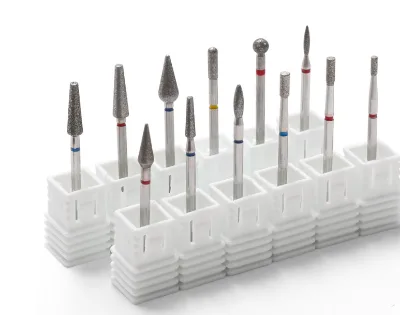
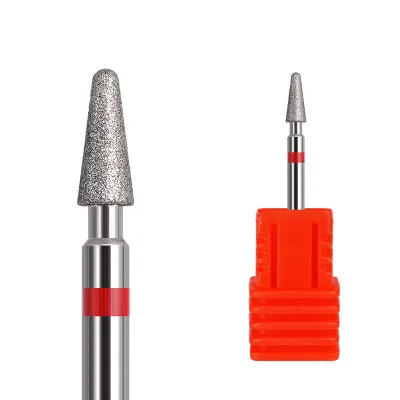
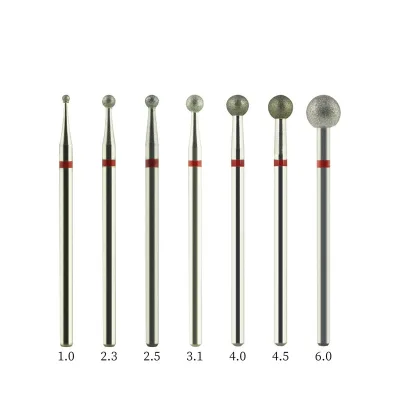
The Nail Drill Bit market is defined by precise mechanical tolerances, as the interface between the tool and the handpiece determines operational safety and efficiency. When sourcing these components, buyers must prioritize the shank diameter, which serves as the primary compatibility metric. Observed product data indicates a specific prevalence of the 3/32 inch (2.35 mm) shank size, a standard dimension that aligns with many professional electric nail drill models. However, the market also contains listings where the shank size is categorized as "Other," suggesting a fragmented landscape of proprietary or non-standard fittings. Procurement teams must verify the exact shank diameter required by their existing inventory of handpieces before placing orders, as a mismatch renders the bit unusable regardless of its cutting performance.
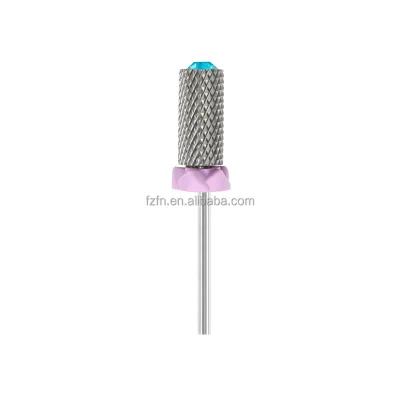
Material composition is the second critical technical factor. The supplied facts highlight a divergence in materials, with listings explicitly identifying "Alloy" and "Metal" as primary constituents. More specifically, the industry standard for high-performance bits often points to tungsten carbide, noted in the data as "tungsten carbide Nail Drill Bit." This material choice is essential for durability and the ability to cut through hard acrylics and gels without rapid dulling. Buyers should distinguish between generic metal bits and those specifically engineered with tungsten carbide tips, as the latter offers superior longevity in high-volume salon environments. The side type is another specification to note, with "Single" side types appearing in the data, which typically refers to bits designed for specific filing angles or unilateral cutting edges.
| Specification Category | Observed Data Points | Procurement Verification Requirement |
|---|---|---|
| Shank Diameter | 3/32" Inch (2.35 Mm) | Confirm fit with specific handpiece brand and model. |
| Material | Alloy, Metal, Tungsten Carbide | Verify if the bit is solid carbide or carbide-tipped. |
| Shank Size | Other | Request exact millimeter or inch measurements for non-standard items. |
| Side Type | Single | Determine if the bit requires specific directional filing techniques. |
| Model Number | GYNB-20210513WANG, GYNB-20210514WANG | Cross-reference with manufacturer catalogs for feature matching. |
Compliance, Certification, and Regulatory Standards
Navigating the regulatory landscape for beauty equipment requires rigorous attention to certification claims. The provided product attributes list specific certifications such as "CE ROHS" and "ISO," alongside a general mention of "CE." While these labels suggest adherence to European safety and environmental directives, buyers must treat these as observations rather than guaranteed compliance for every unit in a batch. The "CE" mark indicates conformity with health, safety, and environmental protection standards for products sold within the European Economic Area, while "ROHS" restricts the use of specific hazardous materials in electrical and electronic equipment.
The "ISO" certification mentioned in the data likely refers to an ISO 9001 quality management system, which indicates the supplier has established processes for consistent quality control. However, the data also notes a product condition of "New" and a standard of "DIN," which is a German Institute for Standardization designation. Buyers should verify if the "DIN" standard applies to the physical dimensions of the bit or the manufacturing process. It is crucial to request valid, up-to-date certification documents from the supplier rather than relying solely on product page descriptions. In the context of electric nail tools, the voltage specifications vary, with some units listed at "48 W" and others as "Other" or "Electric." This variance necessitates a check against the electrical standards of the destination market to ensure the power source is compatible and safe for local use.
Cost Drivers and Pricing Structure Analysis
The pricing dynamics for nail drill bits are influenced by a complex interplay of material costs, customization levels, and order volume. The observed price range in the market data spans from 0 to 100 USD, a wide variance that reflects the difference between single-item retail units and bulk wholesale transactions. The Minimum Order Quantity (MOQ) data reveals a similarly broad spectrum, ranging from 1 piece to 2000 units. This indicates that suppliers are flexible, catering to both small salon owners seeking single replacements and large distributors requiring bulk inventory.
A significant cost driver is the level of customization. The data presents a contradiction where "Customized" is listed as "Non-Customized" in one instance and "Available" in another, with some suppliers explicitly stating "We Provide OEM ODM." This suggests that while standard "normal" models are available at lower price points, bespoke designs involving custom branding, specific shank lengths, or unique grit patterns will incur higher costs. The "Selling Units" are often listed as "Single item," which can inflate the per-unit cost for small buyers. Conversely, bulk orders leveraging the higher end of the MOQ range (up to 2000) typically benefit from economies of scale. Buyers should also consider the packaging costs, as the data specifies "Plastic Box Inside and Carton Box Outside" or simply "Boxes/Cartons," which adds to the overall landed cost compared to loose bulk packaging.
Typical Applications and Functional Performance
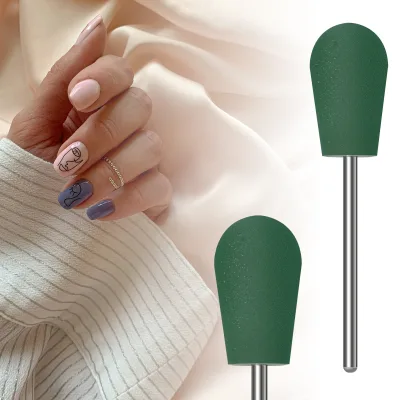
The functional versatility of nail drill bits is a key selling point for procurement managers looking to maximize inventory utility. The data explicitly categorizes the application as "Nail Art Beauty" and "Polish Gel Acrylic Nail Removing." This confirms that these tools are designed for professional manicure and pedicure services, specifically for the removal of hard materials like acrylic and gel polish. The "Feature" attribute notes "head cuts" and "forward/reverse use," indicating that the bits are engineered for bidirectional operation, allowing technicians to switch between cutting and polishing modes without changing the tool.
The "Style" is described as "Fashion, Newest," and the "Color" is listed as "As pictures" or a range of numbers (1-24), suggesting that aesthetic variety is a market expectation. While the color of the bit head is noted as "True Color," the primary performance metric remains the cutting efficiency. The "Operation System" is identified as "Hybrid," which may imply compatibility with both manual and electric power sources or a dual-function design. For buyers, this means the inventory can support a wide range of salon services, from basic nail prep to intricate nail art. However, the "Pattern" attribute is listed as "No," which clarifies that these bits are likely plain cutting tools rather than decorative or patterned bits used for specific artistic designs. Understanding these functional boundaries helps in selecting the right tools for specific service menus.
Supplier Evaluation and Geographic Sourcing
Geographic origin plays a significant role in the supply chain strategy for nail drill bits. The data identifies multiple points of origin, including "Nanchang, Jiangxi," "Jiangxi China," and "Anhui, China." These regions are known manufacturing hubs in China, often associated with a concentration of beauty tool producers. The presence of multiple locations suggests a competitive market with various suppliers operating in close proximity, which can facilitate logistics but also requires careful vetting to ensure quality consistency across different factories.
When evaluating suppliers, buyers should look for those offering "OEM/ODM" services, as indicated by the "Yes" response in the data. This capability allows for branding customization, which is essential for businesses building their own product lines. Payment terms are another critical evaluation metric, with "Paypal, Western Union, MoneyGram, T.T" listed as accepted methods. These options provide flexibility but also highlight the need for secure transaction protocols. The "Sample" availability is noted as "Sample Avaliable," a crucial feature for buyers to test quality before committing to large orders. Buyers should verify the lead times associated with these samples and bulk orders, although specific timeframes are not provided in the data. The "Brand Name" field shows variations like "CheeingBeauty" and "ZX," indicating that some suppliers operate under private labels while others may have established brand identities.
Quality Control and Long-Term Procurement Considerations
Ensuring long-term supply chain stability requires a robust quality control framework. The "Single gross weight" of 0.040 kg and "NET WT" of 30g provide baseline data for logistics planning, but the physical integrity of the bits is paramount. The "Standard" and "prod_standard" fields list "normal" and "1kg," which may refer to packaging weight standards rather than the product itself. Buyers must verify the actual durability of the tungsten carbide or alloy material through sample testing. The "Feature" of "head cuts" implies a specific cutting geometry that must be consistent across batches to ensure predictable performance.
Long-term procurement strategies should account for the "Customization" availability. If a business relies on a specific bit design, the supplier's ability to maintain that design over time is vital. The "Model Number" variations, such as "GYNB-20210513WANG," suggest that models are frequently updated or customized per order. Buyers should establish a clear specification sheet that locks in the model number, shank size, and material composition to prevent drift in product quality. Additionally, the "Packing" methods, described as "Plastic Box Inside and Carton Box Outside," should be evaluated for their ability to protect the bits during shipping. Damage to the cutting edges during transit can render the product useless, so packaging integrity is a key quality control checkpoint.
In conclusion, sourcing nail drill bits requires a balanced approach that weighs technical specifications, regulatory compliance, and supplier capabilities. By focusing on the verified data points regarding shank dimensions, material composition, and certification claims, buyers can make informed decisions that align with their operational needs. The wide range of MOQs and price points offers flexibility, but the variability in product attributes necessitates rigorous sample testing and clear communication with suppliers to ensure that the final procurement meets the high standards expected in the professional beauty industry.
FAQs
What materials are used for nail drill bits?
Nail drill bits are commonly made from alloy, metal, or tungsten carbide. The specific material depends on the model, with tungsten carbide offering superior durability for removing gel and acrylic polish.
Which shank diameter is most common for these bits?
The most common shank diameter is 3/32 inch or 2.35 mm. Some listings also show other sizes, so buyers must verify the exact fit for their specific handpiece model before purchasing.
Can I get customized nail drill bits from these suppliers?
Yes, customization is available for many suppliers offering OEM and ODM services. While some standard models are non-customized, buyers can request specific branding or design changes through the available customization options.
What certifications do these electric nail tools hold?
Products often carry CE, ROHS, and ISO certifications. These indicate compliance with safety and environmental standards, though buyers should verify specific documents for each batch to ensure regulatory adherence.
How does the minimum order quantity vary for these items?
Minimum order quantities range widely from 1 piece up to 2000 units. This flexibility allows small salons to buy single items while large distributors can secure bulk inventory at lower per-unit costs.
Where are these nail drill bits manufactured?
These products originate from manufacturing hubs in China, specifically Jiangxi and Anhui provinces. Locations include Nanchang in Jiangxi, indicating a concentrated supply chain for beauty tools in these regions.
What is the typical voltage for electric nail drill bits?
Voltage specifications vary, with some units rated at 48 W while others are listed as other or electric. Buyers must check the power source details to ensure compatibility with their local electrical standards.