Source Nail Gel Brush for Nail Art, Gel Polish, and Poly Gel
Explore 30 listings for Nail Gel Brush options including nylon, mink hair, and Kolinsky bristles with metal or plastic handles. Buyers can compare customization, certifications, and packing details for nail art beauty applications.
Key considerations
Products List




Comprehensive Sourcing Guide
Strategic Sourcing Guide for Nail Gel Brushes
The global market for professional nail art tools has expanded significantly, driven by the rise of salon services and DIY beauty trends. For procurement professionals sourcing nail gel brushes, the complexity lies in navigating a diverse range of product configurations, from single-use applicators to comprehensive professional sets. The supply chain for these items involves specific material science considerations, rigorous safety certifications, and variable manufacturing standards. This guide provides a structured approach to evaluating suppliers and products, ensuring that procurement decisions are grounded in verifiable data and industry best practices rather than marketing claims.
Technical Specifications and Material Composition
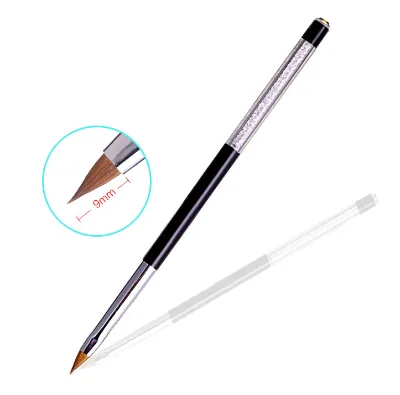
The performance of a Nail Gel Brush is fundamentally determined by its material composition and physical dimensions. Procurement teams must distinguish between brushes designed for liquid acrylics, gel polish, and poly gel applications, as the bristle density and shape vary accordingly. In the current market, bristle materials are predominantly categorized into synthetic options like nylon and natural options such as mink hair or kolinsky. Nylon brushes are often selected for their durability and cost-effectiveness, while natural hair brushes, particularly those labeled as kolinsky, are prized for their superior fluid retention and fine point control required for intricate nail art.
The handle material is another critical specification that affects user ergonomics and product longevity. Metal handles are frequently observed in professional-grade sets, offering a sleek aesthetic and resistance to solvent degradation common in gel products. Conversely, plastic handles are common in entry-level or disposable sets, providing a lighter weight and lower cost. The physical dimensions of the brush, including the ferrule size and bristle length, must align with the specific application. For instance, standard poly gel applications may require brushes with specific dimensions, such as those approximating 3.2cm in width and 8.2cm in length, to ensure proper coverage and manipulation of the gel material.
| Attribute Category | Common Observation | Procurement Verification Point |
|---|---|---|
| Bristle Material | Nylon, Mink Hair, Kolinsky | Verify fiber type and origin; check for synthetic vs. natural blend ratios. |
| Handle Material | Metal, Plastic | Assess durability against chemical exposure and weight balance. |
| Brush Hardness | Soft Brush | Confirm hardness rating matches the intended gel viscosity. |
| Dimensions | 3.2cm x 3.2cm x 8.2cm (approx.) | Request specific dimensional drawings for custom orders. |
| Packaging | PVC Tube, OPP Bag, Carton | Evaluate packaging integrity for shipping and retail presentation. |
Compliance and Certification Requirements
Safety and regulatory compliance are non-negotiable when sourcing beauty tools that come into direct contact with human skin and nails. The chemical nature of gel polishes and poly gels necessitates that the brushes and their packaging do not introduce harmful contaminants. Procurement teams should prioritize suppliers who can provide documented evidence of compliance with international safety standards. Common certifications observed in the industry include MSDS (Material Safety Data Sheet), GMPC (Good Manufacturing Practice for Cosmetics), CPNP (Cosmetic Products Notification Portal), and CE marking.
The presence of an MSDS is particularly critical, as it details the chemical composition of any coatings or adhesives used in the brush manufacturing process. GMPC certification indicates that the manufacturing facility adheres to strict hygiene and quality control protocols, which is essential for preventing cross-contamination. While some suppliers may list CE certification, buyers must verify the specific scope of this certification to ensure it covers the specific product category and intended market. Additionally, the origin of the product plays a role in compliance; products originating from regions with robust regulatory frameworks, such as Jiangxi or Guangzhou in China, often have established pathways for exporting compliant goods. However, the absence of a specific certification in a product listing should not be assumed to indicate non-compliance, but rather a need for direct verification with the supplier before finalizing an order.
Cost Drivers and Pricing Structures
Understanding the cost drivers for nail gel brushes is essential for budgeting and margin analysis. The price of these products is influenced by a combination of raw material costs, manufacturing complexity, and order volume. Natural hair brushes, such as those made from mink or kolinsky, command a significantly higher price point compared to synthetic nylon alternatives due to the scarcity and processing costs of the raw materials. Similarly, metal handles add to the production cost compared to plastic counterparts.
Order volume is perhaps the most significant variable affecting the final unit price. The market exhibits a wide range of Minimum Order Quantities (MOQ), typically spanning from 1 unit for sample orders to 10,000 units for bulk industrial procurement. Suppliers often structure their pricing tiers to reward larger commitments, with the MOQ for standard gel polish sets often starting around 300 pieces. Buyers should be aware that the observed price range in the market can vary drastically, from as low as $0.65 for basic single units to over $700 for comprehensive, high-end sets or bulk container loads. When negotiating, procurement professionals should clarify whether the quoted price includes packaging, such as PVC tubes or cartons, as these add material and labor costs. Furthermore, the complexity of customization, such as logo printing or custom bristle shapes, will introduce additional tooling or setup fees that must be factored into the total cost of ownership.
Typical Applications and Product Variants
Nail gel brushes serve distinct functions within the beauty industry, and selecting the correct variant is crucial for end-user satisfaction. The primary applications include the application of sugar gel polish, poly gel extensions, and detailed nail art. Sugar gel polish brushes often require a specific volume capacity, such as 15ml, to ensure the brush can hold enough product for a full nail application without frequent reloading. Poly gel sets are typically sold as complete kits, often including multiple brushes of varying sizes to handle different stages of the extension process, from base application to shaping and detailing.
The product model numbers, such as GYNB-20210510WANG or GUYO-20210517YK, often encode specific design features or batch information. These identifiers help buyers track inventory and ensure consistency across reorders. Color variations, such as rose gold, brown, or blue, are often aesthetic choices for the handle or packaging, but they do not typically affect the functional performance of the brush. However, the "full set" designation implies a comprehensive collection of tools, whereas "single" or "set" designations may refer to individual units or smaller groupings. Buyers must align their product selection with the specific needs of their target market; professional salons may require high-durability metal-handled sets, while retail consumers might prefer colorful, plastic-handled kits.
Supplier Evaluation and Service Capabilities
Evaluating a supplier goes beyond checking product specifications; it requires an assessment of their service capabilities and logistical reliability. A robust supplier should offer a comprehensive service package that includes sample provision, OEM (Original Equipment Manufacturer), and ODM (Original Design Manufacturer) options. This flexibility allows buyers to customize products with their own branding, such as custom logos, which is a common requirement for private label businesses. The availability of after-sales service is equally important, ensuring that any quality issues or logistical problems can be resolved promptly.
Logistics and shipping methods are critical components of the supplier evaluation. Reliable suppliers typically offer a range of shipping options, including DHL, EMS, FedEx, UPS, and TNT, as well as air and sea freight for larger volumes. The ability to ship via multiple carriers provides buyers with flexibility in balancing speed and cost. Additionally, the warranty period, which can extend up to two years for certain products, serves as an indicator of the supplier's confidence in their product quality. Buyers should also verify the supplier's location, as origins like Jiangxi and Guangzhou are known hubs for beauty tool manufacturing. However, the specific location should be cross-referenced with the supplier's ability to meet lead times and maintain consistent quality standards.
Quality Control and Long-Term Procurement
Implementing a rigorous quality control (QC) protocol is essential for maintaining brand reputation in the beauty sector. Given the direct contact with consumers, any defect in bristle shedding, handle integrity, or packaging leakage can lead to significant returns and negative reviews. Buyers should establish clear acceptance criteria based on the observed standards, such as the specific dimensions of 3.25mm x 3.25mm x 8.25mm for certain components. Regular third-party inspections or pre-shipment checks can help identify issues before the goods leave the factory.
Long-term procurement considerations involve building a sustainable supply chain that can adapt to market fluctuations. This includes diversifying suppliers to mitigate risk and maintaining open communication channels regarding production capacity and lead times. The packaging specifications, such as carton dimensions (e.g., 4538.531.5cm) and weight (e.g., 18.5kg per carton), are vital for logistics planning and storage optimization. Buyers should also consider the environmental impact of packaging materials, as the industry is increasingly moving towards more sustainable options. By focusing on these long-term factors, procurement professionals can ensure a stable supply of high-quality nail gel brushes that meet the evolving demands of the global beauty market.
FAQs
What materials are used for Nail Gel Brush bristles?
Nail gel brushes are commonly made from nylon, mink hair, or kolinsky. Nylon offers durability and cost-effectiveness, while natural hair options like mink and kolinsky provide superior fluid retention for intricate nail art applications.
Which handle materials are available for professional sets?
Professional Nail Gel Brush sets typically feature metal or plastic handles. Metal handles are preferred for their resistance to solvent degradation and sleek aesthetic, whereas plastic handles are common in entry-level or disposable kits.
Can I customize the logo on these nail gel brushes?
Yes, customization is available for nail gel brushes, including custom logo printing. Suppliers often offer OEM and ODM services to accommodate private label requirements for branding on the handle or packaging.
What certifications do Nail Gel Brush suppliers typically hold?
Many suppliers provide certifications such as MSDS, GMPC, CPNP, and CE. These documents verify compliance with safety standards and manufacturing hygiene protocols essential for products contacting human skin and nails.
How does the MOQ affect the pricing of nail gel brushes?
Minimum Order Quantities range from 1 to 10,000 units, significantly influencing unit pricing. Larger orders often secure lower per-unit costs, with standard sets sometimes requiring a minimum of 300 pieces for bulk pricing tiers.
What packaging options are used for shipping nail gel brushes?
Products are typically packed in PVC tubes, OPP bags, or cartons. Specific carton dimensions and weights vary, such as 45x38.5x31.5cm containing 270 pieces, ensuring integrity during international shipping via air or sea freight.
Which product models are available for poly gel applications?
Specific models like GYNB-20210510WANG and GUYO-20210517YK are available for various applications. These models often correspond to specific dimensions, such as 3.2cm by 8.2cm, suitable for poly gel manipulation and application.