Source Nano Hydroxyapatite Cosmetic Raw Material for Teeth, Skin, and Supplements
Find 30 listings for Nano Hydroxyapatite Cosmetic Raw Material from China. Compare purity options, particle sizes, and packaging details to identify suitable industrial and cosmetic grade suppliers for your formulation needs; compare the available evidence and request quotations based on your requirements.
Updated
Key considerations
Products List

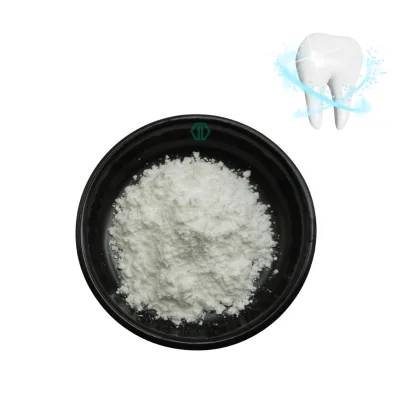
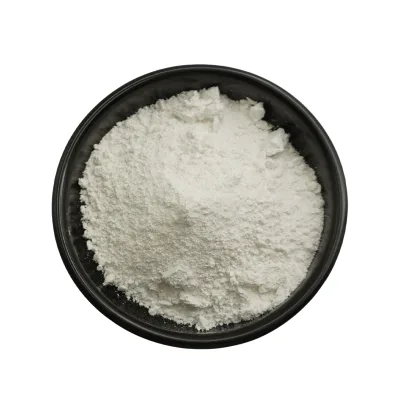
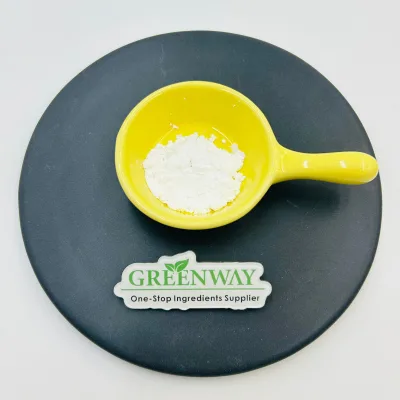
Wholesale Price Plants Nano Hydroxyapatite Powder Food Grade Hydroxyapatite
$28.7501 - $51.3382
MOQ: 1 kilograms
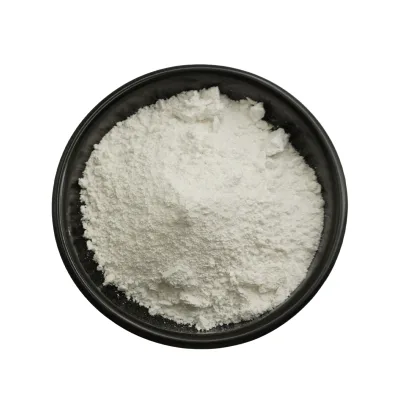
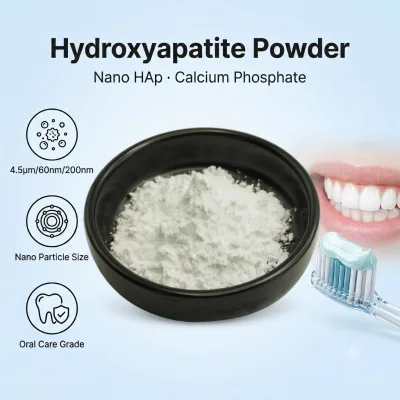

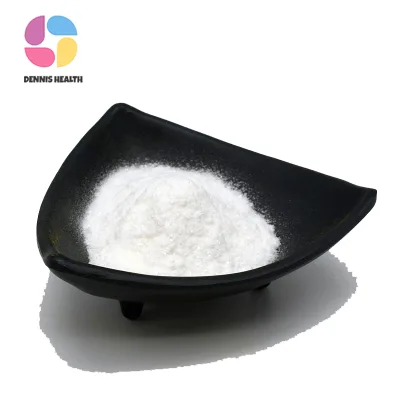
Skin Whitening Hydroxylapatite Cosmetic Raw Material Hydroxylapatite Powder
$25.6175 - $39.9626
MOQ: 1 Minimum
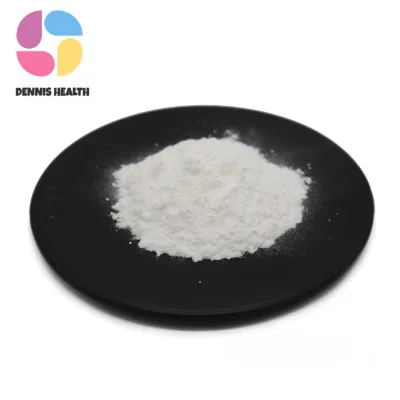
High Purity Cosmetic Grade Nano Hydroxyapatite Toothpaste Raw Materials Powder
$20.4653 - $30.6979
MOQ: 1 Minimum
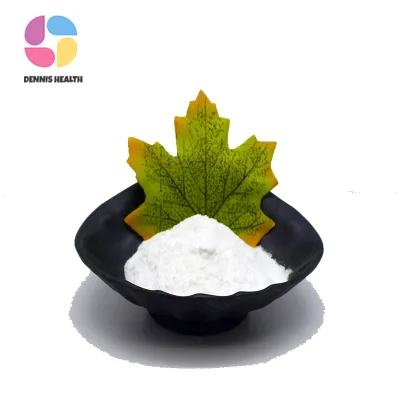
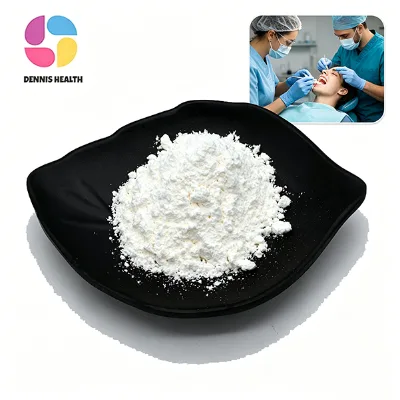
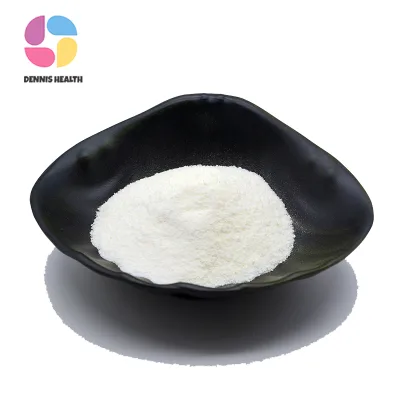
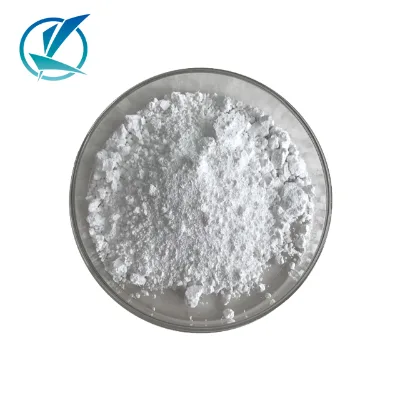
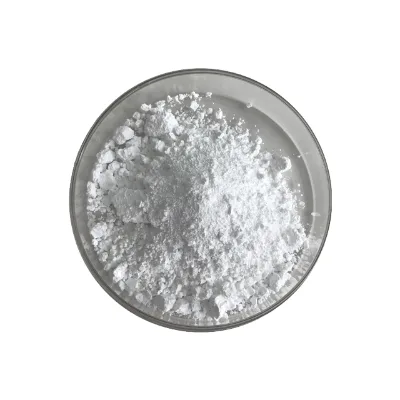
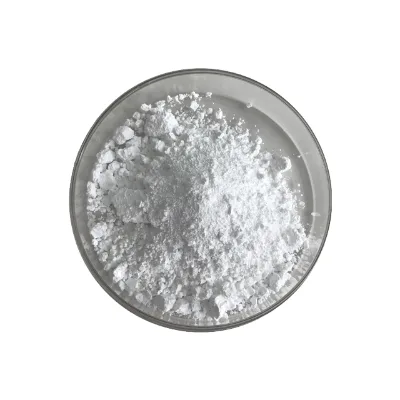
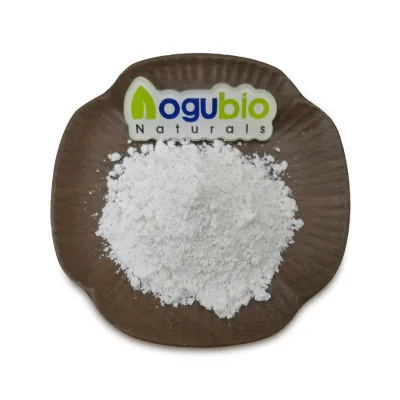
Factory Supply Nano-Hydroxyapatite Cometic Grade Whitening Nano Hydroxyapatite Powder
$43.9704 - $48.1577
MOQ: 1 kilograms
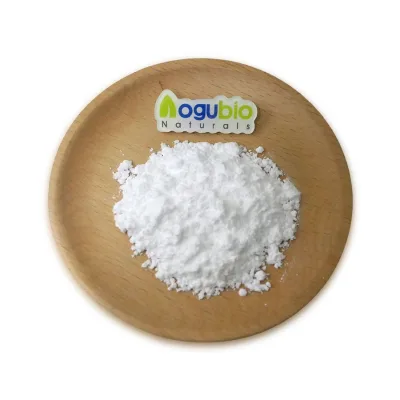
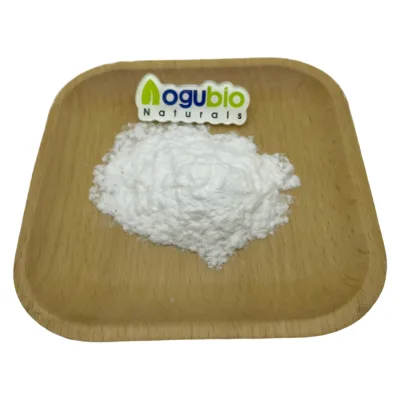
AOGUBIO Supply Hydroxyapatite Toothpaste CAS 1306-06-5 Cometic Grade Hydroxyapatite Powder
$8.3761 - $12.5634
MOQ: 1 Minimum


Comprehensive Sourcing Guide
Nano Hydroxyapatite Cosmetic Raw Material Sourcing Guide
Sourcing nano hydroxyapatite for cosmetic formulations requires careful attention to particle size distribution and surface treatment capabilities. Buyers should prioritize suppliers who explicitly offer customization for particle size and surface modifications, as these factors directly influence the material’s interaction with skin and hair structures. The observed market signals indicate a strong availability of synthetic, artificial calcium phosphate sources, which provide consistent quality compared to natural extracts. Procurement teams must verify whether the supplier distinguishes between micro and nano grades, ensuring the selected material meets the specific rheological and aesthetic requirements of the final cosmetic product.
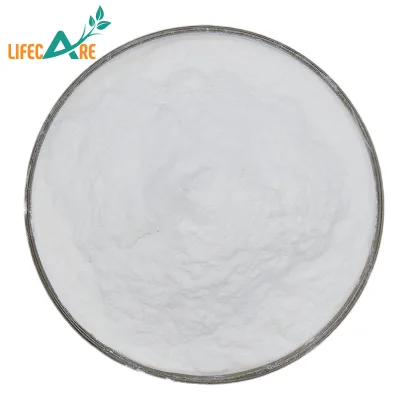
Commercial listings frequently highlight white fine powder appearances with high purity options, typically ranging from 95% to 99%. Buyers must distinguish between general industrial grades and those specifically certified for cosmetic applications, as the latter require stricter impurity controls. The presence of OEM and private label services suggests that many manufacturers are equipped to handle branded cosmetic raw material orders. However, procurement specialists should confirm that the customization options extend beyond simple packaging to include technical specifications that align with the cosmetic brand’s unique formulation needs and regulatory compliance standards.
Product Scope and Observed Listing Signals
The current market landscape for nano hydroxyapatite reveals a diverse range of product listings, primarily centered around synthetic calcium phosphate derivatives. Observed data indicates a price range of $8.38 to $330 USD, reflecting variations in purity, particle size, and packaging quantities. Buyers should note that minimum order quantities typically start at 1 kg, with sample availability being a common offering to facilitate initial testing. This low entry barrier allows cosmetic formulators to conduct small-scale trials before committing to larger bulk purchases, reducing the financial risk associated with introducing new raw materials into complex cosmetic recipes.
Packaging options vary from 1-25 kg foil bags to 25 kg kraft paper drums with inner plastic liners, designed to maintain product integrity during storage and transit. The observed shelf life is consistently listed as 24 months or 2 years, provided the material is stored in sealed, cool, dry places away from light. These packaging and storage requirements are critical for maintaining the stability of the nano-grade particles. Procurement teams must ensure that their logistics partners can adhere to these storage conditions to prevent degradation or agglomeration of the powder before it reaches the manufacturing facility.
Technical Specifications to Verify
Verification of particle size is paramount when sourcing nano hydroxyapatite, as it dictates the material’s efficacy and sensory profile in cosmetic applications. Buyers must confirm whether the product is micro grade or nano grade, with nano grades typically defined as having particles less than or equal to 200 nm. Some listings specify an 80 mesh pass rate, which may indicate a coarser fraction or a specific screening standard. It is essential to request detailed particle size distribution data from the supplier to ensure the material meets the precise technical requirements for smooth texture and effective delivery in skincare or hair care products.
Purity levels are another critical technical parameter, with options often listed as 95% or 99%. Buyers should verify the specific assay methods used, such as HPLC or UV analysis, to ensure the accuracy of the purity claims. Additionally, the molecular formula Ca10(PO4)6(OH)2 should be confirmed to distinguish true hydroxyapatite from other calcium phosphate variants. The loss on drying should be checked to ensure it remains within acceptable limits, typically ≤5.0%, to guarantee the material’s stability and consistency in formulation. These technical details are non-negotiable for maintaining product quality and regulatory compliance.
Compliance and Safety Documentation
Regulatory compliance is a cornerstone of sourcing cosmetic raw materials, and buyers must ensure that suppliers provide comprehensive safety documentation. A Certificate of Analysis (COA) is a standard requirement, verifying that the product meets the specified purity and safety standards. Buyers should also check for the EINECS number, such as 215-145-7, which aids in regulatory tracking and compliance with international chemical regulations. Ensuring that the material is classified correctly for industrial and cosmetic grades is vital to avoid legal issues and ensure the final product meets safety standards for consumer use.
Heavy metal limits are a critical safety concern, with lead levels typically required to be ≤10 ppm. Buyers must verify that the supplier conducts rigorous testing for heavy metals and other contaminants to ensure the material is safe for topical application. The CAS number 1306-06-5 should be cross-referenced to confirm the chemical identity and ensure it matches the intended hydroxyapatite specification. Additionally, buyers should inquire about any additional certifications or testing protocols that the supplier may offer to further validate the safety and quality of the nano hydroxyapatite powder.
Cost Drivers and Commercial Terms
Understanding the cost drivers for nano hydroxyapatite helps buyers negotiate better terms and forecast budget requirements accurately. The primary cost factors include the purity level, particle size customization, and packaging specifications. Higher purity grades and nano-sized particles typically command a premium due to the more complex manufacturing processes involved. Buyers should also consider the impact of customization options, such as surface treatments, which may add to the overall cost but can enhance the material’s performance in specific cosmetic applications.
Commercial terms such as MOQ and lead times are also significant factors in the total cost of ownership. With an MOQ of 1 kg and a delivery time of 3-7 days for ready stock, buyers can manage inventory more efficiently and reduce holding costs. However, larger orders may offer volume discounts, so procurement teams should evaluate the trade-off between inventory costs and unit price. It is also important to clarify whether the quoted prices include packaging and shipping costs to avoid unexpected expenses during the procurement process.
Supplier Qualification and Quality Control
Supplier qualification is essential to ensure a reliable supply chain for nano hydroxyapatite. Buyers should assess the supplier’s manufacturing capabilities, focusing on their ability to produce synthetic calcium phosphate with consistent quality. Verification of the supplier’s quality control processes, including routine testing for purity, particle size, and heavy metals, is crucial. Buyers should request samples and conduct their own testing to validate the supplier’s claims before establishing a long-term partnership. This due diligence helps mitigate the risk of receiving substandard materials that could compromise the final cosmetic product.
Quality control should also extend to the supplier’s packaging and storage practices. Buyers must ensure that the supplier uses appropriate packaging, such as foil bags or drums with inner liners, to protect the material from moisture and light. Inquiring about the supplier’s storage conditions and shelf life management practices can provide additional assurance of product stability. Establishing clear quality agreements with the supplier, including specifications for acceptable variations in product attributes, can help maintain consistency in the raw material supply and support the overall quality of the cosmetic formulations.
Long-Term Procurement Checks
Long-term procurement success depends on continuous monitoring of supplier performance and market trends. Buyers should regularly review the supplier’s delivery times, quality consistency, and responsiveness to issues. Establishing a schedule for periodic audits or quality reviews can help identify potential problems early and ensure that the supplier continues to meet the required standards. Additionally, staying informed about changes in regulatory requirements and industry standards is essential to ensure ongoing compliance and avoid disruptions in the supply chain.
Building a diversified supplier base can also mitigate risks associated with single-source dependencies. Buyers should explore alternative suppliers who offer similar nano hydroxyapatite products with comparable quality and compliance standards. This strategy provides flexibility in case of supply disruptions or price fluctuations. Furthermore, maintaining open communication with suppliers regarding future needs and potential customization requirements can foster a collaborative relationship that supports innovation and continuous improvement in cosmetic product development.
FAQs
What is the purity and particle size of Nano Hydroxyapatite Cosmetic Raw Material?
The product offers purity options of 95% or 99%, with particle sizes available in micro grade or nano grade up to 200nm. It appears as a white fine powder and is insoluble in water. This synthetic calcium phosphate is suitable for various industrial and cosmetic applications, ensuring high quality for formulation needs.
Can I get custom particle size and surface treatment for this powder?
Yes, customization is available for both particle size and surface treatment to meet specific formulation requirements. The supplier supports OEM and private label services, allowing for tailored solutions. This flexibility ensures that the Nano Hydroxyapatite Cosmetic Raw Material aligns perfectly with your unique product development goals and technical specifications.
What is the minimum order quantity and packaging for this product?
The minimum order quantity is 1 kg, with samples available for testing. Packaging options include 1-25 kg foil bags or 25 kg kraft paper drums with an inner plastic liner. This flexible MOQ and secure packaging ensure safe handling and storage, making it easy to start with small batches or scale up production.
How long is the shelf life and how should I store it?
The shelf life is 24 months when stored correctly. You must keep the product in a sealed, cool, dry place away from light. Proper storage maintains the integrity of the white powder, ensuring it remains effective for use in cosmetic raw materials and hair care chemicals throughout its designated period.
What certifications and safety standards apply to this hydroxyapatite powder?
The product comes with a Certificate of Analysis (COA) to verify quality. It meets safety standards with lead levels at or below 10 ppm. The material is identified by CAS No. 1306-06-5 and EINECS No. 215-145-7, providing traceability and compliance for industrial and cosmetic grade applications in your supply chain.
What is the delivery time for ready stock orders?
Delivery time is typically 3-7 days for ready stock items. This quick turnaround supports efficient inventory management for buyers needing Nano Hydroxyapatite Cosmetic Raw Material. The supplier maintains availability to ensure timely shipment, allowing you to integrate the product into your manufacturing processes without significant delays or supply chain disruptions.