Source Natural Anxiety Relief Probiotic Capsules for Stress, Sleep, and Mood
Compare 30 listings of Natural Anxiety Relief Probiotic Capsules from Chinese manufacturers offering various strains and dosages. Buyers can evaluate specifications like CFU counts, capsule shells, and certifications to find suitable stress management and sleep aid solutions.
Key considerations
Products List


Probiotic Capsules for Immune Health and Enhanced Nutrient Absorption
$0.13 - $0.15
MOQ: 300000 capsule


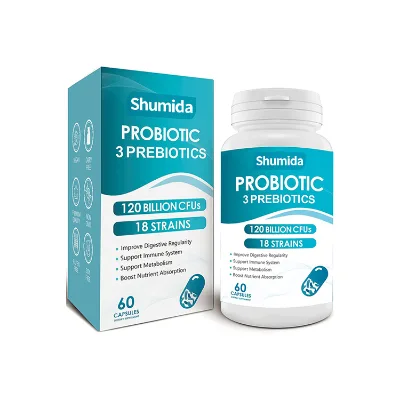


Probiotic Formula for Sensitive Stomach and Nutrient Absorption Health Food
$0.01 - $0.02
MOQ: 600000 Pieces

Advanced Probiotic Formula for Gut Health and Stress Relief Health Care Supplement
$0.44 - $0.49
MOQ: 300000 Pieces

Natural Probiotic Formula for Optimal Gut Health and Immunity Support
$0.44 - $0.49
MOQ: 300000 Pieces

Nutrition Supplement Probiotic Formula for Optimal Gut Health Support
$0.44 - $0.49
MOQ: 300000 Pieces
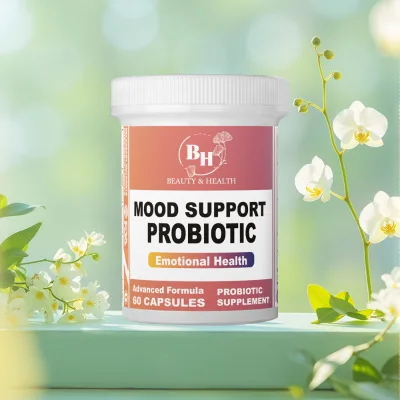


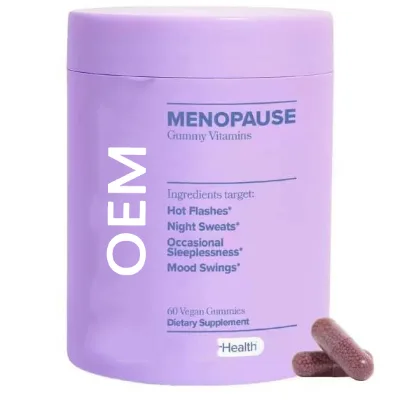

Nutrifirst OEM 3-Layer Probiotic Crystal Ball Capsule for Gut, Immune, Mental Health
$100.00 - $200.00
MOQ: 20 kg
Comprehensive Sourcing Guide
Strategic Sourcing Guide for Natural Anxiety Relief Probiotic Capsules
Understanding Product Specifications and Formulation Variability
When sourcing Natural Anxiety Relief Probiotic Capsules, buyers must first navigate a complex landscape of technical specifications that vary significantly between manufacturers. The core product category encompasses a diverse range of formulations, often identified by specific model names such as "Probiotic Supplement Capsules," "ProCap," or "OEM probiotics capsules." A critical observation in the current market is the variation in active substance content. While some high-potency formulations claim active substance content exceeding 90%, the specific colony-forming unit (CFU) counts differ widely across product lines. Buyers may encounter standards ranging from 60 billion CFU per capsule to 100 billion, and even up to 200 billion in specialized formulations.
The physical form of the product is equally variable. Although the core keyword specifies capsules, the broader category includes tablets, powders, drops, and sachets. For capsule-specific procurement, the capsule shell material is a vital specification. The market offers options using HPMC (hydroxypropyl methylcellulose), which is a plant-based alternative suitable for vegetarian and vegan formulations. The color of the final product typically ranges from white to yellow, often appearing as a white to yellow powder within the capsule. Furthermore, the serving size is a standard specification, commonly set at one capsule per serving, though bulk packaging may vary.
Buyers must also verify the nutrient composition. While the primary function is probiotic supplementation, many products in this category include added vitamins or are designed as multi-functional health care products. The identification of the specific probiotic strains is often linked to 16s rRNA analysis, a standard method for verifying bacterial identity. However, the exact strain names are not universally standardized in general listings, requiring buyers to request specific strain documentation from suppliers to ensure the product matches the intended "anxiety relief" mechanism.
Compliance, Certification, and Regulatory Standards
Navigating the regulatory landscape is essential for sourcing Natural Anxiety Relief Probiotic Capsules, particularly when importing from major manufacturing hubs like China. The supply chain for these products is characterized by a high degree of certification diversity. Reputable manufacturers often hold a portfolio of certifications including cGMP (current Good Manufacturing Practices), ISO standards, HACCP (Hazard Analysis and Critical Control Points), Halal, Kosher, and Organic certifications. These credentials are not merely marketing tools but are critical indicators of a supplier's adherence to quality management systems.
For entry into specific markets, such as the United States, FDA registration or compliance is frequently observed. Similarly, ISO certification ensures that the manufacturing process meets international quality standards. When evaluating a supplier, buyers should not assume that a single product listing satisfies all regulatory requirements. Instead, the procurement strategy must involve verifying that the specific batch or model being purchased carries the necessary certifications for the target market. The "Natural" designation in the product description implies that the resource is derived from natural sources, but this must be backed by Organic certification if that claim is to be legally substantiated in the destination market.
The standard for the product is another critical compliance factor. Listings often reference specific standards such as "100Billion" or "60Billion cfu/capsule." These numbers represent the potency standard rather than a regulatory safety limit. Buyers must ensure that the supplier's internal quality control aligns with these stated standards. Additionally, the application of the product is listed as "Health Care Products" or "Food," which dictates the regulatory pathway. If the product is marketed as a dietary supplement, it must comply with local supplement regulations, which often differ from food additive regulations.
Cost Drivers and Pricing Structure Analysis
The pricing structure for Natural Anxiety Relief Probiotic Capsules is influenced by several dynamic factors, resulting in a wide observed range of 0.01 to 350 USD per unit. This vast disparity is not indicative of quality variance alone but reflects differences in volume, formulation complexity, and packaging requirements. The primary cost driver is the MOQ (Minimum Order Quantity), which ranges from as low as 1 unit for sampling to 600,000 units for large-scale industrial procurement.
Buyers should anticipate that lower unit prices are typically associated with higher volume orders. For instance, an MOQ of 50 bottles or 100 bottles may command a different price point compared to bulk orders of 600,000 units. The packaging material also significantly impacts cost. While standard packaging involves cartons, premium options may include double-layer aluminum foil bags or foam boxes within cartons to ensure stability. The choice between plastic packaging and aluminum foil can alter the final cost due to material expenses and the additional protection required for live cultures.
Another significant cost factor is the customization level. The market offers extensive customization options, allowing buyers to tailor the formulation, dosage, and branding. Customization often incurs additional setup fees or higher per-unit costs compared to standard off-the-shelf products. The inclusion of specific certifications, such as Halal or Organic, can also add to the production cost, as these require specialized sourcing and auditing processes. Buyers must balance the desire for premium features against the budget constraints, understanding that the "natural" and "anxiety relief" positioning often commands a premium over generic probiotic supplements.
Typical Applications and Target Demographics
The application of Natural Anxiety Relief Probiotic Capsules extends beyond simple supplementation, targeting specific health outcomes and demographic groups. The primary function of these products is often listed as stress management, sleep aid, mood boosting, and mood regulation. Some advanced formulations are specifically marketed with the function of preventing depression and anxiety, leveraging the gut-brain axis connection. This positions the product as a functional health care item rather than a basic food supplement.
The target demographic is clearly defined in most product specifications. The applicable people are predominantly adults, while newborns are explicitly listed as "Not Applicable People." This distinction is crucial for compliance and marketing, as probiotic formulations for adults often differ in strain selection and dosage from those designed for pediatric use. The dosage forms, including capsules, tablets, and powders, are selected to maximize bioavailability and ease of consumption for the adult population.
In terms of application, these products are utilized in the health care and food industries. They serve as dietary supplements for individuals seeking natural alternatives to pharmaceutical interventions for anxiety and stress. The versatility of the product allows for integration into various wellness programs, including corporate wellness initiatives, fitness centers, and clinical nutrition plans. The "Natural" aspect of the product appeals to consumers who prefer plant-based or non-synthetic solutions, making these capsules suitable for the growing segment of the market focused on holistic health and natural remedies.
Supplier Evaluation and Quality Control Protocols
Evaluating a supplier for Natural Anxiety Relief Probiotic Capsules requires a rigorous approach to quality control and verification. The supply chain is characterized by specific storage and handling requirements that directly impact product efficacy. While some products are stored in a normal environment, others require frozen storage or a cool, dry place to maintain the viability of the live cultures. The shelf life is typically observed to be greater than 12 months, but this is contingent upon the storage method being strictly adhered to during transit and warehousing.
Quality control protocols are essential to verify the integrity of the product. Buyers should request test results using established methods such as HPLC (High-Performance Liquid Chromatography) and UV analysis. These methods are used to assay the active substances and ensure the product meets the stated standards, such as the 90% active substance content. The identification of the probiotic strains via 16s rRNA is another critical quality check that should be performed by the supplier before shipment.
When evaluating suppliers, buyers should look for evidence of a robust quality management system. The presence of certifications like cGMP, ISO, and HACCP indicates a commitment to consistent quality. However, buyers must verify that these certifications are current and applicable to the specific facility producing the order. The availability of samples is a standard feature in the market, allowing buyers to conduct their own preliminary testing. The sample availability should be leveraged to verify the physical attributes, such as the white to yellow color and the integrity of the HPMC capsule shell, before committing to a large order.
Long-Term Procurement and Supply Chain Stability
Long-term procurement of Natural Anxiety Relief Probiotic Capsules requires a strategic approach to supply chain stability and inventory management. The lead times and production capabilities of suppliers can vary, and buyers must establish clear expectations regarding delivery schedules. The observed MOQ range suggests that flexibility is available, but large orders may require advanced planning to ensure consistent supply.
Storage methods are a critical consideration for long-term procurement. Products requiring frozen storage or cool, dry places necessitate specialized logistics partners to maintain the cold chain. Failure to adhere to these storage conditions can compromise the shelf life, which is typically greater than 12 months. Buyers should negotiate terms that include temperature monitoring and insurance for the transit of sensitive probiotic products.
The packaging strategy also plays a role in long-term viability. Options such as double-layer aluminum foil bags or foam boxes within cartons provide enhanced protection against moisture and light, which can degrade the product over time. For buyers planning to stock inventory, selecting packaging that ensures product stability over extended periods is essential. Additionally, the customization capabilities of the supplier should be aligned with the buyer's long-term branding strategy. The ability to adjust formulations or packaging as market trends evolve will be a key factor in maintaining a competitive edge in the natural anxiety relief market.
Comparative Analysis of Product Attributes
To facilitate decision-making, buyers can compare key attributes across different product offerings. The following table summarizes the observed variations in specifications, certifications, and packaging that are critical for procurement decisions.
| Attribute | Observation A | Observation B | Observation C |
|---|---|---|---|
| Product Model | Probiotic Supplement Capsules | ProCap | OEM probiotics capsules |
| Standard Potency | 100 Billion | 60 Billion cfu/capsule | 200 Billion |
| Active Substance | >90% | Variable | Variable |
| Capsule Shell | HPMC | HPMC | HPMC |
| Color | White to Yellow | White to Yellow Powder | White to Yellow |
| Storage Method | Normal | Frozen | Cool Dry Place |
| Certifications | cGMP, ISO, HACCP, Halal, Kosher, Organic | FDA, ISO | cGMP, ISO, HACCP |
| Packaging Material | Plastic | Double Layer Aluminum Foil Bag | Foam Box in Carton |
| MOQ | 100 Bottles | 50 Bottle | 1-600,000 |
| Applicable People | Adult | Adult | Adult |
| Not Applicable | Newborn | Newborn | Newborn |
| Shelf Life | >12 Months | >12 Months | >12 Months |
This comparison highlights the diversity in the market. Buyers must select the option that best aligns with their specific regulatory requirements, budget constraints, and target market needs. The variation in storage methods, for instance, dictates the logistics strategy, while the certification list determines market access. By carefully analyzing these attributes, buyers can mitigate risks and ensure the procurement of high-quality Natural Anxiety Relief Probiotic Capsules.
FAQs
What certifications do Natural Anxiety Relief Probiotic Capsules suppliers hold?
Suppliers typically hold cGMP, ISO, HACCP, Halal, Kosher, and Organic certifications. FDA registration is also common for specific markets. These credentials indicate adherence to quality management systems and regulatory standards for health care products.
Which active substance content levels are available for these capsules?
Active substance content generally exceeds 90% in high-potency formulations. Specific colony-forming unit standards range from 60 billion to 200 billion per capsule. Buyers must verify the exact CFU count for their required potency level.
Can I customize the dosage form and packaging for these supplements?
Customization is available for dosage forms including capsules, tablets, powders, and drops. Packaging options range from cartons to double-layer aluminum foil bags. Buyers can tailor specifications to meet specific branding and stability requirements.
What is the minimum order quantity for Natural Anxiety Relief Probiotic Capsules?
Minimum order quantities vary from 1 unit for samples up to 600,000 units for bulk orders. Specific listings may require 50 or 100 bottles as a baseline. Lower unit prices are typically associated with higher volume commitments.
How are these probiotic capsules stored to ensure shelf life?
Storage methods vary between normal, cool dry places, and frozen conditions depending on the formulation. Shelf life is typically greater than 12 months if storage protocols are strictly followed. Buyers must ensure cold chain logistics for frozen requirements.
Which target demographics are suitable for these anxiety relief supplements?
These products are designed for adults and are not applicable for newborns. Functions include stress management, sleep aid, and mood boosting. The formulation targets the gut-brain axis connection for natural anxiety relief in the adult population.
What testing methods verify the quality of these probiotic products?
Quality verification uses Assay methods like UV and HPLC to test active substances. Strain identification is often confirmed via 16s rRNA analysis. Test results ensure the product meets the stated standards and active content claims.