Source Natural Aromatic Cedar Smudge Sticks for Home and Temple
Find 30 listings for Natural Aromatic Cedar Smudge Sticks suitable for meditation, home decoration, and Buddhist temple rituals. Compare options from suppliers in China offering OEM services, various scents like sandalwood and sage, and customizable packaging for bulk procurement; compare the available evidence and request quotations based on your requirements.
Key considerations
Products List
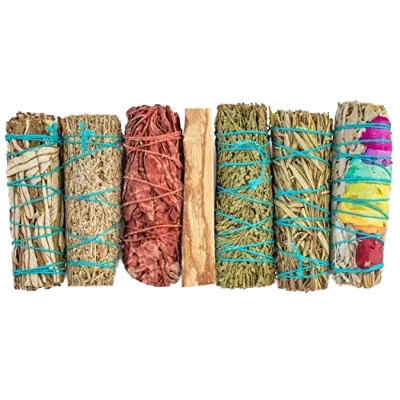
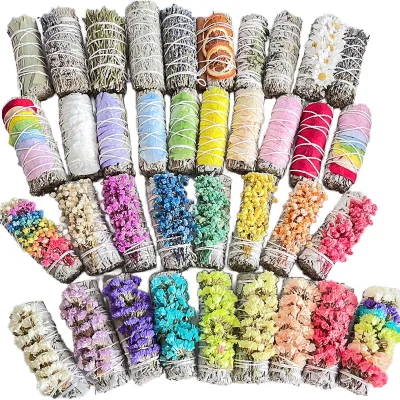


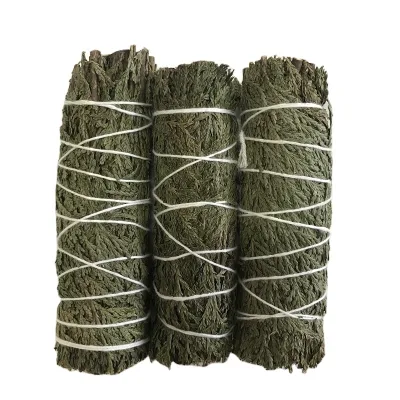


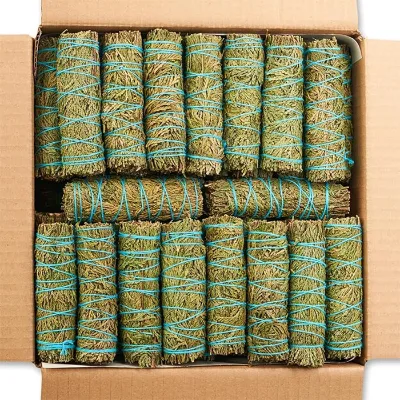
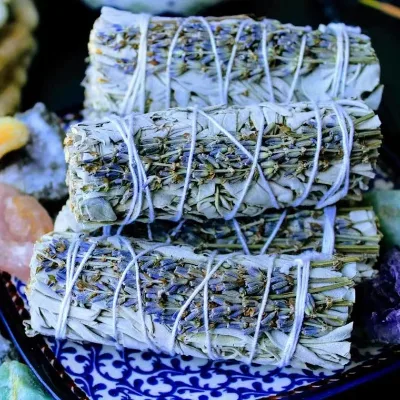


Natural Curly Reed Diffuser Stick for Aroma Oil Diffuser Bottle Decoration
$0.06 - $0.10
MOQ: 1000 Pieces
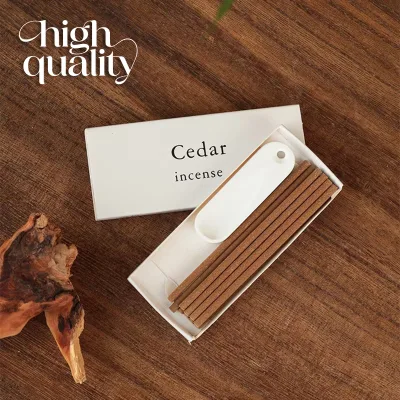
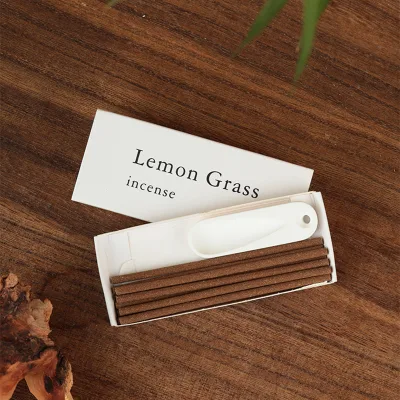


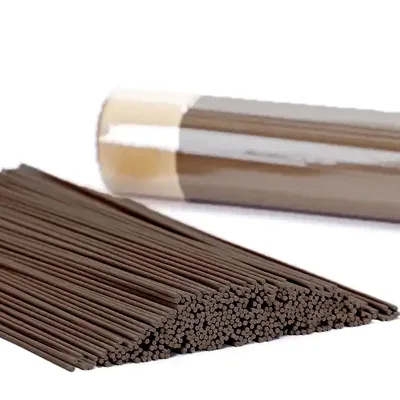


Comprehensive Sourcing Guide
Natural Aromatic Cedar Smudge Sticks Sourcing Guide
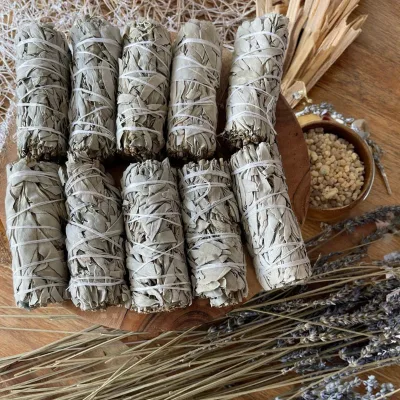
Buyers evaluating Natural Aromatic Cedar Smudge Sticks must first distinguish between products marketed as burning incense and those designed as oil burners or diffusers, as the supplied data reveals conflicting product definitions. While some listings explicitly describe "natural fragrance cedar smudge sticks" intended for Buddhist temples and indoor decoration, other entries in the same search results refer to "Aroma Fragrance Oil Burners" or "Reed Diffusers" with entirely different usage profiles. This distinction is critical because the functional requirements for a burning smudge stick differ significantly from a passive oil burner, affecting the necessary material composition and safety testing protocols.
Procurement teams should verify the specific product type before initiating contact, as the observed listings include items labeled as "Stick Incense" alongside "Reed Diffuser" and "Oil Burner" categories. The presence of cedar as a primary material in some descriptions and sage in others indicates that suppliers may offer a range of botanical blends under similar search terms. Buyers must clarify whether the requirement is for a combustible stick used in meditation or a non-combustible device for essential oil diffusion, ensuring the selected supplier provides the exact functional form factor required for the intended application.
Product Scope and Observed Listing Signals
The observed product scope for Natural Aromatic Cedar Smudge Sticks includes a wide variety of scent profiles ranging from honey peach and orange blossom to clary sage and lavender, indicating that cedar often serves as a base or blending component rather than the sole fragrance. Listings show that the material composition can vary, with some products explicitly identifying cedar wood while others list sage or mixed flowers as the primary botanical ingredient. This variability suggests that buyers should not assume a single scent profile is standard and must specify their preferred aromatic blend to avoid receiving a product that does not meet their olfactory requirements.
Physical dimensions and packaging formats also vary significantly across the observed listings, with sizes ranging from 4 inches to 12x12x8 cm packages and weights fluctuating between 40g and 50g per unit. Some suppliers offer single items in OPP bags, while others provide customized packaging services, reflecting different levels of supply chain maturity and branding capabilities. Buyers need to assess whether the standard single package size aligns with their logistics needs or if they require custom dimensions to optimize shipping costs and shelf presentation for their specific market.
Technical Specifications to Verify
Technical verification must begin with the physical dimensions and weight specifications, as the observed data shows a model number GS544 associated with a 4-inch size and a single gross weight of 0.300 kg, while other entries list different dimensions like 12x5x5 cm. Buyers should confirm the exact length and diameter of the sticks, as these factors directly influence burn time and smoke density, which are critical for applications in meditation or temple settings. Inconsistent reporting of single package sizes across different listings highlights the need to request physical samples to validate that the delivered product matches the advertised technical specifications.
Material composition and scent consistency are equally vital technical parameters that require rigorous verification, given the mix of cedar, sage, and various floral scents observed in the data. Buyers must confirm whether the product is made from pure cedar wood or a composite blend, as this affects the burning characteristics and the authenticity of the aroma. Additionally, the listed seed types, such as coriander or sage, suggest that botanical purity is a key differentiator, and procurement teams should request material safety data sheets to ensure the ingredients match the claimed natural profile without undisclosed additives.
Compliance and Safety Documentation
Safety documentation is paramount for burning incense products, particularly when the intended usage includes indoor environments, Buddhist temples, and home decoration. Buyers must request evidence of combustion safety testing to ensure the sticks do not produce excessive smoke or toxic fumes that could violate indoor air quality standards. The observed listings mention "Eco-friendly" features and "Fragrance Burning" functions, but these claims require substantiation through third-party test reports that verify the product meets relevant fire safety and emission standards for the target market.
Regulatory compliance also extends to the labeling and packaging of the product, especially when the goods are sourced from regions like Zhejiang, China, or Hunan, China. Buyers should verify that the packaging includes clear instructions for use, warnings regarding fire hazards, and accurate ingredient lists that align with the product's actual composition. Since some listings indicate "American incense" regional features while others specify "Chinese Incense," it is essential to confirm that the product meets the specific import regulations and labeling requirements of the destination country to avoid customs delays or legal penalties.
Cost Drivers and Commercial Terms
Cost drivers for Natural Aromatic Cedar Smudge Sticks are heavily influenced by the minimum order quantity (MOQ) and the level of customization required, as observed MOQs range from 2 pieces to 10,000 pieces across different suppliers. Buyers with smaller volume needs may face higher per-unit costs or limited supplier options, whereas larger orders can leverage economies of scale but require significant upfront capital commitment. The availability of OEM and ODM services further impacts pricing, as custom branding, unique scent formulations, and specialized packaging will incur additional tooling and setup fees beyond the base product cost.
Commercial terms must be carefully negotiated to account for the variability in packing and shipping, given the observed single package sizes and gross weights. Buyers should clarify whether the quoted price includes the OPP bag packaging or if custom packaging is an extra charge, as this affects the final landed cost. Additionally, the lead time and payment terms should be aligned with the production capacity of the supplier, ensuring that the delivery schedule accommodates the specific seasonal availability of botanical materials like sage or cedar, which may fluctuate based on harvest cycles.
Supplier Qualification and Quality Control
Supplier qualification should focus on verifying the consistency of material sourcing and the ability to maintain quality across large production runs, given the observed mix of cedar and sage materials. Buyers must assess whether the supplier has a stable supply chain for raw botanicals to ensure that the scent profile and physical characteristics remain consistent from batch to batch. The presence of "Handmade Incense Sticks" in some listings suggests that manual processes may be involved, which requires a robust quality control system to minimize defects and ensure uniformity in stick length and burn quality.
Quality control protocols must include regular sampling and testing of the finished product to verify that the scent, color, and burning performance match the agreed specifications. Buyers should request a quality assurance plan that outlines how the supplier handles defects, manages inventory, and ensures that the "Eco-friendly" claims are backed by verifiable material standards. Establishing a clear communication channel for feedback and returns is also essential, as the natural variability of botanical products can sometimes lead to minor deviations that need to be addressed promptly to maintain customer satisfaction.
Long-Term Procurement Checks
Long-term procurement checks should include periodic audits of the supplier's production facilities to ensure ongoing compliance with safety and quality standards. Buyers need to monitor changes in raw material sourcing, as shifts in the availability of cedar or sage could impact the product's composition and performance over time. Regular re-testing of samples is necessary to confirm that the scent profile and burning characteristics have not drifted, ensuring that the product continues to meet the expectations of end-users in meditation, home, or temple settings.
Strategic relationship management is also critical for securing a stable supply of Natural Aromatic Cedar Smudge Sticks, particularly given the seasonal nature of botanical ingredients. Buyers should maintain open dialogue with suppliers regarding harvest cycles and potential supply chain disruptions to proactively adjust order quantities and delivery schedules. By fostering a collaborative partnership, procurement teams can ensure that the supplier remains committed to quality and innovation, providing a reliable source of high-quality incense products that align with the buyer's long-term business goals.
FAQs
What materials are used in these Natural Aromatic Cedar Smudge Sticks?
The products are primarily crafted from cedar wood and sage, with some variations including sandalwood and coriander seeds. These natural ingredients are selected for their aromatic properties and eco-friendly characteristics. The sticks are designed for indoor incense use, meditation, and home decoration, offering a natural scent profile without synthetic additives.
Can I customize the scent or packaging for these smudge sticks?
Yes, customized services are available for both OEM and ODM requirements. Buyers can select from various scents such as honey peach, orange blossom, lavender, or sandalwood. Packaging options include OPP bags, with single package sizes of 12x12x8 cm or 12x5x5 cm depending on the specific product model and configuration chosen.
What is the minimum order quantity for these aromatic sticks?
The minimum order quantity varies by product, typically ranging from 2 pieces to 50 pieces. Some items have an MOQ of 50 pcs, while others may start at just 2 pcs. This flexibility allows buyers to test market demand with smaller initial orders before committing to larger bulk purchases for wholesale distribution.
How are these Natural Aromatic Cedar Smudge Sticks packaged and shipped?
Products are individually packed in OPP bags for protection and clarity. The single gross weight ranges from 0.100 kg to 0.300 kg, with package dimensions like 12x12x8 cm or 12x5x5 cm. This standardized packaging ensures safe handling during transit and facilitates easy storage and display for retailers or end-users in various markets.
Where are these natural aromatic smudge sticks manufactured?
These products originate from regions in China, specifically Zhejiang and Hunan. The manufacturing locations are noted for their expertise in producing Chinese incense and aromatic goods. Buyers can expect consistent quality and adherence to regional production standards, with products labeled as American or Chinese incense depending on the specific design and target market preferences.
What are the primary uses for these cedar smudge sticks?
These sticks are designed for indoor incense burning, meditation, and home decoration. They serve functions such as odor removal, fresh air enhancement, and health care support. Suitable for Buddhist temples or personal use, they provide a relaxing fragrance experience. The burning method releases natural aromas from cedar, sage, and other botanical ingredients for ambient enhancement.