Source Nasal Spray Bottle for Medical, Personal Care, and Cosmetic Uses
Find 30 verified Nasal Spray Bottle options for medical, personal care, and cosmetic applications. Compare specifications like material, volume, and sealing types from suppliers offering CE and ISO 13485 certifications with customizable features.
Key considerations
Products List


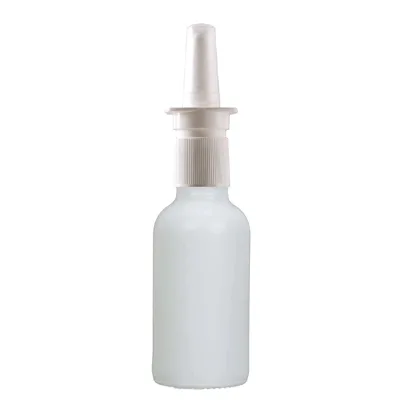
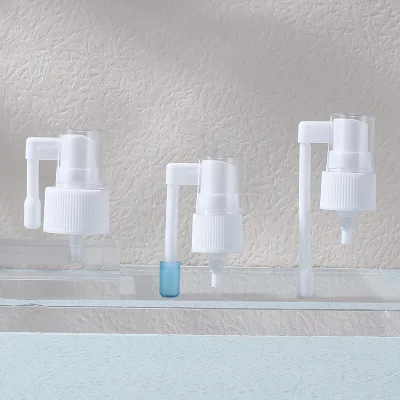
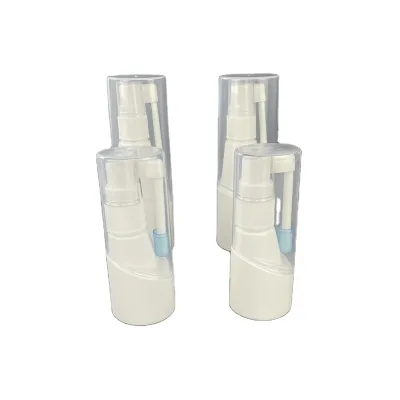


Comprehensive Sourcing Guide
Strategic Sourcing Guide for Nasal Spray Bottles
Navigating the global market for nasal spray bottles requires a disciplined approach that balances technical precision with regulatory compliance. Buyers in the pharmaceutical, personal care, and medical device sectors must understand that a "Nasal Spray Bottle" is not a monolithic product but a complex assembly of specific materials, dispensing mechanisms, and sterilization protocols. The sourcing landscape is defined by a wide variance in specifications, from high-volume consumer goods to strict medical-grade devices. This guide outlines the critical factors for evaluating suppliers, interpreting technical data, and ensuring supply chain reliability without relying on unverified claims.
Technical Specifications and Material Composition
The foundation of any successful procurement strategy lies in a precise understanding of the physical and chemical properties of the product. The primary material for these containers is predominantly plastic, with specific variations such as Polypropylene (PP) and High-Density Polyethylene (HDPE) being the industry standards. PP is often selected for its chemical resistance and rigidity, while HDPE offers excellent flexibility and barrier properties. The structural design frequently features a hollow cone shape or a narrow mouth bottle configuration, which is critical for the integrity of the spray mechanism.
The dispensing system itself is a critical technical variable. Buyers must distinguish between simple drainage containers and active dispensing units. The most common configuration for nasal applications involves a pump sprayer mechanism, which requires a specific bottleneck design to ensure a tight seal and consistent actuation. The closure type is equally vital; options typically include snap-on or crimp-on closures, which must be verified for compatibility with the specific nozzle assembly.
Surface handling and customization options further define the product's utility. Screen printing is a standard surface treatment method for applying branding or dosage instructions directly onto the bottle. Color customization is widely available, ranging from standard opaque colors to fully customized hues, though the base material often dictates the final opacity. Volume capacity is another key specification, with common ranges observed between 100ml and 500ml, though smaller medical doses may utilize different capacities. The standard for the granulate material used in production often adheres to specific industry norms, ensuring consistency in the molding process.
| Feature Category | Common Specifications | Verification Requirement |
|---|---|---|
| Primary Material | PP, HDPE, Plastic | Verify material grade and chemical resistance |
| Dispensing Type | Pump Sprayer, Drainage Tube | Confirm actuation force and spray pattern |
| Closure Style | Snap-on, Crimp-on | Test seal integrity under pressure |
| Volume Range | 100-500 Ml (Typical) | Confirm exact capacity for dosage accuracy |
| Surface Finish | Screen Printing, Color | Check adhesion and fade resistance |
Compliance and Certification Verification
Regulatory compliance is the most significant differentiator between general-purpose plastic containers and those intended for medical or pharmaceutical use. Buyers must rigorously verify the certification status of potential suppliers. The presence of CE marking and ISO 13485 certification is a strong indicator of a supplier's capability to manufacture medical-grade devices. ISO 13485 specifically addresses quality management systems for medical devices, ensuring that the manufacturing process is controlled and traceable.
However, certification claims must be treated as observations rather than absolute guarantees for every listed product. A supplier may hold a general CE certificate, but the specific product model, such as those designated with model numbers like SC--YHHY001 or YY155-15, must be individually validated against the intended application. For medical applications, the distinction between "Medical" and "Personal Care" is paramount. Products intended for medical use often require adherence to stricter standards, such as ISO 15378 for packaging for human blood products or general GMP (Good Manufacturing Practice) guidelines.
Sterilization compatibility is another critical compliance factor. Many nasal spray bottles are supplied without Ethylene Oxide (EtO) sterilization, which is a common method for medical devices. If the end product requires EtO sterilization, the bottle material must be compatible with the process and not degrade or off-gas harmful residues. Buyers must explicitly confirm whether the supplied bottles are sterile or if they are designed to be sterilized by the end-user. The absence of EtO sterilization in the product description implies that the bottle is intended for non-sterile applications or requires a different sterilization method.
Cost Drivers and Pricing Dynamics
The pricing structure for nasal spray bottles is influenced by a complex interplay of factors, including material costs, order volume, and customization requirements. The observed price range in the market spans from $0.03 to $2.20 USD per unit, a wide variance that reflects differences in complexity, material quality, and order size. The primary cost driver is the Minimum Order Quantity (MOQ). Suppliers often enforce MOQs ranging from 10,000 to 100,000 pieces, with some flexibility down to 10 units for sample orders.
Higher volumes generally correlate with lower unit costs, but the relationship is not linear. Customization, such as specific color matching, logo printing, or unique mold designs, introduces additional tooling and setup costs. While logo printing is available, it can be a cost factor depending on the complexity of the design and the surface area required. Conversely, "without logo printing" options may offer a lower price point for generic stock items.
Lead times also impact the total cost of ownership. Production lead times typically range from 20 to 25 days, with delivery often estimated within 30 days based on the order quantity. However, rush orders or complex customizations may extend these timelines. Buyers should also consider the daily production capacity, which can be as high as 50,000 pieces per day for established manufacturers, ensuring that supply bottlenecks are minimized during peak demand periods.
Typical Applications and Market Segmentation
Nasal spray bottles serve distinct markets, each with unique requirements. The primary segmentation divides the market into Personal Care and Medical applications. In the Personal Care sector, bottles are often used for essential oils, saline solutions, or cosmetic sprays. These applications prioritize aesthetics, with a focus on color customization and branding through screen printing. The material requirements are generally less stringent, focusing on durability and leak prevention.
In the Medical sector, the requirements shift dramatically toward sterility, precision, and regulatory compliance. These bottles are used for administering medications, decongestants, or saline rinses. The "Group" classification for these products is typically "Adult," indicating the target demographic, though pediatric variants may exist. Medical applications demand a higher level of quality assurance, often requiring specific model numbers and adherence to standards like SGS or ISO 13485. The "Recycled" status of the material is also a consideration; while some products are marked as recyclable, medical-grade bottles often use virgin, unrecycled materials to ensure purity and prevent contamination.
Supplier Evaluation and Production Capabilities
Evaluating a supplier requires looking beyond the basic product listing to understand their operational capacity and reliability. Key indicators of a robust supplier include their production location, which is predominantly China, and their specific manufacturing processes. Plastic injection molding is the standard technique for producing these bottles, ensuring high precision and consistency. Buyers should verify the supplier's ability to handle the specific technical requirements of their product, such as the 24/410 and 28/410 thread standards, which are common for bottle necks.
The supplier's quality control infrastructure is equally important. A high-confidence fact in the market is the availability of a two-year quality guarantee period. This suggests that reputable suppliers stand behind their product's durability and performance. Additionally, the availability of free samples allows buyers to conduct physical testing before committing to a large order. This is a critical step in verifying the "Hard" flexibility of the plastic, the accuracy of the volume, and the effectiveness of the sealing type.
When evaluating suppliers, buyers should also consider the packaging methods. Products are typically packed in bottles, barrels, boxes, or export cartons, depending on the order size and destination. The choice of packaging affects the protection of the product during transit and the efficiency of the unloading process at the destination. A supplier offering "Export Cartons" or "Paper Cartons" demonstrates an understanding of international logistics standards.
Quality Control and Long-Term Procurement
Ensuring long-term supply chain stability requires a proactive approach to quality control. Buyers must establish clear acceptance criteria for incoming goods, focusing on critical attributes such as the sealing type, closure integrity, and visual defects. The "Two Years" quality guarantee period provides a baseline for accountability, but buyers should supplement this with their own incoming quality inspection protocols. This includes checking for defects in the screen printing, verifying the color consistency, and testing the spray mechanism for proper actuation.
Long-term procurement considerations also involve managing the relationship with the supplier to ensure consistent lead times and pricing. The "Delivery" timeline is often based on order quantity, meaning that larger orders may require more advanced planning. Buyers should maintain a buffer stock to mitigate potential delays, especially given the variability in lead times which can range from 20 to 30 days. Furthermore, the ability of the supplier to scale production, indicated by a daily capacity of 50,000 pieces, is a strong indicator of their ability to handle demand spikes.
Finally, buyers should remain vigilant regarding changes in standards and regulations. The market is dynamic, and what is acceptable today may require adjustment tomorrow. Maintaining open communication with suppliers regarding updates to ISO standards, material regulations, or shipping requirements is essential for sustained success. By focusing on verified facts, such as the specific model numbers, material compositions, and certification statuses, buyers can navigate the complexities of the Nasal Spray Bottle market with confidence and precision.
FAQs
What certifications do Nasal Spray Bottle manufacturers typically hold?
Manufacturers typically hold CE and ISO 13485 certifications for medical-grade products. Some suppliers also provide SGS standards or ISO15378 for specific packaging needs, ensuring compliance with international safety and quality management systems for medical devices.
Which materials are used to construct nasal spray bottles?
Bottles are primarily constructed from plastic, specifically Polypropylene (PP) or High-Density Polyethylene (HDPE). These materials offer the necessary chemical resistance and rigidity required for medical and personal care applications while maintaining structural integrity during storage and transport.
Can buyers request custom colors and logo printing on these bottles?
Yes, customization is available for both colors and logo printing. Buyers can select from any color or specific hues, and screen printing is the standard method for applying logos, though some generic options may be supplied without logo printing to reduce costs.
What is the typical lead time for delivering nasal spray bottles?
Delivery is commonly within 30 days based on the order quantity. Specific production lead times often range from 20 to 25 days, depending on the complexity of customization and the current daily production capacity of the factory, which can reach 50,000 pieces daily.
How are these bottles packaged for export and shipping?
Bottles are packed in various configurations including bottles, barrels, boxes, paper cartons, or export cartons. The specific packing method depends on the order size and destination requirements, ensuring protection during transit while adhering to standard logistics practices for international shipments.
What is the minimum order quantity for purchasing nasal spray bottles?
The minimum order quantity typically starts at 10,000 pieces for standard production runs. However, some suppliers offer flexibility with MOQs ranging from 10 to 100,000 units, and free samples are often available for buyers to verify product quality before committing to large orders.
Are these nasal spray bottles suitable for medical applications?
Yes, specific models are designed for medical applications with a two-year quality guarantee. These products often feature narrow mouth bottles with pump sprayers and snap-on closures, meeting strict standards for medical use while distinguishing them from general personal care containers.
What is the price range for nasal spray bottles in the market?
The observed price range spans from 0.03 to 2.20 USD per unit. This variance reflects differences in material quality, customization levels, order volume, and specific technical specifications such as volume capacity, sealing type, and the complexity of the dispensing mechanism required.