Source Nasal Strips for Snoring Relief, Allergy Support, and Sleep Aid
Explore 30 verified listings for Nasal Strips designed to help with snoring relief, allergy support, and improved sleep quality. Buyers can compare customization options, certifications like FDA and CE, and pricing details from suppliers in China.
Key considerations
Products List


China Factory Anti-Snoring Better Breath Nose Strips Breathing Nasal Strips
$0.04 - $0.06
MOQ: 1000 Pieces


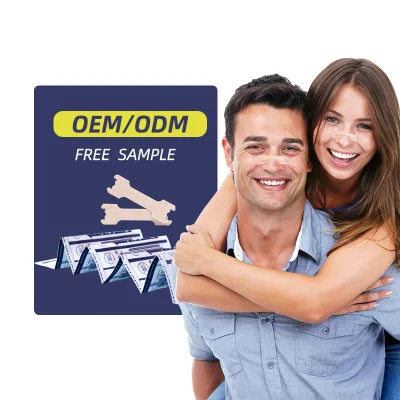
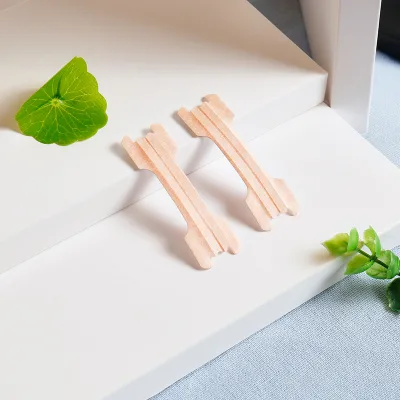


Breath Nasal Strips Anti Snore Nose Strips Nasal Strips for Breath 66X19mm
$0.02 - $0.03
MOQ: 50000 Pieces


Comprehensive Sourcing Guide
Strategic Sourcing Guide for Nasal Strips in the B2B Market
Understanding Product Variants and Technical Specifications
The nasal strip market is characterized by a diverse range of product configurations designed to address specific user needs, from general anti-snoring support to targeted hemostasis applications. When initiating a sourcing strategy, buyers must first distinguish between the primary functional categories observed in the supply chain. The core product line typically includes strips designed for anti-snoring, which rely on mechanical lifting of the nasal bridge to improve airflow. These are often constructed using a composite of non-woven fabric and a PVC strip, materials selected for their flexibility and adhesive retention. In contrast, other variants in the market are engineered for hemostasis, serving a more clinical or first-aid purpose where the primary function is to stop bleeding rather than alleviate snoring.
Material composition is a critical differentiator that directly impacts performance and user comfort. High-quality listings frequently specify the use of medical-grade hot melt glue, which ensures strong adhesion without causing skin irritation. The adhesive properties are often enhanced by features such as being hypoallergenic and latex-free, catering to users with sensitive skin. The structural integrity of the strip is often maintained through the inclusion of cotton and spandex blends alongside the primary non-woven and PVC layers. This combination allows the strip to stretch and conform to the unique contours of the nose while maintaining the necessary tension to keep nasal passages open.
Size specifications vary significantly across different product models, ranging from "All Size" generalist options to specific dimensions such as 22mm by 60mm. Buyers should note that some models are designated for specific demographic groups, such as children or adults, which necessitates careful selection based on the target consumer base. The product model identifiers, such as BL-030 or SHNS01, often correlate with these specific dimensional and functional attributes. Furthermore, the packaging format is a key logistical consideration; standard configurations include 50 pieces per bag or 10 strips per box, though custom packaging requests are frequently accommodated by suppliers to meet brand-specific requirements.
Compliance Framework and Certification Verification
Navigating the regulatory landscape is essential for any B2B procurement of medical or health-related devices. Nasal Strips often fall under the category of medical devices, requiring adherence to specific international standards to ensure market access and consumer safety. The most prevalent certifications observed in the supply chain include CE marking, FDA registration, and ISO 13485 compliance. The CE mark indicates conformity with health, safety, and environmental protection standards for products sold within the European Economic Area. Similarly, FDA registration is a critical requirement for products entering the United States market, signaling that the device meets the regulatory standards of the U.S. Food and Drug Administration.
ISO 13485 is particularly significant as it represents the international standard for quality management systems specific to medical devices. This certification ensures that the manufacturer has established rigorous controls over their production processes, from raw material sourcing to final product delivery. Buyers should verify that the certificates provided are current and cover the specific product models being sourced. It is important to distinguish between general ISO certifications and the specific ISO 13485 standard, as the latter is tailored to the medical device industry. Additionally, some suppliers may list "ISOCE" or similar variations, which buyers must clarify to ensure they are referring to the correct, distinct certifications.
Sterilization status is another vital compliance factor. Many Nasal Strips are supplied as "without disinfection" or "without ethylene oxide sterilization," indicating they are intended for use in a clean environment or are non-sterile medical devices. This distinction affects the storage and handling requirements of the product. If a buyer requires sterile products for clinical settings, they must explicitly confirm the sterilization method and validate the supplier's capability to provide ethylene oxide or other approved sterilization processes. The absence of these features in standard listings suggests that the product is designed for over-the-counter retail or general consumer use rather than sterile surgical applications.
Cost Drivers and Minimum Order Quantity Analysis
The pricing structure for Nasal Strips is influenced by several dynamic factors, including material costs, customization levels, and order volume. The observed price range in the market spans from $0.01 to $2.00 per unit, a wide spectrum that reflects the variance in product complexity, packaging, and brand positioning. Lower price points typically correspond to basic, non-customized units with standard packaging, while higher prices may reflect premium materials, specialized branding, or complex custom box designs.
Minimum Order Quantity (MOQ) is a primary driver of unit cost and supply chain commitment. The market exhibits a broad MOQ range, extending from as low as 2 units for sampling or small-scale testing up to 200,000 units for large-scale industrial contracts. Specific models often carry distinct MOQ thresholds; for instance, certain product lines may require an order of 10,000 pieces, while others might mandate 50,000 or 100,000 pieces. These thresholds are often tied to the setup costs for custom tooling, printing, and assembly lines. Buyers must align their procurement volumes with these MOQs to secure the most competitive pricing.
Customization is a significant cost variable. Suppliers frequently offer OEM and ODM services, allowing buyers to customize the brand name, logo, and packaging. While these services add value, they often come with higher MOQ requirements and potentially higher per-unit costs due to the setup and production complexity involved. The availability of customization, such as "Acceptable Logo Customized" or "Brand Could Be Customized," suggests that buyers can tailor the product to their specific market needs, but they must factor in the associated volume commitments. Additionally, the choice of packaging, whether standard OPP bags or custom boxes, will influence the final landed cost.
Typical Applications and Target Market Segmentation
Nasal Strips serve a variety of applications, primarily driven by the functional design of the product. The most common application is anti-snoring, where the strip is applied externally to the nose to mechanically dilate the nasal passages, thereby reducing snoring sounds and improving sleep quality. These products are marketed heavily towards adults seeking non-invasive solutions for sleep disturbances. The "Anti Snoring" feature is a primary selling point, often highlighted in product descriptions alongside attributes like "Comfortable" and "Adhesive."
Beyond sleep aid, Nasal Strips are utilized for hemostasis, a function that addresses bleeding control. This application targets a different segment of the market, potentially including first-aid kits, sports medicine, and clinical settings. The distinction between these applications is crucial for buyers, as the regulatory requirements and marketing strategies for a hemostatic device differ significantly from those for a cosmetic sleep aid. Some products are specifically designed for children, requiring smaller sizes and potentially gentler adhesives to ensure safety and comfort for younger users.
The target demographic also influences the choice of materials and design. For the adult market, the focus is often on efficacy and durability, with features like "Latex Free" and "Hypoallergenic" being standard expectations. For the pediatric market, the emphasis shifts to safety and ease of application. The "Group" attribute in product listings explicitly categorizes these products, helping buyers match inventory to their specific customer base. Understanding these segmentation nuances allows buyers to curate a product line that addresses the diverse needs of their retail or institutional clients.
Supplier Evaluation and Geographic Sourcing Considerations
When evaluating potential suppliers, geographic origin plays a significant role in logistics, lead times, and regulatory compliance. The majority of nasal strip manufacturers are located in China, with specific hubs in Fujian and Hebei provinces. These regions have established supply chains for non-woven fabrics and adhesive manufacturing, making them cost-effective sources for production. However, buyers must verify the specific "Place of Origin" for each product, as this can impact shipping costs and customs duties.
Supplier reliability is often gauged by their ability to meet specific service requirements. Many suppliers offer "ODM OEM Service," indicating flexibility in both original design manufacturing and original equipment manufacturing. This capability is essential for buyers looking to create a private label brand. The acceptance of custom logos and the ability to provide "Custom Box" packaging are strong indicators of a supplier's readiness to support brand development. Payment terms, such as TT (Telegraphic Transfer), PayPal, and Western Union, are standard, but buyers should negotiate terms that align with their cash flow and risk management strategies.
Lead times are another critical factor in supplier selection. While some suppliers offer rapid delivery of "7 Days If Have Inventory" for stocked items, custom orders typically require longer production windows. Buyers must clarify the production timeline for customized runs to ensure they can meet their own sales deadlines. The "Life Time" of the product, noted as 5 years in some specifications, suggests a stable shelf life, which is beneficial for inventory management. However, buyers should confirm the actual expiration dates and storage conditions required to maintain product integrity over this period.
Quality Control and Long-Term Procurement Strategy
Maintaining product quality is paramount in the nasal strip industry, where skin contact and adhesive performance are critical. Quality control processes should verify the consistency of the adhesive strength, the integrity of the non-woven fabric, and the accuracy of the dimensions. Buyers should request test results or quality assurance documentation that confirms the product meets the stated standards, such as ISO 13485. The use of "Medical Grade" glue is a key quality indicator that should be validated through supplier audits or third-party testing.
Long-term procurement strategies should focus on building a resilient supply chain that can adapt to market fluctuations. This involves diversifying suppliers to mitigate risks associated with production delays or quality issues. Establishing clear communication channels for custom orders and maintaining a buffer stock of standard items can help manage demand variability. Buyers should also consider the environmental impact of packaging, as the shift towards sustainable materials may become a competitive advantage in the future.
Finally, buyers must remain vigilant regarding regulatory changes. As the medical device landscape evolves, new standards or certification requirements may emerge. Maintaining a proactive approach to compliance, by regularly updating certification checks and staying informed about changes in FDA or CE regulations, will ensure that the sourced products remain marketable. By combining rigorous quality control with strategic supplier relationships, buyers can secure a reliable supply of high-quality Nasal Strips that meet the evolving needs of their customers.
Comparative Overview of Product Attributes
To facilitate informed decision-making, the following table summarizes key attributes observed across different product listings, highlighting the variations in specifications, certifications, and order requirements.
| Attribute | Observation A | Observation B | Observation C |
|---|---|---|---|
| Product Model | Nasal strip-1 | BL-030 | SHNS01 |
| Primary Function | Hemostasis | Anti Snoring | Anti Snoring |
| Target Group | Children | Adult | Adult |
| Material | Non Woven + PVC | Non Woven + PVC | Non Woven + PVC + Cotton |
| Certifications | FDA, ISOCE | CE, ISO, FDA | CE, ISO |
| MOQ | 100,000 PCS | 10,000 PCS | 50,000 PCS |
| Origin | Fujian, China | China | Hebei, China |
| Packaging | OPP Bag / Custom Box | 50 PCS / Bag | 10 strips / box |
| Customization | Available | Logo Customized | Logo Customized |
| Sterilization | Without Disinfection | N/A | N/A |
This comparison underscores the importance of aligning specific product attributes with procurement goals. Whether the priority is low MOQ for testing, specific certifications for regulatory compliance, or specialized materials for user comfort, the data provided allows buyers to make evidence-based selections without relying on unverified claims.
FAQs
What certifications do Nasal Strips typically have?
Nasal Strips typically hold CE, FDA, and ISO13485 certifications. These marks indicate compliance with international safety and quality standards for medical devices, ensuring the product meets regulatory requirements for markets like the European Economic Area and the United States.
How is the material composition of these strips defined?
The material is commonly a blend of non-woven fabric and PVC strip, sometimes including cotton and spandex. This combination provides flexibility and structural integrity while using medical-grade hot melt glue for secure, hypoallergenic, and latex-free adhesion to the skin.
Can buyers request custom packaging for these products?
Yes, buyers can request custom packaging such as OPP bags or custom boxes. Suppliers accommodate specific requests like 50 pieces per bag or 10 strips per box, allowing brands to tailor the presentation to their market needs while maintaining standard production capabilities.
Which minimum order quantities are available for these items?
Minimum order quantities range from 2 units up to 200,000 pieces depending on the specific model and customization level. Some standard models require 10,000 pieces, while others may mandate 50,000 or 100,000 pieces to cover setup costs for tooling and printing.
What is the lead time for delivery if inventory exists?
Delivery time is 7 days if the product is in inventory. For custom orders requiring branding or specific packaging, the lead time will be longer, so buyers should confirm production schedules with the supplier to ensure they meet their sales deadlines.
Where are the manufacturers of these Nasal Strips located?
Manufacturers are primarily located in Fujian and Hebei provinces in China. These regions offer established supply chains for non-woven fabrics and adhesives, making them cost-effective sources for production while facilitating logistics for international buyers seeking competitive pricing.
Are these Nasal Strips sterilized before shipment?
Most listed Nasal Strips are supplied without disinfection or ethylene oxide sterilization. They are intended for general consumer use or clean environments, so buyers requiring sterile products for clinical settings must explicitly confirm the supplier's capability to provide specific sterilization processes.