Source Natural Plant Extract Deodorant Stick for body care, travel, and daily hygiene
Compare 30 listings for Natural Plant Extract Deodorant Stick from verified manufacturers in China. Buyers can evaluate options based on capacity, packaging, and customization services for personal care needs.
Key considerations
Products List


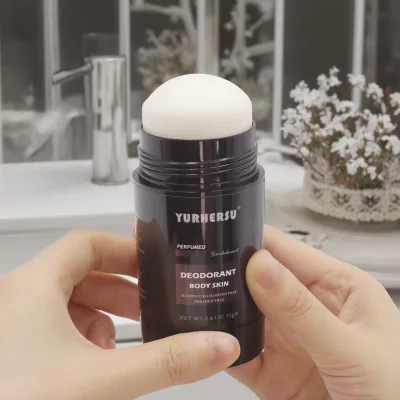
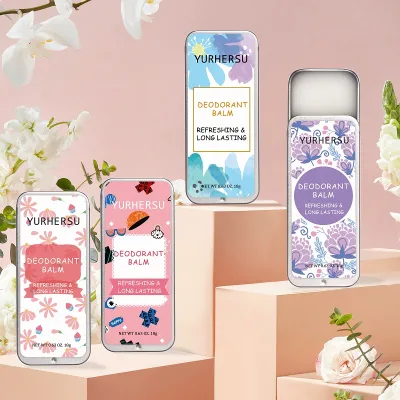
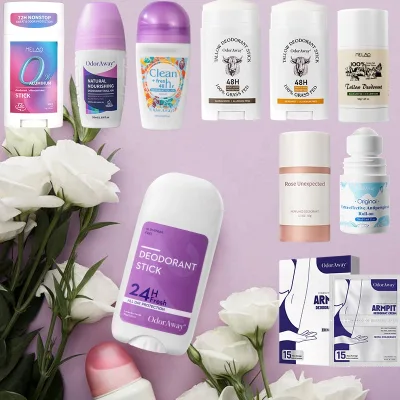
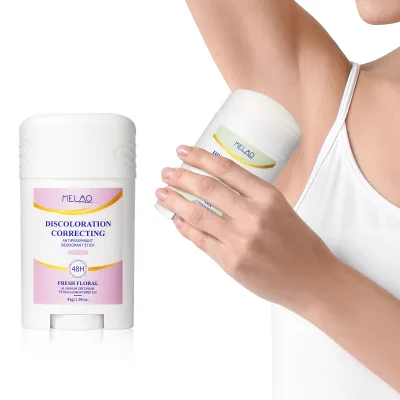
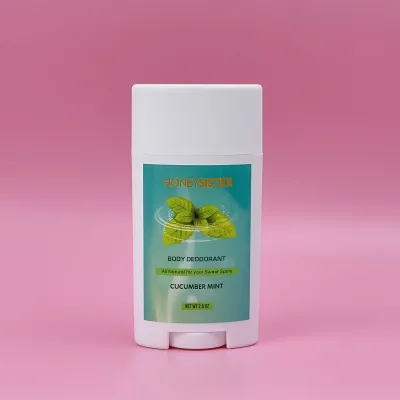
Beauty Cosmetics Skin Care Natural Organic Mint Underarm Deodorant Stick
$1.50 - $2.20
MOQ: 100 Pieces

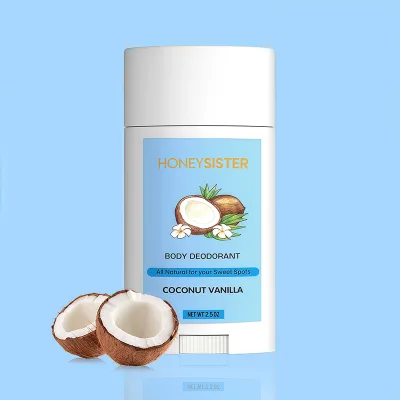
Beauty Cosmetics Skin Care Prevent Sweat Coconut Underarm Deodorant Stick
$1.50 - $2.20
MOQ: 100 Pieces

Beauty Cosmetics Skin Care Aloe Vera Eucalyptus Underarm Deodorant Stick
$1.50 - $2.20
MOQ: 100 Pieces




Comprehensive Sourcing Guide
Strategic Sourcing Guide for Natural Plant Extract Deodorant Sticks
Navigating the global market for natural plant extract deodorant sticks requires a disciplined approach to verification, as the intersection of botanical ingredients and personal care formulations involves complex supply chain dynamics. Buyers seeking this specific product category must distinguish between generic deodorant offerings and those that genuinely utilize plant-based extracts, while simultaneously ensuring compliance with international safety standards. The following guide outlines the critical technical, regulatory, and commercial factors that define a successful procurement strategy for this high-demand segment.
Technical Specifications and Formulation Variability
The physical and chemical characteristics of deodorant sticks vary significantly based on the intended application and the specific botanical extracts employed. In the context of natural formulations, the "stick" format is distinct from roll-ons or sprays, typically requiring a solid or semi-solid base that allows for direct application to the underarm area. Observations from current market listings indicate that product forms can range from creams to solid sticks, with specific models designated for different capacities.
When evaluating technical specifications, buyers must verify the exact capacity and packaging dimensions. While some standard listings reference a 60ml capacity, others specify a range including 20ml, 30ml, 50ml, and 75ml options. The physical container is often constructed from plastic, with a square bottle shape being a common design for roll-on variants, whereas stick deodorants typically utilize twist-up mechanisms housed in cylindrical or rectangular casings. The sealing type is critical for product integrity; screw caps are frequently observed in liquid or cream variants, while stick products rely on a push-up mechanism.
The formulation itself is the primary differentiator for "natural" claims. Buyers should scrutinize the ingredient list for active components such as Vitamin C and Hyaluronic Acid, which are often marketed for skin care benefits alongside odor control. However, for a true "natural plant extract" product, the main ingredient profile should prioritize organic botanicals. Some market data suggests formulations may claim to be 100% natural and organic, but this requires rigorous verification. The efficacy claims often center on preventing body odors and eliminating acne or blackheads, though these functional attributes must be backed by specific product testing rather than general marketing statements.
Regulatory Compliance and Certification Verification
Compliance is the most critical risk factor in sourcing personal care products, particularly those claiming natural or organic status. The global market for deodorants is heavily regulated, and suppliers must provide valid documentation to prove that their products meet safety standards in target markets. High-confidence data from current listings indicates that reputable manufacturers often hold certifications such as CE, FDA, GMP, and MSDS. These certifications are not merely marketing tools but are essential for legal importation and retail distribution.
The CE mark indicates conformity with health, safety, and environmental protection standards for products sold within the European Economic Area. FDA registration or compliance is necessary for products entering the United States market, ensuring that the ingredients and manufacturing processes meet US Food and Drug Administration guidelines. Good Manufacturing Practice (GMP) certification verifies that the facility adheres to strict quality control standards during production, which is vital for maintaining the purity of natural extracts. Material Safety Data Sheets (MSDS) provide detailed information on the chemical composition and handling requirements of the product, which is crucial for logistics and safety planning.
Buyers must also verify the specific standards associated with the product model. While some listings reference standard capacities like 50ml or 30ml as a "standard," others may list weight standards such as 34.2g or 55g. These numerical values represent the physical specifications of the final product rather than regulatory standards. However, the regulatory standards themselves, such as ISO or specific national pharmacopoeias, should be explicitly requested. The absence of these certifications in a supplier's profile should be treated as a red flag, regardless of the product's price or claimed natural ingredients.
Cost Drivers and Pricing Dynamics
Understanding the cost structure of natural plant extract deodorant sticks is essential for budgeting and negotiation. The price range observed in the market spans from $0.15 to $3.20 per unit, a wide variance that reflects differences in formulation complexity, certification levels, and order volume. Several key factors drive these costs. First, the source and quality of the plant extracts significantly impact the price. High-grade, organic, or sustainably sourced botanicals command a premium over synthetic or lower-grade alternatives.
Second, the customization level is a major cost driver. Products that offer OEM (Original Equipment Manufacturer) and ODM (Original Design Manufacturer) services, including private labeling, typically incur higher costs due to the additional engineering, design, and regulatory testing required. Customization options may include unique scents, specific ingredient blends, or tailored packaging designs. The "Customizable" attribute noted in product listings often implies that the buyer can request specific formulations, which increases the unit cost compared to standard off-the-shelf inventory.
Third, the Minimum Order Quantity (MOQ) directly influences the per-unit price. Observed MOQ ranges vary from as low as 100 pieces to as high as 20,000 units. Suppliers often offer tiered pricing structures where the cost per unit decreases as the order volume increases. For buyers with smaller budgets, an MOQ of 100 or 1,000 pieces may be the entry point, while larger enterprises can leverage economies of scale by ordering in the thousands. The packaging type, whether it is a simple box, carton, or specialized bottle, also contributes to the overall cost.
Supplier Evaluation and Origin Analysis
Selecting the right supplier requires a thorough evaluation of their capabilities, location, and reputation. The origin of the product is a significant indicator of manufacturing capacity and logistics efficiency. Current market data highlights several key production hubs, including Zhejiang and Guangzhou in China. These regions are known for their robust personal care manufacturing ecosystems, offering access to a wide range of raw materials and specialized production lines.
When evaluating suppliers, buyers should prioritize those that explicitly state their service capabilities, such as OEM, ODM, and private label services. These capabilities indicate a supplier's flexibility and ability to adapt to specific buyer requirements. The "Service" attribute often listed as "OEM ODM Private Label" suggests that the supplier can handle everything from initial formulation development to final packaging and branding.
Location also impacts lead times and shipping costs. Suppliers based in major industrial zones like Zhejiang and Guangzhou generally have established logistics networks, but buyers should still verify specific lead times for their order volume. While specific lead time data may not be available in general listings, the proximity to major ports in these regions typically facilitates efficient export. Buyers should also assess the supplier's quality control processes, looking for evidence of professional high-quality standards and adherence to the aforementioned certifications.
Quality Control and Product Testing
Quality control (QC) is the backbone of a reliable supply chain, ensuring that every batch of deodorant sticks meets the promised specifications. For natural plant extract products, QC must focus on the consistency of the botanical ingredients and the stability of the final formulation. Buyers should require suppliers to provide batch-specific test results, including microbial testing, heavy metal analysis, and stability testing under various temperature conditions.
The "Quality" attribute often described as "Professional High" in listings is a qualitative claim that must be substantiated by objective data. Buyers should request third-party laboratory reports that verify the product's efficacy claims, such as anti-perspirant properties or odor elimination capabilities. Additionally, since the product is intended for personal care, skin irritation testing is essential to ensure the safety of the natural extracts for all age groups.
Packaging integrity is another critical aspect of QC. The product packing, whether described as "Carton," "Box," or "Normal Package," must protect the product from contamination and physical damage during transit. The sealing type, such as the screw cap or twist mechanism, must be tested for durability and leak resistance. Buyers should implement a pre-shipment inspection protocol to verify that the physical attributes, such as the square bottle shape or stick consistency, match the approved samples.
Long-Term Procurement Considerations
Sourcing natural plant extract deodorant sticks is not a one-time transaction but a long-term partnership that requires strategic planning. Buyers should consider the scalability of the supplier's production capacity to meet future demand growth. The ability to adjust MOQs and maintain consistent quality over time is crucial for maintaining brand reputation.
Sustainability is increasingly becoming a core consideration in procurement. Buyers should inquire about the supplier's environmental practices, including the sourcing of raw materials, waste management, and packaging recyclability. Given the "100% Natural & Organic" claims often associated with these products, verifying the sustainability of the supply chain is essential to avoid greenwashing allegations.
Finally, buyers must plan for regulatory changes and market trends. The personal care industry is dynamic, with shifting consumer preferences toward cleaner, more transparent ingredients. A supplier that is proactive in updating their formulations and certifications will be better positioned to support the buyer's long-term success. Establishing clear communication channels and regular review meetings with the supplier can help mitigate risks and ensure alignment with evolving market demands.
Comparative Analysis of Product Attributes
To facilitate decision-making, the following table summarizes the key attributes observed in the current market for natural plant extract deodorant sticks. This comparison highlights the variability in specifications and helps buyers identify the features most relevant to their specific needs.
| Attribute Category | Observed Variations | Key Verification Points |
|---|---|---|
| Form | Liquid, Cream, Stick | Confirm physical state matches application needs. |
| Capacity | 20ml, 30ml, 50ml, 60ml, 75ml | Verify exact volume and weight (e.g., 34.2g, 55g). |
| Material | Plastic | Check for recyclability and durability. |
| Shape | Square Bottle, Stick | Ensure design aligns with brand identity. |
| Sealing | Screw Cap, Twist-up | Test for leak resistance and ease of use. |
| Certification | CE, FDA, GMP, MSDS | Request valid certificates for target markets. |
| MOQ | 100, 1000, 2000, 20000 | Negotiate based on budget and volume needs. |
| Origin | Zhejiang, Guangzhou, China | Assess logistics and lead time implications. |
| Customization | Available, Customized | Confirm OEM/ODM capabilities and lead times. |
| Ingredients | Vitamin C, Hyaluronic Acid, Natural/Organic | Verify ingredient lists and purity claims. |
This structured approach to sourcing ensures that buyers can navigate the complexities of the natural deodorant market with confidence, prioritizing quality, compliance, and strategic alignment over short-term cost savings alone. By adhering to these guidelines, procurement teams can build resilient supply chains that deliver value to end consumers while maintaining the integrity of the natural plant extract promise.
FAQs
What certifications do natural plant extract deodorant sticks typically have?
Reputable products often hold CE, FDA, GMP, and MSDS certifications. These documents verify compliance with safety standards for European and US markets, ensuring the manufacturing facility adheres to strict quality control protocols for personal care items.
Which capacities are available for these deodorant sticks?
Standard capacities include 20ml, 30ml, 50ml, 60ml, and 75ml options. Some listings also specify weight standards like 34.2g or 55g, allowing buyers to select the exact volume or weight that fits their packaging requirements.
Can suppliers offer customization for private labeling?
Yes, many manufacturers provide OEM, ODM, and private label services. Buyers can request custom formulations, unique scents, and tailored packaging designs, though this customization often requires meeting specific minimum order quantities.
What is the typical minimum order quantity for these products?
Minimum order quantities range from 100 pieces to 20,000 units depending on the supplier. Lower MOQs like 100 or 1,000 pieces are available for smaller budgets, while larger enterprises can leverage economies of scale with higher volumes.
Where are these deodorant sticks manufactured?
Production primarily occurs in Zhejiang and Guangzhou, China. These regions host robust personal care manufacturing ecosystems with established logistics networks, facilitating efficient export and access to a wide range of raw materials.
What materials are used for the product packaging?
Packaging is commonly constructed from plastic with options like square bottles or cartons. Sealing types vary, with screw caps often used for liquid or cream variants, while stick products utilize twist-up mechanisms.
How does pricing vary for natural plant extract deodorants?
Unit prices typically range from $0.15 to $3.20 based on formulation complexity and order volume. Higher costs reflect the use of organic botanicals, certification levels, and the extent of customization required for the specific order.