Source Natural Polished Gemstone Chips for Jewelry, Decoration, and Accessories
Compare 30 listings of Natural Polished Gemstone Chips available in various colors, sizes, and finishes. Buyers can evaluate options for jewelry making, decoration, and accessories with customization and OEM services.
Key considerations
Products List


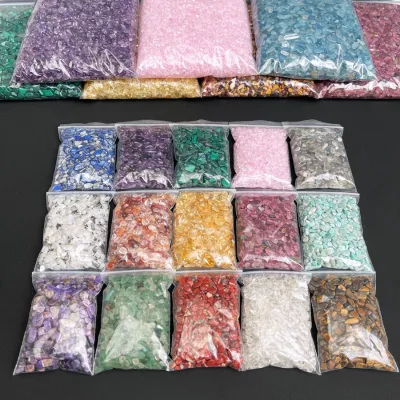
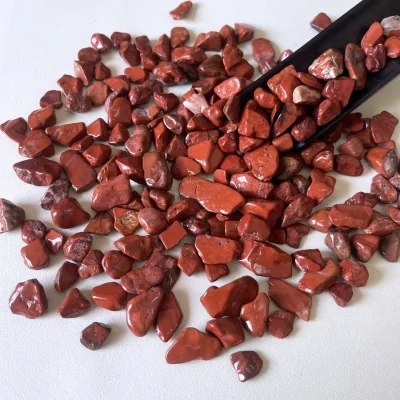
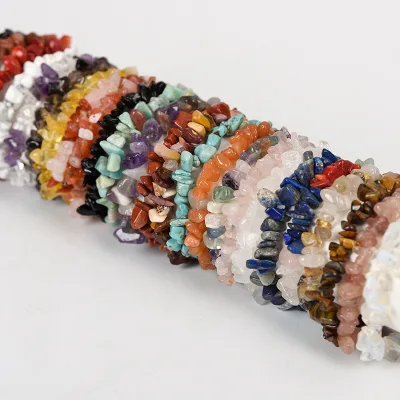
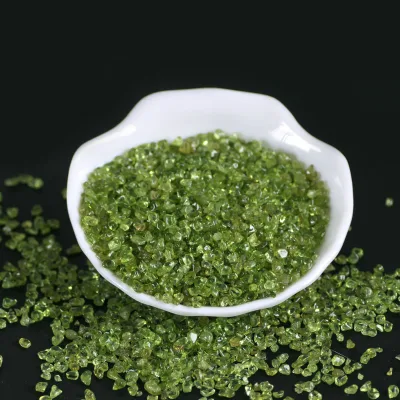
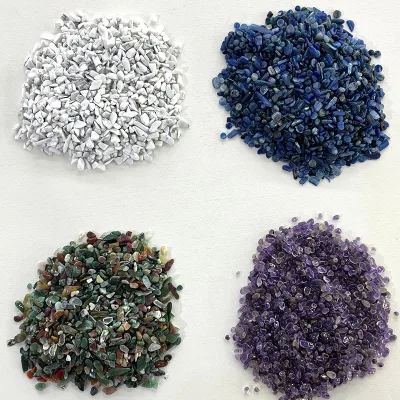
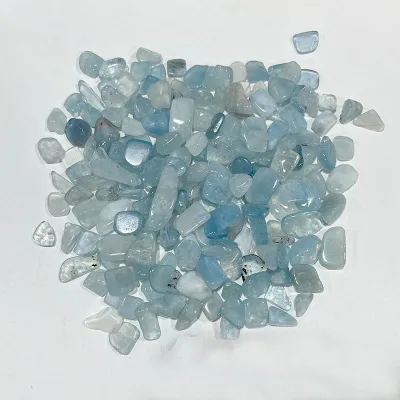
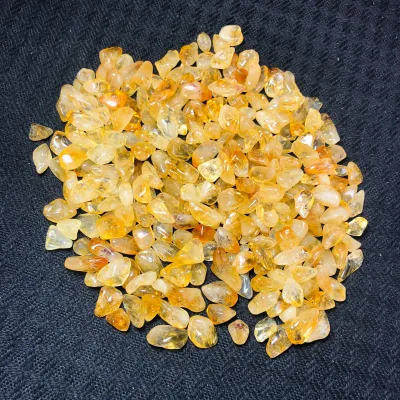
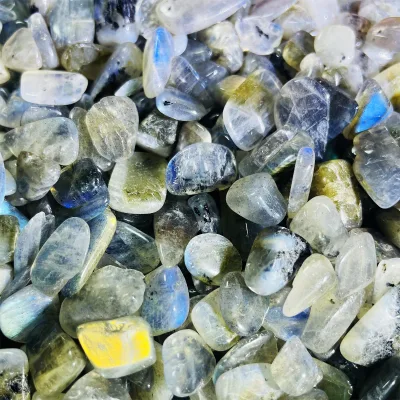
Comprehensive Sourcing Guide
Strategic Sourcing Guide for Natural Polished Gemstone Chips
The global market for Natural Polished Gemstone Chips presents a unique opportunity for B2B buyers in the jewelry, accessory, and spiritual wellness sectors. These raw yet refined materials serve as the foundational elements for a vast array of products, from delicate beaded necklaces to intricate home decor items. Sourcing these components requires a nuanced understanding of material variability, supplier capabilities, and the specific technical parameters that define quality. This guide provides a disciplined approach to navigating the procurement landscape for Natural Polished Gemstone Chips, ensuring that buyers can identify reliable partners and secure materials that meet their specific production needs without relying on unverified claims.
Technical Specifications and Material Variability
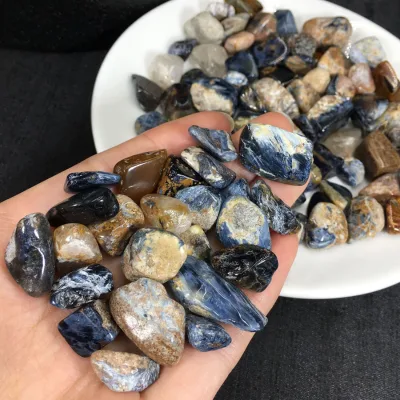
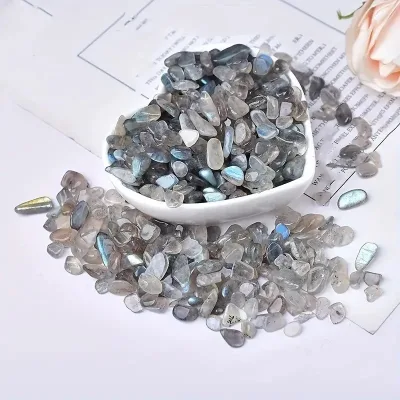
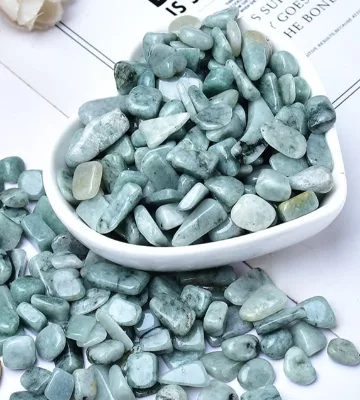
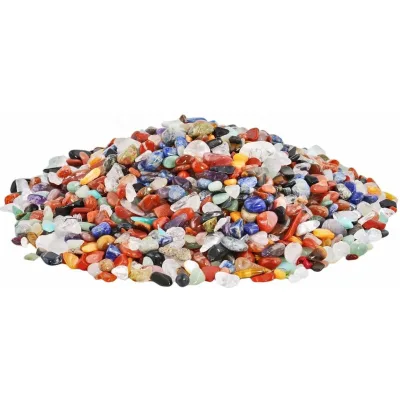
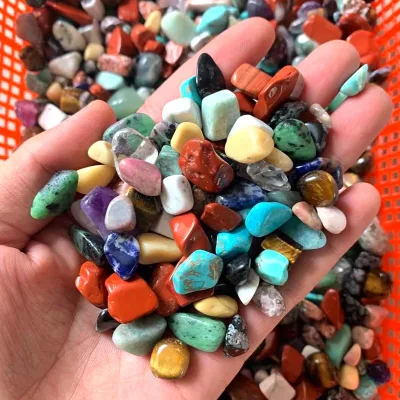
When evaluating Natural Polished Gemstone Chips, the primary focus must be on the physical and chemical attributes that define the product's utility. The supply chain for these items is characterized by significant diversity in size, shape, and color, driven by the natural origin of the stones. Buyers must recognize that "natural" implies inherent variations; no two stones are identical, and this is a feature rather than a defect in the context of artisanal and high-end manufacturing.
Key technical specifications to verify include the bead size, hole dimensions, and surface finish. In the current market, hole sizes are often standardized to accommodate specific beading needles, with 1mm being a common specification for finer work. However, custom sizes are frequently available, allowing for flexibility in design. The shape is predominantly round, offering a uniform aesthetic that is essential for consistent jewelry construction. The finish is typically polished, providing a smooth, lustrous surface that enhances the natural color and clarity of the stone.
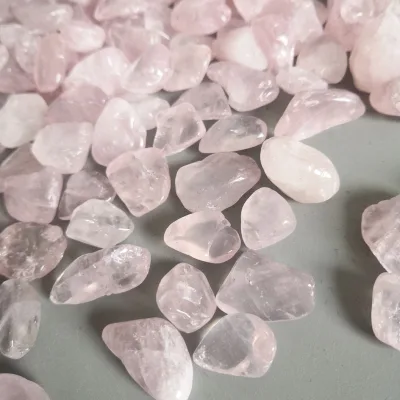
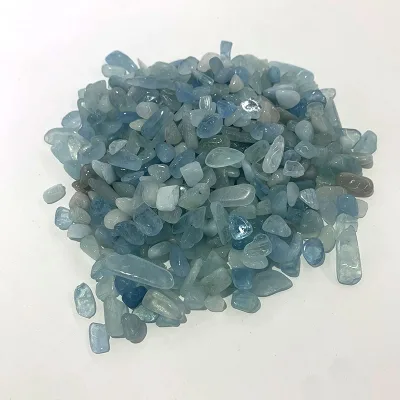
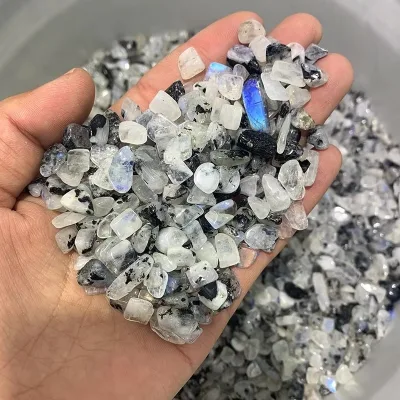
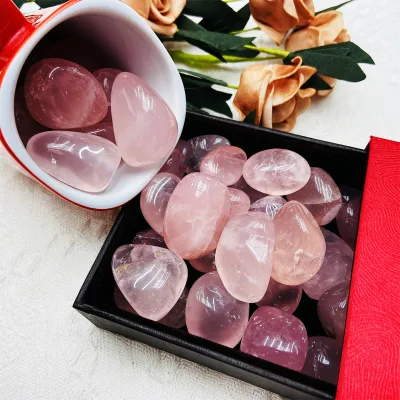
Material composition is another critical factor. While the term "gemstone" is broad, specific varieties such as Quartz, Amethyst, Citrine, Tiger Eye, Rose Quartz, and Clear Quartz are prevalent. The grade of the material, often categorized as "High" or "AA," indicates the level of clarity and the absence of significant inclusions. Buyers should also verify the classification, as some suppliers may list products under broader categories like "Sapphire" or specific crystal types like "Natural Crystal." The color palette is extensive, ranging from Blue and Red to Pink and Yellow, allowing for diverse product lines. Understanding these specifications is the first step in defining a precise Request for Quotation (RFQ).
Compliance, Certification, and Ethical Sourcing
In the B2B sector, compliance extends beyond simple product quality to include ethical sourcing and adherence to international trade standards. While specific certification documents are not universally mandated for all gemstone chips, buyers must verify the origin and processing methods of the stones. The origin of these products is often traced to major manufacturing hubs such as Guangdong and Wuzhou in China, regions known for their extensive gemstone processing industries.
Buyers should inquire about the supplier's ability to provide documentation regarding the natural origin of the stones. Claims of "Natural Gemstones" should be supported by the supplier's internal quality control processes. Although specific third-party certifications are not explicitly detailed in all product listings, the expectation of "High" grade materials implies a rigorous selection process. For buyers targeting markets with strict environmental or labor regulations, it is essential to request proof of compliance with relevant labor laws and environmental standards in the country of origin.
Furthermore, the "OEM/ODM" (Original Equipment Manufacturer/Original Design Manufacturer) capabilities of a supplier are a strong indicator of their compliance infrastructure. Suppliers who warmly welcome OEM/ODM requests typically possess the necessary quality management systems to handle custom specifications and maintain consistency across large batches. This capability suggests a level of operational maturity that aligns with international business standards.
Cost Drivers and Pricing Dynamics
The pricing of Natural Polished Gemstone Chips is influenced by a complex interplay of factors, including material rarity, processing complexity, and order volume. The observed price range in the market is broad, spanning from $0.30 to $5,000 per unit or batch, depending on the scale and specification. This wide variance highlights the importance of defining the exact requirements before seeking a quote.
The primary cost driver is the material grade and rarity. High-grade stones with superior clarity and vibrant colors command a premium. Additionally, the size of the beads plays a significant role; smaller beads, such as those with a 1.5mm or 1mm diameter, often require more labor-intensive sorting and polishing, which can increase the unit cost. Customization is another significant cost factor. While standard sizes and colors are generally more affordable, custom sizes and specific color combinations require dedicated production runs, leading to higher per-unit costs.
Order volume is perhaps the most critical determinant of price. The Minimum Order Quantity (MOQ) varies widely, ranging from 1 piece for sampling to 1,000 pieces for bulk production. Suppliers often offer tiered pricing structures where the unit cost decreases as the order volume increases. Buyers should be aware that while low MOQs allow for testing the market, they result in higher per-unit costs. Conversely, large orders benefit from economies of scale but require a significant upfront capital commitment.
Typical Applications and Market Segments
Natural Polished Gemstone Chips serve a diverse range of applications across multiple industries. The jewelry making sector is the largest consumer, utilizing these chips for creating necklaces, bracelets, earrings, and anklets. The "European and American" style trends often favor these natural stones for their aesthetic appeal and perceived energy properties. In this segment, the "Polished" finish and "Round" shape are essential for creating professional-looking finished goods.
Beyond jewelry, these chips are widely used in the accessories market. They are incorporated into hair accessories, keychains, and fashion items that cater to a unisex demographic. The "Creative" style and "Decoration" usage categories indicate a growing market for home decor and interior design elements, where gemstone chips are used in mosaics, lampshades, and wall art.
The spiritual and wellness industry also represents a significant application area. Products are often marketed with benefits such as promoting energy balance, vitality, amplification of energy, manifestation, and spiritual growth. This segment relies heavily on the specific properties attributed to different stone types, such as Amethyst for calmness or Citrine for abundance. The "Natural Crystal" and "Gemstone Type: Natural Stone" attributes are particularly valued in this sector, where authenticity is a key selling point.
Supplier Evaluation and Capability Assessment
Selecting the right supplier is paramount to ensuring a steady supply of high-quality gemstone chips. Buyers should evaluate potential partners based on their production capabilities, customization options, and logistical efficiency. A robust supplier will offer a range of payment terms, including TT, Western Union, PayPal, and Cash, providing flexibility for international transactions. The standard payment term often involves a 30% down payment followed by the balance before shipping, which is a common practice in the industry.
The supplier's ability to handle customization is a critical differentiator. Look for suppliers that explicitly state "Customization: Available" and "OEM/ODM: Warmly Welcomed." These indicators suggest that the supplier can adapt to specific design requirements, such as custom bead sizes or unique color combinations. Additionally, the packaging capabilities are important for maintaining product integrity during transit. Suppliers may offer various packaging options, including OPP bags, master cases, soft paper, sponge paper, and standard export cartons. The choice of packaging should align with the buyer's shipping requirements and the fragility of the product.
Logistical efficiency is another key consideration. Suppliers should offer multiple shipping methods, including DHL, UPS, FedEx, EMS, and sea freight, to accommodate different urgency levels and budget constraints. The ability to provide samples is also a crucial indicator of a supplier's confidence in their product quality. A supplier that offers "Samples Available" allows buyers to verify the quality and specifications before committing to a large order.
Quality Control and Long-Term Procurement Strategies
Maintaining consistent quality is a challenge in the natural gemstone market due to the inherent variability of the materials. Effective quality control (QC) strategies are essential to mitigate this risk. Buyers should establish clear acceptance criteria based on the observed specifications, such as hole size, bead size, and finish quality. Regular inspections and third-party testing can help ensure that the delivered products meet the agreed-upon standards.
Long-term procurement strategies should focus on building strong relationships with reliable suppliers. This involves clear communication of requirements, consistent ordering patterns, and mutual trust. Buyers should also consider the supplier's location and lead times. While specific lead times are not universally fixed, suppliers in Guangdong and Wuzhou, China, are generally well-positioned to handle large volumes and offer competitive shipping times.
To ensure long-term success, buyers should diversify their supplier base to mitigate supply chain disruptions. Relying on a single supplier can be risky, especially in a market characterized by natural variations and potential geopolitical shifts. By maintaining relationships with multiple suppliers, buyers can ensure a steady flow of materials and maintain flexibility in their production schedules.
Summary of Key Procurement Parameters
To facilitate a streamlined sourcing process, buyers should refer to the following summary of key parameters observed in the market. This table consolidates the essential technical and operational details that should be included in any RFQ or supplier evaluation.
| Parameter Category | Key Observations & Verification Points |
|---|---|
| Material | Natural Quartz, Amethyst, Citrine, Tiger Eye, Rose Quartz, Clear Quartz, Natural Crystal. |
| Grade | High, AA. Verify clarity and inclusion levels. |
| Shape & Finish | Round shape with Polished finish. |
| Sizes | Standard: 1mm, 1.5mm, 5-8mm. Custom sizes available. |
| Colors | Blue, Red, Pink, Yellow, and others. |
| Packaging | OPP Bag + Master Case, Soft Paper, Sponge Paper, Standard Export Cartons. |
| MOQ | Range: 1 to 1,000 pcs. Typical sample MOQ: 50 pcs. |
| Payment Terms | TT, Western Union, PayPal, Cash. Often 30% down, balance before shipping. |
| Shipping | DHL, UPS, FedEx, EMS, Sea Freight. |
| Origin | Guangdong, China; Wuzhou, China (Mainland). |
| Customization | Available for size, color, and packaging. OEM/ODM welcomed. |
By adhering to these guidelines and maintaining a disciplined approach to verification, buyers can successfully navigate the complex landscape of Natural Polished Gemstone Chips. The key lies in balancing the natural variability of the materials with the rigorous standards required for B2B procurement, ensuring that the final products meet both aesthetic and functional expectations.
FAQs
What materials are used for Natural Polished Gemstone Chips?
The primary materials include natural quartz, amethyst, citrine, tiger eye, rose quartz, and clear quartz. These stones are classified as natural gemstones and natural crystals, ensuring authenticity for jewelry and spiritual applications.
Which bead sizes and hole dimensions are available?
Standard sizes range from 1mm to 5-8mm, with custom sizes also available upon request. A common hole size is 1mm, which accommodates standard beading needles for jewelry making and accessory production.
Can I request custom packaging for my order?
Yes, customization is available and OEM or ODM services are warmly welcomed. Packaging options include OPP bags with master cases, soft paper, sponge paper, or standard export cartons tailored to your specific needs.
What are the typical payment terms for these chips?
Common payment methods include TT, Western Union, PayPal, and Cash. The standard term often requires a 30% down payment followed by the balance before shipping to secure the order.
How do I verify the quality and grade of the stones?
Products are typically graded as High or AA quality with a polished finish and round shape. Buyers should verify the natural origin and clarity, as these stones are sourced from major hubs like Guangdong and Wuzhou.
What is the minimum order quantity for samples?
Samples are available with a typical minimum order quantity of 50 pieces. Bulk orders can range from 1 to 1000 pieces depending on the supplier and specific customization requirements.