Source New Fuel Filter for Trucks and Buses for heavy-duty, light trucks, and buses
Find 30 New Fuel Filter for Trucks and Buses options from Chinese manufacturers. Buyers can compare models like FF5764 and P537453, check specifications such as thread size and filtration accuracy, and review pricing and MOQ details for medium and heavy-duty applications.
Key considerations
Products List


Reliable Fuel Filter for Trucks and Gas Engine Performance Optimization
$5.00 - $100.00
MOQ: 500 Pieces


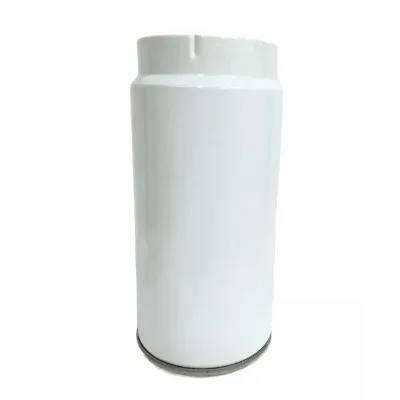
Bf9882 Diesel Fuel Filter Water Separator Filter for Truck and Bus Engine
$12.00 - $20.00
MOQ: 2 Pieces




Comprehensive Sourcing Guide
New Fuel Filter for Trucks and Buses Sourcing Guide
Sourcing new fuel filters for heavy-duty commercial vehicles requires a disciplined approach that balances technical precision with commercial reliability. The global market for these components is vast, with suppliers primarily originating from manufacturing hubs in China, offering a wide array of options ranging from standard replacement parts to customized solutions. Buyers must navigate a landscape where product listings often aggregate multiple filter types, including air, oil, hydraulic, and fuel filters, under a single supplier profile. This consolidation can streamline the search process but demands careful scrutiny to ensure the specific fuel filter model matches the exact requirements of the truck or bus fleet. The observed market signals indicate a high volume of listings, suggesting a competitive environment where price and availability are key drivers, yet technical compatibility remains the non-negotiable foundation of any successful procurement.
The decision to source these components involves evaluating not just the immediate cost but the long-term operational impact of filter performance. Fuel filters are critical for protecting high-pressure injection systems and engine components from contaminants, making their reliability paramount for fleet uptime. Buyers should recognize that while many suppliers offer customizable packaging and branding, the core mechanical integrity of the filter element is what dictates service life and engine protection. Understanding the distinction between generic aftermarket parts and OEM-standard replacements is essential, as is verifying the specific filtration efficiency and material composition. This guide provides a structured framework for evaluating suppliers, interpreting technical data, and establishing commercial terms that mitigate risk while ensuring consistent supply for medium and heavy-duty truck applications.
Product Scope and Observed Listing Signals
The current market landscape for new fuel filters is characterized by a diverse range of product classifications and application scopes. Listings frequently categorize these items under broader headings such as "Oil Filter" or "Fuel Filter," with specific models designed for medium and heavy-duty trucks as well as light trucks. The observed product attributes reveal a strong emphasis on versatility, with many suppliers offering filters that serve dual purposes, such as oil-water separation or the removal of oil impurities. This functional overlap requires buyers to carefully distinguish between filters intended for fuel lines versus those for lubrication systems, as confusion can lead to catastrophic engine damage. The presence of models like FF5764, F-11112, and Wf8429 indicates a broad compatibility matrix, suggesting that suppliers cater to a wide variety of engine makes and models, from legacy diesel engines to modern high-pressure common rail systems.
Visual and packaging attributes also provide significant insight into the supplier’s operational maturity and target market. Products are commonly described as having a wet pattern, with colors ranging from white to black or blue, which may correspond to specific brand identities or material types. The packaging options vary from standard boxes to cartons and customized filmant packages, reflecting the needs of both individual fleet managers and large-scale distributors. Some listings highlight a "mobile" structure or "filter element" type, which refers to the internal construction and ease of replacement. Additionally, the availability of customizable features, such as customer branding on the package, suggests that many suppliers are equipped to handle private label orders, a common requirement for large automotive parts distributors. Buyers should interpret these signals as indicators of a flexible supply chain capable of adapting to specific logistical and branding requirements.
Technical Specifications to Verify
Verifying technical specifications is the most critical step in the sourcing process, as even minor deviations in dimensions or thread size can render a filter incompatible with the target engine. Key physical attributes to confirm include the outer diameter, overall height, and thread size, which are often listed in millimeters and metric thread standards. For instance, specific models may have an outer diameter of 93.5 mm or 94.5 mm, with overall heights of 176.8 mm or 192.5 mm, and thread sizes such as M27 x 2 or M20 x 1.5-6h internal. These precise measurements must be cross-referenced with the vehicle’s service manual or the existing filter’s markings to ensure a perfect fit. The mechanical principle of pressure filtration is standard for these components, but the efficiency of filtration, often claimed to be over 99%, should be validated through supplier documentation or third-party test reports to ensure it meets the stringent requirements of modern diesel engines.
The material composition and structural design of the filter element also play a vital role in its performance and durability. The medium material is frequently identified as fiberglass, which offers a balance of filtration efficiency and dirt-holding capacity. Buyers should inquire about the presence or absence of specific structural features, such as clapboards, which can affect the filter’s ability to withstand pressure differentials. The classification of the product as a cartridge filter or a filter element indicates the method of installation and replacement, which impacts maintenance procedures and labor costs. Furthermore, the warranty period, often cited as one year or 10,000 kilometers, serves as a benchmark for expected service life, but buyers should verify whether this warranty covers only the filter itself or includes potential engine damage resulting from premature failure. Understanding these technical nuances ensures that the selected filter will provide reliable protection and optimal performance throughout its operational lifespan.
Compliance and Safety Documentation
While specific certification statuses are not always explicitly detailed in general listings, buyers must ensure that suppliers can provide the necessary documentation to verify compliance with international quality and safety standards. The reference to IEC 17025, although noted as low-confidence background information, highlights the importance of laboratory testing capabilities in the supply chain. Buyers should request evidence that the supplier’s manufacturing processes and quality control measures align with recognized industry standards, such as ISO 9001 for quality management systems. This documentation is crucial for demonstrating due diligence and ensuring that the filters meet the rigorous demands of commercial vehicle operations. Additionally, suppliers should be able to provide material safety data sheets (MSDS) and other relevant compliance certificates, particularly if the filters contain materials that require specific handling or disposal procedures.
Transparency in sourcing and manufacturing practices is another key aspect of compliance. Buyers should verify the origin of the products, with China being a common source, and ensure that the supplier adheres to ethical labor practices and environmental regulations. The ability to provide traceability for raw materials, such as the fiberglass medium, can also be a valuable indicator of a supplier’s commitment to quality and consistency. Furthermore, buyers should inquire about the supplier’s approach to product liability and warranty claims, ensuring that there is a clear process for addressing any issues that may arise during the warranty period. By prioritizing suppliers who can provide comprehensive compliance documentation, buyers can mitigate legal and operational risks associated with the use of aftermarket parts in commercial fleets.
Cost Drivers and Commercial Terms
The cost of new fuel filters is influenced by a variety of factors, including the complexity of the design, the quality of materials used, and the volume of the order. The observed price range of 0.5 to 100 USD reflects the diversity of products available, from basic replacement filters to high-performance, specialized units. Buyers should consider the total cost of ownership, which includes not only the purchase price but also the cost of installation, maintenance, and potential downtime due to filter failure. Higher-quality filters with superior filtration efficiency and longer service life may have a higher upfront cost but can result in significant savings over time by reducing engine wear and maintenance frequency. Understanding these cost drivers allows buyers to make informed decisions that balance initial expenditure with long-term operational efficiency.
Commercial terms, such as minimum order quantities (MOQ) and payment conditions, also play a significant role in the sourcing process. The observed MOQ range of 1 to 1000 pieces indicates that suppliers are flexible in their order requirements, catering to both small-scale buyers and large distributors. However, buyers should negotiate for favorable terms based on their volume and frequency of orders, such as discounts for larger quantities or extended payment terms. The availability of customized packaging and branding can also impact the cost, as these services often incur additional fees. Buyers should clearly define their requirements for packaging, labeling, and delivery to avoid unexpected charges and ensure that the final product meets their logistical needs. Establishing clear and mutually beneficial commercial terms is essential for building a sustainable and profitable sourcing relationship.
Supplier Qualification and Quality Control
Evaluating supplier qualification is a critical step in ensuring the reliability and consistency of the fuel filter supply. Buyers should assess the supplier’s manufacturing capabilities, quality control processes, and track record in the industry. This includes verifying the supplier’s ability to produce filters that meet the specified technical requirements, such as filtration accuracy, pressure resistance, and material durability. Suppliers with a history of providing high-quality products and positive customer feedback are generally more reliable, but buyers should also conduct their own due diligence by requesting samples and conducting independent testing. The availability of customizable features, such as private labeling, can also indicate a supplier’s flexibility and commitment to meeting specific customer needs.
Quality control measures should be clearly defined and enforced throughout the production process. Buyers should inquire about the supplier’s inspection protocols, including incoming material inspections, in-process quality checks, and final product testing. The use of advanced testing equipment and standardized procedures can help ensure that each filter meets the required specifications before it is shipped. Additionally, buyers should establish a clear process for handling non-conforming products, including procedures for returns, replacements, and refunds. By prioritizing suppliers with robust quality control systems, buyers can minimize the risk of receiving defective products and ensure that their fleet operations are not disrupted by filter failures. Building a strong relationship with a qualified supplier is essential for maintaining consistent quality and performance over time.
Long-Term Procurement Checks
Establishing long-term procurement checks is essential for maintaining the quality and reliability of the fuel filter supply over time. Buyers should implement a regular review process to assess supplier performance, including metrics such as on-time delivery, product quality, and responsiveness to issues. This ongoing evaluation helps identify any trends or patterns that may indicate a decline in quality or service, allowing buyers to take corrective action before significant problems arise. Additionally, buyers should maintain open communication with their suppliers, providing feedback on product performance and addressing any concerns promptly. This collaborative approach fosters a strong partnership and encourages suppliers to continuously improve their products and services.
Regular audits and inspections of the supplier’s facilities and processes can also help ensure ongoing compliance with quality standards. Buyers may choose to conduct these audits themselves or engage third-party inspection services to provide an objective assessment of the supplier’s operations. Furthermore, buyers should stay informed about industry developments and technological advancements in fuel filter technology, as this knowledge can help them make informed decisions about future sourcing strategies. By implementing a comprehensive long-term procurement strategy, buyers can ensure that their fuel filter supply remains reliable, cost-effective, and aligned with their operational needs, ultimately contributing to the overall success and efficiency of their fleet operations.
FAQs
What is the minimum order quantity for these filters?
The minimum order quantity is 20 pieces for oil filters and 50 pieces for general orders. Some specific models like FF5764 may have different requirements, so verify the exact model before placing an order to ensure compliance with supplier limits.
Which truck applications do these filters support?
These filters are designed for medium and heavy-duty trucks as well as light trucks. They function as oil-water separators and handle oil impurities efficiently, making them suitable for various commercial vehicle maintenance needs across different operating conditions.
Can I request custom packaging for my brand?
Yes, customized customer brands and packaging are available for these products. Suppliers support normal boxes, custom boxes, or filmant packages, allowing you to tailor the presentation to match your specific business requirements and branding strategies effectively.
What is the warranty period for the filters?
The warranty period is typically one year or 10,000 kilometers, whichever comes first. This coverage ensures reliability and performance, giving buyers confidence in the durability and quality of the filtration products supplied for their commercial vehicle fleets.
How is the filtration accuracy measured for these units?
The filtration accuracy is rated at more than 99 percent efficiency for removing impurities. These units utilize fiberglass medium material and operate on pressure filtration principles to ensure high reliability and efficient removal of contaminants from the oil system.
What are the physical dimensions of the filter element?
Dimensions vary by model, with outer diameters ranging from 93.5 to 94.5 millimeters and heights between 176.8 and 192.5 millimeters. Thread sizes include M27 x 2 or M20 x 1.5-6h, ensuring compatibility with various engine specifications.
Where are these filters manufactured and shipped from?
These filters originate from China and are shipped globally to meet international demand. The products are manufactured to OEM standards, ensuring consistent quality and performance while leveraging established supply chains for efficient delivery to buyers worldwide.