Source non-slip sofa cup holder for Kitchen, Living Room, and Office
Explore 30 listings for the non-slip sofa cup holder suitable for kitchen, living room, and office settings. Buyers can compare specifications like diameter, material, and MOQ to find the right fit for catering, specialty stores, or home furniture needs.
Key considerations
Products List


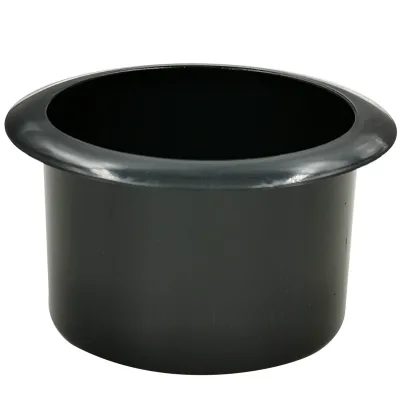


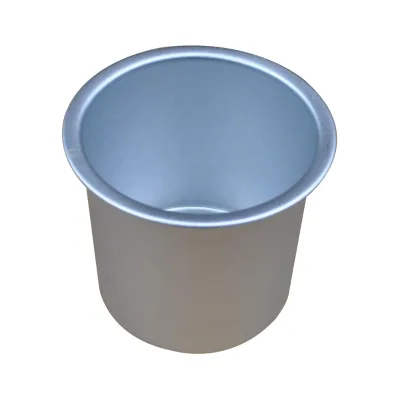
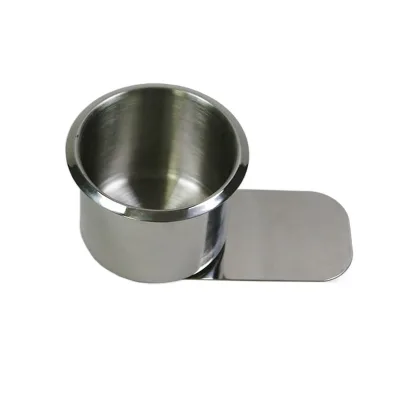


Comprehensive Sourcing Guide
Strategic Sourcing Guide for Non-Slip Sofa Cup Holders
The global market for furniture hardware and accessories has seen a surge in demand for functional, space-saving solutions, particularly for living room environments. Among these, the non-slip sofa cup holder has emerged as a critical component for modern home and commercial interiors. This guide provides a disciplined, evidence-based approach for B2B procurement professionals seeking to source these items. By analyzing the intersection of technical specifications, material properties, and supply chain logistics, buyers can navigate the complex landscape of furniture hardware with confidence. The following sections detail the essential factors for successful procurement, grounded in observed market data and verified product attributes.
Technical Specifications and Dimensional Standards
When evaluating non-slip sofa cup holders, precise dimensional analysis is the first step in ensuring product compatibility. The core functionality of these devices relies on their ability to accommodate various vessel sizes while maintaining stability. Observed market data indicates a significant variance in diameter specifications, which directly impacts the target application. For instance, specific product models list a diameter of 89mm, while others specify a maximum diameter of 110mm. This range suggests that a single SKU may not suffice for a diverse product line; instead, a modular approach to sourcing is often necessary.
Depth is another critical dimension that determines the structural integrity of the holder. Data points reveal a depth of 65mm for certain units, while others feature an inside diameter of 57mm and an outside diameter of 80mm. These measurements are not merely aesthetic; they dictate the volume capacity and the center of gravity for the holder. A hole size of 85mm is also noted in specific configurations, indicating a design intended for larger beverage containers. Procurement teams must verify that the selected model's hole size and depth align with the intended use case, whether it is for standard disposable cups or larger travel mugs.
The single package size also varies significantly, with observations ranging from 11x11x6.5 cm to 15x5.5x13.5 cm. These dimensions are vital for logistics planning, as they influence shipping volume and warehousing requirements. Buyers should request detailed packaging specifications for each potential supplier to calculate the total landed cost accurately. Furthermore, the single gross weight is a key indicator of material density, with observed weights ranging from 0.065 kg to 0.150 kg. This variance often correlates with the material composition, as detailed in the subsequent section.
Material Composition and Durability Factors
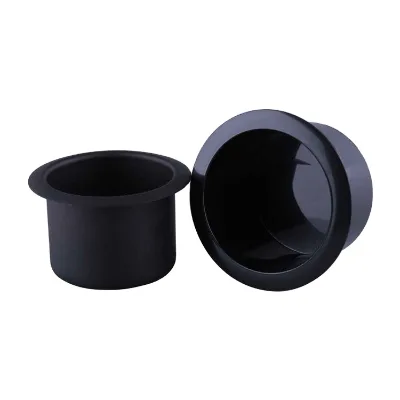
The material selection for sofa cup holders is a primary driver of performance, cost, and aesthetic appeal. The market presents a dichotomy between plastic and metal constructions, each offering distinct advantages. Plastic models are frequently cited with a "Plastic" material attribute, offering a lightweight solution with a single gross weight as low as 0.065 kg. These are often associated with the "Plastic coffee cup holder" product name and are designed for cost-effective, high-volume distribution. The plastic material allows for flexible design styles, including modern aesthetics and various color options such as black, white, and silver/black/golden combinations.
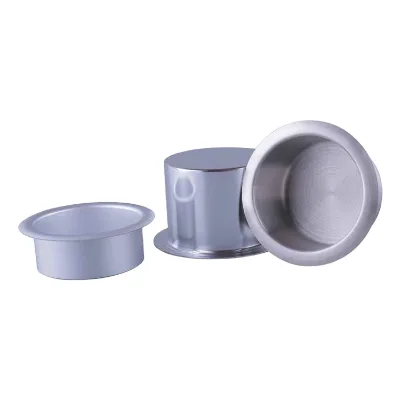
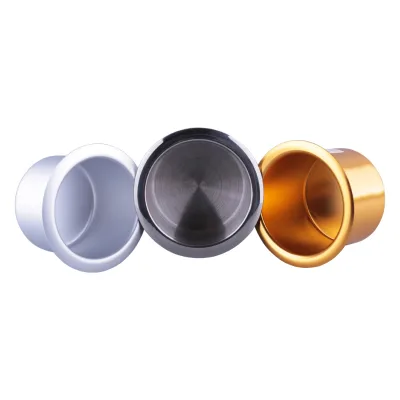
Conversely, metal constructions provide a robust alternative. Specifications list "Metal" and "Stainless Steel" as material attributes, with a corresponding increase in single gross weight to 0.150 kg. Stainless steel models often feature an HS CODE of 7326909000, indicating their classification under metal articles. The use of stainless steel suggests a higher durability profile, suitable for high-traffic commercial environments like catering services or specialty stores. The color palette for metal options often includes silver, black, and golden finishes, catering to different interior design trends.
Buyers must carefully evaluate the trade-off between material cost and longevity. While plastic offers versatility and lower weight, metal provides superior structural integrity and a premium feel. The "Commercial Buyer" attribute for plastic models often points toward caterers and canteens, whereas metal variants are frequently targeted at specialty stores. It is essential to verify the specific material grade and finish quality, as these factors directly influence the product's resistance to wear, corrosion, and daily handling.
Cost Drivers and Procurement Economics
Understanding the cost structure of non-slip sofa cup holders requires a granular analysis of Minimum Order Quantities (MOQ) and unit pricing. The observed MOQ range in the market spans from 1 to 800 pieces, offering flexibility for both small-scale startups and large-scale distributors. However, a specific high-confidence fact indicates an MOQ of 100 pieces for many standard models. This threshold is a common benchmark in the industry, balancing supplier production efficiency with buyer inventory risk.
Pricing dynamics are equally complex. The observed listed price range in USD is 0.12 to 19, a variance that reflects differences in material, complexity, and branding. The lower end of the spectrum likely corresponds to basic plastic models with minimal customization, while the higher end may include premium stainless steel units with advanced features or branding. Buyers should note that the "Selling Units" are typically listed as "Single item," which simplifies the calculation of unit costs but requires careful aggregation for bulk orders.
Additional cost drivers include customization availability and packaging requirements. The "Customization: Available" attribute suggests that buyers can request tailored designs, which may incur setup fees or higher unit costs. The "prod_packing" attribute indicates that items are often shipped in cartons, with a packing quantity of 100 pieces per carton. This standardization aids in logistics but requires verification of the carton's structural integrity to prevent damage during transit. Payment terms, such as a 30% deposit, are also standard in the industry and should be factored into the cash flow planning.
Typical Applications and Market Segmentation
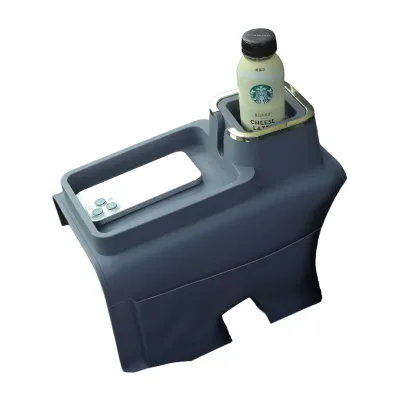
The application scope of non-slip sofa cup holders extends beyond residential living rooms. The "Application" attribute lists "Multi-functional Sofa/Coffee table" as a primary use case, highlighting the product's role in enhancing the utility of modern furniture. However, the "Usage" attribute expands this scope to include "sofa & car & chair," indicating versatility across different environments. This multi-environment capability is particularly valuable for buyers targeting the automotive or hospitality sectors.
Specific commercial buyer segments have been identified, including "Caterers & Canteens" and "Specialty Stores." For caterers, the ability to securely hold cups in dynamic environments is crucial, making the non-slip feature a key selling point. Specialty stores, on the other hand, may prioritize aesthetic design and material quality, such as the "Modern" design style and "Stainless Steel" material. The "Product Name" variations, such as "Furniture Holder" and "Plastic coffee cup holder," further suggest that these items are marketed to diverse segments, from general furniture retailers to specialized hardware suppliers.
The "Design Style" is consistently noted as "Modern," aligning with current interior design trends that favor clean lines and functional minimalism. This style is compatible with a wide range of furniture types, including "Chair, Sofa, Cabinet, Table, Bed," as indicated in the usage attributes. Buyers should ensure that the selected product's aesthetic matches the target market's expectations, as this influences the final retail price and customer adoption.
Supplier Evaluation and Origin Verification
Selecting the right supplier is a critical step in the procurement process. The "Place of Origin" and "Prod Origin" attributes provide valuable insights into the manufacturing base. Guangdong, China, and Xiamen, China, are identified as key production hubs. These regions are known for their robust manufacturing ecosystems, particularly in furniture hardware and plastic molding. Buyers should verify the specific factory location to assess the supplier's proximity to logistics hubs and their capacity for scaling production.
The "Brand Name" attribute, such as "Jinpai," indicates that some suppliers operate under established brand identities. However, many products are listed without a specific brand, suggesting a focus on OEM or ODM capabilities. Buyers should inquire about the supplier's experience with customization and their ability to meet specific design requirements. The "Condition: New" attribute confirms that the products are manufactured to current standards, but buyers should also request evidence of the supplier's quality management systems.
Supplier evaluation should also consider the "Shipping Time," which is observed to be 15-20 days. This lead time is a critical factor in supply chain planning, especially for time-sensitive orders. Buyers must confirm whether this timeline includes production, quality control, and shipping, or if it represents a specific segment of the process. Additionally, the "Packing qty" of 100pcs/ctn should be verified to ensure that the supplier's packaging aligns with the buyer's logistics strategy.
Quality Control and Compliance Considerations
Quality control is paramount when sourcing furniture hardware, as defects can lead to customer dissatisfaction and returns. The "Feature: easy assemble" attribute suggests that the design prioritizes user experience, but this must be validated through physical testing. Buyers should request samples to assess the ease of assembly and the stability of the non-slip mechanism. The "Standard" attribute, listed as "customizad" (customized), implies that products may be tailored to specific requirements, necessitating a rigorous verification process to ensure that custom specifications are met.
Compliance and certification checks are essential, particularly for products intended for commercial use. While specific certification names are not provided in the data, the "HS CODE: 7326909000" for metal products indicates adherence to international trade classification standards. Buyers should verify that the supplier complies with relevant safety standards for furniture hardware, such as load-bearing capacity and material safety. The "Commercial Buyer" attribute for caterers and canteens suggests that the products must withstand frequent use and potential exposure to liquids or cleaning agents.
Buyers should also consider the "Single gross weight" and "Single package size" as indicators of quality. Heavier, well-packaged items often correlate with higher material quality and better protection during shipping. The "Color" options, including "Light Gray, Black, Buff," and "Silver/black/golden," should be verified for consistency and durability. Color fading or chipping can be a sign of poor quality control, so buyers should request color fastness test results if available.
Long-Term Procurement and Supply Chain Resilience
Long-term procurement success depends on building a resilient supply chain that can adapt to market fluctuations. The "Customization: Available" attribute offers a strategic advantage, allowing buyers to differentiate their product offerings and respond to changing consumer preferences. However, customization requires a stable supplier relationship and clear communication of specifications. Buyers should establish a framework for ongoing collaboration, including regular quality audits and performance reviews.
The "Payment: 30% Deposit" term is standard but should be negotiated based on the order volume and supplier relationship. For long-term contracts, buyers may seek more favorable terms, such as extended payment periods or volume discounts. The "Shipping Time" of 15-20 days should be monitored closely, as delays can disrupt inventory levels and customer satisfaction. Buyers should develop contingency plans, such as maintaining safety stock or identifying alternative suppliers, to mitigate the risk of supply chain disruptions.
Finally, the "Product Type: Other Furniture Hardware" classification suggests that these items are part of a broader category of furniture accessories. Buyers should consider the potential for cross-selling and bundling opportunities with other hardware products. By integrating non-slip sofa cup holders into a comprehensive product line, buyers can increase their market share and enhance customer loyalty. The "Design Style: Modern" and "Application: Multi-functional" attributes provide a strong foundation for this strategy, as they align with current market trends and consumer demands.
FAQs
What are the typical diameter specifications for non-slip sofa cup holders?
Typical diameters range from 89mm to a maximum of 110mm, with some models featuring an inside diameter of 57mm and an outside diameter of 80mm. Buyers should verify the hole size, which can be 85mm, to ensure compatibility with specific cup sizes before placing orders.
Which materials are commonly used for non-slip sofa cup holders?
Products are available in both plastic and metal constructions, including stainless steel. Plastic models often weigh 0.065 kg, while metal variants can reach 0.150 kg, offering different durability profiles for residential or commercial environments like catering services.
Can buyers customize the design and finish of these cup holders?
Yes, customization is available for design styles and finishes such as silver, black, or golden. Buyers can request tailored specifications, though this may affect unit costs and requires verification of the custom standard against the supplier's production capabilities.
What is the standard minimum order quantity for these products?
The standard minimum order quantity is 100 pieces, though the market range spans from 1 to 800 pieces. Buyers should confirm the specific MOQ with the supplier, as 100 pieces per carton is a common packing quantity for logistics efficiency.
How long does the shipping process typically take for these items?
The standard shipping time is 15 to 20 days from the time of order placement. This lead time includes production and packaging, so buyers should plan their inventory accordingly to avoid stockouts, especially when sourcing from origins like Guangdong or Xiamen.