Source Non-Slip Soft PVC Kettlebell for Strength Training, Home Fitness, Gym
Compare 30 listings of non-slip soft PVC kettlebells designed for strength training, home fitness, and gym use. Buyers can evaluate features like anti-rust coatings, flat bottom structures, and customizable options including color, logo, and weight.
Key considerations
Products List


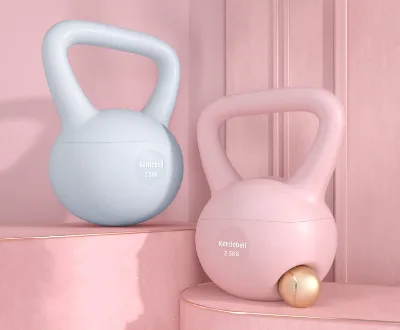
China Fitness Home Gym Customized Logo Strength Training PVC Soft Kettlebell
$2.60 - $3.80
MOQ: 100 Pieces


Comprehensive Sourcing Guide
Strategic Sourcing Guide for Non-Slip Soft PVC Kettlebells
The global fitness equipment market has witnessed a significant shift toward versatile, user-friendly, and space-efficient training tools. Among these innovations, the non-slip soft PVC kettlebell has emerged as a critical asset for commercial gyms, home fitness enthusiasts, and specialized training facilities. This guide provides a disciplined, evidence-based approach to sourcing these specific units, focusing on the intersection of material science, safety compliance, and supply chain reliability. Buyers must navigate a landscape where product attributes vary significantly between manufacturers, requiring a rigorous verification process to ensure that the "soft" and "non-slip" claims translate into genuine performance and durability.
Technical Specifications and Material Composition
Understanding the technical architecture of a non-slip soft PVC kettlebell is the first step in effective procurement. Unlike traditional cast iron or steel kettlebells, these units rely on a composite construction designed to minimize injury risk during floor drops or accidental contact. The core structural integrity typically depends on a high-density internal filler. In verified product data, iron sand is frequently cited as the internal filler, providing the necessary mass and weight distribution required for effective strength training while maintaining a manageable external profile.
The outer shell is the defining characteristic of this category. The material is identified as plastic, specifically engineered to offer a soft-touch surface. This softness is not merely aesthetic; it serves a functional safety purpose, reducing the impact force if the kettlebell is dropped or swung into a body part. The surface treatment is equally critical. A non-slip wave texture is a common specification observed in commercial-grade units. This texturing increases the coefficient of friction, ensuring that the handle remains secure even when the user's hands are perspiring during high-intensity interval training (HIIT) or heavy lifting sessions.
Weight tolerance is another technical parameter that demands scrutiny. Standard manufacturing tolerances for these units often hover around ±2%. While this range is typical for mass-produced fitness equipment, buyers should verify that the specific supplier adheres to this standard to ensure consistency across a batch. The weight range for these products often spans from 2.5 kg to 12 kg, or in imperial measurements, 5 to 12 pounds, catering to a wide spectrum of user strength levels. The bottom design is frequently a flat bottom structure, which is essential for stability during exercises like goblet squats or when the unit is placed on the floor between sets.
Compliance, Certification, and Environmental Standards
In the B2B procurement of fitness equipment, compliance is not optional; it is a prerequisite for market entry and liability protection. When sourcing non-slip soft PVC kettlebells, buyers must prioritize environmental and material safety certifications. A key standard observed in the current market is the REACH (Registration, Evaluation, Authorization and Restriction of Chemicals) certification. This certification confirms that the PVC materials used in the manufacturing process do not contain restricted substances that could pose health risks to users or the environment.
Furthermore, the "Eco-Friendly" standard is a recurring attribute in product listings. This designation suggests that the manufacturing process and the raw materials adhere to specific environmental guidelines, potentially involving the use of non-toxic dyes and recyclable components. For buyers targeting commercial gyms or schools, these certifications are often mandatory. The absence of strong odors is another critical quality indicator. Products described as "odorless" indicate that the PVC curing process was completed correctly, avoiding the release of volatile organic compounds (VOCs) that can be unpleasant or harmful in enclosed training spaces.
Buyers should also verify the specific environmental standards applicable to their target market. While REACH is a robust European standard, other regions may have different requirements regarding plastic waste and chemical usage. The procurement strategy must include a request for valid, up-to-date certification documents from the supplier before finalizing any order. Relying on marketing claims without documentary proof can lead to significant compliance failures and potential recalls.
Cost Drivers and Pricing Dynamics
The pricing of non-slip soft PVC kettlebells is influenced by a complex matrix of factors, including material costs, customization requirements, and production complexity. The observed price range for these units in the current market spans from $0.39 to $45.00 USD. This wide variance is not arbitrary; it reflects differences in unit weight, material density, and the extent of customization. A basic, unbranded unit with standard coloring will naturally fall at the lower end of this spectrum, while a fully customized, commercial-grade unit with specific branding and premium packaging will command a higher price.
Material costs are a primary driver. The price of high-quality PVC and the density of the iron sand filler directly impact the final cost. Additionally, the surface treatment process, such as the application of a non-slip wave texture, adds to the manufacturing expense. Customization is another significant cost variable. Suppliers offering OEM (Original Equipment Manufacturer) and ODM (Original Design Manufacturer) services allow buyers to alter the color, logo, weight, and design. These customizations require additional tooling, setup time, and quality control measures, all of which increase the unit price.
The order volume also plays a crucial role in cost determination. The Minimum Order Quantity (MOQ) ranges from 1 to 1000 units. Smaller orders, often in the single-digit or low double-digit range, typically incur a higher per-unit cost due to the fixed costs of setup and logistics. Conversely, bulk orders that meet higher MOQ thresholds can leverage economies of scale to reduce the per-unit price. Buyers must balance their budget constraints with their volume needs to optimize their procurement strategy.
Typical Applications and Usage Scenarios
Non-slip soft PVC kettlebells are designed for a diverse range of applications, making them highly versatile for various fitness environments. The primary application is strength training, where the soft exterior allows for dynamic movements without the risk of damage to flooring or injury to the user. These units are particularly well-suited for home fitness setups, where space is often limited and the risk of damaging hardwood or tile floors is a concern. The flat bottom structure ensures stability during static holds and floor-based exercises.
In commercial gym settings, these kettlebells serve as essential tools for group fitness classes, including HIIT, circuit training, and functional fitness programs. The non-slip feature is critical in these high-energy environments where sweat is prevalent. The soft material also makes them ideal for rehabilitation centers and physical therapy clinics, where safety is paramount and the risk of impact injury must be minimized. The product's application extends to fitness competitions, where the durability and safety features are tested under rigorous conditions.
The "Universal" application label found in some product data suggests that these units are adaptable to various training modalities. Whether used for swings, snatches, cleans, or presses, the soft PVC construction maintains its integrity while providing the necessary resistance. The weight range of 2.5 to 12 kg (or 5 to 12 lbs) covers the needs of beginners to intermediate athletes, making these kettlebells a staple for general fitness programs.
Supplier Evaluation and Production Capabilities
Selecting the right supplier is a critical component of the sourcing process. Buyers should evaluate suppliers based on their production capabilities, specifically their ability to handle OEM and ODM requests. The market data indicates that many suppliers offer flexible production services, allowing for customization of color, logo, weight, and design. This flexibility is essential for brands looking to differentiate their product lines.
The supply chain reliability is another key factor. Lead times for these products typically range from 25 to 30 days. This timeline includes the production cycle, quality control checks, and packaging preparation. Buyers must account for this lead time in their inventory planning to avoid stockouts. The production location is predominantly in China, with specific regions like Shandong noted as origins. This concentration of manufacturing hubs can offer competitive pricing but requires careful vetting of logistics and export capabilities.
Packaging details are also indicative of a supplier's professionalism. Standard packaging often includes a polybag, carton, and wooden pallet or wooden case for bulk shipments. The dimensions of the packaging, such as 554512cm for individual units, are important for calculating shipping costs and storage requirements. Suppliers should also provide clear information on their port of dispatch, with Qingdao being a common port of origin. Verifying the supplier's ability to meet these logistical requirements ensures a smooth transition from production to delivery.
Quality Control and Long-Term Procurement Considerations
Quality control is the final gatekeeper in the procurement process. Buyers must establish clear quality benchmarks before placing an order. Key areas of focus include the integrity of the PVC shell, the uniformity of the non-slip texture, and the accuracy of the weight. The tolerance of ±2% is a standard metric, but buyers should request sample testing to verify that the actual weight falls within this range. The warranty period, often cited as 1 to 2 years, is another indicator of the manufacturer's confidence in their product. A longer warranty period suggests a higher quality of materials and construction.
Long-term procurement considerations involve building a sustainable relationship with the supplier. This includes ensuring consistent quality across multiple production runs and maintaining open communication regarding any design or material changes. The ability of the supplier to adapt to changing market demands, such as new color trends or updated safety standards, is crucial. Additionally, buyers should consider the environmental impact of the product lifecycle. The "Eco-Friendly" and "Odorless" attributes suggest a commitment to sustainability, which aligns with the growing consumer demand for environmentally responsible products.
To mitigate risks, buyers should implement a robust inspection protocol. This may involve third-party inspections during production and pre-shipment checks to ensure that the final products meet all specified requirements. By focusing on these quality control measures, buyers can ensure that their investment in non-slip soft PVC kettlebells delivers value and performance over the long term.
Comparative Analysis of Product Attributes
To facilitate a clearer understanding of the variations in the market, the following table summarizes key attributes observed across different product listings. This comparison highlights the diversity in specifications and helps buyers identify the features that align with their specific needs.
| Attribute | Product A (Commercial Grade) | Product B (Home Fitness) | Product C (Customizable) |
|---|---|---|---|
| Material | Plastic (PVC) | Plastic (PVC) | Plastic (PVC) |
| Internal Filler | Iron Sand | Iron Sand | Iron Sand |
| Surface Treatment | Non-Slip Wave Texture | Non-Slip | Non-Slip Wave Texture |
| Weight Range | 2.5-12 kg | 5-12 LB | Customizable |
| Certification | REACH, Eco-Friendly | Eco-Friendly | REACH |
| Logo Processing | Multiple Methods Available | Customized Logo Available | Customized Logo Available |
| Delivery Time | 25 Days | Around 30 Days | Variable |
| Warranty | 1-2 Years | 1-2 Years | 1-2 Years |
| Packaging | Polybag+CTN+Wooden Pallet | Polybag+CTN+Wooden Case | Polybag+CTN+Wooden Pallet |
| Origin | China | Shandong, China | China |
This table illustrates that while the core material and filler remain consistent, the specific features such as surface texture, certification, and packaging can vary. Buyers should use this comparison to prioritize the attributes that are most critical for their specific use case. Whether the priority is commercial durability, home safety, or brand customization, the data provides a clear framework for decision-making.
In conclusion, sourcing non-slip soft PVC kettlebells requires a meticulous approach that balances technical specifications, compliance, cost, and supplier reliability. By adhering to the evidence-based guidelines outlined in this guide, buyers can navigate the complexities of the market and secure high-quality products that meet the demands of modern fitness training. The focus on verified data, rather than marketing claims, ensures that the procurement process is transparent, efficient, and successful.
FAQs
What materials are used for non-slip soft PVC kettlebells?
These kettlebells use a plastic outer shell filled with iron sand for mass. The surface features a non-slip wave texture to ensure a secure grip during sweaty workouts. This composite design minimizes injury risk while maintaining durability for strength training applications.
Which certifications confirm the safety of these kettlebells?
Products often carry REACH certification to verify that materials are free from restricted chemicals. They also meet eco-friendly standards and are typically odorless, ensuring they are safe for commercial gyms and home fitness environments without releasing harmful volatile compounds.
How long does delivery take for custom orders?
Standard delivery times range from 25 to 30 days depending on the supplier and order specifics. This lead time covers production, quality control, and packaging preparation, so buyers should plan their inventory accordingly to avoid stockouts during peak seasons.
Can I customize the color and logo on these units?
Yes, suppliers offer OEM and ODM services allowing customization of color, logo, weight, and design. Buyers can select from various colors like pink or blue and request specific branding, though these customizations may influence the final unit price and minimum order quantity.
What is the weight tolerance for these kettlebells?
Manufacturing tolerances typically hover around plus or minus 2 percent to ensure consistency across batches. This standard applies to the weight range of 2.5 to 12 kilograms, guaranteeing that the units provide reliable resistance for strength training and fitness competitions.
Where are these kettlebells typically manufactured?
Production is predominantly located in China, with specific origins noted in regions like Shandong. Buyers should verify the port of dispatch, which is often Qingdao, to accurately calculate shipping costs and ensure reliable logistics for their bulk orders.