Source Non-Slip Stain Resistant Tufted Rug for Home Hotel Office
Find 30 listings for a non-slip stain resistant tufted rug suitable for home, hotel, and office use. Buyers can compare customization options, material types like wool or polyester, and sizes ranging from standard to customer-made dimensions.
Key considerations
Products List


Hand Tufted Carved New Zealand Hand Tufted Belgium Carpets and Rug
$60.00 - $80.00
MOQ: 1 Square Meters


Simple Style Non-Slip Carpet Fluffy Carpet Soft Shaggy Rug Customized
$1.75 - $3.50
MOQ: 300 Square Meters


Handmade Tufting Rug Luxury Decorative Wool Fabric Anti-Slip Floor Mat Carpet Padding
$36.00 - $99.00
MOQ: 1 Square Meters


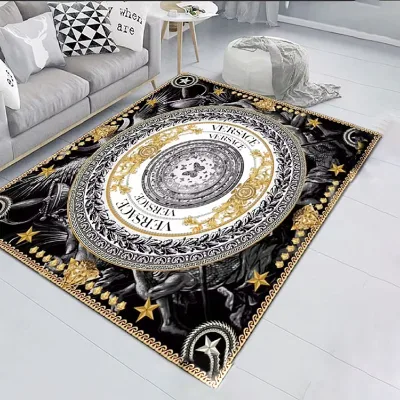
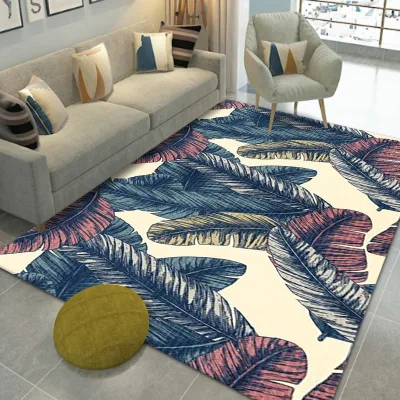
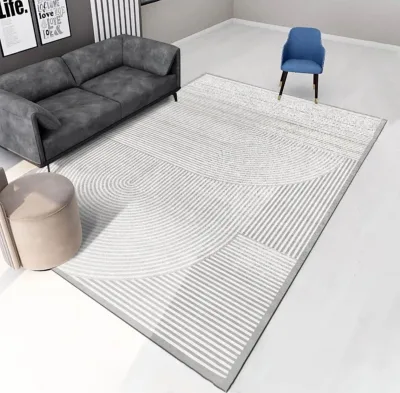
Comprehensive Sourcing Guide
Strategic Sourcing Guide for Non-Slip Stain Resistant Tufted Rugs
The global market for floor coverings has seen a significant shift toward versatile, durable, and aesthetically adaptable solutions, with the non-slip stain resistant tufted rug emerging as a critical category for both commercial and residential procurement. For B2B buyers, navigating this sector requires a disciplined approach that distinguishes between observed product attributes and generalized marketing claims. The core keyword "non-slip stain resistant tufted rug" encapsulates a specific intersection of construction methods, material science, and safety features. This guide provides a comprehensive framework for sourcing these products, grounded in verified technical specifications and industry standards, ensuring that procurement decisions are based on tangible evidence rather than speculative performance data.
Understanding Construction and Technical Specifications
The foundation of a high-quality tufted rug lies in its construction method and material composition. In the context of the current market, "tufted" refers to a technique where yarn is punched through a primary backing to create loops or cut piles. This method allows for intricate designs and varied textures, making it ideal for decorative applications. A critical observation from current product listings indicates that the construction can vary between "Hand-Tufted" and "Tufted" processes, with specific examples citing a "Hand-Tufted" construction using 100% wool yarn. The yarn content is a primary determinant of the rug's feel, durability, and cost. While some products utilize 100% wool, others are constructed from chemical fibers or polyester blends, each offering distinct advantages in terms of stain resistance and maintenance.
Thickness is another vital specification that buyers must verify. Market data suggests that tufted rugs in this category often range in thickness from 10mm to 12mm. A thickness of 12mm, for instance, is observed in specific models, providing a plush feel suitable for high-traffic areas like hotel corridors or home living spaces. The backing system is equally important for the "non-slip" attribute. Verified specifications point to a backing composition of 35% cotton and 65% polyester in a basket weave pattern. This specific blend provides structural integrity while the rubber or latex coating (often implied by the non-slip claim) ensures the rug stays in place on smooth flooring surfaces. Buyers should request detailed backing specifications to confirm that the adhesive and weave density meet the requirements for the intended installation location, whether it be a commercial corridor or a residential bathroom.
Material Science and Performance Attributes
The performance of a tufted rug is heavily influenced by its material composition. The keyword "stain resistant" is often associated with specific fiber types and treatment processes. In the observed product data, materials range from natural wool to synthetic chemical fibers and polyester. Wool, particularly when sourced with high yarn accounts such as 380/1tex, offers natural stain resistance and durability but requires specific care. Conversely, polyester and chemical fiber options are frequently highlighted for their ease of maintenance, with attributes like "Waterproof" and "Stain Resistant" explicitly listed. These synthetic materials are often preferred for high-traffic commercial environments, such as hotels, offices, and commercial spaces, where frequent cleaning is necessary.
Cleaning and maintenance protocols are a direct extension of material science. Verified product attributes indicate that some rugs are "Machine Washable" and "Hand Wash" compatible, while others are simply "Stain Resistant." The distinction is crucial for procurement planning. A rug marketed as "Waterproof" and "Machine Washable" implies a synthetic construction that can withstand aggressive cleaning cycles, whereas a 100% wool rug may require "Hand Wash" or professional cleaning to maintain its integrity. Buyers must align the material choice with their operational capabilities. For instance, a hotel procurement team might prioritize a rug with "Stain Resistant" and "Machine Washable" attributes to reduce long-term maintenance costs, while a boutique home decor buyer might prefer the natural aesthetics of wool, accepting the need for more delicate care.
Compliance, Certification, and Safety Verification
When sourcing non-slip and stain-resistant rugs, compliance with safety and environmental standards is paramount, though specific certification data must be handled with caution. While background knowledge suggests the existence of standards like GOTS (Global Organic Textile Standard) and OEKO-TEX, these should not be assumed as standard features for every listed product. Instead, buyers must treat these certifications as verification points that require explicit confirmation from the supplier. The "non-slip" attribute, often linked to the backing, must be validated through specific testing protocols to ensure it meets local building codes and safety regulations, particularly for commercial applications like hotels and public spaces.
Buyers should verify the "Standard" or "Product Standard" listed by the supplier. Observed data mentions that standards can be "Any Size of the client want," indicating a high degree of customization. However, this does not negate the need for safety compliance. The "Non-slip" feature should be supported by friction coefficient data or specific test results relevant to the installation surface. For example, a rug intended for a bathroom or a commercial corridor must demonstrate sufficient slip resistance under wet conditions. Procurement teams should request test reports that validate the slip resistance of the backing system, ensuring that the "Basket Weave" or other backing types provide the necessary grip. Similarly, for "stain resistance," buyers should ask for chemical resistance data or dye-fastness ratings, especially if the rug is intended for environments with high exposure to spills or harsh cleaning agents.
Cost Drivers and Pricing Dynamics
The cost of sourcing non-slip stain-resistant tufted rugs is driven by a complex interplay of material, construction, and customization factors. The observed price range in the market spans from $0.55 to $180, a wide variance that reflects differences in material quality, size, and production complexity. The primary cost driver is the yarn content; 100% wool rugs, such as those with a 380/1tex yarn account, command a higher price point compared to those made from chemical fibers or polyester. Additionally, the "Hand-Tufted" construction method, which involves more labor-intensive processes than machine tufting, significantly increases the unit cost.
Customization is another major factor influencing price. The market data indicates that "Customized Size" and "Custom Design" are widely accepted, with suppliers offering "Any Size Is Available." Custom orders often incur higher costs due to the setup time for looms and the need for specialized dyeing processes like "Hank Dyeing" or "Skein Dyeing." The "Dyeing" method also impacts cost; Swiss main ingredients or specific dyeing techniques may add to the expense but offer superior color fastness and uniformity. Buyers must balance the desire for customization with budget constraints. While a "Customized" rug allows for perfect fit and design alignment, it may come with a higher Minimum Order Quantity (MOQ) and longer lead times. The observed MOQ range of 1 to 2000 units suggests flexibility, but larger orders typically benefit from economies of scale, reducing the per-unit cost.
Typical Applications and Installation Considerations
The versatility of non-slip stain-resistant tufted rugs makes them suitable for a diverse range of applications. Verified product attributes list usage scenarios including "Home," "Hotel," "Commercial," "Bath," "Auto," and "Exercise." The "Indoor" and "Outdoor/indoor" suitability indicates that these rugs are designed to withstand varying environmental conditions, though the specific material composition dictates the extent of outdoor use. For instance, a polyester rug with "Waterproof" attributes is ideal for bathrooms or outdoor patios, whereas a wool rug might be better suited for indoor living spaces or hotel corridors where moisture is controlled.
Installation location is a critical consideration for the "non-slip" feature. The data specifies "Floor Carpet" as the installation location, but the specific environment matters. In commercial settings like hotel corridors, the rug must not only be non-slip but also durable enough to handle heavy foot traffic. The "Decorative" type and "Oriental" or "Modern" design options allow these rugs to serve as both functional floor coverings and aesthetic focal points. For automotive use, the rug must be tailored to fit specific vehicle contours, often requiring custom sizing and cutting. Buyers should ensure that the rug's thickness and backing are appropriate for the specific installation surface. A 12mm thick rug might be too bulky for a car floor, while a 10mm rug could be more suitable. Additionally, the "Product Form" as "Carpet" or "Rugs" implies different installation methods, with larger carpets often requiring professional installation to ensure the non-slip backing adheres correctly to the floor.
Supplier Evaluation and Quality Control Protocols
Evaluating suppliers for non-slip stain-resistant tufted rugs requires a rigorous approach to quality control and capability assessment. The origin of these products is predominantly "China," with specific locations like "Qingyuan" noted. While this provides a geographic context, buyers should not rely solely on location for quality assurance. Instead, they must verify the supplier's production capabilities, specifically their ability to execute "Hand-Tufted" or "Tufted" techniques with precision. The "Strands" count, "Number of Stitches," and "Number of Rows /10cm" are technical metrics that indicate the density and quality of the rug. For example, a rug with 28 stitches and 24 rows per 10cm suggests a high-density construction, which correlates with better durability and a more luxurious feel.
Quality control should extend to the finishing and packaging stages. Verified attributes mention "One PCS in One Plastic Bag in Rolling" or "Detail in a Roll by PP and Woven Bag." Proper packaging is essential to prevent damage during transit, especially for rugs that are rolled. Buyers should inspect the packaging to ensure that the rug is protected from moisture and physical stress. Furthermore, the "Customization" aspect requires clear communication channels. Suppliers offering "Carving" or "Design Color" customization must have the technical expertise to execute these requests accurately. Buyers should request samples that match the specific design and color requirements before placing a large order. The "Delivery Time" of 15-25 days, depending on quantity, is a standard lead time that buyers should factor into their supply chain planning.
Long-Term Procurement and Maintenance Strategy
Sourcing non-slip stain-resistant tufted rugs is not a one-time transaction but part of a long-term procurement strategy. The "Cleaning & Maintenance" attributes, such as "Hand Wash," "Machine Washable," and "Stain Resistant," directly impact the total cost of ownership. Buyers should develop a maintenance plan that aligns with the rug's material and construction. For synthetic rugs, regular vacuuming and spot cleaning may suffice, while wool rugs may require professional cleaning to maintain their appearance and longevity. The "Waterproof" attribute, if present, simplifies maintenance but should be verified to ensure it does not compromise the rug's breathability or structural integrity.
Long-term considerations also include the availability of replacement parts or matching stock. Since "Customized Size" and "Custom Design" are common, buyers should ensure that the supplier can reproduce the rug if additional units are needed in the future. The "Brand Name" being "customized" suggests that many products are private-labeled, which means the buyer has control over the branding but must maintain a relationship with the supplier for future reorders. Additionally, the "Small Orders: Accepted" attribute indicates that suppliers are flexible, allowing buyers to test the market with smaller quantities before committing to large-scale procurement. This flexibility is valuable for managing inventory risks and adapting to changing design trends. By focusing on these long-term factors, buyers can ensure a sustainable and cost-effective supply chain for their non-slip stain-resistant tufted rug needs.
Comparative Analysis of Product Attributes
To facilitate informed decision-making, the following table summarizes key attributes observed in the market for non-slip stain-resistant tufted rugs. This comparison highlights the variability in materials, construction, and maintenance requirements, helping buyers identify the best fit for their specific needs.
| Attribute Category | Option A (Wool Focus) | Option B (Synthetic Focus) | Option C (Custom/Commercial) |
|---|---|---|---|
| Material | 100% Wool | Chemical Fiber / Polyester | Mixed / Custom Blend |
| Construction | Hand-Tufted | Tufted | Hand-Tufted / Custom |
| Thickness | 12mm | 10mm | Variable (Custom) |
| Backing | 35% Cotton / 65% Polyester | Standard Non-Slip | Basket Weave / Custom |
| Maintenance | Hand Wash | Machine Washable | Hand Wash / Professional |
| Design | Oriental / Custom | Modern | Custom Design |
| Usage | Home, Hotel | Commercial, Bath | All Environments |
| Price Range | Higher ($100+) | Lower ($0.55-$50) | Variable |
This table illustrates that while all options meet the core keyword criteria, the specific application dictates the optimal choice. A buyer seeking a premium home decor item might prefer Option A, while a commercial facility manager would likely select Option B for its durability and ease of maintenance. Option C offers the flexibility required for specialized projects where standard sizes and designs do not suffice. By carefully evaluating these attributes against project requirements, buyers can make strategic sourcing decisions that balance cost, quality, and performance.
FAQs
What materials are used for non-slip stain resistant tufted rugs?
These rugs are constructed from materials such as polyester, wool, and chemical fibers. Specific listings show options like 100% wool with a 35% cotton and 65% polyester backing, while others utilize synthetic fibers for enhanced stain resistance and waterproofing capabilities.
How thick are the available non-slip stain resistant tufted rugs?
The observed thickness for these rugs ranges from 10mm to 12mm. A 12mm thickness is noted for specific models providing a plush feel, while 10mm options are also available to suit different installation requirements and traffic levels.
Can I order custom sizes for non-slip stain resistant tufted rugs?
Yes, custom sizes are widely accepted for these products. Suppliers offer any size as available, allowing buyers to request specific dimensions tailored to their needs, whether for home, hotel, or commercial corridor applications.
What is the typical lead time for non-slip stain resistant tufted rugs?
The delivery time is usually 15 to 25 days, depending on the order quantity. This timeframe applies to standard production runs, though customized designs or large volumes may influence the final schedule slightly.
Which cleaning methods are suitable for non-slip stain resistant tufted rugs?
Cleaning protocols vary by material, with options including machine wash, hand wash, and stain-resistant treatments. Some synthetic rugs are waterproof and machine washable, while wool varieties may require hand washing to maintain their integrity and appearance.
Where are non-slip stain resistant tufted rugs typically manufactured?
These products originate primarily from China, with specific manufacturing hubs noted in locations like Qingyuan. Buyers should verify the specific origin and production capabilities when selecting a supplier for their procurement needs.
What is the minimum order quantity for non-slip stain resistant tufted rugs?
The minimum order quantity ranges from 1 to 2000 units depending on the supplier and customization level. Small orders are accepted, offering flexibility for buyers who need limited quantities or wish to test product quality before scaling.