Source Non-Slip Washable Shaggy Carpet for Home, Hotel, and Office
Find 30 non-slip washable shaggy carpet options tailored for residential, hospitality, and commercial environments. Compare features like antimicrobial backing, plush pile heights, and custom sizing to identify the best fit for your procurement needs.
Key considerations
Products List
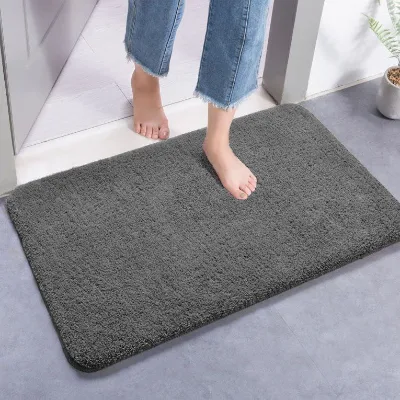
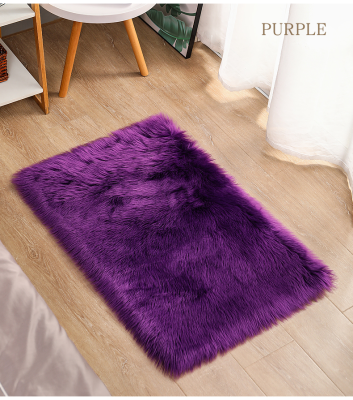


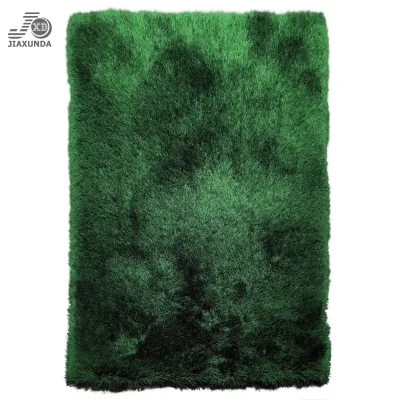


Simple Style Non-Slip Carpet Fluffy Carpet Soft Shaggy Rug Customized
$1.75 - $3.50
MOQ: 300 Square Meters

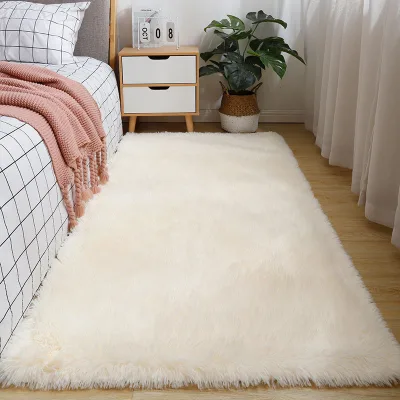
Autumn and Winter Thick Plush Bedroom Anti Slip Bedside Mat shaggy carpet
$0.94 - $14.60
MOQ: 11 Minimum
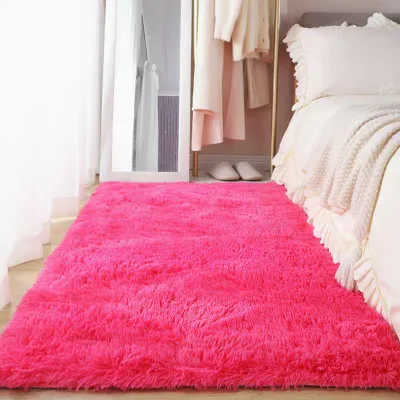
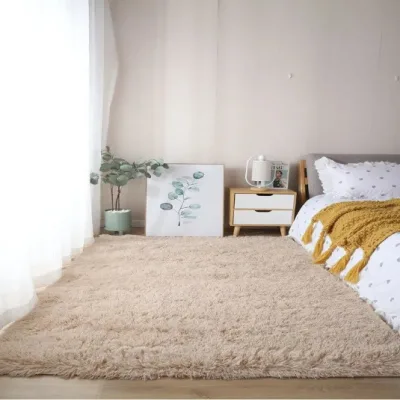
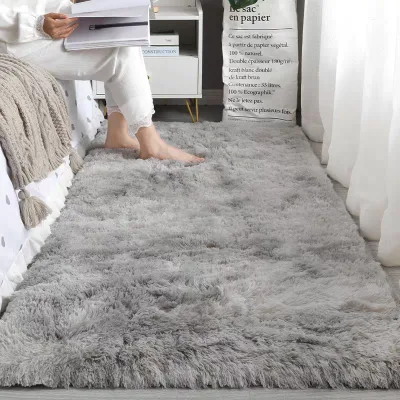
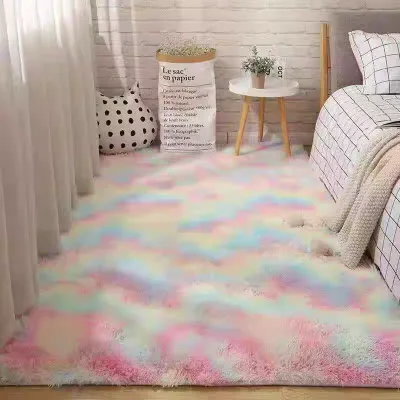
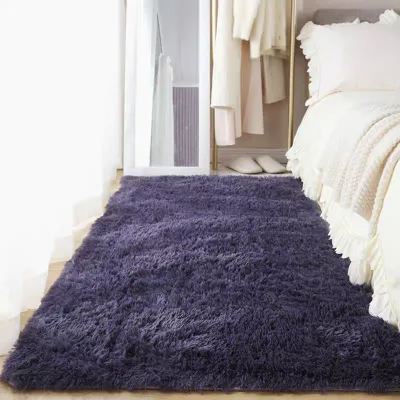


Durable 6cm Shaggy Rugs Floor Carpet Soft Velvet Carpets for Living Room
$3.60 - $4.00
MOQ: 50 Square Meters


Easy to Clean 4cm Shaggy Rugs Floor Carpet Soft Velvet Carpets for Living Room
$3.60 - $4.00
MOQ: 50 Square Meters
Comprehensive Sourcing Guide
Non-Slip Washable Shaggy Carpet Sourcing Guide
Sourcing non-slip washable shaggy carpets requires a careful balance between aesthetic appeal and functional durability, particularly for high-traffic residential and commercial environments. Buyers must distinguish between products marketed as "shaggy" or "plush" and those that explicitly meet the criteria for washability and slip resistance. The market offers a wide variety of options, ranging from machine-made tufted rugs with thick sponge layers to hand-knotted acrylic fibers, each presenting different maintenance profiles and installation requirements. Understanding these distinctions is critical for selecting the right product for specific use cases, such as living rooms, bedrooms, or hotel lobbies.
The procurement process involves evaluating multiple technical attributes, including pile height, backing material, and surface composition. While many listings advertise features like stain resistance and antimicrobial properties, buyers should verify these claims through supplier documentation rather than relying solely on product titles. The observed market data indicates a significant variation in minimum order quantities (MOQs) and pricing structures, which can impact the total cost of ownership. By focusing on verified specifications and clear commercial terms, buyers can mitigate risks associated with quality inconsistencies and supply chain delays.
Product Scope and Observed Listing Signals
The current market landscape for non-slip washable shaggy carpets includes a diverse range of products with varying applications and material compositions. Observed listings highlight products designed for home, hotel, and commercial use, with specific applications extending to dining rooms, hallways, and even outdoor areas. The product names often emphasize key features such as "thickened absorbent," "plush," or "faux fur," indicating a focus on comfort and visual appeal. Buyers should note that while many products claim to be washable, the actual cleaning method—whether machine washable, hand washable, or requiring professional cleaning—varies significantly between manufacturers.
Material composition is a primary differentiator among the observed products. Some listings specify a surface material of 68% polyester and 32% cotton, offering a blend of durability and softness, while others utilize 80% acrylic fibers and 20% polyester for a plush, shaggy texture. The backing materials also differ, with options ranging from drip glue non-woven fabric with a plastic bottom to more traditional backing systems. These material choices directly influence the carpet's performance, including its ability to resist stains, its cushioning properties, and its suitability for specific environments like pet-friendly households or high-moisture areas.
Technical Specifications to Verify
When evaluating technical specifications, buyers must prioritize the verification of size, thickness, and construction methods. The observed market shows a wide range of standard sizes, such as 60x160cm, 80x120cm, and 60x90cm, with many suppliers offering custom dimensions to meet specific project requirements. Thickness is another critical factor, with some products described as "extra thick" (greater than 1 inch) and featuring a slow-rebound sponge sandwich layer for enhanced comfort. Buyers should confirm the exact pile height and overall thickness to ensure the product meets the desired aesthetic and functional standards for their space.
Construction techniques and backing integrity are equally important for long-term performance. Products are described as either machine-made and tufted or hand-knotted, with the latter often commanding a higher price point due to labor intensity. The non-slip feature is typically achieved through specific backing materials, such as drip glue non-woven fabric or point plastic bottoms, which provide traction on various floor types. Buyers should request detailed specifications regarding the backing material's durability and its ability to prevent shifting, especially in high-traffic areas or on smooth surfaces like hardwood or tile.
Compliance and Safety Documentation
Safety and compliance are paramount when sourcing carpets for residential and commercial use, particularly regarding flammability and chemical safety. While specific certification statuses are not universally confirmed in the observed listings, buyers should inquire about compliance with relevant regional standards, such as OEKO-TEX for textile safety or local fire safety regulations for commercial installations. The presence of features like antimicrobial properties and stain resistance suggests that manufacturers may employ specific treatments or materials that should be verified for safety and environmental impact.
Buyers should also consider the environmental and health implications of the materials used. Products marketed as "pet-friendly" often imply the use of durable, easy-to-clean materials that resist odors and stains, but buyers should verify the specific treatments applied to the fibers. Additionally, the sourcing of raw materials, such as polyester and acrylic, may have varying environmental footprints. Requesting material safety data sheets (MSDS) or environmental compliance certificates from suppliers can help ensure that the products meet the buyer's sustainability and safety requirements.
Cost Drivers and Commercial Terms
Cost structures for non-slip washable shaggy carpets are influenced by material quality, construction complexity, and order volume. The observed price range varies significantly, reflecting differences in pile height, backing technology, and brand positioning. Minimum order quantities (MOQs) also vary widely, from as low as 2 pieces for some suppliers to 50 or 1000 pieces for others, impacting the initial investment and inventory management strategies. Buyers should negotiate terms that align with their sales volume and storage capabilities, considering the potential for custom orders and bulk discounts.
Payment terms and shipping logistics are additional factors that affect the total cost of procurement. Common payment methods include Telegraphic Transfer (T/T), and buyers should clarify the deposit requirements and balance payment schedules. Shipping costs can be substantial due to the volume and weight of the products, with single package sizes ranging from 30x20x10 cm to 40x50x40 cm. Buyers should work with suppliers to optimize packaging and shipping methods to reduce freight costs and minimize the risk of damage during transit.
Supplier Qualification and Quality Control
Supplier qualification is a critical step in ensuring the reliability and consistency of the product supply. Buyers should verify the supplier's manufacturing capabilities, including their production capacity, quality control processes, and experience in exporting to the target market. The observed listings indicate suppliers from regions like Jiangsu and Hebei in China, which are known for textile manufacturing. Buyers should request samples to evaluate the product's quality, including the softness, durability, and effectiveness of the non-slip backing, before placing large orders.
Quality control measures should be established to monitor production consistency and address any defects. Buyers should define clear acceptance criteria for color consistency, pile density, and backing adhesion. Regular inspections, either through third-party agencies or internal teams, can help identify and rectify issues early in the production process. Additionally, suppliers should be required to provide detailed product descriptions and specifications that match the agreed-upon samples, ensuring that the final products meet the buyer's expectations.
Long-Term Procurement Checks
Long-term procurement success depends on establishing strong relationships with suppliers and implementing continuous improvement strategies. Buyers should regularly review supplier performance metrics, including on-time delivery rates, product quality consistency, and responsiveness to issues. Building a diversified supplier base can mitigate risks associated with supply chain disruptions and price fluctuations. Buyers should also stay informed about market trends and technological advancements in carpet manufacturing to identify opportunities for product innovation and cost savings.
Sustainability and ethical sourcing practices are increasingly important considerations for long-term procurement. Buyers should evaluate suppliers' commitments to environmental responsibility, such as the use of recycled materials or energy-efficient production processes. Engaging in open dialogue with suppliers about sustainability goals can help align business practices and enhance brand reputation. By prioritizing transparency, quality, and ethical standards, buyers can build a resilient and responsible supply chain for non-slip washable shaggy carpets.
FAQs
What materials are used in the non-slip washable shaggy carpet?
The carpet surface is made of 68% polyester and 32% cotton, while the backing uses drip glue non-woven fabric with a plastic bottom. Some plush variants utilize 80% acrylic fibers and 20% polyester fibers for a soft feel.
Can I customize the size and color of the rug?
Yes, customization is available for both size and color. You can choose from standard dimensions like 60x160cm or request custom sizes, and select from various colors including grey, blue, beige, and custom options.
What is the minimum order quantity for these rugs?
The minimum order quantity varies by product type, ranging from 2 pieces for plush carpets to 50 pieces for other models. Some listings indicate a flexible MOQ of up to 1000 pieces depending on the specific supplier.
Where are these carpets manufactured and shipped from?
These carpets originate from Jiangsu and Hebei provinces in China. Shipping ports include Tianjin, and the products are typically packed in rolls or cartons with a single gross weight of 2.000 kg or 0.500 kg.
How thick is the cushioned layer of the rug?
The rug features an extra thick design with a thickness greater than 1 inch. It includes a slow rebound sponge sandwich layer to provide enhanced cushioning and comfort underfoot for living rooms and bedrooms.
Are these rugs suitable for commercial and hotel use?
Yes, the application scope includes home, hotel, commercial, and prayer areas. They are designed for high-traffic locations like dining rooms, hallways, and outdoor spaces while offering stain resistance and non-slip properties.
What techniques are used to make the carpet?
Manufacturing techniques include machine-made tufting and hand-knotted methods depending on the specific model. These processes ensure durability and allow for various styles such as modern solid colors or plush textures.