Source Non-Sparking ATEX Impact Socket for Oil and Gas
Find and compare 30 Non-Sparking ATEX Impact Socket options from verified manufacturers. These tools feature anti-magnetic and explosion-proof designs suitable for hazardous environments, with customizable sizes and metric standards available for industrial safety applications; compare the available evidence and request quotations based on your requirements.
Key considerations
Products List









Comprehensive Sourcing Guide
Non-Sparking ATEX Impact Socket Sourcing Guide
Procurement of non-sparking impact sockets requires strict adherence to material science principles, specifically utilizing copper-beryllium or aluminum-bronze alloys to prevent ignition in hazardous atmospheres. The supplied data confirms that manufacturers offer these tools in specific configurations, such as the OY6110A series, which are engineered for manual operation in environments where static electricity or metal-on-metal friction poses a severe explosion risk. Buyers must recognize that these tools are distinct from standard steel equivalents due to their unique metallurgical composition, which inherently limits hardness but maximizes safety compliance.
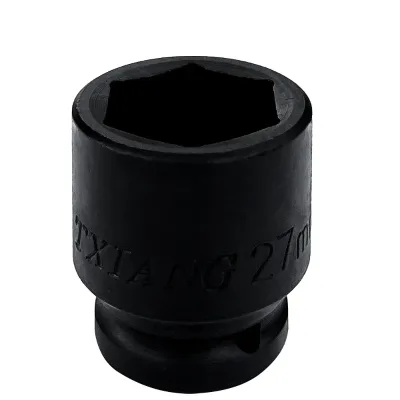
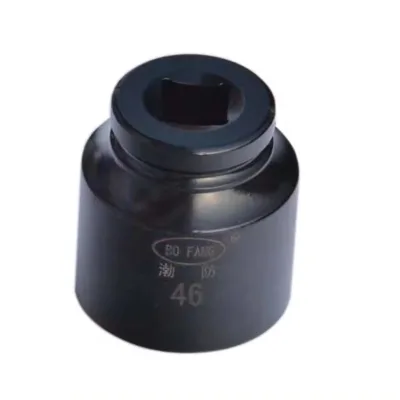
When evaluating listings, buyers should verify that the product attributes explicitly state "Anti-Explosion" and "Anti-Magnetic" features, as these are critical indicators of genuine non-sparking capability. The observed product range includes various models like the OY6151-2730 and OY6160-50, which demonstrate the availability of different sizes and drive types, ranging from 27mm to 50mm standards. It is essential to confirm that the specific model selected matches the required torque and size specifications for the intended application, ensuring that the tool's physical dimensions align with the mechanical demands of the task without compromising safety integrity.
Product Scope and Observed Listing Signals
The market for non-sparking tools presents a diverse array of product types, including ring spanners and socket wrenches, each designed to meet specific industrial needs. Listings indicate that customization is widely available, allowing buyers to request specific handle colors, such as pure yellow, or tailored dimensions to fit unique machinery constraints. The observed data shows that products are often packaged in bubble pads or inner cartons to prevent damage during transit, highlighting the need for careful logistics planning when ordering bulk quantities of these specialized items.
Buyers must carefully distinguish between general tool listings and those specifically certified for hazardous area use, as not all non-sparking tools carry the necessary ATEX or equivalent certifications. The observed product models, such as the SXM series and BXT-YT/XZ-05, suggest a range of applications from general maintenance to specialized industrial tasks. It is crucial to verify that the "Working Mode" is manual and that the "Application Age" is suitable for adult professionals, ensuring that the tool is being used within its intended operational parameters and safety limits.
Technical Specifications to Verify
Technical verification begins with confirming the material composition, as the supplied facts explicitly list Be-Cu or Al-Br as the primary materials for these non-sparking tools. These alloys are essential for preventing sparks, but they also dictate the tool's maximum torque capacity and durability. Buyers should cross-reference the listed standard sizes, such as 55mm, 65mm, or 27x30mm, against their specific equipment requirements to ensure a proper fit. The presence of metric and German type standards in the data suggests that international compatibility is a key consideration for global procurement teams.
Accuracy and torque adjustment capabilities are critical technical factors, particularly for precision applications where over-tightening could damage sensitive components. The observed data mentions torque adjustments of 10Nm per step and accuracy ratings of ±1%, which are vital for quality control in high-stakes environments. Additionally, the availability of reaction arms that can be customized and square drive options ranging from 3/4" to 1 1/2" indicates that the product line is versatile. Buyers must ensure that the selected model supports the specific drive sizes and torque ranges required for their specific operational tasks.
Compliance and Safety Documentation
Safety compliance is the cornerstone of sourcing non-sparking tools, requiring rigorous verification of certifications such as GS, CE, FM, TUV, and Ukas. The supplied facts confirm that products often carry multiple certifications, including FM CNAS and Bam, which are essential for proving compliance with international safety standards in explosive atmospheres. Buyers must request current test reports and certificates of conformity for every batch, ensuring that the specific model number matches the certified documentation provided by the manufacturer.
Documentation should also include detailed material safety data sheets and proof of the anti-explosion and anti-magnetic features claimed in the product listings. The presence of a 12-month warranty and language support in both English and Chinese suggests a commitment to after-sales service and clear communication of safety protocols. Procurement teams must verify that the "Condition" is listed as new and that the packaging, whether plastic boxes or wooden crates, meets the necessary standards for protecting the integrity of the safety features during shipping and storage.
Cost Drivers and Commercial Terms
The cost of non-sparking impact sockets is significantly influenced by the raw material prices of copper-beryllium and aluminum-bronze, which are more expensive than standard steel alloys. The observed MOQ range of 1 to 100,000 units indicates that pricing structures vary widely based on order volume, with bulk purchases likely offering more favorable terms. Buyers should anticipate that customization options, such as specific handle colors or unique packaging requirements, will add to the base cost and may extend lead times depending on the complexity of the modification.
Commercial terms must clearly define the warranty period, which is observed as 12 months in the provided data, and clarify the scope of coverage for defects or premature wear. The availability of OEM and ODM services suggests that buyers can negotiate branding and design modifications, which may impact the final unit price. It is essential to establish clear payment terms and delivery schedules, considering that the origin of these products is primarily China, with specific hubs in Botou, Hebei, and Shanghai, which can affect shipping logistics and import duties.
Supplier Qualification and Quality Control
Supplier qualification requires a thorough audit of the manufacturer's quality control processes, specifically their ability to maintain consistent material composition and mechanical properties. The data indicates that products originate from specific regions in China, such as Botou and Shanghai, which are known industrial hubs for tool manufacturing. Buyers should verify that the supplier has a robust system for tracking batch numbers and ensuring that every unit meets the specified standards, such as the 65mm or 55mm dimensions listed in the product attributes.
Quality control checks must include visual inspections for surface defects and functional tests to ensure the tool operates smoothly without binding or slipping. The observed feature of "Anti-Explosion" and "Anti-Magnetic" properties must be validated through third-party testing to confirm that the tool performs as advertised in hazardous environments. Suppliers should provide evidence of their ability to handle custom orders, including the capacity to produce specific models like the OY6110A series with the required accuracy and torque specifications.
Long-Term Procurement Checks
Long-term procurement success depends on establishing a reliable supply chain that can consistently deliver high-quality non-sparking tools over time. Buyers should implement a schedule for regular re-verification of supplier certifications and material test reports to ensure ongoing compliance with safety standards. The observed warranty of 12 months provides a baseline for performance expectations, but long-term contracts should include clauses for periodic quality audits and performance reviews to maintain high standards.
It is also critical to monitor the availability of spare parts and replacement tools, as the specialized nature of non-sparking alloys means that replacements cannot be easily sourced from general hardware stores. Buyers should maintain a relationship with the supplier to ensure that the "Reaction arm" and other customizable features remain available for future orders. Regular communication regarding updates in safety regulations and material standards will help procurement teams adapt their strategies and maintain a safe, compliant inventory of essential tools.
FAQs
What certifications are available for Non-Sparking ATEX Impact Socket tools?
These tools typically carry GS, CE, FM, TUV, Ukas, and Bam certifications to ensure safety in hazardous environments. The specific certificate depends on the manufacturer and target market. Buyers should verify the exact certification list for their region. These standards confirm the tools meet rigorous anti-explosion and anti-magnetic requirements for industrial use.
Can Non-Sparking ATEX Impact Socket tools be customized for specific needs?
Yes, customization is available for many of these tools. Manufacturers often support OEM and ODM requests to tailor products. Buyers can specify dimensions, handle colors, or packaging requirements. This flexibility allows companies to adapt tools for unique operational needs while maintaining the essential non-sparking material properties required for safety.
Which materials are used to make Non-Sparking ATEX Impact Socket tools?
These tools are primarily made from Be-Cu (Beryllium Copper) or Al-Br (Aluminum Bronze). These materials are selected for their non-sparking and non-magnetic properties. They ensure safety when used in flammable or explosive atmospheres. The choice between Be-Cu and Al-Br depends on the specific torque and corrosion resistance requirements of the application.
What specifications are common for Non-Sparking ATEX Impact Socket wrenches?
Common specifications include metric standards and specific sizes like 55mm, 65mm, or ranges such as 6-32mm. Some tools feature square drives of 3/4, 1, or 1 1/2 inches. Torque adjustment may be available in steps like 10Nm. Buyers should check the exact model number and standard to ensure compatibility with their existing equipment and fastener sizes.
How are Non-Sparking ATEX Impact Socket tools packaged for shipping?
Packaging options vary by manufacturer but often include bubble pads, inner cartons, or plastic boxes. Some items are packed in wooden boxes for extra protection. Standard cartons or pallets are also used for bulk orders. Proper packaging ensures the tools arrive without damage, preserving their precision and safety features during transit to the buyer's location.
Where are Non-Sparking ATEX Impact Socket tools typically manufactured?
These tools are commonly manufactured in China, with origins in regions like Botou, Hebei, or Shanghai. Chinese factories offer a wide range of models and customization options. Buyers can source from these locations to access competitive pricing and diverse product lines. The origin indicates the supply chain hub but does not affect the tool's technical performance or certification validity.