Source non-toxic anti-snoring nose clip for Travel, Sleep, and Exercise
Compare 30 non-toxic anti-snoring nose clip options from verified Chinese manufacturers. Buyers can evaluate medical grade silicone materials, CE certifications, and customization features for effective snoring relief.
Key considerations
Products List


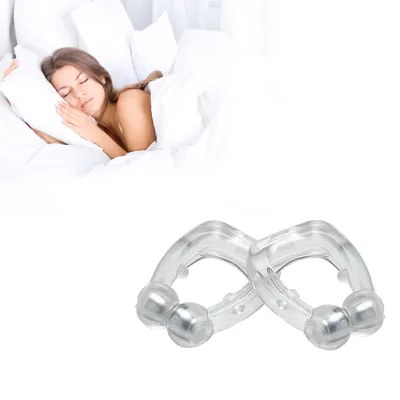
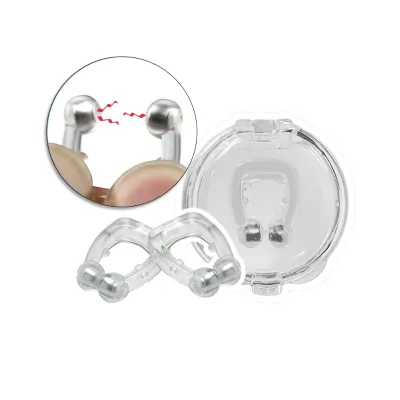
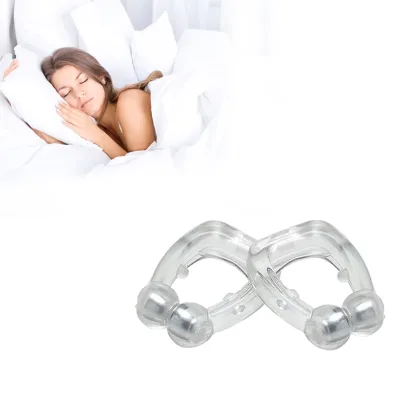
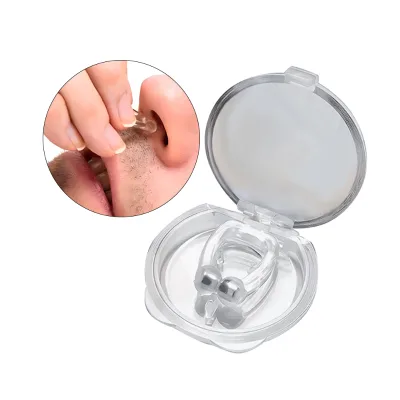
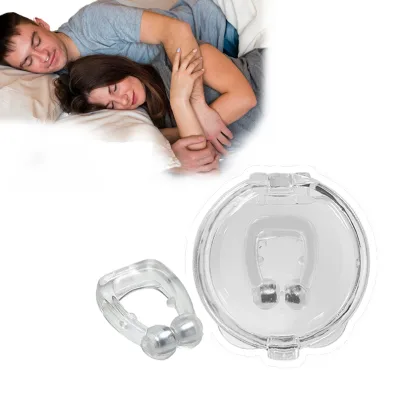
Anti Snoring Device 4 Sizes Custom Snore Nose Clip Breathing Nasal Dilator Device
$0.85 - $1.75
MOQ: 100 Pieces


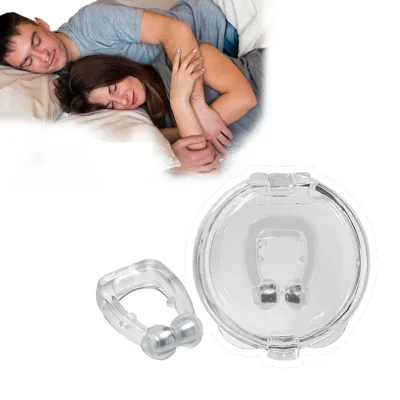
Nasal Dilator Anti Snoring Nose Clip Breathing Sleep Improved Airflow Device
$0.90 - $1.80
MOQ: 100 Pieces
Comprehensive Sourcing Guide
Strategic Sourcing Guide for Non-Toxic Anti-Snoring Nose Clips
Understanding Product Categories and Technical Specifications
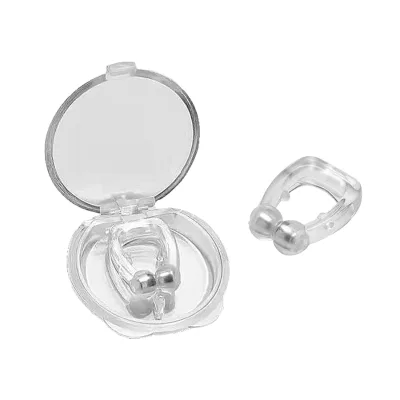
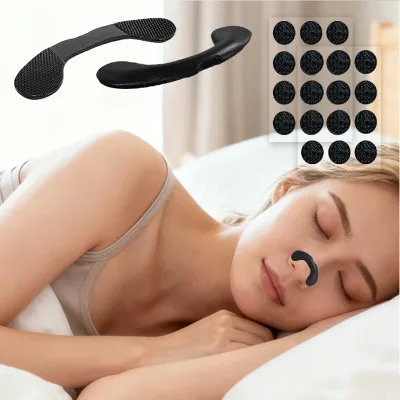
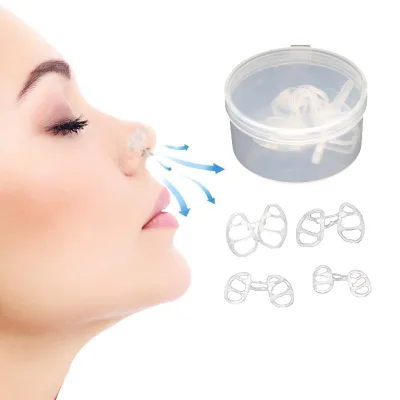
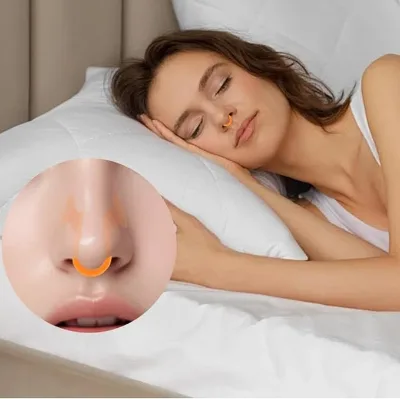
The global market for non-toxic anti-snoring nose clips encompasses a diverse range of devices designed to alleviate snoring through mechanical nasal dilation. When sourcing these products, buyers must first distinguish between the primary technical configurations observed in the supply chain. The core category includes devices explicitly labeled as "Anti Snoring Nose Clip" or "Silicone Nasal Dilator," which function by mechanically stimulating sensory receptors to improve airflow. These devices are frequently categorized under specific model numbers such as G-ASC02, G-ASC03, and G-ASC04, indicating distinct design iterations within the same product family.
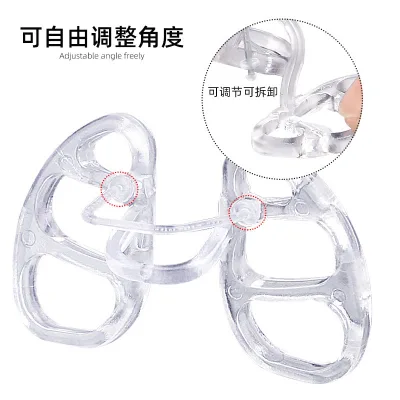
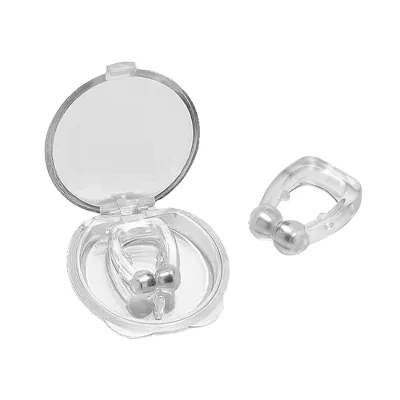
Technical specifications vary significantly between manufacturers, necessitating a granular review of dimensions and material composition. For instance, specific product models are defined by precise physical dimensions, such as 1.4x0.65cm or 14*6.5mm, which dictate the fit and comfort for the end-user. The material composition is a critical differentiator; while some listings specify "Soft Silicone," others emphasize "Medical Grade Silicone" or "Medical Grade Silicon." This distinction is vital for procurement, as medical-grade materials generally imply a higher purity level and reduced risk of chemical leaching compared to standard silicone. Additionally, the internal structure of these clips often incorporates magnetic elements, with specific standards noting the inclusion of "two 800 + gauss" magnets to enhance the stimulation effect. The physical form factor ranges from simple clips to more complex assemblies that may include transparent plastic components or be packaged in gift boxes versus simple OPP bags.
Compliance Verification and Certification Standards
In the medical and wellness device sector, compliance is not merely a regulatory formality but a fundamental requirement for market access and consumer trust. When evaluating potential suppliers for non-toxic anti-snoring nose clips, buyers must rigorously verify the presence of recognized certifications. The supply chain data indicates that products frequently carry the CE mark, a mandatory conformity marking for products sold within the European Economic Area. Furthermore, specific listings reference the CE&ISO combination, suggesting adherence to both European safety standards and International Organization for Standardization management systems.
The verification process must extend beyond the presence of a logo to the validity of the certificates. Buyers should confirm that the "FDA" standard mentioned in certain product descriptions refers to actual registration or clearance status, as the term is sometimes used loosely in general trade. The material standard is equally critical; the specification "Material; medical soft silicon" must be cross-referenced with the supplier's quality assurance documentation to ensure the product meets biocompatibility requirements. Without verified certification, the risk of non-compliance with import regulations in key markets like the EU, North America, and parts of Asia remains high. Buyers should request current, valid copies of these certificates directly from the supplier, ensuring the product model number on the certificate matches the specific item being ordered.
Cost Drivers and Pricing Structure Analysis
The pricing structure for anti-snoring nose clips is influenced by a complex interplay of material quality, customization options, and order volume. The observed market price range for these devices spans from $0.06 to $1.95 USD per unit, a wide variance that reflects differences in production costs and value-added services. The lower end of this spectrum typically corresponds to basic models with standard packaging, such as simple OPP bags or minimal plastic wrapping, and non-customized branding. Conversely, the higher price points are often associated with products featuring medical-grade silicone, premium packaging like gift boxes, and advanced customization features.
Customization is a primary cost driver in this sector. The availability of logo printing services allows buyers to brand the product, but this service incurs additional setup and per-unit costs. The distinction between "with Logo Printing" and "Without Logo Printing" is a clear indicator of pricing tiers. Furthermore, the Minimum Order Quantity (MOQ) plays a significant role in the unit cost. The observed MOQ range spans from 5 to 5000 units, with specific listings citing thresholds such as 10 Boxes or 20 Boxes. Larger order volumes generally yield lower per-unit costs due to economies of scale in molding and assembly. Buyers must also consider the packaging configuration, as options like "1PC/Box" versus "2PCS/Case" affect the total landed cost and logistics efficiency. Payment terms, including TT, PayPal, and West Union, may also influence the final financial arrangement, particularly regarding currency exchange risks and transaction fees.
Typical Applications and Target Demographics
Non-toxic anti-snoring nose clips are designed for a specific set of applications, primarily targeting individuals seeking non-invasive solutions for snoring. The functional description "Effectively Stimulate The Sensory" and "Stop Snoring" indicates that these devices are intended for use during sleep to improve nasal patency. The target demographic is often identified as "Middle-aged and Old," reflecting the higher prevalence of snoring issues in these age groups. However, the market for these devices is not limited to a single age bracket, as snoring can affect adults of various ages.
The application scope extends beyond personal use to potential inclusion in wellness kits or travel accessories. The product feature "Cleans Durably Easily" suggests that these devices are designed for repeated use and require minimal maintenance, making them suitable for daily long-term application. The material properties, such as the softness of the silicone, ensure that the device can be worn comfortably throughout the night without causing skin irritation. In a B2B context, these products are often sourced for resale in pharmacies, online health stores, and general merchandise retailers. The versatility of the product, with options for different sizes and colors like "Transparent" or "Skin Color," allows suppliers to cater to diverse consumer preferences and aesthetic requirements.
Supplier Evaluation and Operational Capabilities
Selecting a reliable supplier requires a comprehensive evaluation of their operational capabilities, including production capacity, customization flexibility, and logistical support. The supply chain data reveals that suppliers are located in specific regions of China, such as Henan and Fujian, which are known manufacturing hubs for medical and consumer goods. Buyers should verify the origin of the product to ensure it aligns with their sourcing strategy and any trade restrictions that may apply.
A critical aspect of supplier evaluation is the ability to handle customization requests. The attribute "Customization: Available" and "OEM/ODM: Acceptable" indicates that suppliers are willing to adapt products to meet specific buyer requirements. This includes logo printing, custom packaging, and potentially modifications to the product model. The availability of samples, as noted by the "Sample Provided" attribute, is a strong indicator of a supplier's confidence in their product quality and their willingness to engage in a trial period. Buyers should utilize this opportunity to assess the physical quality of the product, checking for consistency in the silicone texture, the strength of the magnets, and the durability of the packaging.
Payment terms are another key factor in supplier evaluation. The common acceptance of TT, PayPal, and West Union provides flexibility for international transactions. However, buyers must assess the security of these payment methods and ensure that the supplier has a track record of honoring agreements. The MOQ requirements, ranging from small batches of 10 boxes to large orders of 5000 units, allow buyers to scale their procurement based on their current inventory needs and cash flow constraints.
Quality Control and Long-Term Procurement Considerations
Implementing a robust quality control (QC) protocol is essential for maintaining product integrity and brand reputation. Given the direct contact of these devices with the human body, QC measures must focus on material safety, dimensional accuracy, and functional performance. Buyers should verify that the "Medical Grade Silicone" used in production meets relevant biocompatibility standards and is free from harmful additives. The consistency of the magnetic strength, specifically the "800 + gauss" specification, must be maintained across all units to ensure consistent performance.
Long-term procurement considerations involve building a sustainable relationship with suppliers who can guarantee consistent quality over time. This includes establishing clear communication channels for addressing any quality issues that may arise post-delivery. The "Brand New" condition of the products is a baseline expectation, but buyers should also consider the shelf life of the silicone material and the durability of the packaging under various storage conditions. Regular audits of the supplier's production line and quality assurance processes can help mitigate risks associated with supply chain disruptions or quality degradation.
Furthermore, buyers should plan for scalability. As demand grows, the ability of the supplier to increase production without compromising quality becomes paramount. The flexibility in packaging options, such as switching from "1PCS/Box" to "2PCS/Case," can help optimize logistics costs as order volumes increase. By focusing on these long-term factors, buyers can ensure a stable supply of high-quality, non-toxic anti-snoring nose clips that meet the evolving needs of their customers.
Summary of Key Product Attributes for Verification
To facilitate a streamlined sourcing process, the following table summarizes the critical attributes that buyers should verify during their supplier evaluation. This checklist ensures that all essential technical, compliance, and operational details are addressed before finalizing a procurement agreement.
| Attribute Category | Key Verification Points | Observed Values/Standards |
|---|---|---|
| Material Safety | Verify medical-grade status and non-toxicity | Medical Grade Silicone, Soft Silicone |
| Certifications | Confirm validity of CE, ISO, and FDA claims | CE, CE&ISO, FDA |
| Dimensions | Check specific model dimensions for fit | 1.4x0.65cm, 146.5mm, 6619mm |
| Magnetic Specs | Verify magnet strength for efficacy | Two 800 + gauss magnets |
| Customization | Assess OEM/ODM capabilities | Logo Printing (With/Without), Customized |
| Packaging | Review packaging type and unit count | 1PC/Box, 2PCS/Case, OPP Bag, Gift Box |
| MOQ & Pricing | Confirm order thresholds and price range | MOQ: 10-20 Boxes, Price: $0.06-$1.95 |
| Origin | Validate manufacturing location | Henan, China; Fujian, China |
By adhering to these verification points and maintaining a disciplined approach to sourcing, buyers can effectively navigate the market for non-toxic anti-snoring nose clips, ensuring they secure high-quality products that meet both regulatory standards and consumer expectations.
FAQs
What certifications do non-toxic anti-snoring nose clips typically have?
Products typically carry CE and ISO certifications to ensure safety compliance. Some listings also reference FDA standards, though buyers should verify validity. Medical-grade silicone materials are standard to ensure biocompatibility and non-toxicity for direct skin contact during sleep.
How much does a non-toxic anti-snoring nose clip cost per unit?
The observed price range spans from 0.06 to 1.95 USD per unit. Lower prices usually correspond to basic models with simple packaging, while higher prices reflect medical-grade materials and custom branding. Minimum order quantities significantly influence the final per-unit cost.
Can I customize the logo on these silicone nasal dilators?
Yes, customization is available with options for logo printing or no logo. Suppliers accept OEM and ODM requests to adapt products to specific buyer requirements. This service often incurs additional setup costs and may affect the minimum order quantity thresholds.
What materials are used to make these anti-snoring nose clips?
Manufacturers primarily use medical-grade silicone or soft silicone for body safety. Some specifications include internal magnets rated at 800+ gauss to stimulate sensory receptors. These materials ensure the device is durable, easy to clean, and comfortable for long-term wear.
What is the minimum order quantity for these medical silicone clips?
Minimum order quantities range from 5 to 5000 units depending on the supplier. Specific listings often require orders starting at 10 or 20 boxes. Larger order volumes generally yield lower per-unit costs due to economies of scale in production and packaging.
Which dimensions are available for the G-ASC series models?
Specific models like G-ASC02 and G-ASC03 have defined dimensions such as 1.4x0.65cm or 14*6.5mm. Other variants may measure 66*19mm or 55*16mm to ensure a proper fit. Buyers should verify exact specifications to match the target demographic's needs.
Where are these non-toxic anti-snoring nose clips manufactured?
Products originate from manufacturing hubs in China, specifically Henan and Fujian provinces. Buyers should verify the origin to ensure alignment with trade regulations and sourcing strategies. The location impacts logistics costs and lead times for international shipments.