Source non-toxic car key fob for Auto Repair, Retail, and Promotions
Compare 30 listings for non-toxic car key fob options suitable for auto repair shops, retail stores, and promotional events. Buyers can evaluate specifications like voltage, frequency, and remote controller materials from verified suppliers in China.
Key considerations
Products List

Key Organizer and Case Carabiner Keyring Key Chain to Attach Car Key Fob
$1.80 - $2.68
MOQ: 100 Pieces




Comprehensive Sourcing Guide
Strategic Sourcing Guide for Non-Toxic Car Key Fob Systems
Understanding the Technical Landscape of Keyless Entry Systems
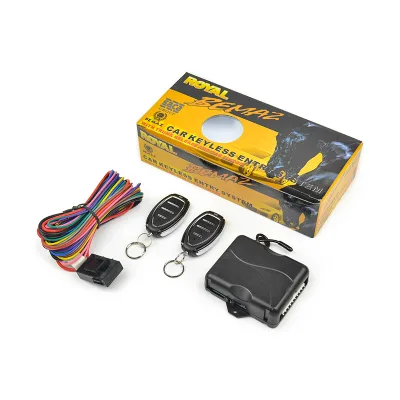
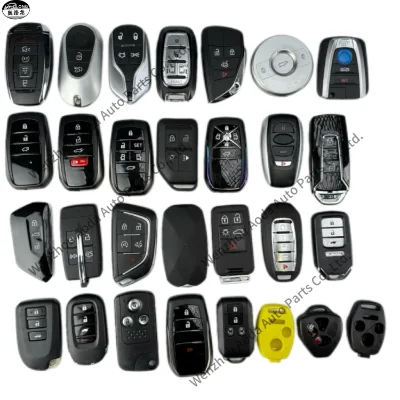
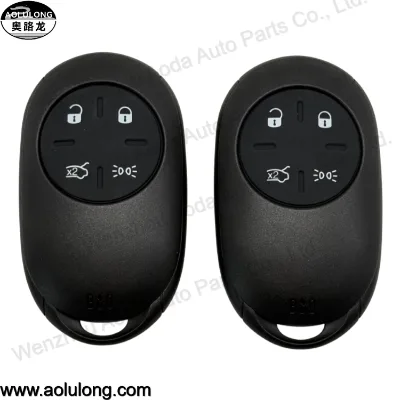
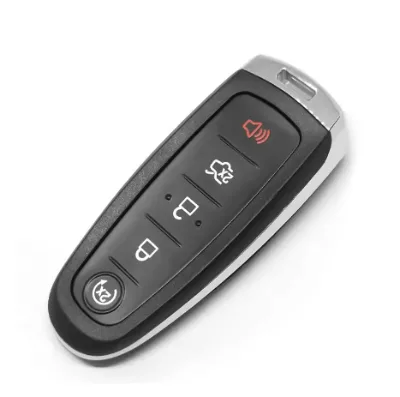
When sourcing non-toxic car key fobs, buyers must first distinguish between the core electronic components and the physical housing materials that define the product's safety profile. The market offers a diverse array of systems, ranging from universal keyless entry units to specialized aftermarket replacements for specific vehicle brands. In the current supply chain, a prominent category involves systems labeled as "MFK keyless entry system" or similar universal models designed for all 12V cars. These systems typically operate on a DC 12V voltage standard and utilize frequencies of 315 MHz or 433.92 MHz for signal transmission. The control distance for these units can extend up to 100 meters, providing a significant operational range for vehicle access.
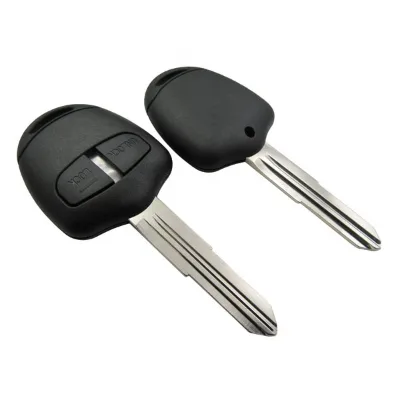
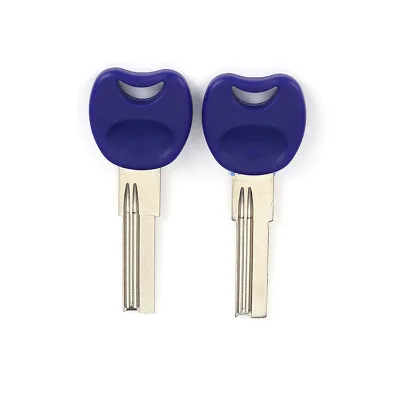
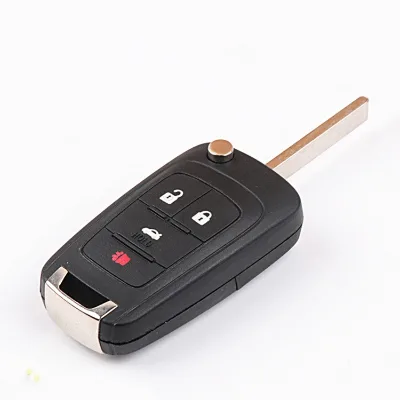
The physical construction of these fobs varies significantly based on the intended application. Some units feature a plastic or metal remote controller, while others offer flip key options. The material composition is a critical factor when addressing the "non-toxic" requirement. While many standard aftermarket key fobs are constructed from general-purpose plastic, specialized sourcing requests often look for eco-friendly materials or specific processing methods like die-casting for durability. For instance, some product lines explicitly list "Plastic" as the primary material, while others may incorporate PU leather or utilize die-casting processes to create a more robust, potentially lower-toxicity shell compared to standard injection-molded polymers. The shape of the remote is often designed to mimic a car or a specific blade profile, such as the MIT11 blade, which is relevant for specific vehicle compatibility.
Compliance Verification and Material Safety Standards
The term "non-toxic" in the context of automotive accessories requires rigorous verification rather than reliance on marketing labels. Buyers must investigate the specific material composition of the key fob housing and the internal circuitry. In the observed product data, attributes such as "Eco-Friendly" and "Feature: Eco-Friendly" appear, suggesting that some manufacturers are aligning their production with environmental standards. However, the presence of a "Retro" style or "Promotion Gifts" usage category indicates that not all products in this space are designed for long-term vehicle integration, and their material safety profiles may differ.
To ensure compliance, procurement teams should verify the "prod_standard" attribute, which in some cases is noted as "can be customized." This implies that the supplier may offer the ability to tailor the product to meet specific regional safety regulations, such as REACH in Europe or RoHS in various markets. The "Defective Rate" is another critical metric for quality assurance; a rate of less than 0.5% suggests a high level of manufacturing consistency, which often correlates with better quality control over raw material sourcing. Buyers should request specific test reports regarding the materials used, particularly if the product claims to be suitable for "All 12V cars" or specific brands like "Mitsu" (Mitsubishi). The "Manufacture: Aftermarket" designation indicates that these are replacement parts, and the buyer must ensure that the non-toxic claims apply to the entire lifecycle of the product, including the battery compartment and the internal chips.
Cost Drivers and Pricing Structures in the Market
The pricing for non-toxic car key fobs is influenced by a complex interplay of factors, including the complexity of the remote code, the material used, and the customization level. The observed price range in the market spans from $0.07 to $14.70 USD, a wide variance that reflects the difference between simple plastic shells and advanced keyless entry systems with integrated electronics. A keyless entry system with a 100-meter control distance and a 12V DC requirement will naturally command a higher price point than a simple plastic key shell.
The Minimum Order Quantity (MOQ) is another significant cost driver. Data indicates an MOQ range from 2 to 1000 units, with a specific high-confidence fact noting an MOQ of 20 pieces for certain keyless entry systems. For buyers seeking non-toxic, specialized materials, the MOQ may be higher due to the need for dedicated production runs or the sourcing of specific eco-friendly polymers. The "Selling Units" are typically listed as "Single item," but bulk packaging options like "1PC/Box, 50PCS/Inner Box, 500PCS/Carton" can reduce per-unit logistics costs. Additionally, the "Customization: Available" attribute suggests that adding a logo via "Silkscreen" or customizing the "prod_standard" will incur additional costs. Buyers should also consider the "Single gross weight" and "Single package size" when calculating shipping costs, as a unit weighing 0.800 kg with dimensions of 15x10x10 cm will have different freight implications compared to a lightweight 0.030 kg unit.
Typical Applications and Vehicle Fitment Analysis
The application of non-toxic car key fobs extends beyond simple vehicle entry. The "Using for: All 12V cars" attribute highlights the versatility of universal keyless entry systems, making them suitable for a broad range of automotive fleets. However, specific aftermarket products are often tailored for particular brands, such as the "Mitsubishi Key Fob" which features a "MIT11" blade and is designed for "Mitsu" vehicles. These specialized units often require precise coding, such as "Leaning Code," to ensure they function correctly with the vehicle's immobilizer system.
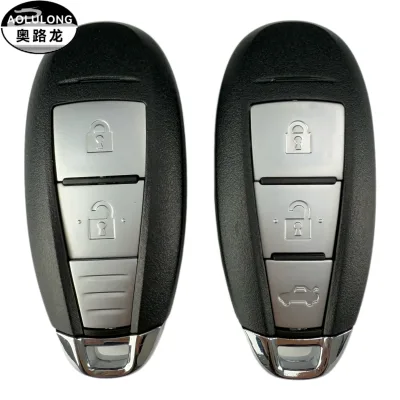
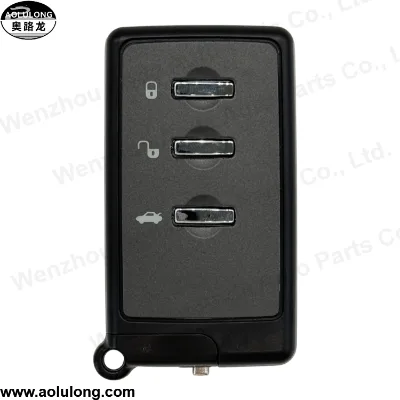
The "Type" of the product also dictates its application. "One Way" systems are standard for entry, but the "Auto Remote key" category suggests more advanced functionality. The "Car Fitment: Universal" designation is crucial for distributors looking to stock a single SKU that covers multiple vehicle models, whereas "Model: Over 2000 Models" indicates a high degree of compatibility that may require a vast inventory of different fob types. The "Using for: Promotion Gifts, Coin Holder, Holiday" usage category suggests that some products in this space are dual-purpose, serving as marketing tools or novelty items rather than primary vehicle security devices. Buyers must carefully match the "Remote controller" type (Plastic, Metal, Flip key) to the intended use case, ensuring that the non-toxic material is appropriate for the environment in which the key will be used, whether it is a daily driver or a promotional giveaway.
Supplier Evaluation and Production Capacity Assessment
Evaluating suppliers for non-toxic key fobs requires a deep dive into their manufacturing capabilities and geographic location. The "Place of Origin" is a significant indicator of supply chain dynamics, with products originating from "Guangdong, China" and "Zhejiang, China." These regions are known for their robust electronics and automotive parts manufacturing ecosystems. The "Brand Name" associated with these products, such as "AUTOLION" or "HHKEYS," provides a starting point for due diligence, though buyers should verify the legitimacy of these brands independently.
Production capacity is a vital metric for ensuring supply stability. One observed fact states a production rate of "50000PCS Per Month," which indicates a high-volume manufacturer capable of meeting large-scale procurement needs. However, buyers must also consider the "Lead Time" and "Warranty" terms. A "12 Months" warranty is a standard offering that suggests confidence in product longevity, but it does not guarantee the long-term availability of non-toxic materials. The "Logo Method: Silkscreen" and "Customization: Available" attributes indicate that the supplier has the flexibility to meet branding requirements, which is essential for corporate procurement. When evaluating a supplier, buyers should request evidence of their "prod_standard" customization capabilities and verify their ability to maintain the "Defective Rate" of less than 0.5% at scale.
Quality Control Protocols and Long-Term Procurement Strategy
Implementing a robust quality control strategy is essential for maintaining the integrity of non-toxic claims. The "Defective Rate: Less than 0.5%" is a strong indicator of a mature quality management system, but buyers should not rely solely on this metric. Instead, they should establish a protocol for incoming inspection that includes material verification and functional testing. The "Connector Type: Button" and "Number of Buttons: 2 Buttons" specifications should be verified against the actual product to ensure that the electronic components are functioning as intended without degradation over time.
Long-term procurement considerations involve assessing the supplier's ability to maintain consistency in material sourcing. The "Material: Plastic" and "Material: PU leather" attributes highlight the variety of options available, but the transition to non-toxic materials may require a shift in the supply chain. Buyers should inquire about the "Process: Die-casting" and "Processing" methods to understand how the materials are treated and whether any toxic solvents or additives are used during manufacturing. The "Single package size" and "Single gross weight" data points are also relevant for long-term logistics planning, as they affect storage and shipping costs. By focusing on suppliers who offer "Customization" and have a proven track record of low defect rates, buyers can secure a reliable supply of non-toxic car key fobs that meet both safety and performance standards.
Comparative Analysis of Product Attributes
To facilitate informed decision-making, buyers can utilize the following comparison of key attributes observed in the market. This table highlights the variance in specifications that directly impacts the suitability of a product for non-toxic procurement goals.
| Attribute | Universal Keyless Entry System | Specialized Aftermarket Key |
|---|---|---|
| Brand Name | AUTOLION | HHKEYS |
| Model Number | AL255B | MT-S14 |
| Voltage | DC 12V | DC 12V (Implied) |
| Frequency | 315/433.92MHz | Not Specified |
| Control Distance | 100 Meters | Not Specified |
| Material | Plastic/Metal/Flip Key | Plastic / PU Leather |
| Fitment | All 12V Cars / Universal | Mitsu (Mitsubishi) |
| Blade Type | Not Specified | MIT11 |
| MOQ | 20 pcs | 2 pcs (Range 2-1000) |
| Warranty | 12 Months | Not Specified |
| Origin | Guangdong, China | Zhejiang, China |
| Production Rate | Not Specified | 50000 PCS/Month |
This comparison underscores the importance of aligning product specifications with specific procurement needs. While universal systems offer broad compatibility and long control distances, specialized keys provide precise fitment for specific vehicle brands. The material differences, ranging from standard plastic to PU leather, also play a crucial role in determining the non-toxic profile of the final product. Buyers must carefully weigh these factors to select the most appropriate solution for their requirements.
FAQs
How does the control distance of a non-toxic keyless entry system compare?
The control distance can extend up to 100 meters for universal keyless entry systems. This range applies to models operating on DC 12V voltage with frequencies of 315 or 433.92 MHz for reliable signal transmission.
What materials are used for non-toxic car key fob housings?
Housings are constructed from plastic, metal, or PU leather depending on the specific model. Some products feature eco-friendly features, while others utilize die-casting processes for enhanced durability and specific safety profiles.
Which voltage standard do universal non-toxic key fobs require?
Universal keyless entry systems typically operate on a DC 12V voltage standard. This specification ensures compatibility with all 12V cars and allows for the integration of various electronic components within the fob.
Can buyers find non-toxic key fobs with customizable logos?
Yes, customization is available for many aftermarket key fobs including logo application. Buyers can request silkscreen printing on the product, provided they meet the minimum order quantity requirements set by the manufacturer.
How is the defective rate managed for non-toxic key fob production?
Manufacturers maintain a defective rate of less than 0.5% to ensure high quality. This low defect rate indicates consistent manufacturing processes and reliable quality control measures for both universal and brand-specific key fobs.
What is the minimum order quantity for sourcing non-toxic key fobs?
The minimum order quantity ranges from 2 to 1000 units depending on the supplier. Specific keyless entry systems often require a minimum of 20 pieces, while simpler aftermarket keys may have lower thresholds.
Which frequency bands are used in non-toxic car key fobs?
These systems typically utilize frequencies of 315 MHz or 433.92 MHz for signal transmission. This frequency range is standard for remote controllers designed to work with universal 12V car entry systems.
Can non-toxic key fobs be sourced from specific Chinese provinces?
Yes, products originate from Guangdong and Zhejiang provinces in China. These regions host manufacturers producing various key fob types, including universal systems and specialized aftermarket replacements for specific vehicle brands.