Source Non-Toxic Nail Chrome Powder for Cosmetics, Nail Art, and Coatings
Compare 30 listings for non-toxic nail chrome powder suitable for cosmetics, nail art, and coatings. Buyers can review particle sizes, certifications, and MOQs to find the right supplier for textile, paper, leather, ink, paint, plastic, ceramic, and cosmetic applications.
Key considerations
Products List







Comprehensive Sourcing Guide
Strategic Sourcing Guide for Non-Toxic Nail Chrome Powder
The global demand for specialized cosmetic pigments has surged, with non-toxic nail chrome powder emerging as a critical category for manufacturers and distributors in the beauty supply chain. Sourcing this specific material requires a disciplined approach that balances aesthetic performance with rigorous safety compliance. Buyers must navigate a complex landscape of chemical compositions, particle sizes, and regulatory frameworks to ensure the final product meets both consumer safety expectations and professional application standards. This guide provides a structured framework for evaluating suppliers and specifications based on verified industry data and technical realities.
Technical Specifications and Material Composition
The foundation of a successful procurement strategy lies in understanding the precise technical attributes of the product. Non-toxic nail chrome powder is not a monolithic commodity; it exists in various forms defined by its chemical structure and physical properties. The material composition is a primary differentiator. Market data indicates that products are categorized by their pigment type, ranging from natural to synthetic origins. For instance, specific listings identify materials as "Oxide" based, while others are explicitly labeled as "Synthetic" or "Inorganic."
Particle size is another critical specification that dictates the finish and application quality. The observed data reveals a significant variance in particle size ranges, with some products offering a range of 10-30 microns, while others extend to 10-60 microns or even 10-70 microns. This variation directly influences the reflectivity and smoothness of the chrome effect on the nail surface. A finer particle size generally yields a more mirror-like finish, whereas a broader range might be suitable for textured effects.
Furthermore, the solubility profile is a non-negotiable technical constraint. The supplied facts consistently highlight "Insolubility" or "Insoluble" as a key attribute. This characteristic ensures that the powder remains stable when mixed with nail polish bases, acrylics, or gels, preventing bleeding or unwanted chemical reactions that could compromise the integrity of the manicure. Buyers must verify that the specific batch they procure maintains this insoluble nature, as solubility issues can lead to product failure in professional settings.
Compliance and Certification Verification
Safety is the paramount concern when sourcing cosmetics, particularly products applied directly to the human body. The term "non-toxic" is not merely a marketing label but a regulatory requirement backed by specific certifications. When evaluating potential suppliers, buyers must demand evidence of compliance with international safety standards. The observed data points to several critical certifications, including FDA approval, ISO standards, GMP (Good Manufacturing Practice), and REACH compliance.
The presence of certifications such as MSDS (Material Safety Data Sheet) and TDS (Technical Data Sheet) is essential for due diligence. These documents provide the necessary transparency regarding the chemical composition, handling instructions, and emergency procedures. Some listings also reference SGS approval, which serves as an independent verification of product quality and safety. It is crucial for buyers to understand that the absence of these documents is a red flag, regardless of the supplier's claims.
Additionally, the feature set of the product often includes specific safety claims such as "Odorless" and "Free of Heavy Metal." While these are positive attributes, they must be substantiated by the technical data sheets provided by the supplier. The distinction between "Non-Toxic" and "Free of Heavy Metal" is significant; a product may be non-toxic in general application but still contain trace elements that are restricted in cosmetic formulations. Therefore, verifying that the product is explicitly free of heavy metals is a necessary step in the compliance verification process.
Cost Drivers and Pricing Structures
Understanding the cost structure of non-toxic nail chrome powder is vital for budgeting and margin analysis. The observed price range in the market spans from $0.05 to $600, a wide variance that reflects differences in purity, packaging, brand positioning, and order volume. This range indicates that pricing is not linear and is heavily influenced by the scale of the purchase and the specific grade of the powder.
The Minimum Order Quantity (MOQ) is a significant driver of unit cost. Data shows MOQs ranging from as low as 50g or 100g for samples and small batches, up to 12 pieces or higher for larger commercial orders. Suppliers often offer tiered pricing, where the unit cost decreases as the order volume increases. For example, a supplier might require a 100g MOQ for a standard price, while a bulk order of 25kg per carton could significantly reduce the per-gram cost.
Packaging also plays a role in cost determination. Standard packaging is often listed as 25kg per carton or bag, but this can be negotiated. Custom packaging or smaller retail-ready units may incur additional costs. Buyers should also consider the lead time, which typically ranges from 5 to 20 days, or specifically 7 working days after payment. Longer lead times or expedited shipping options can impact the overall landed cost of the product.
Typical Applications and Usage Scenarios
The versatility of non-toxic nail chrome powder extends beyond simple nail decoration. The observed usage data highlights a broad spectrum of applications, including Textile, Paper, Leather, Ink, Paint, Plastic, Cosmetic, and Ceramic industries. Within the cosmetic sector specifically, the powder is utilized for Nail Art, Eyeshadow, Garment decoration, and Car Painting. This multifaceted utility suggests that the same batch of powder might be marketed for different end-uses, provided the safety certifications cover all intended applications.
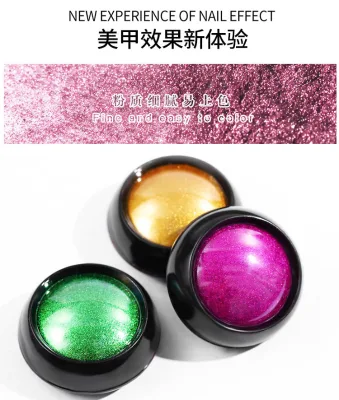
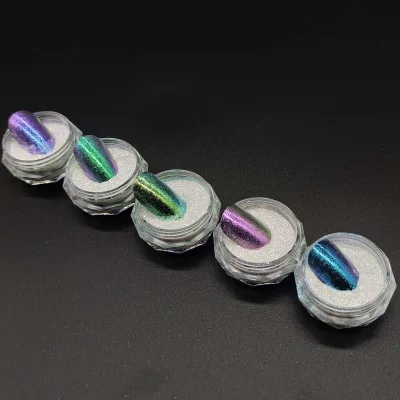
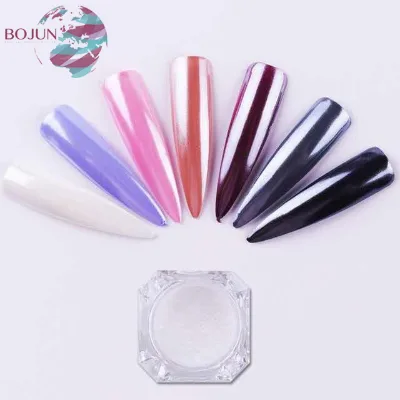
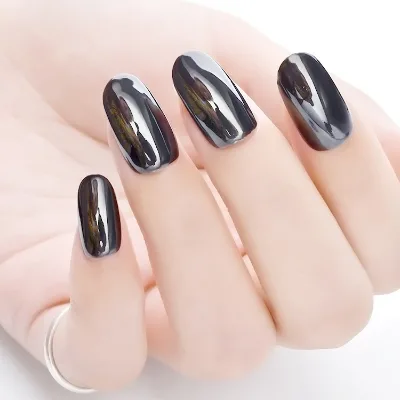
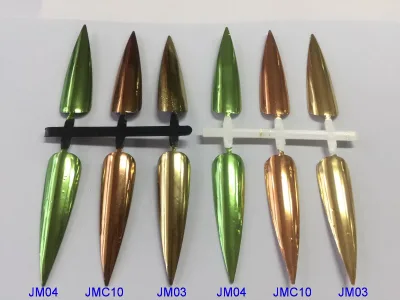
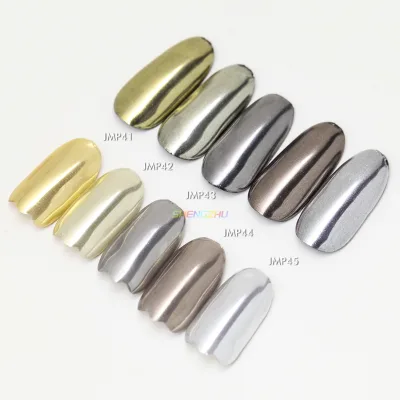
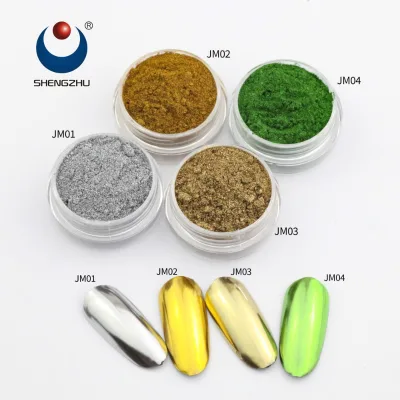
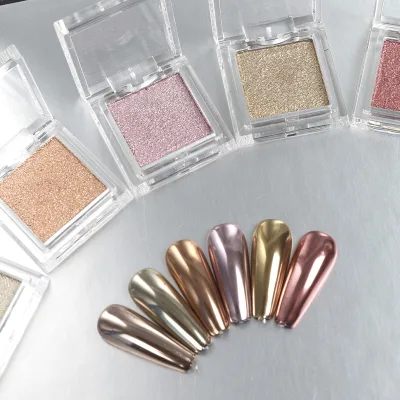
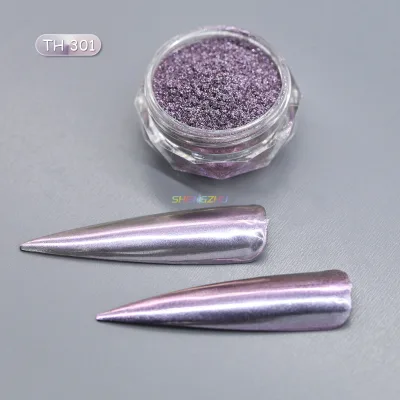
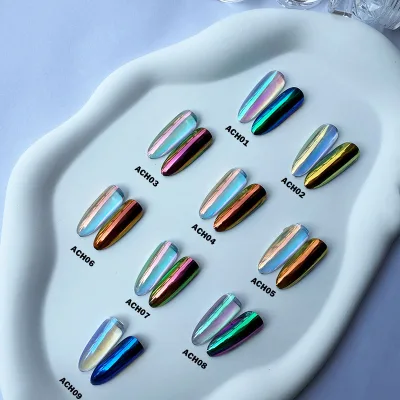
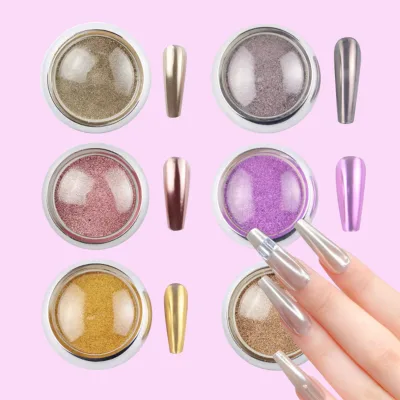
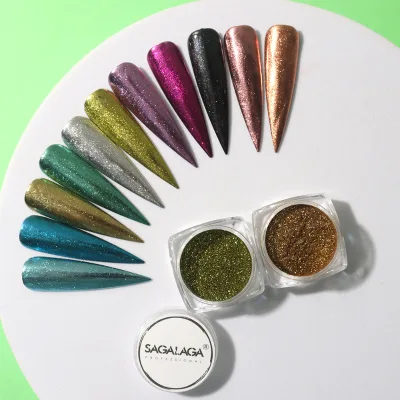
For nail professionals, the powder is primarily used to create a high-gloss, metallic finish over cured gel or acrylic nails. The "Color Change" or "Chameleon" effect mentioned in product descriptions indicates that some formulations are designed to shift color based on the viewing angle, adding a dynamic element to nail art. The application process typically involves applying the powder over a sticky layer of gel polish and buffing it to a shine.
The "Inorganic" style and "Oxide" composition suggest that these powders are chemically stable and resistant to fading, making them suitable for long-lasting applications. However, buyers must ensure that the specific product selected is approved for the intended use. For instance, a powder certified for industrial paint might not have the necessary cosmetic-grade certifications for direct skin contact.
Supplier Evaluation and Quality Control
Selecting the right supplier requires a rigorous evaluation process that goes beyond price comparisons. Buyers should prioritize suppliers who provide comprehensive technical data, including MSDS, TDS, and CoA (Certificate of Analysis). These documents are the primary tools for quality control, allowing buyers to verify that the product meets the specified particle size, purity, and safety standards.
The origin of the product is another factor to consider. The data indicates origins in Jiangsu and Guangdong, China (Mainland), which are known manufacturing hubs for pigments and cosmetics. While these regions offer competitive pricing and established supply chains, buyers must verify the specific factory's quality management systems. Certifications like ISO and GMP are strong indicators of a supplier's commitment to consistent quality.
Quality control should also involve sampling. Most suppliers offer samples, which is a critical step before committing to a large order. Buyers should test the sample for particle size consistency, color accuracy, and ease of application. The "Odorless" and "Non-Toxic" features should be verified through sensory evaluation and, if necessary, third-party testing.
Long-Term Procurement Considerations
Sourcing non-toxic nail chrome powder is not a one-time transaction but a long-term partnership. Buyers must consider the stability of the supply chain, including the reliability of delivery times and the ability to scale production. The observed delivery times of 5-20 days suggest a need for careful inventory planning to avoid stockouts.
Future-proofing the procurement strategy involves staying informed about regulatory changes. Standards such as REACH and FDA regulations are subject to updates, and suppliers must be agile in adapting their formulations and documentation to meet new requirements. A supplier with a strong track record of maintaining certifications like FDA, ISO, and GMP is better positioned to navigate these changes.
Finally, the negotiation of packaging and logistics terms is essential for long-term cost efficiency. While standard packaging is 25kg per carton, the ability to negotiate custom sizes can reduce waste and shipping costs. Buyers should also establish clear communication channels for technical support, ensuring that any issues with product performance can be addressed promptly.
Comparative Analysis of Product Attributes
To facilitate decision-making, the following table summarizes the key attributes observed in the market data for non-toxic nail chrome powder. This comparison highlights the variability in specifications that buyers must navigate.
| Attribute | Observed Range / Options | Relevance to Procurement |
|---|---|---|
| Pigment Type | Iron Blue, Lead Chrome Green, Iron Oxide Yellow, Cadmium Yellow | Determines color profile and chemical stability. |
| Material Type | Natural, Synthetic, Oxide, Inorganic | Affects regulatory classification and safety profile. |
| Particle Size | 10-30um, 10-60um, 10-70um | Critical for finish quality and application smoothness. |
| Solubility | Insoluble | Ensures stability in nail polish and gel bases. |
| Certifications | FDA, SGS, ISO, GMP, REACH, MSDS | Mandatory for safety compliance and market access. |
| MOQ | 50g, 100g, 12PCS, 25kg (Carton) | Influences initial investment and cash flow. |
| Origin | Jiangsu, China; Guangdong, China | Indicates manufacturing hub and potential logistics costs. |
| Features | Odorless, Free of Heavy Metal, Non-Toxic | Key selling points and safety assurances. |
Conclusion
Sourcing non-toxic nail chrome powder requires a meticulous approach that prioritizes safety, technical precision, and regulatory compliance. By carefully evaluating particle sizes, verifying certifications, and understanding the cost drivers, buyers can secure high-quality materials that meet the demanding standards of the cosmetic industry. The wide range of applications and the diverse specifications available in the market offer significant opportunities for differentiation, provided that the procurement process is grounded in verified data and rigorous quality control. Ultimately, the success of a sourcing strategy depends on the buyer's ability to match specific product attributes with their operational needs and regulatory obligations.
FAQs
What certifications are required for non-toxic nail chrome powder?
Products typically require FDA, ISO, GMP, and REACH certifications for safety compliance. Some listings also include SGS approval and MSDS documentation to verify the absence of heavy metals and ensure the material is odorless and non-toxic for cosmetic use.
Which particle sizes are available for this powder?
Available particle sizes range from 10-30 microns to 10-70 microns depending on the specific product model. Finer particles like 10-30 microns generally provide a smoother mirror-like finish, while broader ranges suit textured effects.
Can I get samples before placing a bulk order?
Yes, samples are available for most non-toxic nail chrome powder listings. Buyers can test the product for color accuracy and application quality before committing to larger quantities, with some suppliers offering low minimum order quantities for initial testing.
How long does delivery take for these products?
Delivery times typically range from 5 to 20 days after payment is received. Some suppliers specify a lead time of 7 working days, while others may vary based on the specific order volume and packaging requirements negotiated with the vendor.
What is the minimum order quantity for purchase?
Minimum order quantities vary significantly, ranging from 50 grams for samples to 100 grams or 12 pieces for standard orders. Bulk packaging often comes in 25kg cartons, but specific MOQs depend on the supplier and the chosen product model.
Where are these powders manufactured?
Manufacturing origins are primarily located in Jiangsu and Guangdong, China. These regions serve as established hubs for pigment production, offering competitive pricing and established supply chains for both natural and synthetic oxide-based powders.
What are the solubility properties of the powder?
The powder is consistently insoluble in standard solvents, ensuring stability when mixed with nail polish bases or acrylics. This insolubility prevents bleeding or unwanted chemical reactions, maintaining the integrity of the manicure during application and curing.