Source Non-Toxic Plant Resin Gel Polish for Nail Art, Beauty, and Salon
Compare 13 listings of Non-Toxic Plant Resin Gel Polish with varying certifications like MSDS and GMPC. Buyers can evaluate options for nail art and beauty applications with different volumes and customization services.
Key considerations
Products List


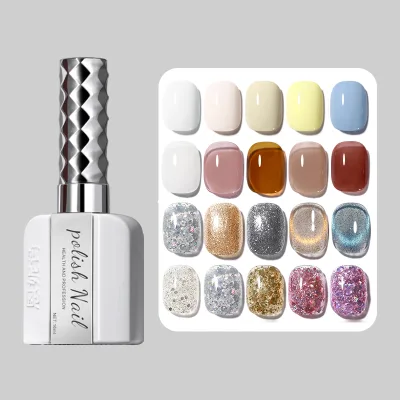
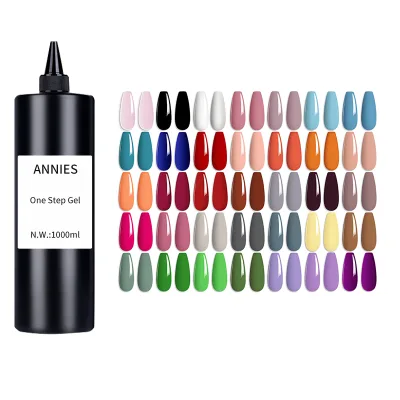


Comprehensive Sourcing Guide
Strategic Sourcing Guide for Non-Toxic Plant Resin Gel Polish Procurement
Understanding Product Specifications and Formulation Variations
When sourcing gel polish under the core keyword of non-toxic plant resin gel polish, buyers must first navigate the diverse technical specifications available in the current market. The product landscape is not monolithic; rather, it consists of distinct formulations ranging from small-volume consumer units to bulk industrial supplies. Based on observed market data, the primary volume configurations for these products typically center around 15ml units, which are standard for retail nail art applications. However, alternative specifications exist, including 12ml variants and bulk liquid states available in weights ranging from 1kg to 20kg.
The physical dimensions of the packaging are critical for logistics planning. Standard bottle dimensions observed in the market include measurements such as 3.2cm by 3.2cm by 8.2cm, or slightly smaller variants at 3.2cm by 2cm by 7.7cm. For bulk shipments, the packaging often shifts from individual bottles to iron drums or cartons. A specific bulk configuration noted involves a carton containing 270 pieces with dimensions of 45cm by 38.5cm by 31.5cm and a total weight of 18.5kg. Another common bulk packing standard is 360 pieces in a carton measuring 50cm by 41.5cm by 27.5cm.
The state of the product is consistently liquid, designed for UV curing. While the core keyword emphasizes "plant resin," the market also lists "solid color gel polish" and "sugar gel polish" as distinct categories. Buyers must verify if the "plant resin" attribute is a specific ingredient claim or a marketing descriptor for the non-toxic nature of the formula. The material type is frequently described as non-toxic, which aligns with the safety expectations of the core keyword. The model numbers vary significantly, with examples including "15ml gel polish," "XM-B07," and "Solid Color Gel 40," indicating that buyers cannot rely on a single model number to define the entire category.
Compliance Framework and Certification Verification
Compliance is the most critical filter when sourcing non-toxic gel polish. The term "non-toxic" is a powerful marketing claim that requires rigorous backing through recognized certifications. In the current supply chain, several key certifications are observed as standard indicators of safety and regulatory compliance. The Material Safety Data Sheet (MSDS) is a ubiquitous requirement, appearing in multiple product listings to ensure the chemical composition is documented for safe handling and transport.
Beyond MSDS, buyers should look for products that carry Good Manufacturing Practice (GMP) certification, often abbreviated as GMPC. This certification ensures that the manufacturing process adheres to strict hygiene and quality control standards. For products intended for the European market, the Cosmetic Product Notification Portal (CPNP) registration and the CE mark are essential. These certifications confirm that the product meets the European Union's stringent safety requirements for cosmetic items. Additionally, the Cosmetic Product Safety Report (CPSR) is a vital document that provides a detailed safety assessment of the product's ingredients and final formulation.
The table below summarizes the observed certification landscape for gel polish products, highlighting the specific documents buyers should request to validate the "non-toxic" claim.
| Certification Type | Purpose | Market Observation |
|---|---|---|
| MSDS | Safety data for transport and handling | Frequently listed as a mandatory document |
| GMPC | Good Manufacturing Practice compliance | Indicates adherence to hygiene standards |
| CE | European conformity for safety | Required for EU market access |
| CPNP | EU Cosmetic Product Notification | Confirms registration with EU authorities |
| CPSR | Cosmetic Product Safety Report | Detailed safety assessment of ingredients |
Buyers must verify that the supplier provides these documents for the specific batch being ordered. It is not sufficient to see a certification listed on a general product page; the documentation must be current and applicable to the specific formulation, particularly if the product claims to be made from plant resins. The absence of any of these documents should be treated as a red flag, regardless of the supplier's verbal assurances regarding non-toxicity.
Cost Drivers and Minimum Order Quantity Analysis
The cost structure of non-toxic plant resin gel polish is influenced by several factors, including volume, customization, and packaging. The observed price range in the market is substantial, spanning from approximately $0.80 to $39.26 per unit. This wide variance suggests that price is heavily dependent on the specific formulation, the brand positioning, and the volume of the order. Lower prices typically correlate with bulk purchases or standard solid color formulations, while higher prices may reflect specialized plant-based ingredients, custom branding, or smaller retail-ready units.
Minimum Order Quantity (MOQ) is another significant cost driver. The market exhibits a wide range of MOQs, from as low as 30 pieces to as high as 1000 pieces. Some suppliers set an MOQ of 300 pieces for standard orders, while others may require a minimum weight of 2kg for bulk liquid supplies. For buyers seeking to test the market with a small batch, an MOQ of 30 to 50 pieces offers a viable entry point. However, for large-scale procurement, the cost per unit often decreases, making higher MOQs more economically efficient.
Customization plays a pivotal role in pricing. Suppliers offering OEM (Original Equipment Manufacturer) and ODM (Original Design Manufacturer) services typically charge a premium for private logo printing and custom packaging. The availability of silkscreen logo printing and the option for private labels are standard services. Buyers should note that while samples are often available for free, the cost of customizing these samples or the initial production run will impact the overall unit cost. The shipping method also affects the final landed cost; options include DHL, TNT, FedEx, EMS, and sea freight. Air freight is faster but more expensive, while sea freight is cost-effective for large volumes but involves longer lead times.
Typical Applications and Market Positioning
The primary application for non-toxic plant resin gel polish is nail art and professional salon services. The product is explicitly designed for "Nail Art Beauty," catering to both professional technicians and DIY enthusiasts. The "soak off" feature is a key functional attribute, with many products claiming to be easily removed, which is a significant advantage for consumer safety and convenience. This characteristic differentiates the product from traditional hard gels that require filing or acetone soaking for extended periods.
The market positioning of these products often targets health-conscious consumers and eco-friendly brands. The "Eco-Friendly" feature is frequently highlighted, suggesting that the plant resin component is a selling point for buyers looking to reduce the environmental impact of their beauty products. The availability of 60 colors indicates a broad palette suitable for diverse nail art designs, from solid colors to intricate patterns. The product is suitable for various nail types, and the liquid state ensures easy application.
For businesses, the ability to offer private labeling allows for strong brand differentiation. Suppliers often welcome contact for custom color development, enabling brands to create unique shades that align with their identity. The versatility of the product extends to different packaging formats, from small 15ml bottles for retail to large drums for wholesale distribution. This flexibility allows buyers to target different market segments, from high-end salons to mass-market beauty retailers.
Supplier Evaluation and Service Capabilities
Evaluating a supplier for non-toxic gel polish requires a deep dive into their service capabilities and logistical infrastructure. The core services observed include sample provision, OEM, and ODM support. A supplier that offers free samples is a strong indicator of confidence in their product quality and a willingness to engage in a long-term partnership. However, buyers should verify the quality of these samples before committing to a larger order.
The manufacturing location is another critical factor. Most observed products originate from Guangzhou or Guangdong, China, which are major hubs for the cosmetics industry. This concentration of suppliers offers a competitive market but also requires careful vetting to ensure quality consistency. The lead time for delivery is typically between 7 to 15 days, which is relatively fast for custom orders. However, this timeline can vary based on the complexity of the customization and the shipping method selected.
Buyers should also assess the supplier's ability to handle different shipping requirements. The availability of multiple shipping channels, including air and sea freight, ensures flexibility in logistics. For urgent orders, air freight via DHL, TNT, or FedEx is available, while larger shipments can be sent via sea freight to reduce costs. The supplier's ability to provide accurate packing lists and handle customs documentation is essential for a smooth import process.
Quality Control and Long-Term Procurement Considerations
Quality control is paramount when sourcing cosmetic products, especially those claiming to be non-toxic. Buyers must implement a rigorous QC process that includes verifying the consistency of the product's physical properties, such as viscosity and color stability. The standard dimensions and weights observed in the market should be used as benchmarks for acceptance. Any deviation from the specified dimensions, such as the 3.2cm x 3.2cm x 8.2cm standard, could indicate packaging inconsistencies that may affect shelf life or consumer perception.
Long-term procurement considerations involve building a sustainable supply chain. Buyers should prioritize suppliers who demonstrate a commitment to continuous improvement in their manufacturing processes and safety standards. The availability of certifications like GMPC and CE should be a baseline requirement, with regular audits to ensure ongoing compliance. Additionally, buyers should consider the scalability of the supplier's production capacity. As demand grows, the supplier must be able to increase output without compromising quality or lead times.
The "non-toxic" claim requires ongoing verification. Buyers should request updated safety data sheets and test reports for every new batch. The market is dynamic, and ingredient formulations can change. Therefore, maintaining open communication with the supplier regarding any changes in the product composition is essential. Finally, buyers should evaluate the supplier's responsiveness to customer service inquiries and their ability to resolve issues quickly. A reliable partner will be transparent about their processes and proactive in addressing any concerns regarding product quality or delivery delays.
FAQs
What certifications verify non-toxic plant resin gel polish safety?
Products typically carry MSDS, GMPC, CE, CPNP, and CPSR certifications to verify safety. These documents confirm compliance with international standards and ensure the formulation is suitable for professional nail art applications without harmful chemicals.
How does the MOQ vary for bulk versus retail orders?
Minimum order quantities range from 30 pieces for small batches to 300 pieces for standard orders. Some suppliers also set weight-based minimums of 2kg for bulk liquid supplies, allowing flexibility for different business scales.
Which shipping methods are available for international delivery?
Suppliers offer DHL, TNT, FedEx, EMS, and HK Post for air shipping, along with sea freight options. These channels provide flexibility for urgent small orders or cost-effective large volume shipments depending on your logistics needs.
Can suppliers provide custom private logo printing services?
Yes, OEM and ODM services including silkscreen logo printing and private labels are available. Buyers can contact suppliers to customize colors and packaging, enabling unique brand differentiation for their specific market positioning.
What are the standard volume and dimensions for gel polish bottles?
Standard retail units are typically 15ml or 12ml with dimensions around 3.2cm by 3.2cm by 8.2cm. Bulk packaging often uses cartons holding 270 or 360 pieces with specific weight and size configurations for efficient transport.
How long is the typical delivery time for custom orders?
The standard delivery time is 7 to 15 days for most custom orders. This timeline applies to production and initial processing, though actual arrival depends on the selected shipping method and destination location.