Source Nourishing Clay Facial Mud Mask for Anti-Aging, Moisturizing, and Whitening
Find 30 verified options for Nourishing Clay Facial Mud Mask featuring ingredients like Vitamin C and Hyaluronic Acid. Compare OEM services, certifications, and specifications from Chinese manufacturers offering custom sizes and packaging; compare the available evidence and request quotations based on your requirements.
Updated
Key considerations
Products List


Customize Hyaluronic Acid Moisturizing Repairing Turmeric Clay Facial Mask
$2.10 - $2.45
MOQ: 1000 Pieces


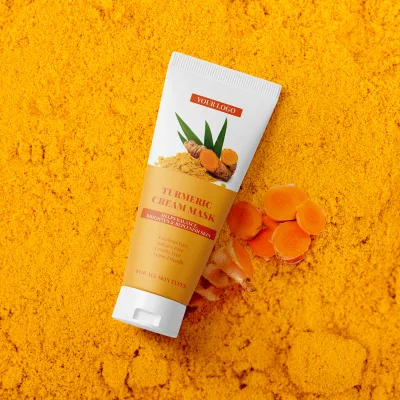
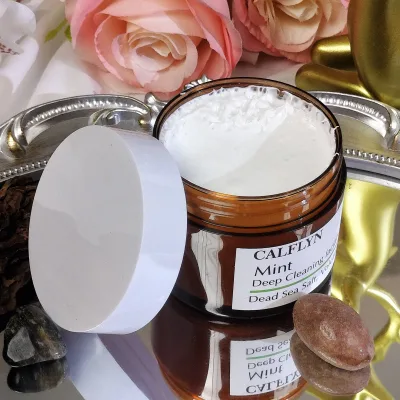


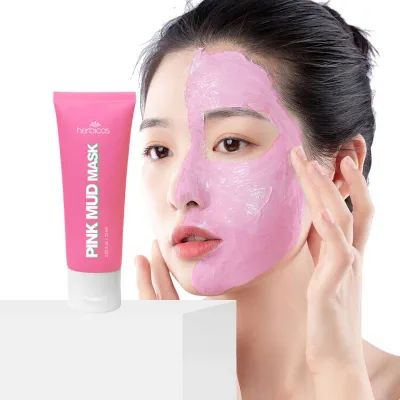
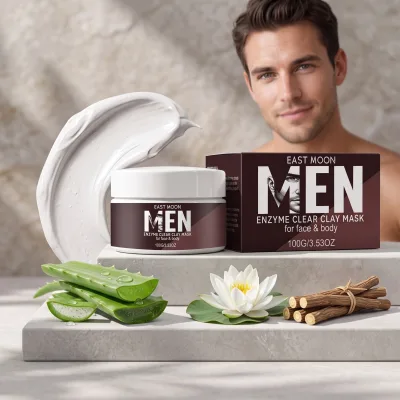
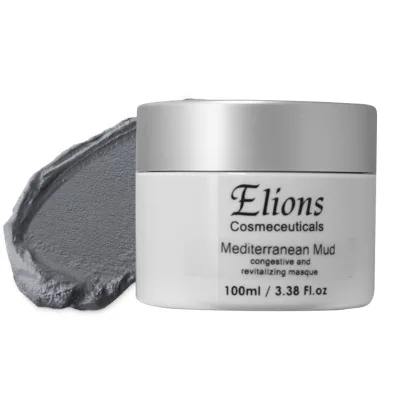
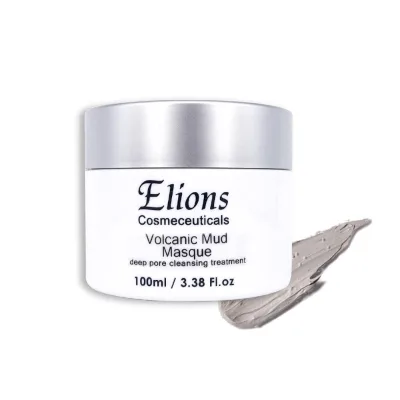

Deep Pore Cleansing Healing & Hydrating Exfoliating Strawberry Facial Clay Mask
$1.21 - $2.12
MOQ: 3000 Pieces

Beauty Facial Cleansing and Moisturizing Brightening Smoothing Mud Mask
$1.00 - $2.12
MOQ: 3000 Pieces


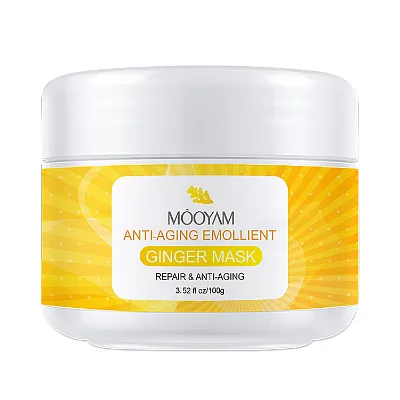
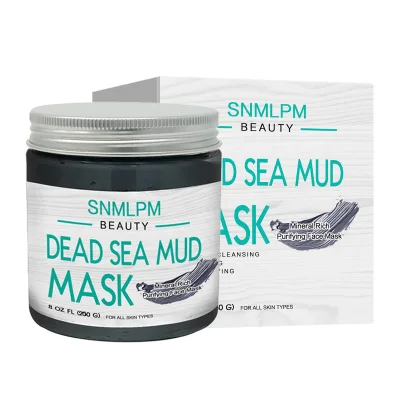
OEM Tumrmeric Clay Mask Detoxifying Acnes Control Vitamin C Clay Face Mask
$1.98 - $2.12
MOQ: 3000 Pieces

Comprehensive Sourcing Guide
Nourishing Clay Facial Mud Mask Sourcing Guide
Procuring nourishing clay facial mud masks requires a disciplined approach to ingredient verification and supplier transparency. Buyers must distinguish between generic clay formulations and specialized blends that deliver specific skin benefits. The market offers various iterations, from simple kaolin-based cleansers to complex mixes incorporating active ingredients like hyaluronic acid, vitamin C, and collagen. Understanding these distinctions is critical for aligning product selection with target demographic needs and brand positioning.
Sourcing decisions should be driven by clear functional requirements rather than marketing terminology alone. Buyers need to evaluate whether the product prioritizes deep cleansing, anti-aging properties, or brightening effects. This guide outlines the essential verification steps for technical specifications, compliance documentation, and commercial terms. By focusing on evidence-based procurement strategies, buyers can mitigate risks associated with inconsistent quality and regulatory non-compliance in the global beauty supply chain.
Product Scope and Observed Listing Signals
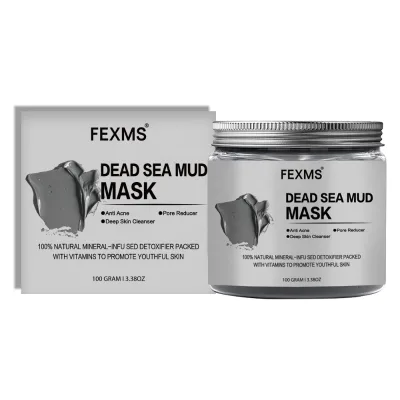
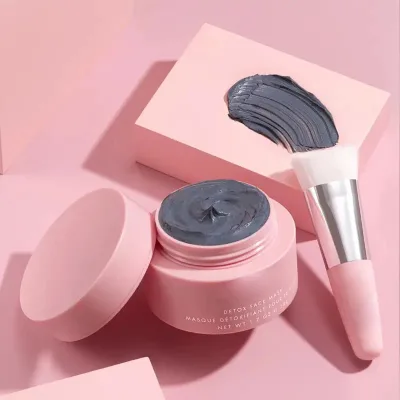
The observed product landscape includes masks formulated with kaolin clay, turmeric, and green tea extracts, often combined with moisturizing agents like shea butter and jojoba oil. Listings frequently highlight features such as anti-wrinkle, firming, and pore-cleaning capabilities, alongside efficacy claims related to anti-aging and skin lightening. These products are typically presented in glass bottles or cartons, with customization options available for packaging and labeling. The form factor varies between sheet masks and mud-based applications, indicating a diverse range of consumer preferences.
Active ingredient profiles often include vitamin C, hyaluronic acid, collagen, and pearl extracts, suggesting a focus on nourishment and rejuvenation. Buyers should note that while many suppliers offer OEM and ODM services, the specific formulation details may vary significantly between manufacturers. The presence of terms like "deep cleansing" and "exfoliating" alongside "nourishing" indicates a dual-action approach common in modern skincare. Procurement teams must verify these claims against actual ingredient lists to ensure alignment with product positioning and consumer expectations.
Technical Specifications to Verify
Technical verification begins with confirming the base material and active ingredient concentrations. Buyers should request detailed specifications for clay types, such as kaolin, and verify the inclusion of key actives like hyaluronic acid and vitamin C. The product size and volume, often listed as 50ml or 250g, must align with packaging requirements and shipping logistics. Customization options for size and model numbers, such as MM007 or 031, allow for brand differentiation but require clear communication of exact specifications to avoid production errors.
Packaging and labeling details are equally critical for brand integrity and regulatory compliance. Suppliers may offer glass bottles, cartons, or custom boxes, with OEM labeling services available. Buyers must confirm the accuracy of ingredient declarations and ensure that the final product matches the agreed-upon formula. Additionally, verifying the product model and standard codes helps in tracking inventory and managing reorders. Clear documentation of these technical parameters prevents discrepancies between samples and bulk production runs.
Compliance and Safety Documentation
Regulatory compliance is paramount when sourcing skincare products for international markets. Buyers must verify that suppliers hold relevant certifications, such as CE, FDA, GMP, and MSDS, which indicate adherence to safety and quality standards. These documents are essential for customs clearance and market entry, particularly in regions with strict cosmetic regulations. Ensuring that the supplier can provide up-to-date compliance certificates for each batch is a critical step in risk management.
Safety data sheets and ingredient disclosures must be reviewed to identify potential allergens or restricted substances. Buyers should confirm that the product formulation complies with local regulations in the destination market, including restrictions on certain preservatives or active ingredients. The presence of certifications like GMP suggests a controlled manufacturing environment, but buyers should still conduct independent audits or request third-party test results. This due diligence protects brand reputation and ensures consumer safety.
Cost Drivers and Commercial Terms
Pricing for nourishing clay masks is influenced by ingredient quality, packaging complexity, and order volume. Observed price ranges vary significantly, reflecting differences in formulation sophistication and brand positioning. Buyers should negotiate based on clear volume tiers, as MOQs can range from small trial orders to large bulk purchases. Understanding the cost structure helps in budgeting and forecasting, especially when factoring in shipping and customs duties.
Commercial terms such as EXW, FOB, CIF, and DAP impact the total landed cost and logistics responsibility. Buyers must clarify payment methods, including T/T, PayPal, or Western Union, and confirm lead times, which typically range from 20 to 30 days. Sample availability and lead times for initial orders should be established early in the negotiation process. Transparent communication about these terms prevents unexpected costs and ensures smooth supply chain operations.
Supplier Qualification and Quality Control
Supplier qualification involves assessing manufacturing capabilities, quality control processes, and past performance. Buyers should request samples to evaluate product texture, scent, and efficacy before committing to large orders. Verifying the supplier’s ability to handle OEM and ODM requests is essential for brands seeking customization. A reliable supplier should demonstrate consistency in product quality and adherence to agreed-upon specifications.
Quality control measures should include pre-shipment inspections and batch testing to ensure product integrity. Buyers must confirm that the supplier has robust procedures for handling defects and managing returns. Establishing clear communication channels and regular updates during production helps in monitoring progress and addressing issues promptly. Building a strong relationship with a qualified supplier ensures long-term reliability and product consistency.
Long-Term Procurement Checks
Long-term success depends on continuous monitoring of supplier performance and market trends. Buyers should regularly review product quality, delivery times, and customer feedback to identify areas for improvement. Staying informed about regulatory changes and ingredient restrictions ensures ongoing compliance and market relevance. Proactive engagement with suppliers helps in adapting to new product innovations and consumer preferences.
Developing a diversified supplier base mitigates risks associated with single-source dependency. Buyers should periodically re-evaluate supplier contracts and negotiate favorable terms based on volume and performance. Maintaining detailed records of all transactions and communications supports effective supply chain management. By implementing these long-term checks, buyers can sustain a competitive edge and ensure consistent product quality in the dynamic skincare market.
FAQs
What are the main ingredients in these nourishing clay masks?
The main ingredients typically include green tea, hyaluronic acid, jojoba oil, pearl, and vitamin C. Some formulations also feature collagen, dead sea salt, shea butter, and aloe vera. These components work together to provide deep cleansing, moisturizing, and anti-aging benefits for various skin types.
Can I get custom private label packaging for these masks?
Yes, customization is available for private label services. Manufacturers offer OEM and ODM solutions, allowing you to customize the glass bottle or box packaging. You can also specify the label design and product size, such as 50ml or 250g, to match your brand identity and market requirements.
What certifications do these clay mask manufacturers hold?
Manufacturers typically hold CE, FDA, GMP, and MSDS certifications. These credentials ensure that the production processes and final products meet international safety and quality standards. This documentation is essential for importing cosmetics into regulated markets and verifying the professional quality of the skincare products.
What is the typical lead time for bulk orders?
The lead time is generally about 20 to 30 days for production. Sample times are usually within one week. These timelines apply to standard bulk orders, while expedited options may vary. Buyers should confirm specific schedules with suppliers based on order volume and customization complexity.
What is the minimum order quantity for these products?
The minimum order quantity is typically 1000 pieces, though ranges can extend up to 5000 pieces depending on the supplier. Some vendors may accept lower MOQs for samples or specific configurations. Buyers should verify the exact MOQ with the manufacturer to ensure it aligns with their initial procurement needs.
What are the primary skin benefits of this clay mask?
The primary benefits include anti-wrinkle, moisturizing, nourishing, and pore cleaning effects. Additional features often involve blemish clearing, firming, lightening, and whitening. The clay base, such as kaolin, helps with deep cleansing, while active ingredients like vitamin C and hyaluronic acid support skin rejuvenation and hydration.