Source Novelty Glass Jug with Slide Cap for beverages, water, and cocktails
Explore 30 options for the Novelty Glass Jug with Slide Cap, featuring capacities from 200ml to 1200ml and various colors. Buyers can compare glass types, certifications like LFGB and FDA, and customization services from manufacturers in China.
Key considerations
Products List


20 Oz Stemless Crystal Funny Wine Glass, Novelty Glasses with Cute Sayings
$1.75 - $1.95
MOQ: 500 Pieces
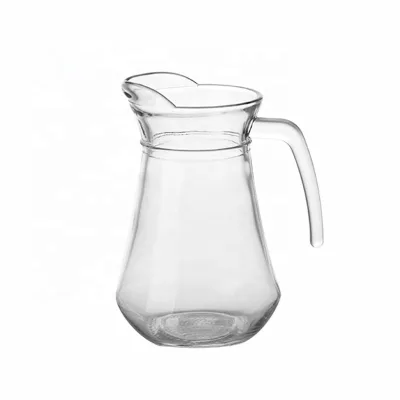


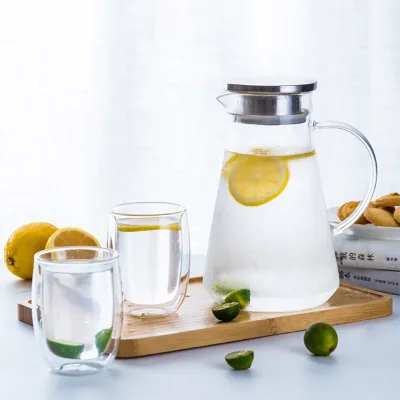


Comprehensive Sourcing Guide
Sourcing Strategy for Novelty Glass Jugs with Slide Caps
Understanding Product Specifications and Material Integrity
When sourcing a novelty glass jug with a slide cap, the primary focus must be on the fundamental material properties and structural design that define the product's utility and safety. The supplied data indicates that the core material for these vessels is glass, specifically identified as clear glass in several product listings. This material choice is critical for buyers seeking transparency and aesthetic appeal, as it allows the contents—whether water, juice, or cocktails—to be clearly visible. The manufacturing process for these items often involves hand-blown techniques, which can impart unique characteristics to each unit, though standard industrial production methods are also present.
The structural design varies significantly across the market. While some products are defined as single-wall glass, others may feature specialized shapes that require the opening of new molds. This "special shape and size" requirement is a vital consideration for buyers looking for true novelty items that deviate from standard cylindrical tumblers. The slide cap mechanism is a specific functional attribute that differentiates these jugs from those with screw caps or corks. Although the provided data explicitly lists "Screw Cap" as a common sealing type for similar glass containers, the specific "slide cap" feature requested implies a distinct mechanical design that must be verified during the supplier selection process. Buyers should ensure that the slide mechanism is robust enough to prevent leakage while maintaining the ease of use expected from a jug designed for beverages like water or cocktails.
Capacity and dimensions are equally important specifications. The observed product standards in the market range widely, with specific examples including 200ml, 500ml, and 1200ml capacities. For a jug intended for serving multiple portions, the 1200ml standard is particularly relevant, whereas smaller capacities might be better suited for individual serving or decorative purposes. The physical dimensions also vary, with some listings specifying a standard size of 151525cm, while others focus on wall thickness standards such as 8mm, 10mm, or 12mm. Thicker glass walls generally offer better durability and heat resistance, which is essential if the jug is intended for use in environments where temperature changes occur.
Compliance and Certification Verification
In the B2B procurement of glassware intended for food and beverage contact, compliance with international safety standards is non-negotiable. The supplied facts highlight several key certifications that are frequently associated with glass products from the region, specifically LFGB, FDA, CE, EU, and CIQ. These certifications serve as evidence that the product has undergone testing for heavy metals, lead content, and other chemical leaching risks that could occur when glass comes into contact with acidic or hot liquids.
Buyers must verify that the specific novelty glass jug with a slide cap they intend to purchase holds valid certification for the target market. For instance, the LFGB (German Food and Feed Code) is a stringent standard often required for products entering the European market, while FDA compliance is essential for sales in the United States. The presence of CE and EU markings indicates conformity with health, safety, and environmental protection standards for products sold within the European Economic Area. It is crucial to understand that these certifications are not universal guarantees for every product in a category; they are specific to the manufacturing batch and the supplier's quality management system.
The data also notes that some products are certified under CIQ (China Inspection and Quarantine), which is a domestic standard that often aligns with international export requirements. However, relying solely on a general claim of certification is insufficient. Procurement teams should request current, valid certificates of analysis or compliance documents for the specific model number, such as HM-GP234 or JNGLASS1730, to ensure that the slide cap mechanism and the glass body both meet the necessary safety thresholds. Without these documents, the risk of regulatory non-compliance and potential product recalls increases significantly.
Cost Drivers and Pricing Dynamics
The pricing of novelty glass jugs with slide caps is influenced by a complex interplay of factors, including material thickness, manufacturing complexity, and customization requirements. The observed price range in the market spans from $0.05 to $7.30 USD, a wide disparity that reflects the diversity of product quality and specifications. At the lower end of this spectrum, products are likely to be mass-produced, standard-sized items with minimal customization and thinner glass walls. Conversely, the higher price points are typically associated with hand-blown glass, complex slide cap mechanisms, custom molds, and higher volume orders that include premium packaging.
Customization is a significant cost driver. The supplied facts confirm that customization is available for these products, including the acceptance of logos and specific color options such as blue, green, pink, amber, yellow, and black. Implementing screen printing or other decorative techniques adds to the production cost. Furthermore, if the buyer requires a "special shape and size" that necessitates opening new molds, the initial tooling costs will be substantial, though this may be amortized over large order quantities.
The Minimum Order Quantity (MOQ) also plays a critical role in the unit cost. The observed MOQ range is extensive, spanning from 3 units to 50,000 units. For buyers with smaller initial requirements, the unit price will naturally be higher due to the fixed costs of setup and production runs. As the order volume increases, economies of scale typically reduce the per-unit cost. Buyers should analyze their inventory needs against the MOQ to determine the most cost-effective strategy. Additionally, packaging requirements, such as individual boxes versus bulk cartons or pallets, can impact the final landed cost, as more protective packaging increases material and shipping expenses.
Typical Applications and Usage Scenarios
Novelty glass jugs with slide caps are versatile vessels designed for a variety of beverage applications. The data indicates that these products are suitable for serving water, juice, cocktails, and other beverages. The specific application for a "Water Kettle" is also noted, suggesting that some designs may be optimized for hot or cold water dispensing. The slide cap mechanism is particularly advantageous in these scenarios, offering a quick and hygienic way to pour or cover the jug without the need to unscrew a lid, which can be cumbersome in social settings.
The safety attributes of the glass are a key factor in determining its suitability for different environments. The supplied facts list several safety features, including the ability to withstand microwaves, dishwashers, ovens, and freezers. This versatility makes the product ideal for both domestic and commercial use. In a home setting, a glass jug with a slide cap can be used for storing cold water in the freezer or for heating liquids in the microwave. In a commercial environment, such as a restaurant or bar, the durability and ease of cleaning are essential for maintaining high hygiene standards.
The aesthetic appeal of these jugs also plays a role in their application. With options for various colors and styles, including simple designs and fancy colorless options, these jugs can serve as decorative elements in addition to their functional role. They are suitable for office settings, as indicated by the "Glass Office Cup" usage, as well as for parties and events where the visual presentation of the beverage is important. The ability to customize the product with logos makes it an attractive option for corporate gifting or promotional campaigns, where the jug serves as a branded item that adds value to the recipient's experience.
Supplier Evaluation and Quality Control
Selecting the right supplier for novelty glass jugs requires a rigorous evaluation process that goes beyond price comparisons. The supplied data indicates that the products originate from specific regions in China, such as Zhejiang and Hebei. While these regions are known for their manufacturing capabilities, buyers must verify the supplier's specific quality control measures. The fact that some products are "handmade" and "mouth-blown" suggests a higher degree of craftsmanship, but it also introduces variability that must be managed through strict quality control protocols.
Buyers should request samples to evaluate the slide cap mechanism's functionality, the clarity of the glass, and the consistency of the color. It is essential to verify that the glass is free from bubbles, cracks, or uneven thickness, which can compromise safety and durability. The certification status should be cross-referenced with the supplier's documentation to ensure authenticity. Additionally, the packaging method, whether it is "1PCS Per Box" or "Carton or Pallet," should be assessed for its ability to protect the fragile glass during transit.
Quality control should also extend to the production process. For products requiring custom molds, the supplier should provide evidence of mold precision and consistency. The use of screen printing for logos should be evaluated for adhesion and color accuracy. Buyers should establish clear acceptance criteria for defect rates and ensure that the supplier has a system in place for rejecting non-conforming units before shipment. Regular audits and third-party inspections can provide additional assurance of the supplier's ability to maintain consistent quality over time.
Long-Term Procurement Considerations
Sourcing novelty glass jugs with slide caps is not just a one-time transaction but a strategic decision that impacts long-term supply chain stability. The availability of customization options, such as accepting logos and specific colors, allows buyers to build a unique brand identity around the product. However, this customization must be balanced with the need for consistent supply. Buyers should ensure that the supplier has the capacity to scale production as demand grows, particularly if the product becomes a core part of their catalog.
The lead time and shipping logistics are also critical factors. The data mentions that products are shipped by ocean, which implies longer transit times compared to air freight. Buyers should plan their inventory accordingly to avoid stockouts, especially during peak seasons. The packaging specifications, such as "12PCS Per Carton," should be optimized for efficient storage and handling in the buyer's warehouse.
Finally, the environmental impact of the product should be considered. Glass is a recyclable material, and the "Non-Disposable" nature of these jugs aligns with sustainability goals. Buyers should inquire about the supplier's environmental practices and whether they use eco-friendly packaging materials. By focusing on long-term partnerships with suppliers who prioritize quality, compliance, and sustainability, buyers can ensure a reliable supply of high-quality glass jugs that meet their evolving market needs.
FAQs
What certifications are available for novelty glass jugs with slide caps?
Products often carry LFGB, FDA, CE, EU, and CIQ certifications. These marks verify safety for food contact and compliance with international standards, though buyers must verify specific certificates for each model batch.
Can I customize the capacity and shape of these glass jugs?
Customization is available for capacity and shape, including special molds. Standard capacities range from 200ml to 1200ml, but unique dimensions may require opening new molds and higher minimum order quantities.
Which materials and finishes are used for these glass vessels?
The primary material is clear glass, often produced via hand-blown or screen printing processes. Some units are single-wall with no coating, while others offer color options like blue, green, or amber.
How does the sealing mechanism work on these glass jugs?
Most listed products use a screw cap sealing type. Buyers seeking a slide cap must verify specific models, as the standard data indicates screw caps are common for similar glass containers in this category.
What is the typical price range and minimum order quantity?
Prices range from 0.05 to 7.3 USD depending on customization and volume. Minimum order quantities vary widely from 3 units to 50,000 units, affecting the per-unit cost significantly.
Are these glass jugs safe for microwave and dishwasher use?
Some products are rated safe for microwave, dishwasher, oven, and freezer use. This safety attribute depends on the specific glass type and manufacturing process, so verification is required before use.
Where are these glass jugs manufactured and how are they packed?
Products originate from China, specifically Zhejiang and Hebei regions. Packaging typically includes 1 piece per box or bulk cartons on pallets, shipped via ocean freight for international orders.