Source Nostalgic Parachute Soldier Toy for events, gifts, and play
Explore 30 listings of the Nostalgic Parachute Soldier Toy available from verified suppliers. Buyers can compare specifications, pricing, and MOQs to find the right option for events, gifts, and play; compare the available evidence and request quotations based on your requirements.
Updated
Key considerations
Products List
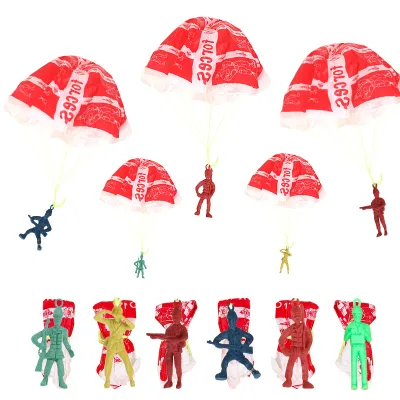
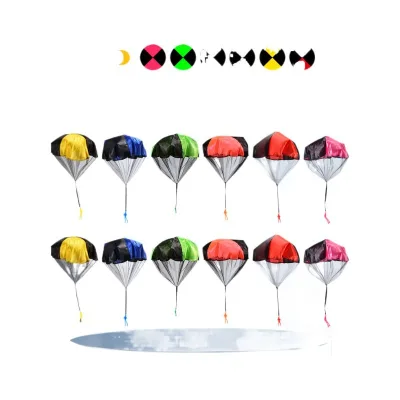
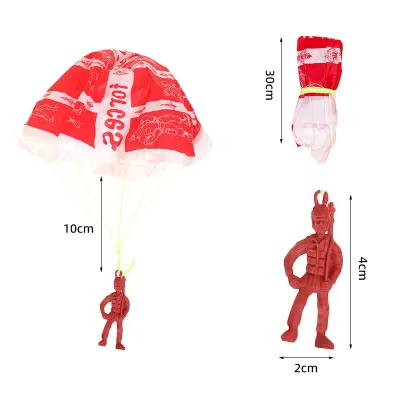
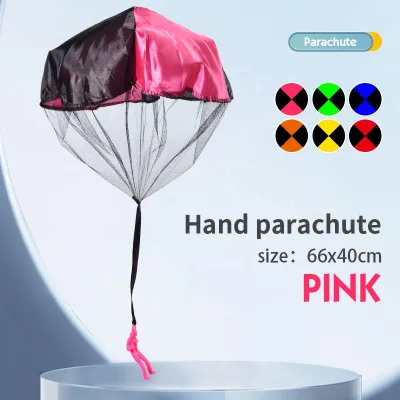
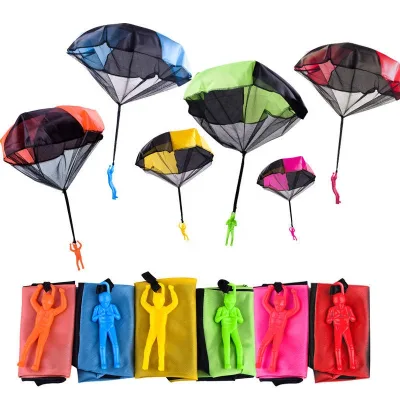
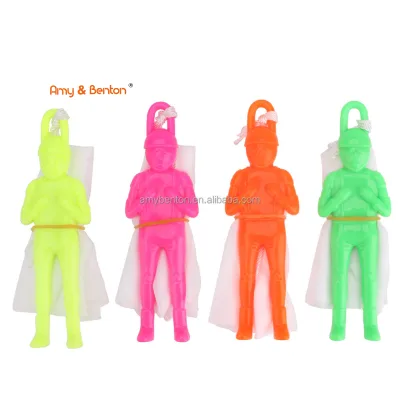
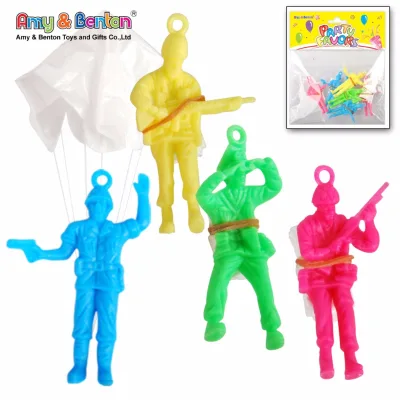
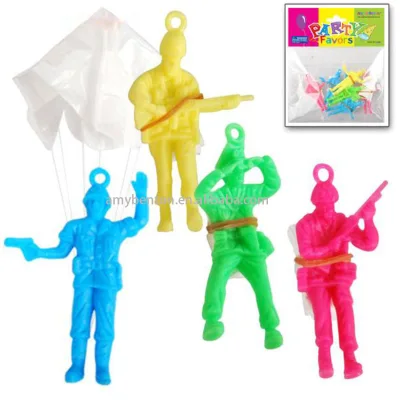
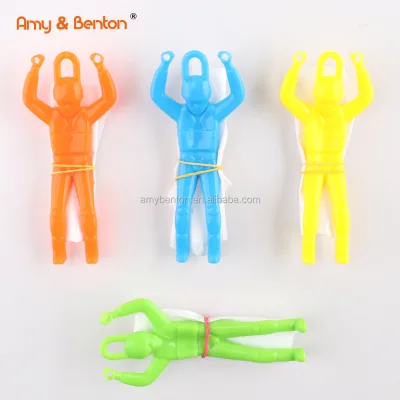
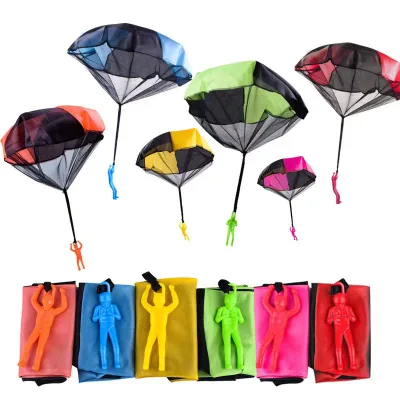
Free Throwing Paratrooper Promotional Giveaways Kids Funny Parachute Toy for Sale
$0.5535 - $1.1055
MOQ: 1440 Minimum


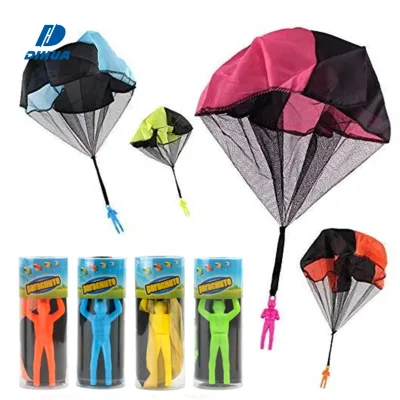
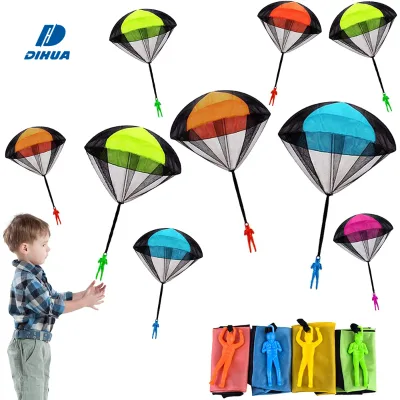
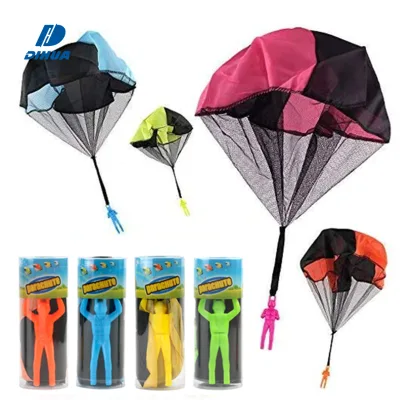
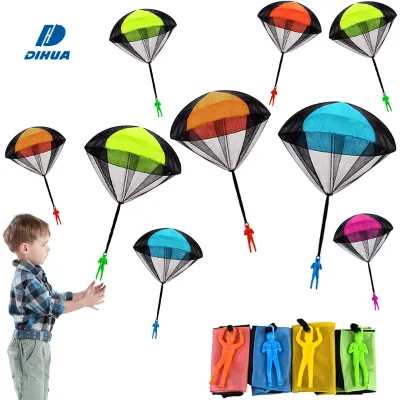
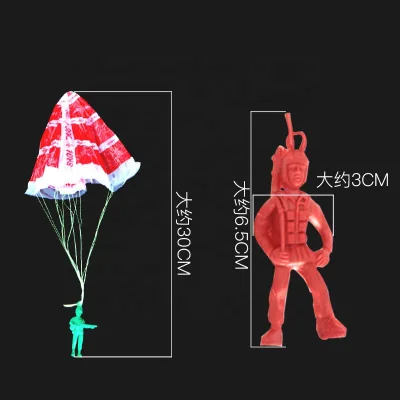
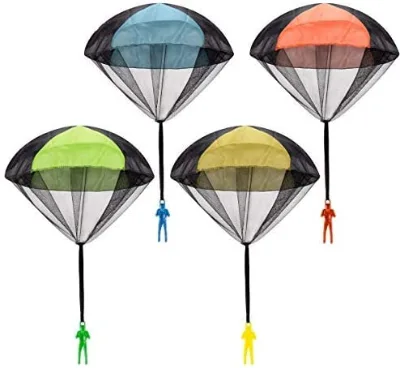


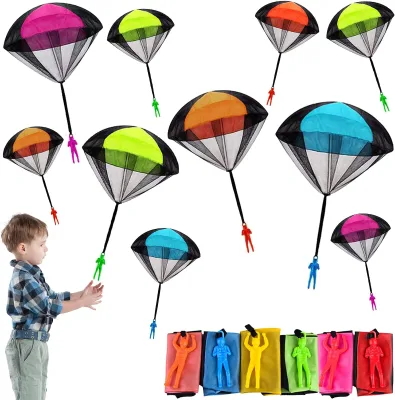

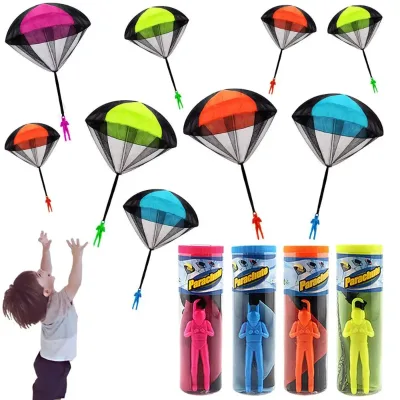

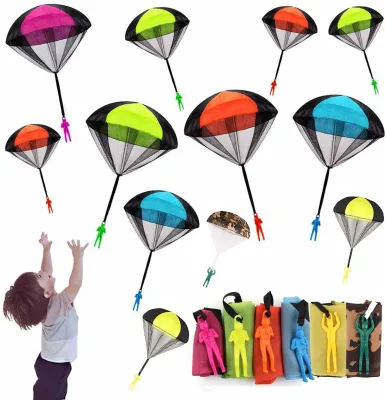
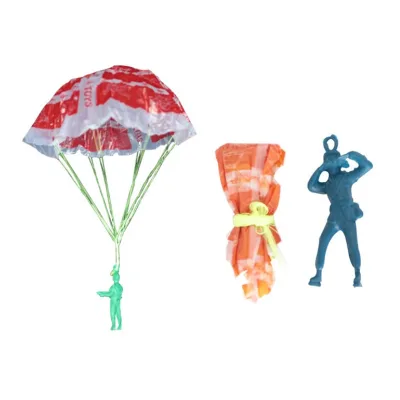
Parachute Toy Hand Throw Flying Toys Parachute Figures Hand Throw Soldiers Outdoor Flying Toys
$0.4308 - $0.6762
MOQ: 100 Minimum
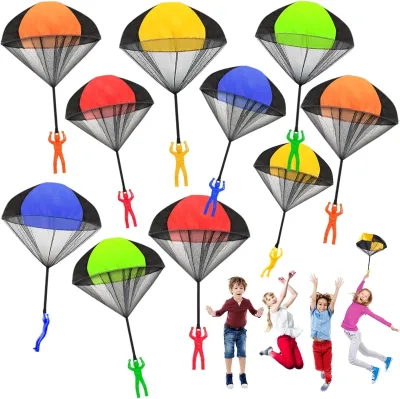
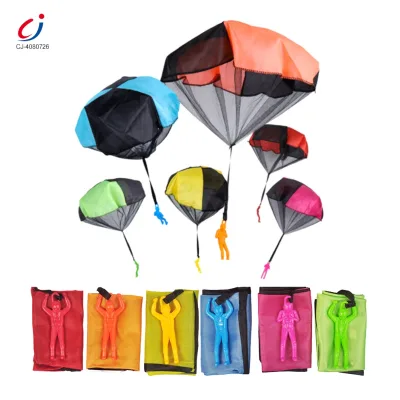

Comprehensive Sourcing Guide
Nostalgic Parachute Soldier Toy Sourcing Guide
Procuring nostalgic parachute soldier toys requires a careful balance between aesthetic authenticity and modern safety compliance. These items, often marketed as mini parachute men or paratrooper figures, serve dual purposes as playful novelties and promotional giveaways. Buyers must distinguish between simple plastic figures and more complex versions that include functional parachute mechanisms. The visual appeal typically relies on bright, primary colors such as orange, red, yellow, green, and blue, which attract attention in retail environments. Understanding the specific design variations is crucial for aligning inventory with target demographic expectations.
The market for these toys spans various age groups, from toddlers to older children, necessitating distinct product specifications for each segment. Some listings indicate suitability for ages two to four, while others target children aged five to seven or even those fourteen and up. This variance impacts material thickness, component size, and packaging requirements. Sourcing teams must verify that the selected model matches the intended age bracket to ensure both safety and engagement. Clear communication with suppliers regarding these distinctions prevents mismatches between ordered goods and customer expectations.
Product Scope and Observed Listing Signals
Current market listings reveal a wide range of product attributes, including varying sizes and packaging formats. Observed specifications include single package sizes of 20x20x20 cm and 20x20x15 cm, indicating diverse packing efficiencies. Product names frequently include terms like "Mini Soldier Parachute Toy" or "Funny toys," suggesting a focus on novelty and humor. Colors range from standard primary hues to specific model codes like BL274245-1 through BL274245-6, which may denote subtle design differences. Buyers should scrutinize these codes to ensure consistency across large orders, as color variations can affect brand uniformity.
Weight and dimension data provide critical insights into shipping costs and storage requirements. Single gross weights vary from 0.500 kg to 1.0 kg, while product sizes range from small 4x2 cm figures to larger 10x3 cm versions. Some listings specify a weight of 18g or 50g per unit, highlighting the lightweight nature of these plastic items. Carton sizes, such as 55x45x50 cm, and quantities like 5000 pieces per carton, suggest high-volume manufacturing capabilities. These metrics are essential for calculating landed costs and warehouse space allocation, ensuring that procurement plans are logistically sound.
Technical Specifications to Verify
Verifying physical dimensions is paramount to ensuring the toy meets design expectations and safety standards. Key specifications include large-sized soldiers measuring 10x3 cm and small-sized soldiers at 4x2 cm. Other models may have a product size of 10x0.4x3.2 cm or 6.2x4 cm, indicating flat or compact designs. Buyers must confirm these measurements against their requirements, as even minor discrepancies can affect packaging fit and retail display aesthetics. Detailed size verification prevents issues with carton utilization and ensures that the final product aligns with the intended visual impact.
Material composition and structural integrity are equally important technical considerations. Most observed products are made from plastic, a common choice for durability and cost-effectiveness. However, the specific type of plastic and its thickness can vary significantly between suppliers. Some listings mention a condition of "Pre-sale," which may indicate new or unreleased designs. Buyers should request samples to assess the quality of the plastic, the strength of the parachute attachment, and the overall finish. Ensuring that the material is suitable for the target age group is critical for preventing breakage and ensuring long-term playability.
Compliance and Safety Documentation
Safety certification is a non-negotiable aspect of sourcing toys for international markets. Observed listings mention EN71 certification, a standard relevant to toy safety in many regions. Buyers must verify that suppliers hold valid and current certificates for the specific models being ordered. It is essential to confirm that the certification covers all components, including the parachute material and any small parts that could pose a choking hazard. Relying on generic claims without documented proof can lead to regulatory issues and product recalls, so thorough documentation review is necessary.
Age range labeling must accurately reflect the product's safety profile and intended use. Listings indicate age ranges such as 2 to 4 years, 5 to 7 years, and 14 years and up. These labels must align with the physical characteristics of the toy, such as the presence of small detachable parts. Buyers should ensure that packaging clearly displays the correct age warnings and usage instructions. Mislabeling can result in legal liabilities and consumer dissatisfaction. Collaborating with suppliers to validate age-appropriate design features ensures that the product meets both regulatory requirements and consumer expectations.
Cost Drivers and Commercial Terms
Pricing for nostalgic parachute soldier toys is influenced by order volume, material costs, and customization options. Observed price ranges vary, with some items listed as low as $0.04 per unit, reflecting the low cost of mass-produced plastic toys. However, prices can rise significantly for customized designs or smaller order quantities. Minimum order quantities (MOQs) range from 4 pieces to 20,000 pieces, offering flexibility for different buyer sizes. Understanding these MOQs helps buyers negotiate better terms and plan inventory levels effectively, avoiding excess stock or production delays.
Commercial terms also include packaging and branding options, which can impact overall costs. Some suppliers offer OEM and ODM services, allowing for custom branding and packaging designs. Packing methods vary, from simple OPP bags to more elaborate 4 pcs/pp bag with header configurations. These packaging choices affect both the perceived value of the product and the shipping volume. Buyers should evaluate the cost-benefit of enhanced packaging against the potential for increased retail appeal. Clear agreement on these terms prevents unexpected expenses and ensures that the final product meets marketing objectives.
Supplier Qualification and Quality Control
Supplier qualification involves assessing manufacturing capabilities and quality assurance processes. Many suppliers are located in regions like Henan and Guangdong, China, known for their toy manufacturing expertise. Buyers should verify the supplier's production capacity, especially for large orders with high PCS/CTN ratios. Quality control measures should include random sampling and inspection of finished goods before shipment. Suppliers who accept OEM orders often have more robust quality control systems to meet specific client requirements. Establishing a clear quality standard agreement is essential for maintaining product consistency.
Communication and responsiveness are key indicators of a reliable supplier. Buyers should evaluate how quickly suppliers respond to inquiries and provide samples. A supplier's willingness to provide detailed product information, such as model numbers and carton sizes, demonstrates professionalism. Building a relationship with a supplier who prioritizes transparency and collaboration can lead to better pricing and priority treatment during peak seasons. Regular communication helps address any issues promptly, ensuring a smooth procurement process from order placement to delivery.
Long-Term Procurement Checks
Long-term procurement success depends on continuous monitoring of supplier performance and market trends. Buyers should regularly review supplier quality metrics, including defect rates and delivery times. Establishing a feedback loop with end-users can provide valuable insights into product performance and customer satisfaction. This information can guide future purchasing decisions and help identify areas for improvement. Staying informed about changes in safety regulations and consumer preferences ensures that the product line remains relevant and compliant.
Diversifying the supplier base can mitigate risks associated with single-source dependencies. Engaging with multiple suppliers allows buyers to compare quality, pricing, and service levels. This strategy also provides flexibility in case of supply chain disruptions. Regular audits and site visits, if feasible, can provide deeper insights into manufacturing practices. By maintaining a proactive approach to supplier management, buyers can ensure a steady supply of high-quality nostalgic parachute soldier toys that meet market demands and regulatory standards.
FAQs
What materials are used for nostalgic parachute soldier toys?
These toys are primarily made from durable plastic to ensure safety and longevity for children. The material choice supports vibrant coloring and structural integrity during play. This composition allows for detailed molding of the soldier figures and their parachutes, meeting standard toy safety expectations for young users.
Which certifications do these parachute toys typically hold?
Many listings indicate compliance with EN71 standards, which is a critical safety certification for toys in many international markets. This certification ensures the product meets specific safety requirements regarding physical and mechanical properties, flammability, and chemical migration, providing assurance for buyers and parents regarding child safety.
What is the typical age range for these toys?
These toys are generally suitable for children aged 5 to 7 years, with some variations extending to 8 to 13 years or older. The design considers developmental stages, ensuring the small parts are manageable and the play activity is engaging. Always verify specific age recommendations on individual product listings for safety.
Can buyers request custom packaging for these toys?
Yes, OEM and ODM services are often acceptable for these products, allowing for custom branding and packaging solutions. Buyers can typically negotiate specific packaging requirements, such as OPP bags or custom headers, to suit their retail needs. This flexibility supports private labeling and distinct market positioning for distributors.
What are the common color options for these toys?
Common color options include orange, red, yellow, green, blue, and pink, often presented in colorful assortments. These vibrant hues are designed to attract children and enhance the visual appeal of the parachute soldier figures. Specific color availability may vary by manufacturer and batch, so checking individual product details is recommended.
How are these toys typically packaged for shipping?
Packaging often involves OPP bags for individual units, with bulk quantities packed into larger cartons. Standard carton sizes and piece counts vary, such as 5000 pieces per carton for some models. This packaging method protects the toys during transit and facilitates efficient storage and distribution for retailers and wholesalers.