Source Nourishing Olive Oil Spray for Cooking, Salad, and Skincare
Find and compare 30 listings for Nourishing Olive Oil Spray suitable for household and industrial use. Evaluate options featuring glass construction, customizable logos, and OEM/ODM services to identify the right supplier for your packaging needs.
Key considerations
Products List


OEM/ODM Organic Olive Hair Oil Nourishing Sheen Spray Olive Oil Hair Spray
$0.42 - $0.50
MOQ: 9000 Pieces



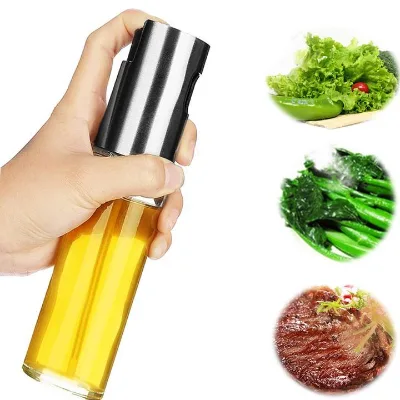


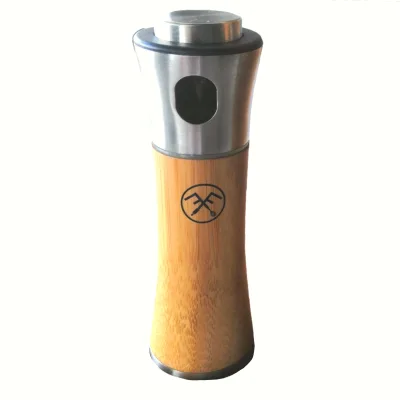
Special Bamboo Bottle Olive Oil Sprayer Kitchen Gadgets Oil Spray for Cooking
$3.15 - $3.58
MOQ: 1000 pieces


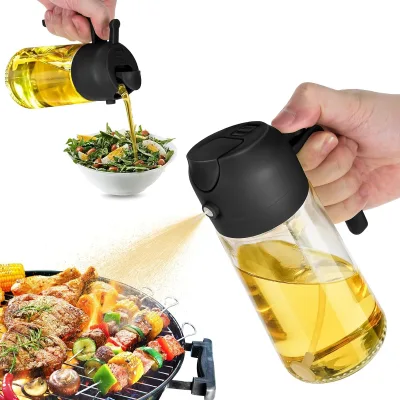
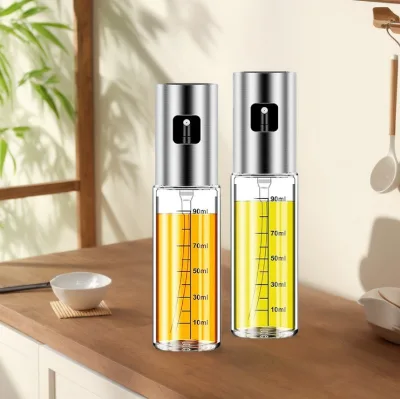


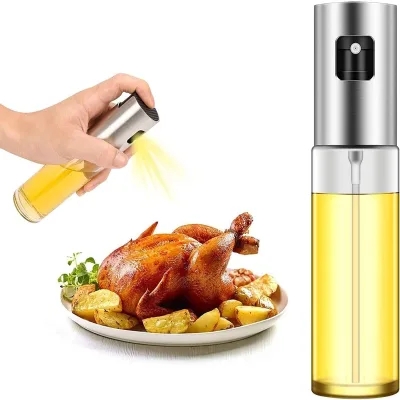
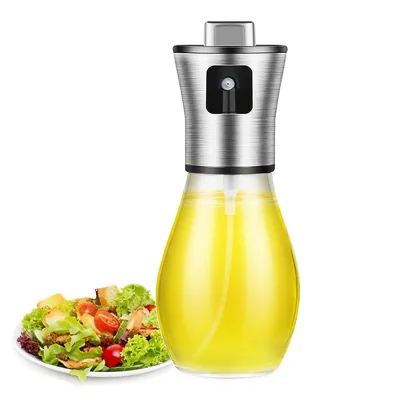
16oz/470ml Olive Oil Bottle - Oil Sprayer for Cooking, Kitchen, Salad, Barbecue
$0.80 - $0.86
MOQ: 1000 Pieces

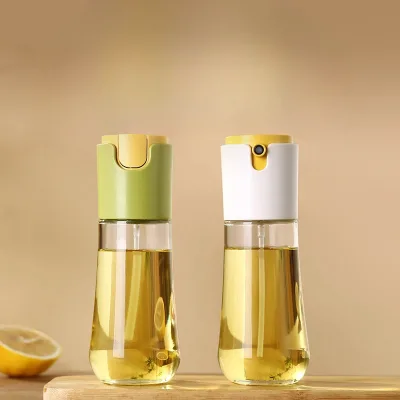


Comprehensive Sourcing Guide
Nourishing Olive Oil Spray Sourcing Guide
Sourcing Nourishing Olive Oil Spray requires a clear distinction between cosmetic-grade hair care products and culinary-grade kitchen tools, as the supply chain for these two categories is fundamentally different. The observed market data indicates a high volume of listings for hair styling products, specifically hairsprays and styling aids, which often share packaging similarities with oil sprayers but serve entirely different functional purposes. Buyers must first define whether the procurement goal is to source a cosmetic emulsion for hair care or a mechanical device for dispensing culinary oil, as this decision dictates the entire supplier qualification and compliance strategy.
The current listing signals reveal a fragmented market where "spray" is a generic term applied to both chemical formulations and glass or plastic dispensing mechanisms. Many suppliers offer OEM/ODM services for hair sprays with customizable logos and fragrances, while others provide glass oil spray bottles for household or commercial kitchen use. Understanding this dichotomy is critical, as the regulatory requirements for a product applied to the scalp differ significantly from those for a tool used in food preparation. Misidentifying the product category can lead to compliance failures, incorrect material specifications, and supply chain disruptions.
Product Scope and Observed Listing Signals
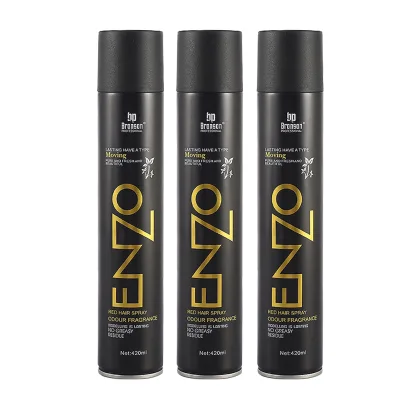
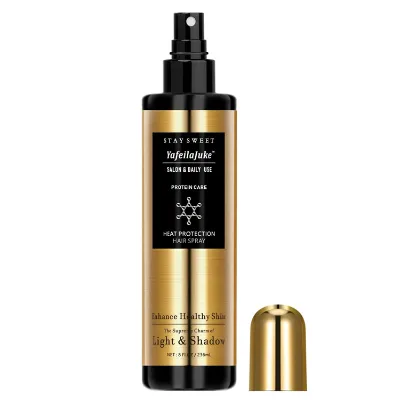
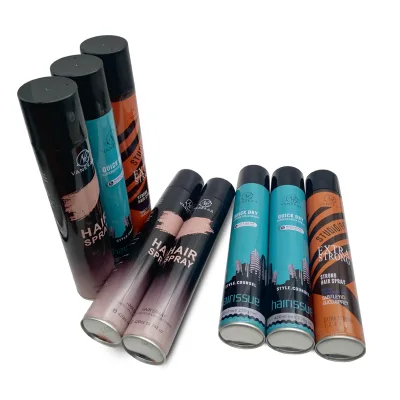
The observed product landscape is dominated by hair styling solutions, including fixed-hair sprays and modeling aids that promise high-quality, fragrant finishes suitable for salon, home, or travel use. These products are frequently marketed with customization options, allowing buyers to specify branding, scent profiles, and packaging formats. The presence of models such as BSJ-2304 and BSJ230512 suggests a standardized manufacturing approach for cosmetic aerosols or pump sprays, where the primary value proposition lies in the formulation’s hold strength and aesthetic appeal rather than the mechanical device itself.
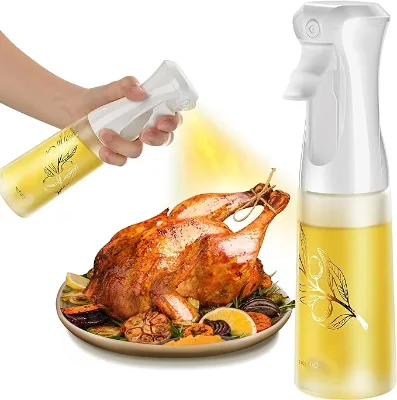
In contrast, the culinary segment of the market focuses on durable, easy-to-clean dispensing devices, often constructed from glass and cap materials, designed for the precise application of oil during barbecue, outdoor cooking, or household meal preparation. These items are typically sold as single units or in carton packs, with an emphasis on material integrity and leak-proof functionality. Buyers interested in olive oil spray for culinary purposes should look for suppliers who specialize in glassware or plastic injection molding, rather than those listing cosmetic formulations, as the latter may not meet food-contact safety standards or provide the necessary mechanical durability for repeated kitchen use.
Technical Specifications to Verify
For hair styling sprays, the technical focus should be on the formulation’s performance characteristics, such as hold strength, drying time, and residue levels, alongside the packaging’s spray pattern consistency. Buyers must verify the propellant type if the product is aerosolized, as this impacts shipping regulations and environmental compliance. Additionally, the single package size and gross weight are critical for logistics planning, especially when dealing with high MOQs that can range from 2,000 to 10,000 pieces. The material composition of the bottle, whether plastic or glass, must be compatible with the chemical formulation to prevent degradation or leakage over time.
For culinary olive oil sprayers, the technical verification centers on the mechanical reliability of the pump mechanism, the thickness and durability of the glass body, and the seal integrity of the cap. Specifications such as volume capacity (e.g., 10ml to 100ml) and single gross weight are essential for inventory management and retail packaging design. Buyers should request detailed dimensions, including diameter and height, to ensure the product fits standard retail displays or storage containers. The material of the collar and cap must be food-safe and resistant to corrosion from repeated exposure to oil and cleaning agents, ensuring long-term functionality without failure.
Compliance and Safety Documentation
Cosmetic hair sprays require strict adherence to regional cosmetic regulations, such as the EU Cosmetics Regulation or the US MoCRA, which mandate ingredient transparency, safety assessments, and proper labeling. Buyers must ensure that suppliers provide a Certificate of Analysis (CoA) and a Safety Data Sheet (SDS) for the formulation, verifying that all ingredients are approved for topical use. If the product contains allergens or specific chemical compounds, these must be clearly declared on the packaging to comply with consumer protection laws. Additionally, aerosol products may require additional documentation regarding pressure vessel safety and flammability classifications for transport.
Culinary oil sprayers must comply with food-contact material regulations, such as FDA 21 CFR in the United States or EU Regulation 1935/2004 in Europe, ensuring that all components, including glass, plastic caps, and metal springs, are safe for indirect food contact. Buyers should request migration test reports to confirm that no harmful substances leach from the device into the oil during use. For glass products, thermal shock resistance and impact strength tests are crucial to prevent breakage during shipping or use. Suppliers should also provide evidence of compliance with general product safety directives, particularly if the device includes mechanical parts that could pose a pinch or cut hazard.
Cost Drivers and Commercial Terms
The cost of hair styling sprays is heavily influenced by the complexity of the formulation, the type of packaging (aerosol vs. pump), and the volume of the order. High MOQs, often starting at 2,000 to 7,500 pieces, can reduce unit costs but increase initial capital outlay and storage requirements. Customization options, such as private labeling, custom scents, and unique bottle designs, typically incur additional setup fees and higher per-unit prices. Buyers should also consider the cost of samples, which may be provided freely but require the buyer to cover freight charges, adding to the initial sourcing expense.
For culinary oil sprayers, the primary cost drivers are the material quality of the glass and the precision of the pump mechanism. Thicker glass and more durable caps increase the unit price but reduce the risk of breakage and returns. MOQs for these items can vary widely, from small batches of 200 pieces to large orders of 10,000 pieces, allowing for flexibility in initial testing. Buyers should negotiate clear payment terms, such as T/T, and clarify who bears the cost of shipping and insurance. Volume discounts should be explicitly defined in the contract to ensure that price reductions are realized as order quantities increase.
Supplier Qualification and Quality Control
When evaluating suppliers for hair styling products, buyers should prioritize those with established manufacturing facilities and a proven track record in cosmetic production. Verification of factory audits, including checks for cleanroom standards and quality control processes, is essential to ensure product consistency. Suppliers should be able to provide references from existing clients and demonstrate their ability to handle customization requests without compromising quality. Additionally, buyers should assess the supplier’s responsiveness to sample requests and their willingness to accommodate specific formulation or packaging requirements.
For culinary oil sprayer suppliers, quality control should focus on the mechanical testing of the pump mechanism and the structural integrity of the glass. Buyers should request samples to test the spray pattern, flow rate, and ease of cleaning in real-world conditions. It is also important to verify the supplier’s packaging methods to ensure that products are protected against breakage during transit. Suppliers with experience in exporting to target markets should be preferred, as they are likely to be more familiar with local compliance requirements and logistics challenges. Establishing a clear communication channel for addressing defects or discrepancies is crucial for maintaining a reliable supply chain.
Long-Term Procurement Checks
Long-term success in sourcing Nourishing Olive Oil Spray depends on establishing a robust supplier relationship that includes regular performance reviews and continuous improvement initiatives. For cosmetic products, this may involve periodic re-testing of formulations to ensure stability and efficacy over time, as well as staying updated on changing regulatory requirements. Buyers should maintain open lines of communication with suppliers to address any issues promptly and to explore opportunities for product innovation or cost optimization. Regular audits of the supplier’s quality management system can help identify potential risks before they impact production.
For culinary devices, long-term checks should include monitoring the durability of the products in the field and gathering feedback from end-users regarding performance and usability. Buyers should work with suppliers to refine designs based on this feedback, such as improving the spray mechanism or enhancing the grip of the bottle. It is also important to review the supplier’s ability to scale production in response to demand fluctuations and to ensure that raw material sources remain stable and compliant. By maintaining a proactive approach to supplier management, buyers can mitigate risks and ensure a consistent supply of high-quality olive oil spray products.
FAQs
Can I get a customized logo on the spray bottle?
Yes, customized logos are acceptable for this product. The supplier accepts OEM and ODM requests, allowing you to brand the glass or plastic spray bottles with your specific design for household or commercial use.
What is the minimum order quantity for these sprays?
The minimum order quantity varies by product type, ranging from 2 to 10,000 pieces. Specific models like the glass oil spray bottle may require 1,000 to 7,500 pieces depending on the customization and material selected.
Where are these spray bottles manufactured?
These products originate from China, specifically from factories in Guangdong and Anhui provinces. The manufacturing facilities are established and capable of handling both standard and customized production runs for various spray applications.
What materials are used for the spray bottles?
The bottles are constructed from glass and plastic materials with a spray cap. Some models feature a glass collar and are designed for holding oils, while others are made for hair styling products or general household use.
How are the spray bottles packaged for shipping?
The products are packed in carton boxes, with specific configurations like 60 pieces per carton. The packaging is designed to protect the glass and plastic components during transit to ensure they arrive in high quality.
What volume options are available for the oil sprays?
Multiple volume options are available, including 5 ml, 10 ml, 15 ml, 20 ml, 30 ml, 50 ml, and 100 ml. These sizes cater to different needs, from small household portions to larger commercial cooking applications.
Is free sampling available for these products?
Yes, samples are provided freely with freight paid by the buyer. This allows potential buyers to evaluate the quality, smell, and functionality of the spray bottles before committing to a larger bulk order.