Source Odor Control Low Dust Bentonite for Cat Litter, Ceramics, and Paper
Find and compare 30 listings for Odor Control Low Dust Bentonite suitable for cat litter, ceramic, and paper applications. Evaluate specifications like montmorillonite content, particle size, and packaging options to identify the right supplier for your industrial or pet product needs.
Key considerations
Products List

Natural Low Dust Highly Absorbent Friendly Bentonite Cat Litter Odor Control
$0.52 - $0.79
MOQ: 1000 Bag/Bags


High Absorbency Low Dust Easy Clean up Odor Control Bentonite Cat Litter
$0.34 - $0.39
MOQ: 1000 Kilogram/Kilograms


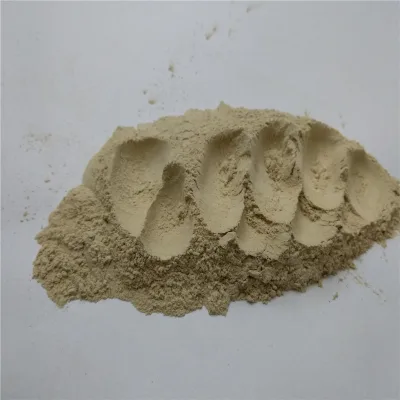
$0.36 - $0.41
MOQ: 25 kilograms


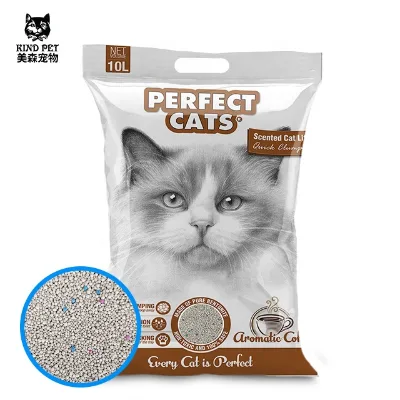
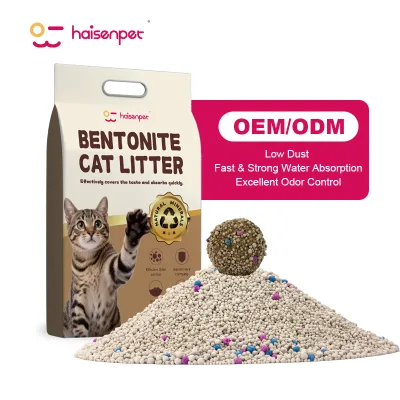
Comprehensive Sourcing Guide
Bentonite Odor Control Low Dust Sourcing Guide
Sourcing bentonite cat litter with a focus on odor control and low dust requires a nuanced understanding of both the raw material properties and the finished product specifications. The market offers a variety of options, ranging from standard clumping litters to specialized formulations designed for enhanced scent management and cleaner handling. Buyers must navigate a landscape where product attributes such as fragrance, packaging, and origin vary significantly across suppliers. This guide provides a structured approach to evaluating these products, ensuring that procurement decisions are based on verified data and clear commercial terms rather than marketing claims.
The primary challenge in this category is distinguishing between genuine performance indicators and superficial features. While many suppliers advertise "low dust" and "extra odor control," these claims must be backed by specific technical metrics and observable product characteristics. For instance, the presence of activated carbon or specific fragrance profiles like coffee, lemon, or lavender can influence odor control efficacy, but the underlying bentonite quality remains the foundation of performance. Procurement teams need to establish clear verification steps for these attributes to avoid receiving products that fail to meet the expected standards for customer satisfaction and operational efficiency.
Product Scope and Observed Listing Signals
The observed product landscape for bentonite cat litter reveals a diverse range of offerings, with prices spanning from $0.25 to $680 USD and minimum order quantities (MOQs) ranging from 1 to 1000 units. This wide variance suggests that the market includes both small-scale trial orders and bulk industrial shipments, catering to different buyer needs. The products are primarily identified as "Bentonite Cat Litter" or "Cat litter," with some listings specifying models such as "PNa-12-35" or "Bentonite for washing," indicating potential dual-use applications or specific formulation types. Buyers should note that while the core product is consistent, the packaging and branding options, such as PP Bag+PE Bag or woven bags, vary significantly.
Fragrance options are a key differentiator in this category, with suppliers offering scents like coffee, lemon, apple, rose, lavender, milk, activated carbon, honey peach, green tea, and custard. These additives are often marketed to enhance odor control, but buyers must verify how these scents interact with the bentonite's natural clumping and absorption properties. Additionally, some products are described as "flushable" or "plant-based," which may imply specific compositional differences or processing methods. The shape of the product is typically listed as powder or granular, with particle size percentages and fineness of water dispersions provided in some technical specifications, offering clues about the product's texture and dust potential.
Technical Specifications to Verify
When evaluating bentonite cat litter, buyers should prioritize verification of the montmorillonite content, which is a critical indicator of clumping ability and odor absorption. Some listings specify a montmorillonite content of ≥85% or 83%, which suggests a high-quality raw material base. The pH level is another important parameter, with observed values ranging from 8-9, indicating a slightly alkaline nature that may affect compatibility with certain cleaning agents or pet health considerations. Buyers should request detailed test reports for these metrics to ensure consistency across batches, as variations in mineral content can directly impact the litter's performance in real-world usage.
Dust control and particle size are essential for assessing the "low dust" claim, which is a significant selling point for pet owners and commercial facilities. Specifications such as particle size percentages (≥95%) and fineness of water dispersions (0.2-5) provide quantitative data that can be used to compare suppliers. Additionally, moisture content (5-12%) and volatiles (10-33%) should be checked to ensure the product is stable and does not degrade during storage or transport. Buyers should also verify the glial valence, with some listings indicating a value of ≥150 ml/15g, which relates to the clay's swelling capacity and clumping strength.
Compliance and Safety Documentation
Compliance with international standards is crucial for importing bentonite cat litter, particularly when dealing with products intended for direct contact with pets. Common certifications observed in the market include CE, ISO 9001, MSDS, CIQ, and RoHS, which indicate adherence to quality management, safety, and environmental regulations. Buyers should request copies of these certificates to verify their validity and ensure they cover the specific product models being purchased. The presence of an MSDS (Material Safety Data Sheet) is particularly important for understanding the chemical composition and handling requirements of the product.
In addition to certifications, buyers should inquire about the product's origin and manufacturing standards. Listings indicate origins in Hebei, China, or CN;GUA, which may influence logistics costs and supply chain reliability. Some products are described as having a "plant-based" or "natural" composition, which may require additional verification to ensure that no harmful synthetic additives are present. Buyers should also check for any specific regional regulations that may apply to pet products, such as labeling requirements or ingredient restrictions, to avoid compliance issues upon import.
Cost Drivers and Commercial Terms
The cost of bentonite cat litter is influenced by several factors, including the raw material quality, fragrance additives, packaging specifications, and order volume. Prices ranging from $0.25 to $680 USD reflect the diversity of products available, from basic unscented litters to premium scented or specialized formulations. MOQs ranging from 1 to 1000 units allow for flexibility in ordering, but buyers should consider the total landed cost, including shipping, duties, and handling fees, when evaluating price competitiveness. Bulk orders may offer better unit prices, but they also require careful inventory management to avoid storage costs or product degradation.
Packaging options, such as PP Bag+PE Bag or woven bags, can impact both the cost and the protection of the product during transit. Some suppliers offer OEM/ODM services, allowing buyers to customize packaging and branding, which may involve additional setup costs but can enhance brand recognition in the target market. Buyers should negotiate clear terms for sample provision, as many suppliers offer samples for quality verification. It is also important to clarify the payment terms, delivery schedules, and return policies to mitigate financial risks associated with the procurement process.
Supplier Qualification and Quality Control
Supplier qualification is a critical step in ensuring the reliability and consistency of bentonite cat litter supplies. Buyers should verify the supplier's production capabilities, including their ability to maintain consistent montmorillonite content and particle size across batches. Some suppliers offer customization options, such as specific fragrances or packaging designs, which can be a valuable asset for brands looking to differentiate their products. However, buyers should assess the supplier's quality control processes to ensure that these customizations do not compromise the core performance attributes of the litter.
Quality control measures should include regular testing of key parameters such as pH, moisture content, and clumping strength. Buyers should request detailed quality reports for each shipment and establish clear acceptance criteria for product defects or deviations from specifications. Additionally, suppliers should be evaluated for their responsiveness to issues and their ability to provide timely support for any quality-related concerns. Building a strong relationship with a qualified supplier can lead to better pricing, improved product quality, and more reliable delivery schedules over time.
Long-Term Procurement Checks
Long-term procurement success depends on continuous monitoring of supplier performance and product quality. Buyers should establish a regular review process to assess the consistency of bentonite cat litter shipments, tracking metrics such as defect rates, delivery times, and customer feedback. Any deviations from agreed-upon specifications should be addressed promptly with the supplier to prevent recurring issues. Additionally, buyers should stay informed about changes in market trends, regulatory requirements, and consumer preferences that may impact the demand for specific product features, such as eco-friendly or low-dust formulations.
As the market evolves, buyers should remain open to exploring new suppliers and product innovations that may offer better value or performance. However, any changes in sourcing strategy should be accompanied by thorough due diligence to ensure that new suppliers meet the same quality and compliance standards as existing partners. By maintaining a proactive approach to supplier management and product evaluation, buyers can secure a reliable supply of high-quality bentonite cat litter that meets the needs of their customers and supports their brand reputation.
FAQs
How is the odor control performance of this bentonite cat litter?
The product offers extra odor control as a primary function. It utilizes activated carbon and various fragrances like coffee, lemon, and lavender to neutralize smells effectively for indoor pet cages.
What certifications do the manufacturers hold for this product?
Manufacturers hold CE, ISO9001, MSDS, CIQ, and RoHS certifications. These standards ensure the bentonite meets international safety and quality requirements for pet cleaning products and industrial applications.
Can I request custom packaging for this bentonite litter?
Yes, OEM and ODM packaging services are welcomed and accepted. Buyers can choose from PP bags with PE liners or request specific packing specifications like 25kg woven bags according to their needs.
Which fragrance options are available for this cat litter?
Available fragrances include coffee, lemon, apple, rose, lavender, milk, green tea, and honey peach. Some variants also feature activated carbon for enhanced odor absorption without relying solely on scent.
How is the particle size and purity of the bentonite?
The particle size percentage is at least 95, with a fineness of 325 mesh for water dispersions. The montmorillonite content is high, ranging from 83% to over 85% depending on the specific model.
What is the minimum order quantity for this product?
The minimum order quantity ranges from 1 to 1000 units depending on the supplier and specific product configuration. Buyers should verify the exact MOQ with the manufacturer before placing an order.
Where is this bentonite cat litter manufactured?
The product originates from Hebei, China, with some listings indicating GUA as a place of origin. This location serves as the primary production hub for the listed bentonite cat litter and related cleaning products.