Source Organic Avocado Repair Hair Conditioner for home, salon, and commercial use
Compare 30 listings of Organic Avocado Repair Hair Conditioner from verified manufacturers in Guangdong. Options include moisturizing formulas for curly, fine, and color-treated hair with features like smoothing and anti-breakage protection.
Key considerations
Products List






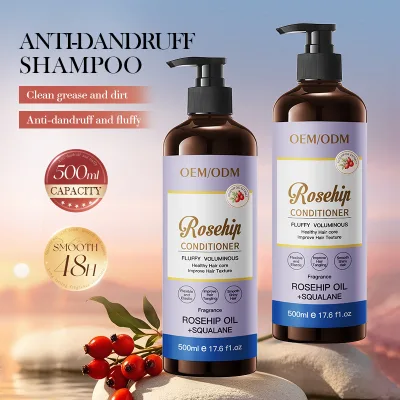

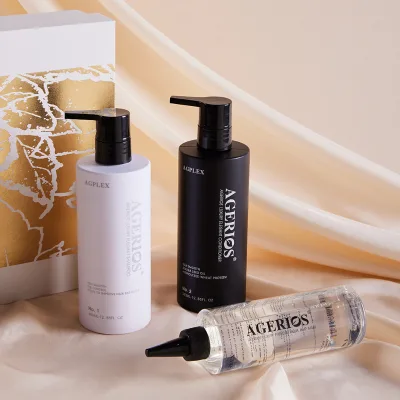
Comprehensive Sourcing Guide
Strategic Sourcing Guide for Organic Avocado Repair Hair Conditioner
Understanding Product Attributes and Formulation Variations
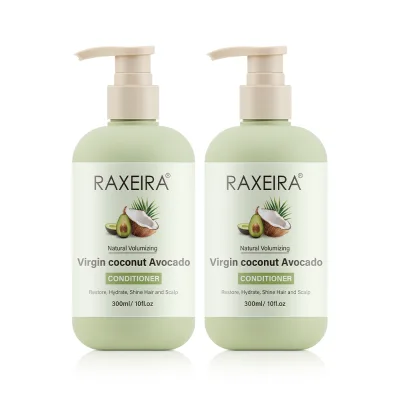
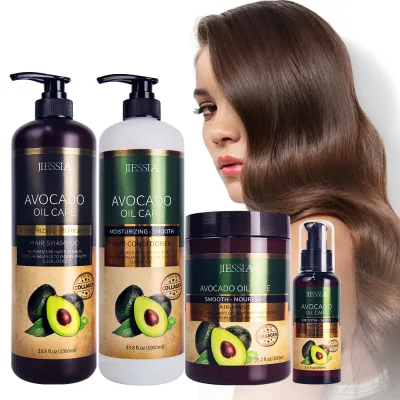
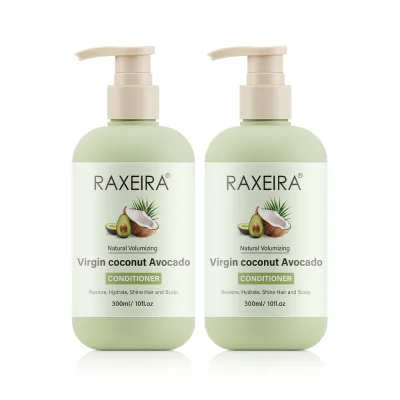
When sourcing an Organic Avocado Repair Hair Conditioner, buyers must first navigate the complex landscape of product attributes that define the core keyword. The market offers distinct formulations that, while sharing the "avocado" and "repair" descriptors, differ significantly in their ingredient profiles and intended applications. Based on current market observations, a primary variant features a concentration formula utilizing herbal ingredients and avocado oil, specifically targeting curly hair, fine hair, and color-treated hair. This formulation is designed with a cream-based form and is categorized as a rinse-off product, emphasizing moisturizing, nourishing, and smoothing effects. The packaging for this specific variant often indicates a volume of 300ml or 1000ml, with a shelf life of approximately three years.
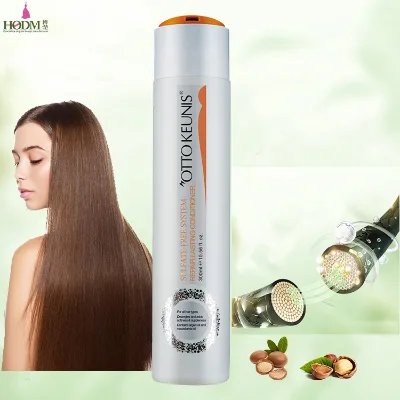
In contrast, a second distinct category focuses on a "paraben-free" and "organic" profile that integrates argan oil and macadamia oil alongside the avocado component. This variant is often marketed as a 2-in-1 formula or a leave-in treatment, targeting enhanced elasticity and reduced breakage. The feature set for this product includes anti-breakage and split-end protection, aiming to leave hair smooth, soft, and shiny. It is crucial for buyers to distinguish between these two formulations during the initial screening phase. The first variant is heavily focused on deep nourishment for damaged hair types, while the second emphasizes a broader repair and strengthening function with a specific emphasis on being silicone-free and cruelty-free. The brand names associated with these distinct product lines vary, with some listings highlighting specific manufacturer identities while others focus on the generic product description.
Technical Specifications and Packaging Standards
Technical specifications are the backbone of any B2B procurement decision, particularly when dealing with cosmetic and personal care items where logistics and storage play a critical role. The physical dimensions and weight of the product packages vary widely depending on the volume and the specific product line. For the avocado oil conditioner targeting damaged hair, the single package size is recorded at 37.4 x 27.5 x 31.5 cm, with a single gross weight of 23.500 kg. This suggests a bulk packaging configuration, likely a master carton containing multiple units, which is standard for wholesale transactions. The volume for this specific unit is noted as 1000ml, making it suitable for commercial or large-scale home use scenarios.
Conversely, the paraben-free repair conditioner with argan and macadamia oils presents a different logistical profile. The single package size for this variant is significantly smaller at 24 x 12 x 12 cm, with a gross weight of only 0.500 kg. This indicates a retail-ready or smaller bulk unit, potentially containing a 300ml bottle. The model numbers associated with these products, such as N250211 or SFS hair conditioner, serve as unique identifiers for buyers to track specific SKUs across different suppliers. The "Single package size" and "Single gross weight" are critical metrics for calculating shipping costs and warehouse capacity. Buyers must verify if the listed dimensions refer to the individual bottle or the outer carton, as discrepancies here can lead to significant miscalculations in freight charges.
Furthermore, the "formula" attribute provides insight into the product's consistency and application method. The avocado-based variant is described as having a "Concentration" formula, implying a higher potency of active ingredients. The alternative variant is labeled as a "2-IN-1" formula, which may indicate a combination of shampoo and conditioner or a dual-action treatment. The "type" is consistently listed as "RINSE-OFF" for the primary avocado variant, whereas the other variant includes "Leave-In" features, requiring different usage instructions and potentially different regulatory classifications depending on the destination market.
Compliance, Certification, and Regulatory Verification
In the realm of organic and natural hair care, compliance is not merely a suggestion but a fundamental requirement for market entry. Buyers must rigorously verify the certification status of potential suppliers. The observed market data indicates that certain products carry a suite of certifications including MSDS, CPNP, CPSR, CE, and ROHS. These documents are essential for demonstrating that the product meets safety and environmental standards. MSDS (Material Safety Data Sheet) is critical for shipping and handling, detailing the chemical composition and safety precautions. CPNP (Cosmetic Products Notification Portal) and CPSR (Cosmetic Product Safety Report) are particularly relevant for the European market, ensuring the product is safe for consumer use and compliant with EU regulations.
The "paraben-free," "organic," and "cruelty-free" claims are common marketing terms, but they must be backed by verifiable documentation. While the product listings mention these attributes, buyers should not assume that every listed product automatically satisfies these standards without proof. The presence of "Organic" and "Cruelty-Free" in the ingredient list suggests a commitment to ethical sourcing, but the specific certification bodies (such as USDA Organic, Ecocert, or Leaping Bunny) are not explicitly detailed in the general observations. Therefore, the procurement strategy must include a request for specific certification copies from the supplier.
Additionally, the "place of origin" is consistently identified as Guangdong, China. This region is a major hub for cosmetic manufacturing, but it also requires buyers to be vigilant about local and international export regulations. The "Wholesale manufacturer" designation implies that the supplier is a direct producer, which can streamline the verification process for certifications. However, buyers must ensure that the certifications listed are valid for the specific batch being ordered and are recognized in the target export market. The "Sample" availability is a key indicator of a supplier's confidence in their compliance; reputable manufacturers will readily provide samples for testing to verify that the product matches the claimed certifications.
Cost Drivers and Pricing Dynamics
The pricing structure for organic avocado repair hair conditioners is influenced by several dynamic factors, including volume, formulation complexity, and packaging requirements. The observed price range in the market spans from $0.40 to $12.22 USD. This wide variance is not arbitrary but reflects the differences in product attributes, such as the volume (300ml vs. 1000ml), the concentration of active ingredients (avocado oil, keratin, argan oil), and the level of customization (OEM/ODM capabilities). The lower end of the price spectrum likely corresponds to standard bulk orders of the 300ml rinse-off variants, while the higher end may reflect specialized formulations, smaller batch sizes, or products with extensive private labeling and custom formula design.
The Minimum Order Quantity (MOQ) is another significant cost driver, with observed ranges from 1 to 5000 units. A lower MOQ allows for smaller initial investments and reduced inventory risk, which is beneficial for startups or testing new markets. However, higher MOQs typically result in a lower unit cost, improving the profit margin for established retailers. The "Selling Units" are listed as "Single item," which suggests that the pricing might be per bottle, but the "Package" attribute indicates that bulk orders often come in cartons of 24 pieces. Buyers must calculate the total landed cost, including the unit price, shipping, and any tariffs, to determine the true cost efficiency.
Customization services, such as "private label," "bottles," and "bulk" options, add value but also increase the cost. The "OEM/ODM" capability allows buyers to create a unique brand identity, but this requires additional investment in design, mold creation, and potentially higher MOQs. The "15 Years Experiences" advantage mentioned in some listings suggests that suppliers with a long track record may command a premium due to their reliability and expertise, but they also offer better risk mitigation. Buyers should weigh the cost of customization against the potential brand value and market differentiation it provides.
Supplier Evaluation and Verification Protocols
Evaluating a supplier for Organic Avocado Repair Hair Conditioner requires a multi-faceted approach that goes beyond simple price comparison. The "15 Years Experiences" attribute highlights the importance of supplier longevity and stability. A supplier with a long history is more likely to have established quality control processes and a reliable supply chain. However, buyers must verify these claims by requesting references and checking the supplier's business registration and export history. The "Wholesale manufacturer" status in Guangdong, China, indicates a direct source, which can reduce the risk of middlemen markups and ensure better communication regarding product specifications.
The availability of samples is a critical component of the evaluation process. The "Sample: Avilable" and "Welcome get samples for testing" notes indicate that suppliers are willing to provide product for evaluation. Buyers should request samples of the specific SKU they intend to order to verify the texture, scent, and performance claims. The "Natural" and "perfumed fragrance" attributes should be confirmed through sensory testing, as these can vary between batches. Additionally, the "Shelf Life" of 3 years is a key metric for inventory management, and buyers should verify the expiration date on the sample to ensure it aligns with the supplier's claims.
The "OEM/ODM" capability is another indicator of a supplier's flexibility and technical competence. A supplier that offers "formula design" and "bottles custom" is likely to have a robust R&D department. Buyers should assess the supplier's ability to meet specific requirements, such as the "Concentration" formula or the "2-IN-1" formulation, and their willingness to accommodate changes in packaging or ingredient sourcing. The "Single gross weight" and "Single package size" data should be cross-referenced with the supplier's actual shipping documents to ensure accuracy.
Quality Control and Performance Verification
Quality control is paramount in the hair care industry, where product performance directly impacts consumer satisfaction and brand reputation. The "Effect" attributes, such as "Smoothing Repairing Moisturizing Nourishing," must be validated through rigorous testing. Buyers should request test results or third-party verification reports that confirm the product's ability to deliver on these claims. The "Main Ingredient" list, which includes Keratin and Avocado, should be verified to ensure the actual concentration matches the label claims. The "feature" list, including "Repair and Strengthen Hair" and "Anti-Breakage/Split Ends," requires empirical evidence to support the marketing assertions.
The "formula" type, whether "Concentration" or "2-IN-1," affects the product's stability and efficacy. Buyers should ensure that the supplier has a robust quality assurance process to maintain consistency across batches. The "Shelf Life" of 3 years is a standard claim, but it must be supported by stability testing data. The "Single gross weight" and "Single package size" are also quality indicators; discrepancies in these metrics can suggest packaging errors or inconsistent filling processes.
For the "paraben-free" and "organic" variants, buyers must verify that the product is free from the specified contaminants and that the organic ingredients are sourced from certified suppliers. The "Cruelty-Free" claim should be backed by a recognized certification. The "MSDS" and "CPNP" documents are essential for ensuring that the product meets safety standards, but they do not guarantee performance. Therefore, a combination of document review and physical product testing is necessary to ensure quality.
Long-Term Procurement and Strategic Planning
Sourcing an Organic Avocado Repair Hair Conditioner is not just a transactional activity but a strategic decision that impacts long-term business growth. The "15 Years Experiences" of the supplier and their "OEM/ODM" capabilities suggest a partnership potential that extends beyond a single order. Buyers should consider the scalability of the supplier's production capacity to meet future demand. The "Volume" options, ranging from 300ml to 1000ml, offer flexibility in product positioning, allowing buyers to cater to different market segments.
The "Place of Origin" in Guangdong, China, offers access to a mature supply chain, but buyers must also consider the geopolitical and logistical risks associated with international trade. Diversifying the supplier base or establishing a long-term contract can mitigate these risks. The "Sample" availability and "private label" options provide opportunities for brand differentiation and market testing. Buyers should plan for a phased approach, starting with smaller orders to validate the product and supplier, and then scaling up as confidence grows.
The "Advantage" of "15 Years Experiences" and the "Certification" suite indicate a supplier that is well-positioned for long-term collaboration. However, buyers must remain vigilant about market trends and regulatory changes. The "Organic" and "Cruelty-Free" trends are evolving, and suppliers must adapt to maintain compliance. By focusing on a strategic partnership with a reliable supplier, buyers can ensure a steady supply of high-quality organic avocado repair hair conditioners that meet the demands of their target market.
FAQs
What certifications are available for Organic Avocado Repair Hair Conditioner?
Products may carry certifications including MSDS, CPNP, CPSR, CE, and ROHS. Buyers should verify these documents to ensure compliance with safety and environmental standards for specific export markets.
Which hair types are suitable for this avocado oil conditioner?
The formulation targets curly hair, fine hair, and color-treated hair. It is designed to provide moisturizing, nourishing, and smoothing effects for these specific hair conditions.
How is the product packaged for wholesale orders?
Bulk packages often contain 24 pieces per carton with dimensions around 37.4 by 27.5 by 31.5 cm. The single gross weight for such packages is approximately 23.5 kg.
Can buyers obtain samples for testing before placing an order?
Samples are available for testing to verify product quality and compliance. Buyers can request samples to confirm the texture, scent, and performance claims before committing to bulk purchases.
What is the shelf life of the organic avocado repair conditioner?
The product has a shelf life of three years. This duration allows for extended inventory management and distribution planning for wholesale buyers.
Which ingredients are used in the paraben-free variant?
Ingredients include organic avocado oil, argan oil, and macadamia oil. The formula is also silicone-free, cruelty-free, and free from parabens for a natural hair care experience.
What is the minimum order quantity for these hair conditioners?
The minimum order quantity ranges from 1 to 5000 units depending on the supplier and customization needs. Lower MOQs allow for smaller initial investments while higher volumes reduce unit costs.