Source Organic Fresh Ginger for Cooking, Medicine, and Processing
Explore 30 listings for Organic Fresh Ginger available from Chinese suppliers. Buyers can compare varieties like whole ginger and dried ginger, check packaging options, and review specifications for edible, medicinal, and processing uses.
Key considerations
Products List


$680.00 - $780.00
MOQ: 8 Tons


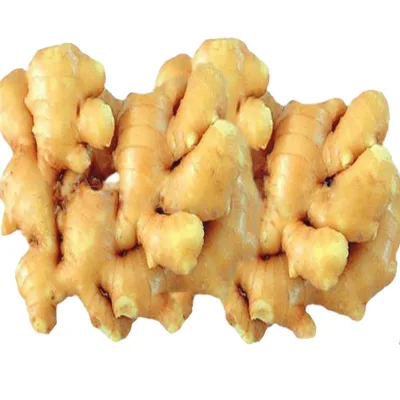


China Fresh Vegetables Ginger Fresh Ginger Dried Ginger with Wholesale Price
$600.00 - $700.00
MOQ: 1 Tons


Comprehensive Sourcing Guide
Strategic Sourcing Guide for Organic Fresh Ginger
Procuring Organic Fresh Ginger requires a disciplined approach that balances agricultural variability with strict supply chain compliance. The global market for this rhizome is characterized by diverse product forms, ranging from whole roots to processed pieces, and varying grades of organic certification. Buyers must navigate a complex landscape where specifications for weight, packaging, and origin significantly influence the final procurement strategy. This guide outlines the critical technical, compliance, and operational factors necessary for successful sourcing, ensuring that procurement decisions are grounded in verifiable data rather than marketing assertions.
Technical Specifications and Product Variability
The foundation of any successful ginger procurement lies in a precise understanding of technical specifications. Unlike standardized manufactured goods, agricultural products exhibit natural variation. The supplied data indicates a wide spectrum of product models and sizes available in the market. Buyers should anticipate specifications ranging from 80g to 300g and beyond, with specific models often listed as 100g, 150g, 200g, 250g, and 300g, or even 200g and up. The "Whole" style is a common attribute, yet "Pieces And Stems" are also frequently listed, indicating that buyers must explicitly define their preferred form factor.
Weight is a primary differentiator. Specifications such as 150-200g and 200-250g suggest that grading is often based on individual rhizome weight. However, the data also notes a standard of "100g 150g" and "200g&up," which implies that some suppliers may group products by minimum weight thresholds rather than precise individual sizing. Furthermore, the product type is not limited to fresh ginger alone; the market includes "Dried" varieties, "Ginger Powder," and "Air Dried Ginger." A buyer seeking fresh ginger must explicitly distinguish between "Fresh Ginger" and "Whole Ginger" to avoid receiving dehydrated or processed stock. The "New Crop" attribute is another critical specification, indicating the harvest seasonality and freshness of the inventory.
Compliance, Certification, and Origin Verification
Verifying the organic status and origin of ginger is paramount, particularly given the conflicting data regarding organic certification. The supplied facts list "Organic Ginger: Yes" alongside "Organic Ginger: No," highlighting that not all ginger listed as "organic" in search results carries valid certification. Buyers must demand proof of organic status from the supplier rather than relying on product titles.
Geographical origin is a significant indicator of quality and consistency. The data points to "China" and specifically "Shandong, China" as primary origins. Shandong is a major agricultural hub, and sourcing from this region often implies specific logistical advantages. However, buyers should verify if the specific batch originates from the claimed location, as supply chains can be complex.
Regarding certifications, the data explicitly lists "HACCP, FDA, ISO, BRC" as available certifications for certain suppliers. While "ISO 9001" is mentioned in background notes, it should not be assumed as a standard without verification. The presence of "Grade A" and "1st grade: & 2nd grade" standards suggests that quality tiers exist. Buyers should request documentation confirming that the specific lot meets the claimed grade and that the organic certification is current and issued by a recognized body. The "Supply: All The Year Round" attribute suggests that consistent availability is possible, but this should be confirmed against the specific harvest cycles of the origin region.
Cost Drivers and Pricing Structures
Understanding the cost drivers for Organic Fresh Ginger involves analyzing the interplay between weight, packaging, and certification. The observed price range in the market spans from 1 to 3000 USD, a vast disparity that reflects differences in product type, volume, and packaging. A single unit of fresh ginger will cost significantly less than a bulk shipment of certified organic, grade A ginger in specialized packaging.
Packaging is a major cost component. The data lists various packing methods including "20kg Mesh Bag," "5, 6, 7kg Carton," "PVC Carton," and "30lbs/PVC Box." Some suppliers offer "CTN Packing or Mesh Bag," while others state "According to Your Requirement." Customization of packaging often incurs additional costs. The Minimum Order Quantity (MOQ) ranges from 1 to 1350 units, indicating that small buyers can access the market, but bulk pricing likely applies to higher volumes. The "Weight (Kg): 10" attribute suggests that standard pallet or container loads may be based on 10kg increments or similar modular units. Buyers must calculate the total landed cost, including the premium for organic certification, the specific packaging requirements, and the volume discounts associated with higher MOQs.
Typical Applications and Usage Profiles
The versatility of ginger dictates its application across multiple industries. The data identifies several usage categories: "Edible," "Medicinal Type," "Processing Type," and "Ornamental Type." For food manufacturers, the "Edible" and "Processing Type" attributes are most relevant, indicating the ginger is suitable for direct consumption or as an ingredient in processed foods. The "Spicy Food: Cooking Necessities" note underscores its role as a fundamental flavoring agent in culinary applications.
In the medicinal sector, the "Medicinal Type" classification is critical. Attributes such as "Warm Food: Make Body Warm" and "Healthy Food: Prevent Disease" describe the traditional properties of ginger, which are often cited in health and wellness product development. However, these are descriptive attributes of the product's nature rather than guaranteed medical claims. Buyers in the pharmaceutical or nutraceutical space must ensure that the ginger meets specific purity and potency standards required for their formulations. The "Dried Ginger" and "Ginger Powder" variants are particularly relevant for processing applications where shelf stability and ease of handling are prioritized over fresh texture.
Supplier Evaluation and Selection Criteria
Selecting the right supplier requires a rigorous evaluation of their capabilities against the buyer's specific needs. The data indicates that "Customization: Available" is a key attribute, suggesting that many suppliers are willing to tailor product specifications, packaging, and grading to the buyer's request. This flexibility is a strong indicator of a supplier's adaptability.
When evaluating suppliers, buyers should prioritize those who can demonstrate a clear supply chain from "Shandong, China" or other verified origins. The "Brand Name: Rich Farmer" is mentioned in the data, but buyers should not limit their search to specific brands. Instead, they should focus on the supplier's ability to provide consistent "Grade A" or "1st grade" product. The availability of certifications like "HACCP" and "BRC" is a strong positive signal for food safety compliance. Buyers should also assess the supplier's ability to handle the "All The Year Round" supply claim, ensuring they have the storage and logistics infrastructure to maintain product quality throughout the year.
Quality Control and Inspection Protocols
Quality control for Organic Fresh Ginger must address both biological and physical attributes. The "Color: Yellow" attribute is a basic visual standard, but buyers should define acceptable color ranges to account for natural variation. The "Type: Fresh" and "Type: Dried" distinctions must be strictly enforced during inspection to prevent misclassification. For fresh ginger, the presence of "Pieces And Stems" should be evaluated based on the buyer's tolerance for waste and processing loss.
Inspection protocols should verify the "Organic" status through certificate review and potentially third-party testing. The "Crop: New Crop" attribute should be confirmed to ensure the ginger is not from an old stock that may have lost potency or flavor. For dried varieties, the "Dehydrated Ginger" specification requires verification of moisture content to prevent mold growth during storage. The "Standard: 100g, 150g, 200g, 250g, 300g and up" indicates that weight consistency is a key quality metric. Buyers should implement random sampling to ensure that the average weight of the shipment aligns with the ordered specification.
Long-Term Procurement Considerations
Sourcing Organic Fresh Ginger is a long-term relationship that requires strategic planning. The "Supply: All The Year Round" attribute suggests that a reliable supplier can support continuous production, but buyers must verify this claim against seasonal harvest data. Long-term contracts should include clauses for quality consistency, particularly regarding the "Grade" and "Organic" status.
Buyers should also consider the flexibility of packaging and labeling. The "According to Your Requirement" packing option allows for brand-specific customization, which is valuable for long-term brand building. However, this customization must be balanced against cost and lead time implications. The "MOQ" range of 1 to 1350 offers flexibility for startups, but established buyers should negotiate volume-based pricing tiers to optimize margins. Finally, maintaining a relationship with suppliers who hold robust certifications like "FDA" and "ISO" ensures that the supply chain remains compliant with evolving international trade regulations, securing the buyer's market access and reputation.
Summary of Key Specifications
To assist buyers in their initial screening, the following table summarizes the critical technical and compliance attributes observed in the market data.
| Attribute Category | Observed Values | Verification Requirement |
|---|---|---|
| Product Type | Fresh, Dried, Powder, Air Dried | Confirm physical state matches order. |
| Style/Form | Whole, Pieces And Stems | Define acceptable ratio of stems/pieces. |
| Weight/Size | 80g to 300g+, 100-150g, 200-250g | Verify average weight per unit. |
| Origin | China, Shandong, China | Request proof of origin documentation. |
| Certifications | HACCP, FDA, ISO, BRC | Validate current certificate copies. |
| Organic Status | Yes, No | Require valid organic certificate for "Yes" claims. |
| Packaging | Mesh Bag, Carton, PVC Box, Custom | Confirm packaging material and weight capacity. |
| Grade | Grade A, 1st Grade, 2nd Grade | Inspect sample for grade consistency. |
| Supply | All The Year Round | Verify inventory depth and logistics capability. |
By adhering to these structured guidelines and focusing on verifiable data points, buyers can navigate the complexities of the Organic Fresh Ginger market with confidence, ensuring that their procurement strategies yield high-quality, compliant, and cost-effective results.
FAQs
What certifications are available for Organic Fresh Ginger suppliers?
Suppliers offer HACCP, FDA, ISO, and BRC certifications for their ginger products. Buyers must verify that these certificates are current and issued by recognized bodies before finalizing any purchase agreement.
Which weight specifications are available for fresh ginger products?
Product models range from 80g up to 300g and beyond, including specific sizes like 100g, 150g, 200g, and 250g. Some listings specify ranges such as 150-200g or 200-250g for individual rhizomes.
Can I customize the packaging for my Organic Fresh Ginger order?
Customization is available for packaging requirements, allowing buyers to specify materials like mesh bags or cartons. Suppliers may offer options such as 20kg mesh bags or 5-7kg cartons based on specific needs.
Where is the Organic Fresh Ginger primarily sourced from?
The primary origin for this ginger is China, with a specific concentration in the Shandong region. Buyers should request proof of origin documentation to confirm the specific batch location.
How is the organic status of the ginger verified by suppliers?
The data indicates that some products are marked as organic while others are not, requiring strict verification. Buyers must demand valid organic certificates rather than relying solely on product titles or descriptions.
What are the standard packaging options for fresh ginger shipments?
Standard packaging includes 20kg mesh bags, 5-7kg cartons, and PVC boxes or cartons. Some suppliers also offer packing according to specific buyer requirements to ensure product protection during transit.
Which grades of ginger are available in the current market?
Products are available in Grade A, 1st grade, and 2nd grade classifications. Buyers should request documentation confirming that the specific lot meets the claimed grade standards before placing an order.