Source Organic Food Propolis Softgel for Immune Support, Weight Management, and Blood Pressure Care
Find 30 listings for Organic Food Propolis Softgel with varying certifications and customization options. Buyers can compare attributes like dosage forms, filling weights, and OEM services to select suitable suppliers for adult health needs.
Key considerations
Products List


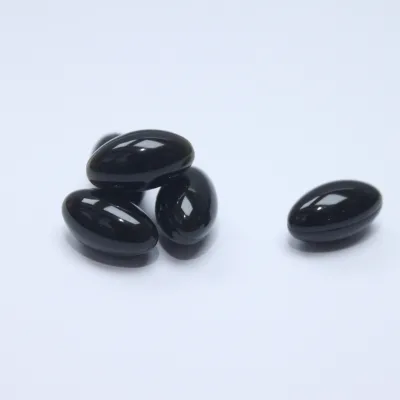


Health Food Supplement Reduce Blood Lipid Liver Protection Propolis Softgels
$0.01 - $0.01
MOQ: 300000 Pieces


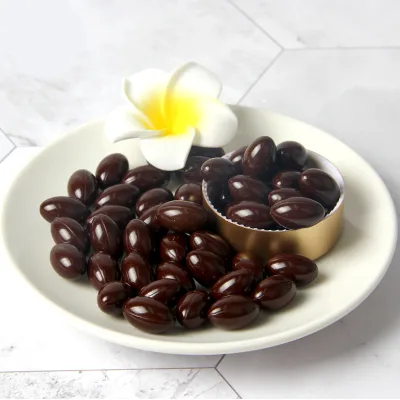

OEM High Quality Softgel Supplement Natural Propolis Extract Softgels
$0.02 - $0.03
MOQ: 300000 Pieces

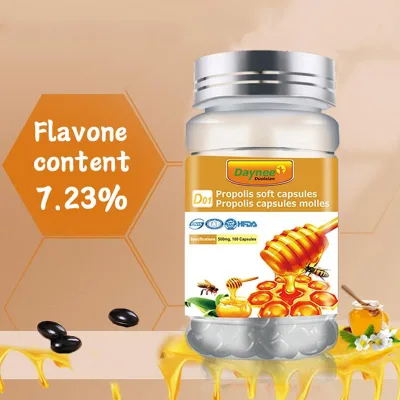


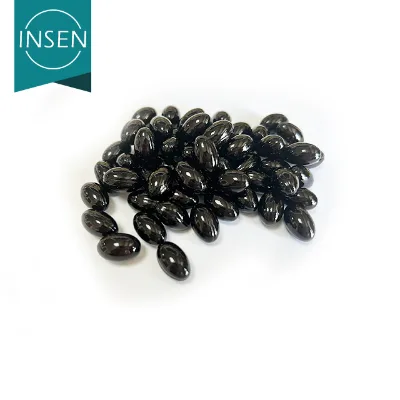
Softgel Manufacturing Factory Supply Natural Bulk OEM Propolis Soft Capsules
$0.01 - $0.80
MOQ: 10 Minimum
Comprehensive Sourcing Guide
Strategic Sourcing Guide for Organic Food Propolis Softgels
Understanding Product Specifications and Formulation Variability
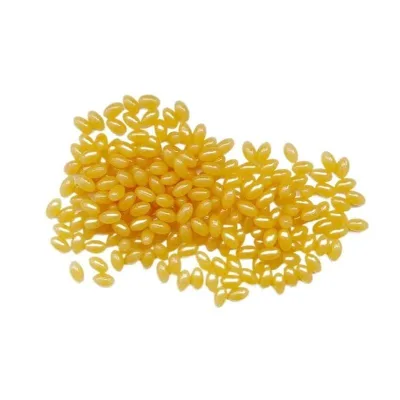
When initiating a procurement strategy for organic food propolis softgels, the primary objective is to align product specifications with precise market requirements. The core product category, identified as Propolis softgel, presents a unique set of technical parameters that buyers must scrutinize. Based on available industry data, the standard dosage form is the softgel capsule, designed to encapsulate the active ingredient effectively. The physical appearance of these units is frequently observed as black and oval, though variations such as light yellow or round shapes are also documented in the market. This variability suggests that the final product appearance is often a result of the specific raw material source or the manufacturer's formulation process.
The filling weight is a critical specification that dictates the potency and perceived value of the product. Market observations indicate a range of filling weights, including 500mg, 1000mg, and 1200mg per unit. Some listings specify a product specification of 500mg per tablet, while others offer customizable filling weights to meet specific client needs. This flexibility is essential for buyers targeting different consumer segments, from those seeking high-potency immune support to those requiring lower-dose maintenance supplements. The single volume of the product is noted as 0 cm³ in certain data points, which likely indicates a data entry anomaly or a specific measurement standard; buyers should verify the actual liquid or gel volume with the supplier to ensure accurate packaging logistics.
Packaging configurations are equally diverse, ranging from bulk shipments to individual bottles, blisters, and custom boxes. The standard packing method often includes bag, bottle, or bulk options, allowing for scalability in distribution. The product standard is frequently listed as 60 capsules per 4 units or as a customizable standard, reinforcing the need for clear communication regarding unit counts per outer carton. The shelf life is consistently observed at 3 years or 36 months, a critical factor for inventory management and supply chain planning. Storage requirements emphasize avoiding sun exposure and high temperatures, with specific notes on moisture proofing to maintain the integrity of the softgel shell and the propolis core.
Compliance Framework and Certification Verification
Navigating the regulatory landscape for organic food propolis softgels requires a rigorous verification of certifications. The market data highlights a robust array of compliance standards that suppliers may claim. Key certifications observed include GMP (Good Manufacturing Practice), HACCP (Hazard Analysis and Critical Control Points), and ISO standards. These are fundamental for ensuring that the manufacturing environment meets international hygiene and safety benchmarks. Furthermore, specific organic and agricultural certifications such as NOP (National Organic Program), JAS (Japanese Agricultural Standard), and OCIA (Organic Crop Improvement Association) are listed, which are vital for products marketed as "organic."
Additional certifications like KOSHER and QS (Quality Safety) are also present in the data, indicating a supplier's ability to serve diverse demographic and regional markets. The presence of multiple certifications suggests that high-quality suppliers often maintain a portfolio of credentials to satisfy various export requirements. However, buyers must treat these as observations rather than universal guarantees. It is imperative to request valid, up-to-date certificates for each specific batch or production line, as certification status can vary between facilities even within the same company. The "Health Care Grade" designation further underscores the intended use of the product for health maintenance, distinguishing it from standard food-grade ingredients.
Buyers should verify that the "Organic" claim is backed by recognized standards like NOP or JAS, as the term can be loosely applied in some jurisdictions. The combination of GMP, HACCP, and organic certifications provides a comprehensive safety net, but the verification process must be active. This involves cross-referencing the certificate numbers with the issuing bodies and ensuring the scope of the certification covers the specific product type, Propolis softgel. The absence of any single certification should not automatically disqualify a supplier, but it necessitates a deeper audit of their quality management system to ensure they meet the buyer's specific compliance thresholds.
Cost Drivers and Economic Considerations
The economic landscape for sourcing organic food propolis softgels is influenced by several dynamic factors. The observed price range in the market spans from $0.01 to $50.13 USD, a variance that reflects differences in unit size, packaging complexity, certification levels, and order volume. This wide range indicates that the unit price is not a fixed metric but is highly dependent on the specific configuration of the order. For instance, a bulk purchase of 500mg softgels in simple packaging will likely fall at the lower end of the spectrum, while a custom-branded, certified organic product in blister packs will command a premium.
The Minimum Order Quantity (MOQ) is a significant cost driver, with observed ranges extending from 1 to 500,000 pieces. A specific data point notes an MOQ of 300,000 pieces for certain configurations, which implies that smaller buyers may face higher per-unit costs or need to consolidate orders to meet volume thresholds. High MOQs are typical for manufacturers offering OEM/ODM services, as they require significant setup time and raw material allocation. Buyers must calculate the total landed cost, including the MOQ requirement, shipping, and potential storage fees, to determine the true cost efficiency.
Customization is a major value-add that influences pricing. The availability of OEM/ODM services allows buyers to tailor the product, from the filling weight to the packaging design and logo printing. While "Without Logo Printing" is an option, most buyers will incur additional costs for custom branding. The "Customizable" standard and "Customizing" packaging options suggest that flexibility comes at a price. Additionally, the "Health Care Grade" status and organic certifications add to the production cost, which is passed on to the buyer. Understanding these cost drivers is essential for budgeting and negotiating effectively. Buyers should request detailed quotations that break down the base cost, customization fees, and volume discounts to make informed decisions.
Typical Applications and Target Market Segmentation
The functional profile of organic food propolis softgels positions them as versatile supplements suitable for a broad spectrum of health applications. The primary function identified is immune health, with specific claims of "Immune support" and "Immune Health" being central to the product's value proposition. This makes the product particularly relevant for consumers seeking to bolster their natural defenses, especially during seasonal changes or periods of high stress. The dosage recommendation of taking two softgels daily provides a clear usage guideline for end-users.
Beyond immune support, the market data indicates secondary functions such as "Reduce Weight," "Lowering Blood Pressure," and "Cosmetology." These diverse applications suggest that propolis softgels can be marketed to different demographic groups based on specific health goals. The "Applicable People" category includes adults, teenagers, men, middle-aged and elderly people, and women, highlighting the product's unisex and broad-age appeal. However, the "Not Applicable People" section explicitly excludes children and newborns, a critical safety constraint that must be communicated clearly in marketing materials and labeling.
The product type is classified as "Food," which aligns with regulatory frameworks for dietary supplements in many regions. Features such as "Low-Fat," "Sugar-Free," and "Organic" cater to health-conscious consumers who are mindful of their dietary intake. The "Rich in Varieties" and "Good Finishing" characteristics suggest that the product line offers options to meet various consumer preferences. For B2B buyers, understanding these applications is crucial for positioning the product correctly in the target market. Whether the focus is on general wellness, weight management, or cardiovascular health, the sourcing strategy should align with the specific functional claims that resonate with the intended customer base.
Supplier Evaluation and Service Capabilities
Selecting the right supplier for organic food propolis softgels requires a thorough evaluation of their capabilities, particularly regarding OEM/ODM services. The data confirms that "OEM ODM services" are available, indicating that suppliers are equipped to handle custom formulation, packaging, and branding. This service model is ideal for brands looking to differentiate themselves in a competitive market. The "Service" attribute explicitly mentions OEM and ODM, reinforcing the supplier's readiness to collaborate on product development.
Geographic location is another critical factor, with "China" and specifically "Henan, China" listed as the place of origin. This concentration of manufacturing in Henan suggests a mature supply chain for herbal and health supplements in the region. Buyers should assess the supplier's logistics capabilities, including their ability to handle export documentation and shipping from this location. The "Place of Origin" being China is a standard observation, but the specific province can influence the speed and cost of shipping.
The "Main Ingredient" is consistently identified as Propolis, which is the core active component. Buyers must verify the source of this ingredient to ensure it meets organic standards. The "Feature" list includes "Vitamins," "Low-Fat," and "Organic," which should be validated through third-party testing. The "Appearance" of the product, whether black and oval or light yellow, should be consistent with the buyer's brand identity. Evaluating the supplier's ability to maintain consistency in appearance, shape (Oblong/Oval/Round/OEM), and filling weight is essential for brand integrity.
Quality Control and Long-Term Procurement Strategy
Ensuring long-term success in sourcing propolis softgels requires a robust quality control (QC) framework. The "Storage Method" and "Storage Note" emphasize the need to avoid sun exposure and high temperatures, with a specific requirement for moisture proofing. These storage conditions are critical for maintaining the shelf life of 3 years or 36 months. Buyers should implement strict QC protocols to verify that the supplier adheres to these storage requirements throughout the production and shipping process.
The "Single gross weight" is noted as 0.0 kg in some data points, which is likely a data error. Buyers must request accurate weight data for both individual units and bulk shipments to ensure accurate freight calculations and compliance with shipping regulations. The "Selling Units" being listed as "Single item" suggests that the product can be sold individually, but bulk packaging is also available. This flexibility allows for various distribution strategies, from direct-to-consumer e-commerce to wholesale distribution.
For long-term procurement, buyers should establish a partnership with suppliers who demonstrate reliability in meeting MOQs and maintaining consistent quality. The "Customizable" standard and "Customizing" packaging options offer opportunities for continuous product improvement and adaptation to market trends. Regular audits, third-party testing, and clear communication channels are essential to maintain the high standards required for organic food supplements. By focusing on these quality control measures and strategic planning, buyers can secure a reliable supply of high-quality organic food propolis softgels that meet their specific business needs.
Comparative Analysis of Product Attributes
To facilitate a clearer understanding of the product landscape, the following table summarizes key attributes observed in the market data. This comparison helps buyers identify the range of options available and the specific parameters they need to verify with potential suppliers.
| Attribute Category | Observed Values | Verification Requirement |
|---|---|---|
| Dosage Form | Softgel Capsule | Confirm shell composition and dissolution rate. |
| Filling Weight | 500mg, 1000mg, 1200mg, Custom | Verify actual content per unit via lab test. |
| Appearance | Black/Oval, Light Yellow, Round | Request physical samples for visual inspection. |
| Certifications | GMP, HACCP, ISO, NOP, JAS, KOSHER | Validate certificate authenticity and scope. |
| Shelf Life | 3 Years, 36 Months | Check expiration date labeling and storage conditions. |
| MOQ | 1 to 500,000 pcs (e.g., 300,000) | Negotiate based on order volume and budget. |
| Packaging | Bulk, Bottle, Blister, Box, Custom | Confirm packaging material and unit count per box. |
| Target Audience | Adults, Teenagers, Men, Women, Elderly | Ensure labeling excludes children/newborns. |
| Main Function | Immune Health, Weight Reduction, BP | Align with marketing claims and regulatory limits. |
| Origin | China, Henan | Verify export documentation and logistics. |
This table serves as a reference point for buyers to structure their inquiries and ensure that all critical product attributes are addressed during the supplier evaluation process. By systematically reviewing these factors, buyers can make informed decisions that align with their strategic goals and quality standards.
FAQs
What certifications do Organic Food Propolis Softgel suppliers hold?
Suppliers typically hold GMP, HACCP, ISO, NOP, JAS, and KOSHER certifications. These credentials verify compliance with international hygiene, safety, and organic standards required for export markets.
How is the filling weight customized for Organic Food Propolis Softgel orders?
Filling weights are available in 500mg, 1000mg, or 1200mg per unit, with customizing options. This flexibility allows buyers to tailor potency for specific health goals or regulatory requirements.
Which packaging formats are available for Organic Food Propolis Softgel bulk orders?
Packaging options include bags, bottles, blisters, boxes, and bulk shipments. Custom packaging is also available to meet specific branding and distribution needs for various retail channels.
Can buyers source Organic Food Propolis Softgel with OEM and ODM services?
Yes, OEM and ODM services are available for custom formulation and branding. Buyers can specify product models, shapes, and packaging designs to create unique offerings in the health supplement market.
What is the shelf life of Organic Food Propolis Softgel products?
The shelf life is consistently 3 years or 36 months. Proper storage requires avoiding sun exposure and high temperatures to maintain the integrity of the softgel shell and active ingredients.
Which target audience is suitable for Organic Food Propolis Softgel consumption?
The product is suitable for adults, teenagers, men, women, and the elderly. It is explicitly not applicable for children and newborns due to safety and dosage considerations.