Source Organic Formaldehyde Free Hair Oil for Shine, Repair, and Protection
Find 30 verified listings for Organic Formaldehyde Free Hair Oil suitable for daily use. Compare OEM services, natural ingredients like argan oil, and certifications to select the right supplier for your brand; compare the available evidence and request quotations based on your requirements.
Key considerations
Products List
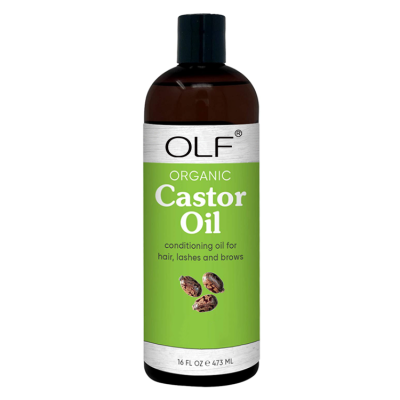


Organic Rosemary Hair Oil for Damaged, Dry, Curly, Frizzy Hair Treatment
$2.25 - $2.55
MOQ: 1001 Pieces


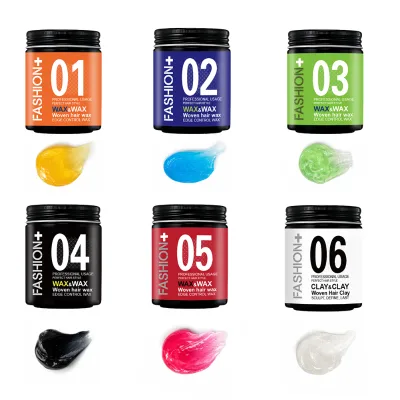


Private Label Hot Sale High Quality Organic Formaldehyde Free Hair Perm Lotion
$3.20 - $3.80
MOQ: 100 Pieces

Comprehensive Sourcing Guide
Organic Formaldehyde Free Hair Oil Sourcing Guide
Procurement teams seeking organic formaldehyde-free hair oil must first distinguish between products marketed as serums and those labeled as nourishing oils, as the supplied data indicates a mix of formulations targeting different hair needs. Buyers should verify that the specific listing explicitly states "Formaldehyde-free" alongside "Organic" and "Vegan" attributes, as these claims appear in the observed product features but require validation against the actual batch documentation. The observed product range includes items with volumes from 40ml to 1000ml, suggesting that volume selection is a primary commercial variable rather than a fixed standard for all suppliers.
When evaluating the core keyword, buyers must cross-reference the ingredient lists to ensure the absence of harsh chemicals while confirming the presence of beneficial actives like Argan Oil, Keratin, and Shea Butter. The observed listings highlight a diverse range of hair types, from curly and frizzy to oily and damaged, indicating that a single product may not satisfy all market segments without specific customization. Sourcing strategies should prioritize suppliers who offer OEM and ODM services, allowing for the formulation of a unique blend that meets specific organic certification requirements while maintaining the formaldehyde-free integrity essential for modern consumer safety standards.
Product Scope and Observed Listing Signals
The observed market signals reveal a product scope that spans from daily use serums to deep nourishing oils, with specific emphasis on styling effects like heat protection and curl defining. Buyers should note that the observed volume ranges vary significantly, with some listings offering 473ml units while others provide 100ml or 1000ml options, necessitating a clear definition of the target package size before engaging with suppliers. The presence of "Customized package" as a standard attribute suggests that packaging design is a flexible variable, allowing buyers to align the product presentation with their brand identity without being constrained by pre-existing stock.
In terms of functional scope, the data indicates a strong focus on hair health improvement, including hair loss prevention, color protection, and anti-frizz capabilities. Buyers must carefully review the "Hair Type" attributes listed, which include everything from fine and straight to coarse and chemically treated hair, to ensure the selected product aligns with their specific customer demographic. The observed "Styling Effect" attributes, such as thickening and volumizing, suggest that these oils often serve a dual purpose as both a treatment and a styling aid, requiring buyers to verify the intended usage instructions to avoid misalignment with consumer expectations.
Technical Specifications to Verify
Technical verification begins with confirming the physical specifications of the packaging, as observed data lists bottle materials ranging from glass to unspecified containers with dimensions like 4x4x18 cm or 20x15x22 cm. Buyers should explicitly request the exact bottle material and dimensions for their specific order, as the observed "GLASSL BOTTLE" attribute may not apply to all SKUs within a supplier's catalog. Additionally, the single gross weight of 0.800 kg for certain items provides a baseline for logistics planning, but this figure must be recalculated based on the actual volume and packaging density of the chosen product variant.
Formulation specifications require rigorous attention to the ingredient profile, specifically verifying the presence of key materials like Argan Oil, Keratin, and various organic extracts such as Tea Tree Oil and Jojoba Oil. Buyers must ensure that the "Alcohol-Free," "Sulfate-Free," and "Paraben-Free" claims are backed by a detailed ingredient list that matches the observed "All Natural Ingredients" and "Contains Vitamins" attributes. The model numbers, such as E0223 or PT-0+-K-HAIR OIL-01, serve as unique identifiers for specific formulations, and procurement teams should lock these numbers to prevent accidental substitution with non-compliant variants during the manufacturing process.
Compliance and Safety Documentation
Compliance verification is critical when sourcing organic formaldehyde-free hair oil, as the observed data lists certifications including GMP, GMPC, MSDS, ISO, CE, and CPNP. Buyers must request current copies of these certificates for the specific manufacturing facility and product batch, ensuring that the "Formaldehyde-free" claim is supported by third-party testing results rather than just a marketing statement. The presence of "CPNP" (Cosmetic Products Notification Portal) indicates that the product is intended for the European market, and buyers targeting other regions must verify if equivalent local regulatory filings are available or required.
Safety documentation must also address the "Hypoallergenic" and "Cruelty-Free" attributes observed in the product features, which require specific testing protocols and ethical sourcing declarations. Buyers should demand a Material Safety Data Sheet (MSDS) that details the chemical composition and handling instructions, particularly for products containing volatile organic compounds or essential oils like peppermint and tea tree. The "Organic" and "Fair Trade" claims further necessitate proof of supply chain traceability, ensuring that the raw materials meet the rigorous standards required to maintain the integrity of the organic certification throughout the production lifecycle.
Cost Drivers and Commercial Terms
Cost drivers in this category are heavily influenced by the choice of raw materials, with premium ingredients like Argan Oil, Shea Butter, and Keratin commanding higher prices than standard base oils. Buyers should anticipate that the "Organic" and "Vegan" attributes will increase the unit cost compared to conventional formulations, and this premium must be factored into the final landed cost calculation. The observed MOQ range of 3 to 10,000 pieces indicates significant flexibility, but smaller orders may incur higher per-unit costs due to the setup fees associated with custom packaging and specialized formulation blending.
Commercial terms must account for the "OEM ODM Private Label" services offered, which often involve additional fees for branding, mold creation, and custom formulation development. The observed shelf life of 3 years provides a buffer for inventory management, but buyers should negotiate lead times that align with their production schedules, as the "Sample Available" status suggests that prototyping may add time to the initial order cycle. Pricing structures should be evaluated based on the total volume, with the observed price range of 0.5 to 7.5 USD serving as a reference point for budgeting, though final costs will depend on the specific volume, packaging, and ingredient complexity selected.
Supplier Qualification and Quality Control
Supplier qualification requires a thorough audit of the manufacturing facility, particularly focusing on the "Place of Origin" in Guangdong, China, which is a major hub for cosmetic production but requires strict oversight to ensure quality consistency. Buyers should verify that the supplier has a robust quality control system in place, capable of maintaining the "Pure and natural" advantage and ensuring that the "Formaldehyde-free" claim is consistently met across all production batches. The "Service" attributes of OEM and ODM imply a need for close collaboration, making it essential to assess the supplier's responsiveness and technical expertise in handling custom requests.
Quality control protocols must include regular testing for the "Anti-Frizz," "Heat Protection," and "Repairing" functions to ensure the product delivers on its promised performance claims. Buyers should implement a sampling strategy that includes both pre-production samples and random batch testing during mass production to verify the "Single package size" and "Weight" specifications. The "Gender" and "Age Group" attributes, listed as Unisex and Adults, require that the product formulation be safe and effective for a broad demographic, necessitating dermatological testing and stability studies to confirm long-term product integrity.
Long-Term Procurement Checks
Long-term procurement success depends on establishing a continuous feedback loop with the supplier to monitor the stability of the "Organic" and "Formaldehyde-free" claims over time. Buyers should schedule periodic audits to ensure that the "Ingredient" list remains consistent and that no unauthorized substitutions have occurred, which could compromise the product's safety profile or certification status. The "Shelf Life" of 3 years provides a window for inventory rotation, but buyers must monitor storage conditions to prevent degradation of sensitive ingredients like Vitamin E and Vitamin C.
Strategic planning should also include evaluating the supplier's ability to adapt to changing market trends, such as the increasing demand for "Sulfate-Free" and "Silicone-Free" products. Buyers should maintain a relationship with the supplier that allows for rapid scaling of production, leveraging the observed "MOQ" flexibility to respond to market fluctuations without incurring excessive costs. Regular review of the "Certification" status is essential to ensure that the supplier maintains compliance with evolving international standards, securing the long-term viability of the product line in competitive global markets.
FAQs
What certifications do Organic Formaldehyde Free Hair Oil suppliers hold?
Suppliers typically hold GMP, GMPC, ISO, CE, and CPNP certificates to ensure product safety and regulatory compliance. These credentials verify that manufacturing processes meet international quality standards. Buyers should request valid documentation to confirm that the organic and formaldehyde-free claims are backed by verified production protocols and safety assessments.
Can I get a sample of Organic Formaldehyde Free Hair Oil before ordering?
Yes, samples are available for evaluation before placing a bulk order. This allows buyers to verify the serum texture, scent, and packaging quality. Testing the sample ensures the product meets your specific requirements for hair health and styling effects before committing to a larger production run or private label agreement.
What is the minimum order quantity for private label hair oil?
The minimum order quantity is typically 100 pieces for standard orders. However, MOQs can range up to 10,000 pieces depending on customization needs. Buyers should confirm the exact MOQ with the manufacturer, as private label services and specific packaging requirements may influence the minimum production batch size and pricing structure.
Which ingredients are used in Organic Formaldehyde Free Hair Oil?
Common ingredients include argan oil, keratin, coconut oil, shea butter, and various vitamins. These components provide nourishing, smoothing, and color-protection benefits. The formulation is often alcohol-free, sulfate-free, and paraben-free, ensuring the product is suitable for daily use on various hair types, including dry, damaged, or curly hair.
How does the shelf life of Organic Formaldehyde Free Hair Oil compare?
The shelf life is generally three years when stored properly. This duration ensures the stability of organic ingredients like argan oil and keratin. Buyers should check the expiration date on the customized package to guarantee product freshness and efficacy, ensuring the serum maintains its anti-frizz and heat protection properties until use.
What packaging options are available for Organic Formaldehyde Free Hair Oil?
Customized packaging is available, including glass bottles and various volume sizes like 100ml or 473ml. Buyers can choose specific bottle designs and labels to match their brand identity. The packaging is designed to protect the serum while offering a professional appearance, with options for different single package sizes to suit market preferences.