Source Organic Friction Truck Wing Facings for Cars, Tractors, Trucks
Compare 30 listings for Organic Friction Truck Wing Facings suitable for cars, tractors, and heavy-duty trucks. Buyers can review specifications, certifications, and pricing to find the right components for their fleet needs; compare the available evidence and request quotations based on your requirements.
Key considerations
Products List


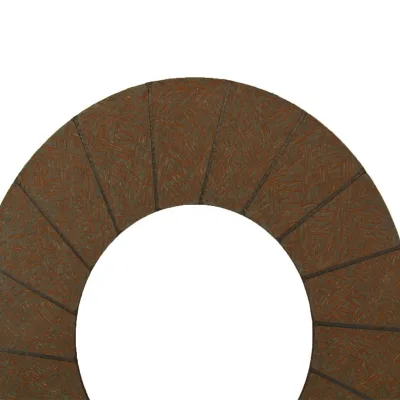
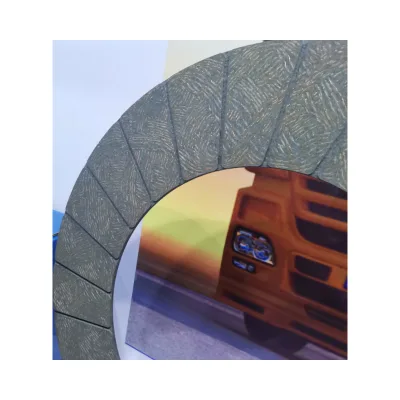
Auto Clutch Assembly Clutch Facings Non-Asbestos Clutch Facings for Trucks
$1.90 - $2.20
MOQ: 300 Pieces


Wear-Resistant High-Performance Asbestos-Free Clutch Facings for Cars and Trucks
$3.10 - $3.30
MOQ: 300 Pieces

Fricwel Auto Parts Factory Price Environmental-Friendly Green Product Clutch Facing
$2.00 - $10.00
MOQ: 100 Pieces

Fricwel Auto Parts High Quality Clutch Disc Plate Facing for Motorcyle Truck Clutch Facing
$2.00 - $10.00
MOQ: 100 Pieces




Comprehensive Sourcing Guide
Organic Friction Truck Wing Facings Sourcing Guide
Sourcing Organic Friction Truck Wing Facings requires a disciplined approach to material composition and dimensional accuracy, as these components are critical for safe braking performance in heavy-duty applications. Buyers must prioritize suppliers who demonstrate consistent quality control over raw material mixing and pressing processes, ensuring that the organic matrix provides the necessary friction coefficients without excessive wear. The market offers a variety of options, but verifying the specific copper content and fiber reinforcement is essential to match the thermal and mechanical demands of truck braking systems.
Procurement teams should also evaluate the supplier’s ability to customize specifications, as truck manufacturers often require unique dimensions and hardness levels. The availability of customization services allows buyers to align product characteristics with specific vehicle models and operational environments. However, this flexibility must be balanced with rigorous quality assurance protocols to prevent deviations that could compromise safety. Understanding the balance between standard and custom offerings is key to optimizing inventory and performance.
Product Scope and Observed Listing Signals
The observed product listings reveal a diverse range of friction components, including clutch facings and related parts, with weights varying significantly from 92g to 960g. This variation suggests that suppliers offer products for different vehicle classes, from light machinery to heavy-duty trucks. Buyers should carefully examine the weight and model specifications to ensure compatibility with their specific truck models, as mismatched components can lead to premature failure or unsafe operating conditions. The presence of multiple model numbers indicates a broad catalog, but specificity is crucial for accurate sourcing.
Listing signals also highlight the importance of packaging and origin in the procurement process. Products are often shipped in neutral or customized cartons, with origins primarily in Zhejiang, China, indicating a concentrated manufacturing hub. The observed production lead times of 20-30 days suggest that buyers need to plan orders well in advance to avoid supply chain disruptions. Additionally, the minimum order quantities (MOQ) observed range from 1 to 500 pieces, offering flexibility for both small-scale repairs and large fleet maintenance contracts.
Technical Specifications to Verify
When evaluating technical specifications, buyers must verify the dimensional accuracy of the wing facings, as even minor deviations can affect braking efficiency. The observed product models include specific measurements such as 350215422 and 280170*3.7, which serve as reference points for compatibility. It is essential to confirm that the selected facings match the exact thickness and diameter required by the truck’s brake assembly. Suppliers should provide detailed technical drawings or specifications to ensure precise fitment and performance.
Material composition is another critical technical factor, with some listings highlighting high copper content for improved durability and heat dissipation. Buyers should inquire about the specific organic materials used, such as aramid fibers or glass fibers, and their respective ratios. The working mode and stroke specifications, while more relevant to clutch systems, indicate the supplier’s broader technical capabilities. For wing facings, focus on friction stability, wear rate, and noise reduction characteristics, which are not always explicitly listed but are vital for long-term performance.
Compliance and Safety Documentation
Compliance with international standards is non-negotiable for truck braking components, as safety regulations are strictly enforced globally. Buyers should request documentation proving adherence to relevant standards, such as GB/T 5764-2018 or ISO certifications, which indicate a commitment to quality management systems. The presence of ISO/TS16949 certification in some listings suggests that certain suppliers meet automotive industry-specific quality requirements. Verifying these certifications ensures that the products have undergone rigorous testing and quality control processes.
Safety documentation should also include test reports for friction performance, thermal stability, and mechanical strength. Buyers must ensure that the supplier provides evidence that the wing facings meet or exceed industry benchmarks for braking efficiency. Additionally, inquire about the supplier’s quality assurance protocols, including incoming material inspections and final product testing. Transparent access to safety data sheets and compliance certificates helps mitigate risks associated with product liability and operational failures.
Cost Drivers and Commercial Terms
Cost drivers for Organic Friction Truck Wing Facings include raw material prices, manufacturing complexity, and order volume. The observed price range of 0.5-120 USD reflects the diversity of products and specifications available. Buyers should analyze the cost structure to understand the value proposition, considering factors such as copper content and fiber quality. Higher-priced items may offer superior performance and longevity, justifying the investment for critical fleet applications. Negotiating volume discounts can significantly reduce per-unit costs for large orders.
Commercial terms, including payment methods, shipping arrangements, and lead times, also impact the total cost of ownership. The observed lead times of 20-30 days require careful planning to maintain inventory levels. Buyers should clarify terms regarding packaging, such as carton or pallet configurations, to optimize logistics and handling. Additionally, consider the implications of MOQs on cash flow and storage capacity. Flexible commercial terms can provide a competitive advantage in managing supply chain risks and ensuring timely delivery.
Supplier Qualification and Quality Control
Supplier qualification involves assessing the manufacturer’s production capabilities, quality management systems, and track record. Buyers should verify the supplier’s experience in manufacturing friction components for heavy-duty vehicles, as specialized knowledge is crucial for product reliability. The observed focus on high-quality OEM standards suggests that some suppliers prioritize precision and consistency. Requesting references or case studies can provide insights into the supplier’s performance and customer satisfaction levels.
Quality control processes should be transparent and robust, covering all stages from raw material sourcing to final inspection. Buyers should inquire about the supplier’s testing procedures, including friction coefficient measurements and wear resistance tests. The ability to provide customized packaging and neutral cartons indicates a flexible approach to customer needs. Establishing a clear quality agreement with the supplier, including acceptance criteria and defect resolution procedures, is essential for maintaining product integrity and minimizing supply chain disruptions.
Long-Term Procurement Checks
Long-term procurement success depends on continuous monitoring of supplier performance and product quality. Buyers should establish key performance indicators (KPIs) to track delivery times, defect rates, and customer feedback. Regular audits of the supplier’s quality management systems can help identify areas for improvement and ensure ongoing compliance with standards. Building a strong relationship with the supplier fosters collaboration and innovation, leading to better product solutions and cost efficiencies over time.
Market trends and technological advancements in friction materials should also be monitored to stay ahead of industry developments. Buyers should engage in regular reviews of their sourcing strategies to adapt to changing market conditions and customer demands. The observed main markets, including Southeast Asia and Africa, indicate global demand for these components. Diversifying the supplier base can mitigate risks associated with single-source dependencies. Continuous improvement in procurement processes ensures sustainable growth and competitive advantage in the long run.
FAQs
What certifications do these clutch facings hold?
These clutch facings hold ISO/TS16949 and ISO certifications. They are manufactured to meet high-quality OEM standards. This ensures reliability for use in cars, motorcycles, and heavy-duty trucks. The production process adheres to strict quality controls for consistent performance.
Which specifications are available for these products?
Available specifications include models like 350*215*4*22 and 280*170*3.7. Some models follow standards such as GB/T 5764-2018. Dimensions vary to fit different vehicle types. Buyers can select specific models based on their machinery requirements.
Can I request customization for these clutch parts?
Yes, customization is available for these clutch parts. Buyers can request specific packaging like neutral or customized cartons. Production lead times range from 20 to 30 days. This flexibility allows tailoring products to unique operational needs.
What is the minimum order quantity for these items?
The minimum order quantity is 300 pieces for these items. Some listings show an MOQ range from 1 to 500 units. Buyers should verify specific requirements with suppliers. This ensures the order meets production capacity and logistical constraints.
Where are these products manufactured and shipped from?
These products are manufactured in Zhejiang, China. The origin is listed as China for various models. Shipping destinations include Southeast Asia, Central Asia, and Africa. Buyers can expect sourcing from established Chinese manufacturing hubs.
How is the quality of these friction materials described?
The quality is described as high quality for OEM standards. Some materials feature high copper content for better performance. They are designed for low wearing rates. This ensures durability in racing cars and heavy-duty truck applications.