Source organic paraben-free face serum for face, neck, and body
Compare 30 listings for organic paraben-free face serum with customizable formulas and certifications. Buyers can evaluate suppliers based on ingredients like Vitamin C, Tranexamic Acid, and Glycerin, along with OEM/ODM options and MOQs ranging from 1 to 30,000 units.
Key considerations
Products List
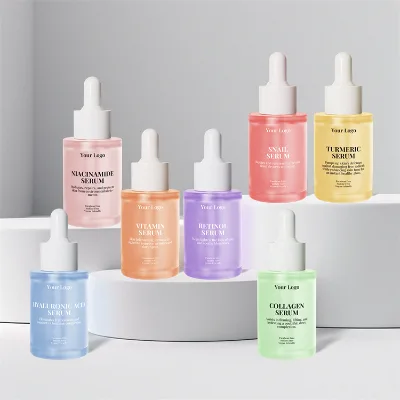
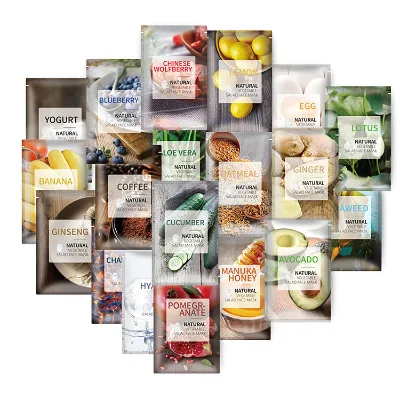
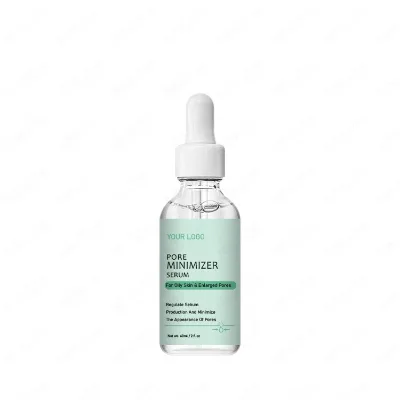
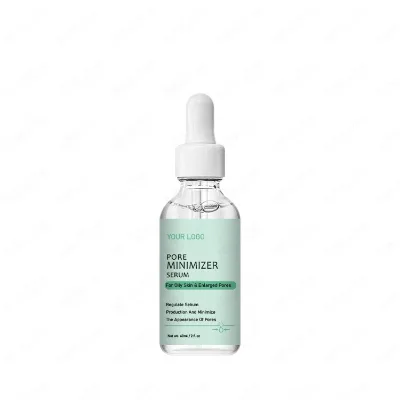


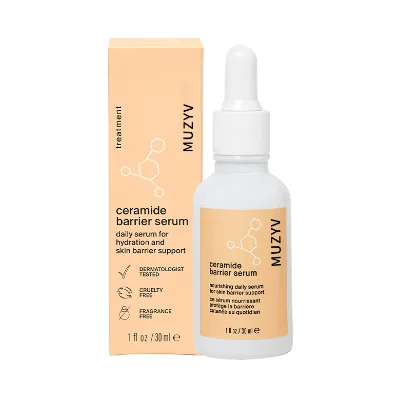


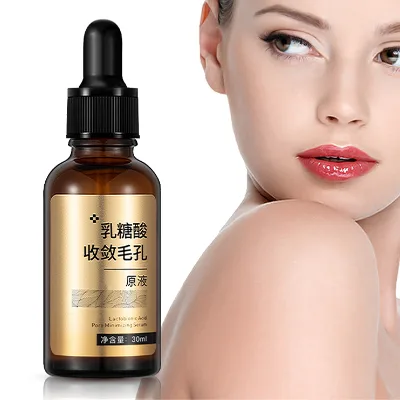

Organic Face Care Antioxidant Serum Moisturizing Anti-Wrinkle Eye Serum
$1.50 - $2.30
MOQ: 1000 Pieces

Comprehensive Sourcing Guide
Strategic Sourcing Guide for Organic Paraben-Free Face Serum
Understanding Product Specifications and Formulation Diversity
When sourcing an organic paraben-free face serum, buyers must first navigate the complex landscape of product specifications, as the market offers a wide array of formulations under similar branding. The core product category is identified as facial skin care, specifically categorized as a serum with a liquid form. A critical observation in the current market is the variance in ingredient profiles. While the primary active ingredient for many listings is Glycerin, a comprehensive search reveals that high-performance serums often incorporate a broader spectrum of actives. These include Vitamin C, Tranexamic Acid, Hyaluronic Acid, Niacinamide, Kojic Acid, Arbutin, and various botanical extracts such as Aloe Vera, Green Tea, and Sophora flavescens.
The "organic" and "paraben-free" attributes are not merely marketing terms but are reflected in specific ingredient lists. Buyers should verify that the product specification explicitly lists "Paraben-Free," "Sulfate-Free," "Silicone-Free," and "Fragrance-free" alongside "Organic" and "Vegan" claims. The presence of these attributes suggests a formulation designed to minimize irritation and align with clean beauty standards. Furthermore, the purity of the active ingredients varies significantly across suppliers, with observed concentrations ranging from 5% to 30%, or fully customized levels. This variability necessitates a clear definition of the desired potency before engaging with potential manufacturers.
The physical specifications of the serum also require careful attention. The standard net weight for these products typically includes options such as 30 ml, 50 ml, 90 ml, and 100 ml, with many suppliers offering fully customized volume requirements. The packaging is predominantly bottle-based, though some listings suggest OEM options that may alter the presentation. The single package size for individual units is often compact, with some data points indicating dimensions around 0.8x0.8x0.8 cm for specific packaging components, while the gross weight per unit is recorded at approximately 0.500 kg, which may include bulk packaging or multiple units. The validity date for these products is generally standardized at three years, providing a reasonable shelf life for inventory management.
Compliance, Certification, and Regulatory Verification
In the B2B procurement of skincare products, particularly those claiming to be organic and paraben-free, compliance is the cornerstone of risk management. Buyers must rigorously verify that suppliers possess the necessary certifications to validate their claims. The market data indicates a high prevalence of suppliers holding GMPC (Good Manufacturing Practice for Cosmetics), ISO 2276, SEDEX, SGS, MSDS (Material Safety Data Sheet), COA (Certificate of Analysis), and CPSR (Cosmetic Product Safety Report) certifications. These documents are not optional; they are essential for proving that the manufacturing facility adheres to international safety and quality standards.
ISO 2276 is a critical standard to verify, as it specifically addresses Good Manufacturing Practices for cosmetics. While some background knowledge references ISO 22716 or ISO 11930, the primary focus for cosmetic manufacturing compliance should remain on ISO 2276 and GMPC. The presence of SEDEX certification indicates that the supplier has undergone audits regarding ethical trading and labor practices, which is increasingly important for global brands. Additionally, the MSDS and COA are vital for understanding the chemical composition and safety profile of the serum. The COA, in particular, should confirm the purity levels of key ingredients like Vitamin C or Tranexamic Acid, ensuring they match the advertised percentages (e.g., 10%, 20%, 30%).
Buyers should also be aware that "organic" claims often require specific third-party verification that goes beyond the supplier's internal declaration. While the product attributes list "Organic" as a feature, the specific certification body (such as USDA Organic, ECOCERT, or similar) is not explicitly detailed in the general product data. Therefore, procurement teams must request specific organic certification documents from the supplier to ensure the claim is legally defensible in the target market. Similarly, "paraben-free" and "sulfate-free" claims must be backed by the ingredient list and the COA, which should explicitly state the absence of these compounds. The CPSR is particularly crucial for the European market, as it is a mandatory requirement for placing cosmetic products on the EU market, ensuring that the product is safe for human health under normal or reasonably foreseeable conditions of use.
Cost Drivers and Pricing Structure Analysis
The pricing structure for organic paraben-free face serums is highly dynamic, influenced by a multitude of factors beyond the base cost of ingredients. The observed price range in the market is extensive, spanning from $0.24 to $426.03 USD. This vast disparity is not indicative of a single product tier but rather reflects the complexity of the sourcing model. The lower end of the spectrum typically corresponds to standard formulations with basic ingredients, high-volume production, and minimal customization. Conversely, the higher price points are associated with premium formulations, low MOQs, complex OEM/ODM services, and specialized packaging.
Several key drivers influence the final cost per unit. First, the concentration of active ingredients is a primary cost factor. Serums with higher purity levels of Vitamin C (e.g., 30%) or specialized actives like Tranexamic Acid and Kojic Acid will command a higher price than those with lower concentrations (e.g., 5% or 10%). Second, the customization of the formula plays a significant role. Suppliers that offer "Formula: Can be customized" and "OEM/ODM: Welcomed" services often charge a premium for the R&D, testing, and formulation adjustments required to create a unique product. Third, the packaging and volume customization add to the cost. Options such as 100 ml, 200 mL, or custom volumes, along with specific bottle designs, increase the unit price compared to standard sizes.
The Minimum Order Quantity (MOQ) is another critical cost driver. The observed MOQ range is between 1 and 30,000 units. Suppliers with a low MOQ (e.g., 1000 pcs or even lower) often have higher per-unit costs to cover setup and administrative expenses. High-volume orders typically benefit from economies of scale, reducing the unit price significantly. Additionally, the "Sample: Free" or "Free Sample" policy is a common practice, but buyers should clarify if shipping costs for samples are covered, as this can impact the initial procurement budget. The location of the supplier, primarily Guangdong, China, also influences logistics costs, which should be factored into the total landed cost calculation.
Typical Applications and Target Market Segmentation
The application scope of organic paraben-free face serums is broad, catering to a diverse range of consumer needs and skin types. The primary target area is the face, but many products are also marketed for use on the neck, nose, body, and even specific areas like the breast and feet. This versatility allows buyers to position the product for various skincare routines, from targeted treatments to general body hydration. The serum is designed to address multiple skin concerns, including anti-wrinkle, firming, moisturizing, nourishing, skin revitalization, black head removal, dark circle reduction, and lightening.
The target skin types are equally diverse, with products formulated for all kinds of skin, including combination, dry, sensitive, oily, and damaged skin. This inclusivity is a significant advantage for brands looking to launch a universal skincare line. The functional claims of the serum are extensive, ranging from minimizing the appearance of pores and smoothing the skin to exfoliation and blemish clearing. Specific features like "Anti-Puffiness" and "Pore Shrinking" suggest a focus on aesthetic refinement, while "Whitening" and "Pigmentation Correctors" address hyperpigmentation concerns.
For B2B buyers, understanding these applications is crucial for market positioning. A brand targeting the anti-aging demographic would focus on the "Anti-Wrinkle," "Firming," and "Anti-Aging" attributes, likely selecting a formula with high concentrations of Vitamin C and Retinol alternatives. Conversely, a brand focusing on acne-prone skin would prioritize the "Black Head Remover," "Pore Cleaner," and "Exfoliator" features, potentially looking for formulas containing Salicylic Acid or specific herbal extracts. The "Eco-friendly" and "Moisturizing" features also appeal to the growing segment of environmentally conscious consumers who prioritize sustainability and gentle formulations.
Supplier Evaluation and OEM/ODM Capabilities
Evaluating potential suppliers for organic paraben-free face serums requires a deep dive into their manufacturing capabilities, specifically their OEM (Original Equipment Manufacturer) and ODM (Original Design Manufacturer) services. The market data indicates that most suppliers welcome OEM/ODM requests and support private labeling. This flexibility is essential for brands that wish to differentiate themselves through unique formulations or branding. The "Private label: Support" attribute confirms that suppliers are equipped to handle custom branding, including custom packaging and labeling.
When evaluating suppliers, buyers should assess the extent of their customization capabilities. The ability to customize the formula is a key differentiator. Suppliers that offer "Formula: Can be customized" allow buyers to tailor the ingredient profile to their specific brand identity and market requirements. This includes adjusting the concentration of active ingredients, selecting specific scents (e.g., Rose, Aloe, Lavender, Lemon), and choosing the appropriate net weight and packaging type. The "Model Number" often reflects the specific product line, but buyers should ensure that the supplier can modify this to align with their own product naming conventions.
Another critical aspect of supplier evaluation is the lead time and production capacity. While specific lead times are not provided in the general data, the wide range of MOQs (1 to 30,000) suggests that suppliers can accommodate both small-batch and large-scale production. Buyers should inquire about the supplier's ability to scale production as demand grows. Additionally, the "Sample: Free" or "Free Sample" policy is a strong indicator of a supplier's confidence in their product quality and their willingness to engage in a trial phase. However, buyers should verify the quality of the samples before committing to a larger order.
Quality Control and Long-Term Procurement Considerations
Ensuring consistent quality in organic paraben-free face serums is paramount for maintaining brand reputation and consumer trust. Quality control measures should be integrated into every stage of the procurement process, from raw material sourcing to final packaging. The presence of certifications like GMPC, ISO 2276, and SGS indicates that the supplier has established quality control systems in place. However, buyers should not rely solely on these certifications; they must implement their own quality assurance protocols.
One of the most important quality control steps is the verification of the Certificate of Analysis (COA). The COA should be reviewed for every batch of production to ensure that the ingredient concentrations, purity levels, and absence of prohibited substances (like parabens and sulfates) match the agreed-upon specifications. The "Validity date" of three years suggests a stable product, but buyers should also check the stability testing data to ensure the product remains effective and safe throughout its shelf life. Additionally, the "Single gross weight" and "Net weight" specifications should be monitored to prevent underfilling or overfilling, which can lead to regulatory issues and customer dissatisfaction.
Long-term procurement considerations also include the relationship with the supplier and the potential for supply chain disruptions. Given that the primary place of origin is Guangdong, China, buyers should assess the supplier's logistics capabilities and their ability to handle international shipping. The "Selling Units: Single item" attribute suggests that the product is often sold individually, but buyers should negotiate terms for bulk shipping to reduce costs. Furthermore, the "Formula: Can be customized" feature implies a long-term partnership where the supplier may need to adjust the formula based on market feedback or regulatory changes. Establishing a clear communication channel and a formal agreement regarding intellectual property and formula ownership is essential for protecting the brand's interests.
| Evaluation Criteria | Key Questions for Suppliers |
|---|---|
| Certification Validity | Are GMPC, ISO 2276, and SEDEX certifications current and verifiable? |
| Formula Customization | What is the process for customizing the ingredient profile and concentration? |
| Quality Assurance | Can you provide a COA for every batch, and what are your stability testing protocols? |
| MOQ and Scalability | What are the MOQs for initial orders, and how does the supplier handle scaling production? |
| Packaging Options | What packaging materials are available, and are they compatible with eco-friendly claims? |
| Sample Policy | Are samples free, and what are the shipping terms for sample delivery? |
| Lead Time | What is the standard lead time for production and shipping, and how are delays managed? |
By adhering to these rigorous evaluation criteria and maintaining a focus on quality and compliance, buyers can successfully source high-quality organic paraben-free face serums that meet the demands of the modern skincare market. The combination of diverse formulations, robust certifications, and flexible OEM/ODM capabilities provides a strong foundation for building a successful skincare brand.
FAQs
What certifications do organic paraben-free face serum suppliers typically hold?
Suppliers typically hold GMPC, ISO2276, SEDEX, SGS, MSDS, COA, and CPSR certifications. These documents verify adherence to international safety standards and ethical trading practices, ensuring the product meets regulatory requirements for global markets.
Can I customize the formula and packaging for my brand?
Yes, suppliers welcome OEM and ODM requests with customizable formulas and private label support. Buyers can adjust ingredient concentrations, select specific packaging like bottles, and choose from various volumes such as 30 ml, 50 ml, or 100 ml.
What is the minimum order quantity for these serums?
The minimum order quantity ranges from 1 to 30,000 units depending on the supplier. Some vendors offer a baseline MOQ of 1000 pieces, while others provide flexible options to accommodate smaller initial orders or large-scale production needs.
Where are these organic serums manufactured and what is the lead time?
Most products originate from Guangdong, China, with a standard validity date of three years. While specific lead times vary by supplier, the location indicates a concentrated manufacturing hub capable of handling both small and large volume orders efficiently.
Which active ingredients are commonly found in these paraben-free serums?
Common ingredients include Vitamin C, Tranexamic Acid, Glycerin, Hyaluronic Acid, and Niacinamide. Formulations are often paraben-free, sulfate-free, silicone-free, and vegan, targeting concerns like anti-wrinkle, firming, and lightening for all skin types.
What is the price range for sourcing these face serums?
The observed price range spans from 0.24 to 426.03 USD per unit. Costs vary significantly based on ingredient purity, customization levels, packaging choices, and order volume, with higher prices often reflecting premium formulations or low MOQ services.
Are free samples available for testing product quality?
Free samples are commonly available for buyers to test product quality before placing bulk orders. While the sample itself is free, buyers should verify if shipping costs are covered by the supplier or if they need to arrange separate logistics.