Source Organic Pigment Violet 13 for Plastic Rubber Ink
Find 30 listings for Organic Pigment Violet 13 for Plastic and Rubber applications. Compare key attributes such as heat stability, lightfastness, and oil absorption to select the right supplier for your manufacturing needs.
Key considerations
Products List


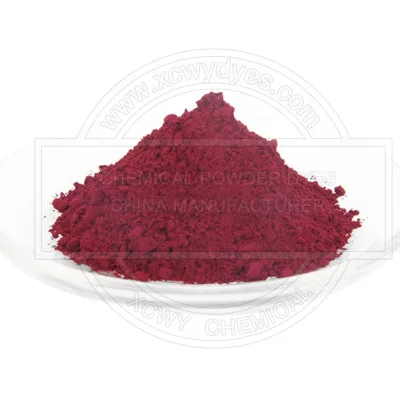
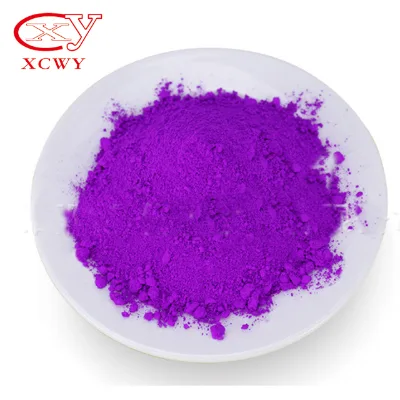
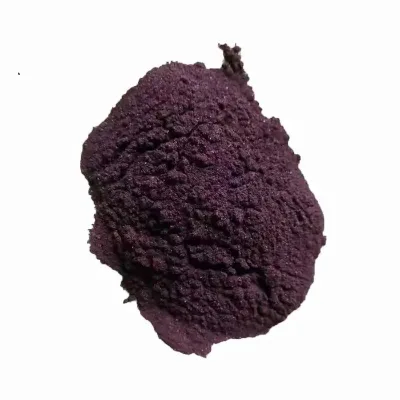
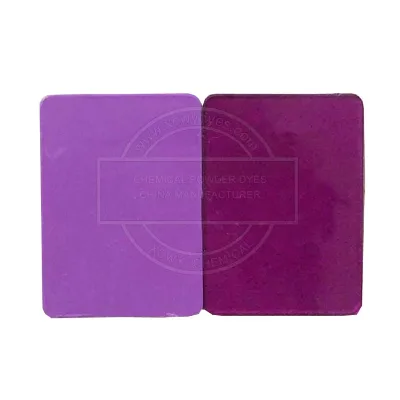
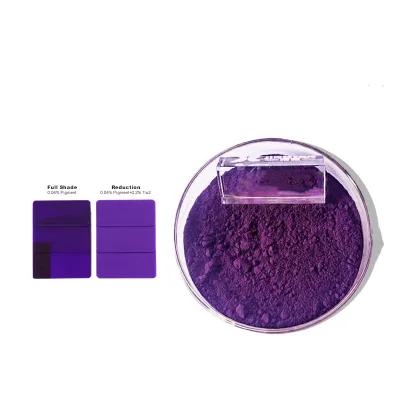
Factory Supply Solvent Violet 36 for Polyester Nylon Staple Fiber Dyeing
$12.00 - $16.00
MOQ: 500 Minimum
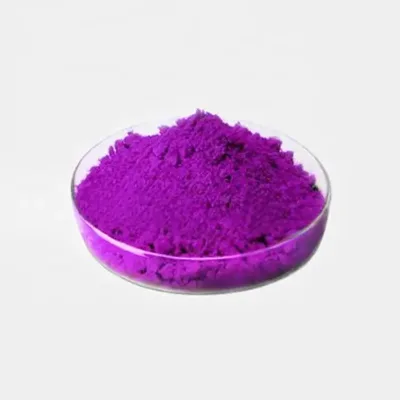
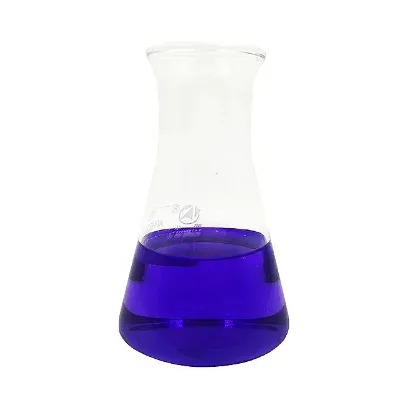
Factory Supply Solvent Violet 13 Oil Soluble Dyestuff for Plastic Painting Coloring
$13.00 - $14.50
MOQ: 1 Minimum


Comprehensive Sourcing Guide
Organic Pigment Violet 13 for Plastic and Rubber Sourcing Guide
Sourcing high-performance organic pigments for plastic and rubber applications requires a nuanced understanding of chemical stability, dispersion characteristics, and regulatory compliance. Organic Pigment Violet 13, often categorized under broader violet pigment families in industrial listings, is a critical colorant for achieving deep, vibrant hues in polymer matrices. Buyers must navigate a market where product attributes vary significantly between suppliers, with observed listings indicating a wide range of specifications, from basic powder forms to specialized grades tailored for specific processing temperatures. The core challenge lies in distinguishing between generic violet pigments and those specifically engineered for the rigors of plastic and rubber compounding, where heat stability and lightfastness are paramount.
This guide provides a structured approach to evaluating suppliers and products for Organic Pigment Violet 13. It focuses on verifying technical data sheets against actual performance requirements, ensuring compliance with international safety standards, and establishing robust quality control protocols. By adhering to evidence-based procurement practices, buyers can mitigate risks associated with batch-to-batch variability, regulatory non-compliance, and supply chain disruptions. The following sections detail the critical steps for sourcing this material effectively, leveraging observed market signals and trusted industry knowledge to make informed decisions.
Product Scope and Observed Listing Signals
The market for organic violet pigments presents a diverse array of product listings, with observed price ranges spanning from $3.40 to $58.23 per unit, reflecting significant variations in purity, particle size, and supplier positioning. Minimum Order Quantities (MOQs) typically range from 1 to 1000 units, offering flexibility for both trial orders and large-scale industrial procurement. Buyers should note that while some listings explicitly mention "Organic Pigment Violet," others may use broader terms like "Violet" or "Pigment Violet 15," necessitating careful verification of the specific chemical identity. The presence of customization options in many listings suggests that suppliers are willing to tailor particle size distributions or surface treatments to meet specific application needs, such as improved dispersibility in rubber compounds.
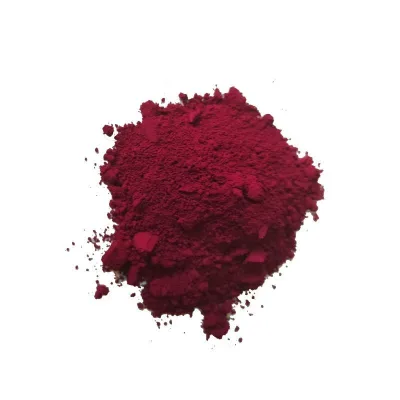
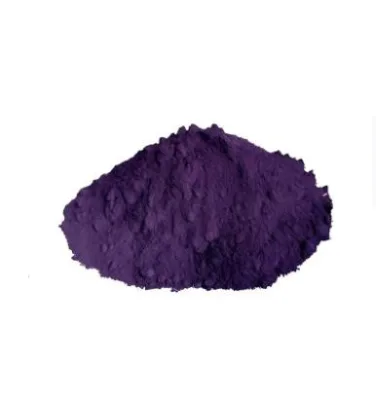
Observed product attributes indicate that these pigments are primarily supplied in powder form, packaged in plastic bags with woven exterior protection, often in 25kg bags as per standard industry practice. The color profile is consistently described as violet, with some listings noting a specific hue or brightness level. Usage applications frequently cited include ink, paint, plastic, and paper, confirming the versatility of these pigments across multiple industries. However, for plastic and rubber applications, buyers must pay close attention to specific performance indicators such as heat resistance and lightfastness, which are critical for maintaining color integrity during processing and end-use. The availability of free samples in some listings provides an opportunity for buyers to conduct preliminary testing before committing to larger orders.
Technical Specifications to Verify
Heat stability is a primary technical parameter for organic pigments used in plastic and rubber processing, as these materials are often subjected to high temperatures during extrusion or molding. Buyers should verify the heat resistance rating of the pigment, with observed data indicating values such as 160°C or 300°C for certain violet pigments, depending on the specific chemical structure and grade. For Organic Pigment Violet 13, it is essential to confirm that the pigment can withstand the processing temperatures of the target polymer without degradation or color shift. This information is typically found in the product’s technical data sheet, and buyers should request this document from suppliers to ensure alignment with their processing conditions.
Lightfastness and dispersibility are other critical specifications that influence the final appearance and performance of the colored plastic or rubber product. Lightfastness ratings, often expressed on a scale from 1 to 8, indicate the pigment’s resistance to fading under light exposure, with higher values denoting better performance. Buyers should aim for pigments with lightfastness ratings of 7-8 for applications requiring long-term outdoor durability. Additionally, oil absorption values, which range from 30-40 to 97 in observed listings, provide insight into the pigment’s surface area and dispersibility. Lower oil absorption values generally indicate finer particle sizes and better dispersibility, which can reduce processing difficulties and improve color strength in the final product.
Compliance and Safety Documentation
Regulatory compliance is non-negotiable when sourcing organic pigments for plastic and rubber applications, particularly for products intended for consumer use or export to regions with strict chemical regulations. Buyers must ensure that suppliers provide comprehensive safety data sheets (SDS) and compliance certificates that confirm the pigment meets relevant standards for heavy metals, carcinogenicity, and other hazardous substances. While ISO 9001 certification is mentioned in some contexts, it is a quality management standard and does not guarantee product-specific regulatory compliance. Buyers should prioritize suppliers who can demonstrate adherence to REACH, RoHS, or other applicable regional regulations, and request test reports from accredited laboratories to verify these claims.
Documentation should also include information on the pigment’s intended use and any restrictions associated with its application. For example, some pigments may be approved for food contact applications, while others are restricted to industrial uses. Buyers must verify that the specific grade of Organic Pigment Violet 13 they are sourcing is suitable for their intended application and that the supplier has the necessary approvals or notifications in place. This due diligence helps prevent regulatory violations and potential product recalls, protecting both the buyer’s brand reputation and the end-user’s safety.
Cost Drivers and Commercial Terms
The cost of organic pigments is influenced by several factors, including raw material prices, production complexity, and market demand. Buyers should be aware that prices can vary significantly based on the pigment’s purity, particle size, and performance characteristics. The observed price range of $3.40 to $58.23 reflects these variations, with higher-priced options typically offering superior performance attributes such as enhanced heat stability or lightfastness. Buyers should evaluate the total cost of ownership, considering factors such as dosage rates, dispersion efficiency, and potential waste, rather than focusing solely on the unit price.
Commercial terms, including MOQs, payment terms, and lead times, also play a crucial role in procurement decisions. While MOQs can range from 1 to 1000 units, buyers should negotiate terms that align with their production schedules and inventory management strategies. It is advisable to establish clear agreements on quality acceptance criteria, return policies, and liability for non-conforming products. Additionally, buyers should consider the reliability of the supplier’s supply chain and their ability to meet delivery commitments, especially during periods of high demand or supply chain disruptions.
Supplier Qualification and Quality Control
Supplier qualification is a critical step in ensuring the consistent supply of high-quality organic pigments. Buyers should conduct thorough due diligence on potential suppliers, assessing their manufacturing capabilities, quality control processes, and track record in the industry. This may include site visits, audits of their quality management systems, and reviews of their customer references. Suppliers with a proven history of supplying pigments to reputable plastic and rubber manufacturers are generally more reliable and less likely to encounter quality issues.
Quality control protocols should be established to monitor the consistency of pigment batches. Buyers should request certificates of analysis (CoA) for each shipment, verifying key parameters such as color strength, particle size distribution, and impurity levels. Implementing incoming quality control tests, such as visual inspection and simple performance tests, can help detect deviations early. Establishing a long-term partnership with a supplier who demonstrates a commitment to quality and continuous improvement can lead to better pricing, priority service, and collaborative product development opportunities.
Long-Term Procurement Checks
Long-term procurement success depends on regular review and optimization of the sourcing strategy. Buyers should periodically reassess supplier performance, tracking metrics such as on-time delivery, quality consistency, and responsiveness to issues. This data can inform decisions about supplier consolidation or diversification, helping to balance cost, risk, and performance. Additionally, buyers should stay informed about market trends, technological advancements, and regulatory changes that may impact the availability or suitability of Organic Pigment Violet 13.
Engaging in continuous dialogue with suppliers can foster innovation and identify opportunities for cost savings or performance improvements. This may include exploring new pigment grades, optimizing dosage rates, or collaborating on product development projects. By maintaining a proactive approach to procurement, buyers can ensure a stable supply of high-quality organic pigments, supporting the production of durable and visually appealing plastic and rubber products. Regular audits and performance reviews help maintain high standards and drive continuous improvement in the supply chain.
FAQs
What is the heat resistance of Organic Pigment Violet 13 for Plastic and Rubber?
The heat resistance varies by specific grade, with observed values ranging from 120 to 300 degrees Celsius. Some formulations withstand up to 300 degrees Celsius, while others are rated for 120 or 160 degrees Celsius depending on the specific product model selected.
How is the oil absorption of Organic Pigment Violet 13 for Plastic and Rubber?
Oil absorption levels differ across available models, with observed ranges between 30-40 and 97. Specific grades show values like 45-50, 50-55, or 60-65, indicating that the exact absorption capacity depends on the specific pigment formulation chosen.
Can Organic Pigment Violet 13 for Plastic and Rubber be customized?
Yes, customization is available for this product line. Buyers can request specific packaging options such as 25kg bags or custom requests, and the product supports various applications including ink, paint, plastic, and paper industries.
What is the solubility of Organic Pigment Violet 13 for Plastic and Rubber?
The solubility characteristics vary, with some grades listed as insoluble and others showing solubility properties. Specific data points indicate insolubility for certain types, while others are described simply as having solubility attributes suitable for various industrial applications.
Which packaging options are available for Organic Pigment Violet 13 for Plastic and Rubber?
Standard packaging includes 25kg bags, often with a plastic bag interior and woven exterior. Custom packaging requests are also accepted, allowing buyers to specify requirements beyond the standard 25kg per bag configuration for their specific logistics needs.
What is the minimum order quantity for Organic Pigment Violet 13 for Plastic and Rubber?
The minimum order quantity ranges from 1 to 1000 units depending on the supplier and specific product configuration. Buyers should verify the exact MOQ with the manufacturer, as it varies across the different models and grades available in the market.
Where is Organic Pigment Violet 13 for Plastic and Rubber manufactured?
The product originates from China, as indicated by the supply chain data. This origin applies to the various organic pigment models listed, ensuring that buyers can expect consistent sourcing from this specific geographic region for their procurement needs.