Source Organic Peony Flower Extract for health food, cosmetics, and supplements
Find 30 listings for Organic Peony Flower Extract from verified Chinese suppliers. Buyers can compare specifications like assay methods, packaging options, and certifications including FDA and ISO for health food and cosmetic applications.
Key considerations
Products List

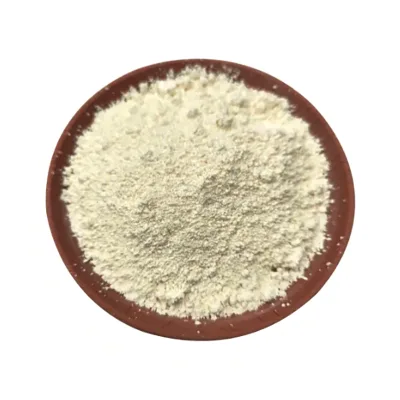


Organic Helichrysum White Flower Extract for Natural Healing and Wellness
$3.00 - $5.00
MOQ: 50 Bunches


Comprehensive Sourcing Guide
Strategic Sourcing Guide for Organic Peony Flower Extract
Navigating the global market for Organic Peony Flower Extract requires a disciplined approach that balances botanical authenticity with rigorous industrial compliance. Buyers in the health food, pharmaceutical, and cosmetic sectors must distinguish between generic herbal extracts and specific, standardized formulations. The supply chain for Paeonia lactiflora and related species is complex, involving multiple processing stages from cultivation to final packaging. This guide outlines the critical technical, regulatory, and operational factors that define a successful procurement strategy for this high-value botanical ingredient.
Technical Specifications and Botanical Standardization
The foundation of any successful sourcing contract lies in the precise definition of technical specifications. In the context of peony extracts, the botanical identity is paramount. The Latin name Paeonia lactiflora Pall. serves as the primary identifier, ensuring the raw material is derived from the correct species. However, the raw plant material alone does not constitute the final product; the extraction process and the resulting active compound concentration are the true differentiators.
Buyers must verify the extraction type, which is typically solvent extraction for high-purity isolates. The physical state of the product is equally critical. Market observations indicate that the final product often appears as a light yellow powder or a white fine powder, depending on the specific fractionation process. The mesh size, such as 80 mesh, determines the flowability and solubility of the powder, which directly impacts its usability in manufacturing processes like injection or capsule filling.
Standardization is the most vital technical parameter. While some listings reference a 10:1 concentration ratio, others specify active substance content exceeding 90% or specific model numbers like "V 50%" or "YTBIO." These variations indicate different levels of purity and potency. A 10:1 ratio implies that ten kilograms of raw material yield one kilogram of extract, a standard benchmark for many herbal products. Conversely, specifications claiming >90% active substances suggest a highly refined isolate, likely Paeoniflorin, which commands a different price point and application profile. Procurement teams must explicitly define whether they require a crude extract, a standardized extract, or a pure chemical isolate to avoid receiving a product that does not meet their formulation requirements.
Compliance Framework and Certification Verification
In the B2B procurement of botanical ingredients, compliance is not merely a formality but a prerequisite for market access. The global supply chain for peony extracts is heavily regulated, particularly in North America and Europe. Buyers must verify that suppliers hold a robust portfolio of certifications. The observed market data highlights a consistent presence of HACCP, FDA, ISO, and RoHS certifications. For suppliers targeting the European market, BRC (British Retail Consortium) certification is often a mandatory requirement.
The distinction between "Food Grade" and "Health Food Grade" is significant. While both imply safety for consumption, the "Health Food Grade" designation often suggests a higher level of scrutiny regarding purity and the absence of heavy metals or pesticide residues, aligning with stricter regulatory frameworks for dietary supplements. Furthermore, the cultivation method is a critical compliance factor. The term "wild" cultivation appears in supplier data, but for "organic" claims, buyers must demand proof of organic certification from recognized bodies, as wild-harvested does not automatically equate to certified organic.
Verification of these certifications requires more than a checklist. Buyers should request current, valid certificates and confirm their scope covers the specific manufacturing facility and the specific product line. The presence of multiple certifications (e.g., HACCP, FDA, ISO, BRC) in a single listing suggests a mature supplier capable of meeting diverse international standards. However, the absence of a specific certification should not be assumed to be a failure; rather, it necessitates a direct inquiry into the supplier's quality assurance protocols and whether they can provide third-party testing reports that satisfy the buyer's specific regulatory needs.
Cost Drivers and Pricing Structure Analysis
Understanding the cost drivers for Organic Peony Flower Extract is essential for budgeting and negotiation. The price range observed in the market spans from $0.80 to $200 per unit, a vast disparity that reflects differences in concentration, purity, and packaging. The primary driver of cost is the active substance content. Extracts with a >90% purity level or those standardized to specific high-value compounds like Paeoniflorin will sit at the upper end of this spectrum. In contrast, bulk powders with lower concentration ratios or less rigorous standardization will be priced significantly lower.
Packaging and logistics also play a substantial role in the final landed cost. The supply chain utilizes various packaging formats, including 5kg aluminum foil bags, 20kg cartons, 1kg aluminum foil bags, and 25kg drums. The choice of packaging material, such as paper or aluminum foil, affects the shelf life and protection against moisture and light. For instance, aluminum foil bags are preferred for maintaining the stability of sensitive extracts, while drums are often used for bulk industrial applications. The Minimum Order Quantity (MOQ) is another critical cost factor, ranging from 1 unit to 1000 units. High MOQs often correlate with lower unit prices, making them attractive for large-scale manufacturers, whereas low MOQs are suitable for R&D or small-batch production but come with a premium per unit.
Additionally, the origin of the product influences cost. Sourcing from specific regions like Zhejiang or Shaanxi in China, or Kunming, may involve different logistical costs depending on the buyer's location. The shelf life, typically cited as 24 months or >12 months, also impacts inventory management costs. Products with longer shelf lives offer more flexibility in storage and distribution, potentially reducing waste and associated costs.
Typical Applications and Formulation Compatibility
The versatility of peony flower extract makes it a valuable ingredient across multiple industries. The primary application sectors identified include health care products, food, and health food. The specific application form is a key determinant in the selection of the extract. For instance, the "Injection" application form suggests a high level of purity and sterility, suitable for pharmaceutical or injectable cosmetic formulations. In contrast, extracts intended for food and health food applications may have different purity requirements but must still meet strict safety standards.
The physical appearance and state of the powder are crucial for formulation compatibility. A light yellow powder or a white fine powder must be compatible with the intended vehicle, whether it is a beverage, a capsule, or a topical cream. The assay method, such as HPLC (High-Performance Liquid Chromatography), UV, or TLC (Thin Layer Chromatography), ensures that the active ingredients are accurately quantified, which is vital for maintaining consistency in the final product.
Buyers should also consider the storage requirements of the extract. The recommended storage method is typically "cool and dry," which influences the logistics chain. If the supply chain involves transit through humid or hot climates, additional protective measures may be required to maintain the integrity of the extract. The resource type, described as "natural," aligns with consumer trends favoring clean-label products, making it an attractive option for brands marketing organic or natural health solutions.
Supplier Evaluation and Quality Control Protocols
Evaluating a supplier for Organic Peony Flower Extract requires a multi-faceted approach that goes beyond price comparisons. The first step is verifying the supplier's ability to provide detailed test results. The observed assay methods include HPLC, UV, and TLC, which are standard for verifying the presence and concentration of active compounds. Buyers should request a Certificate of Analysis (CoA) for every batch, ensuring that the test results match the agreed-upon specifications.
Quality control protocols must be transparent. The "Quality: Industrial" designation suggests that the product is suitable for large-scale manufacturing, but it does not preclude the need for batch-specific testing. Suppliers should have a documented quality management system that covers the entire supply chain, from the cultivation of the raw material to the final packaging. The "Grade" of the product, whether Food Grade or Health Food Grade, should be clearly defined and supported by documentation.
Furthermore, the customization capabilities of the supplier are a significant advantage. The availability of customization allows buyers to tailor the extract to their specific needs, such as adjusting the mesh size, concentration, or packaging format. This flexibility is particularly valuable for companies developing proprietary formulations. However, customization should not compromise the integrity of the product. Buyers must ensure that any customizations are validated through rigorous testing to maintain consistency and safety.
Long-Term Procurement and Supply Chain Resilience
Securing a long-term supply of Organic Peony Flower Extract requires a strategic approach to supply chain resilience. The lead times and production capacities of suppliers can vary significantly, and buyers must account for these variables in their planning. The observed shelf life of 24 months or >12 months provides a buffer for inventory management, but it also necessitates a clear understanding of the product's stability over time.
Sustainability and ethical sourcing are becoming increasingly important in the procurement of botanical ingredients. The "wild" cultivation method mentioned in some listings raises questions about the sustainability of the supply. Buyers should inquire about the supplier's practices regarding wild harvesting, including whether they adhere to sustainable harvesting guidelines to prevent over-exploitation of natural resources. For organic claims, the supply chain must be traceable from the field to the final product, with clear documentation of the organic certification.
Finally, the relationship between the buyer and the supplier should be built on transparency and trust. Regular communication, joint quality audits, and clear contractual agreements regarding specifications, delivery terms, and dispute resolution are essential for a successful long-term partnership. By focusing on these strategic elements, buyers can mitigate risks and ensure a steady supply of high-quality Organic Peony Flower Extract for their operations.
Comparative Overview of Product Attributes
To facilitate decision-making, the following table summarizes the key attributes observed in the market for peony flower extracts. This comparison highlights the variability in specifications, certifications, and packaging that buyers must navigate.
| Attribute Category | Observed Variations | Key Verification Points |
|---|---|---|
| Product Name | Red Peony Root Extract, White Peony Root Extract, Paeoniflorin Powder | Confirm botanical species (Paeonia lactiflora) and target compound. |
| Appearance | Light yellow Powder, White Fine Powder | Match to formulation requirements (solubility, color). |
| Assay/Standard | 10:1, >90%, 99%, V 50%, 80 Mesh | Verify concentration ratio and active substance content. |
| Certifications | HACCP, FDA, ISO, RoHS, BRC | Ensure specific certifications match target market regulations. |
| Packaging | 5kg/Alu-Foil, 20kg/Carton, 25kg/Drum, 1kg/Alu-Foil | Select based on volume needs and storage conditions. |
| Origin | Zhejiang, Shaanxi, China Kunming | Assess logistics costs and regional quality reputation. |
| Grade | Food Grade, Health Food Grade, Industrial | Align with intended application (supplement vs. industrial). |
| Shelf Life | 24 Months, >12 Months | Plan inventory turnover and storage conditions. |
This structured approach ensures that buyers can make informed decisions based on verified data, minimizing the risk of procurement errors and ensuring the quality of the final products they manufacture.
FAQs
What certifications do Organic Peony Flower Extract suppliers hold?
Suppliers typically hold HACCP, FDA, ISO, RoHS, and BRC certifications. These credentials ensure compliance with international safety and quality standards for food and health products, verifying the product's suitability for global markets.
How is the active substance content standardized in the extract?
Standardization varies by product, with ratios like 10:1 or active substance content exceeding 90 percent. Buyers must specify whether they need a crude extract or a pure isolate like Paeoniflorin to match their formulation requirements.
Which physical forms are available for the peony root extract?
The product appears as a light yellow powder or a white fine powder with an 80 mesh size. This physical state ensures proper flowability and solubility for applications ranging from health food capsules to injectable formulations.
Can buyers customize the packaging and specifications of the extract?
Yes, customization is available for packaging formats like aluminum foil bags or drums. Buyers can also request specific mesh sizes and concentrations to align with their manufacturing processes and storage conditions in cool, dry environments.
What is the typical shelf life of the organic peony extract?
The shelf life is generally 24 months or exceeds 12 months depending on the specific product grade. Proper storage in cool and dry conditions is required to maintain stability and ensure the product remains effective throughout its lifespan.
Where are the organic peony flower extracts sourced from?
Products originate from regions such as Zhejiang, Shaanxi, and Kunming in China. The raw material is often wild-cultivated, and the extraction process uses solvent methods to produce high-purity herbal extracts for various industries.
What assay methods are used to verify the extract quality?
Quality is verified using HPLC, UV, and TLC test methods. These analytical techniques ensure accurate quantification of active compounds like Paeoniflorin, providing reliable data for batch consistency and regulatory compliance in health and food sectors.