Source Organic Penguin Shape Bath Bomb for Spa, Home, and Gifts
Find 30 listings for Organic Penguin Shape Bath Bomb options tailored for home relaxation, spa treatments, and gift packaging. Compare features like natural floral fragrances, moisturizing properties, and customizable shapes to identify suitable suppliers for bulk orders.
Key considerations
Products List
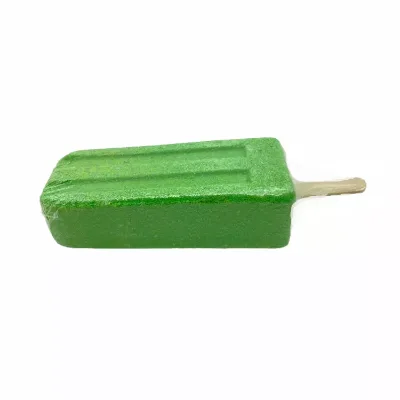


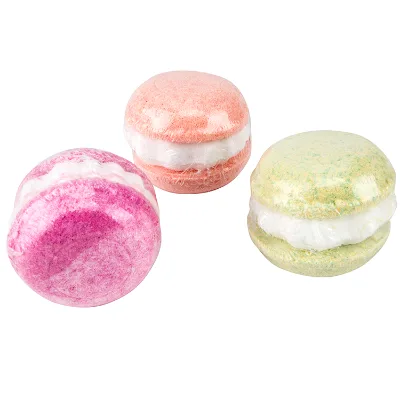


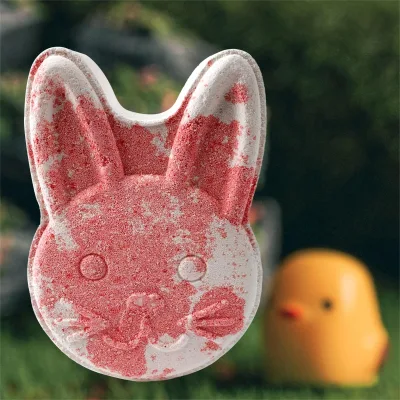
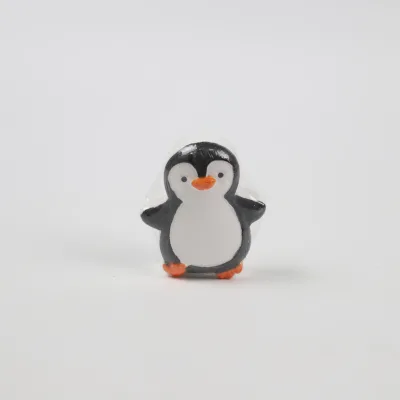
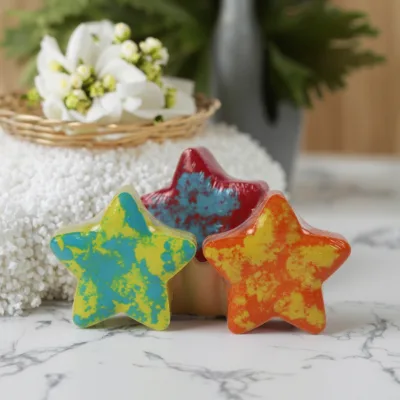
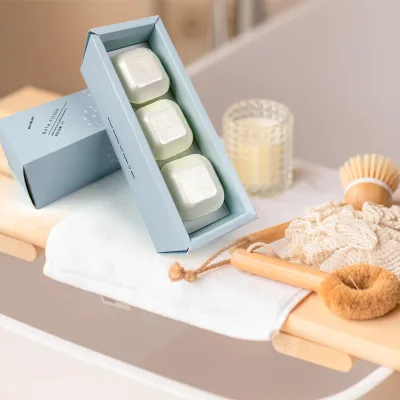
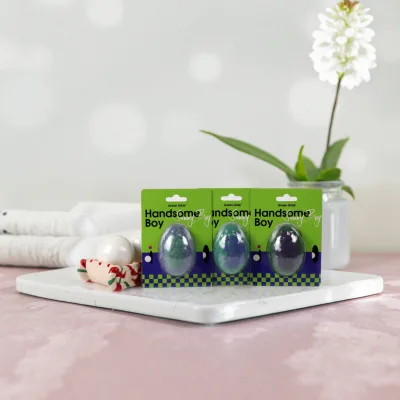
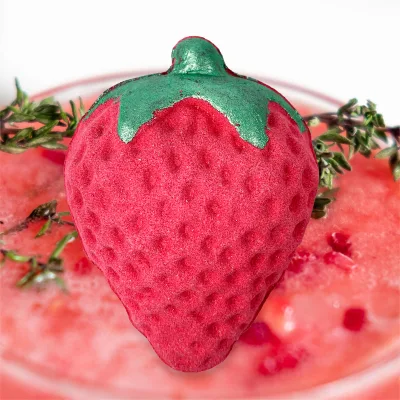
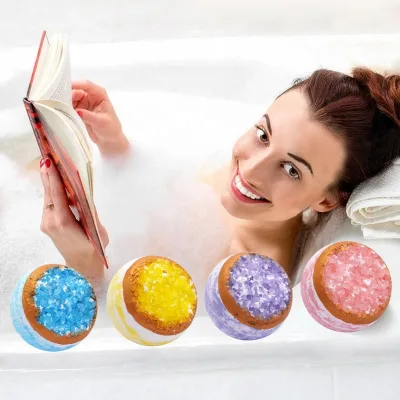
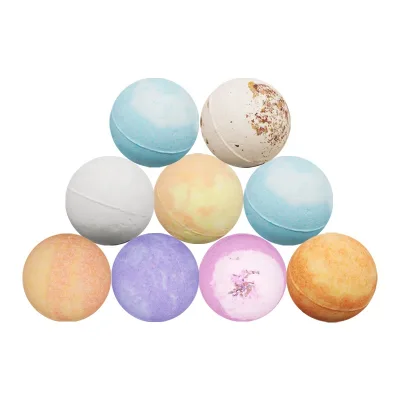
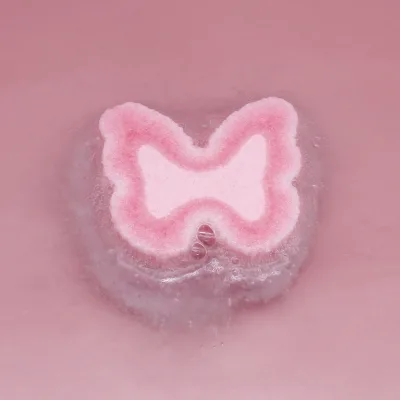


Factory Wholesale Handmade Organic Bubble Bath Bombs for Kids Gifts Set
$1.50 - $7.50
MOQ: 3000 Pieces

Hot Organic Milk Rose Essential Oils Soda Skin Organic Cleaning Bath Bomb
$1.03 - $1.15
MOQ: 870 Pieces

Wholesale 100g Dried Flower Salt Essential Oil Body Cleansing Bubble Bath Bomb
$0.28 - $0.32
MOQ: 3160 Pieces
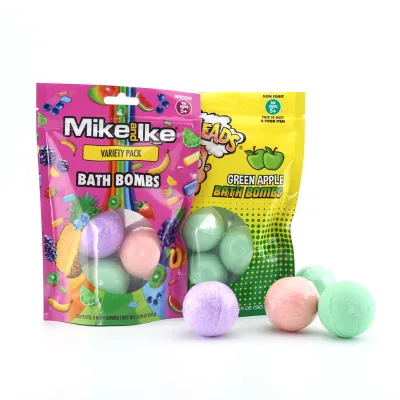


Comprehensive Sourcing Guide
Organic Penguin Shape Bath Bomb Sourcing Guide
Sourcing organic bath bombs with specific aesthetic shapes, such as penguins, requires a nuanced understanding of the intersection between cosmetic formulation, manufacturing capabilities, and regulatory compliance. While the market offers a wide variety of bath products, the specific request for an "organic" classification combined with a custom shape introduces distinct challenges regarding ingredient sourcing, mold design, and production scalability. Buyers must navigate a landscape where "organic" is often a marketing term rather than a certified standard, necessitating rigorous verification of supply chain transparency and ingredient purity. This guide provides a structured approach to evaluating suppliers, verifying technical specifications, and ensuring that the final product meets both aesthetic expectations and safety standards for the target market.
The procurement process for these items is heavily influenced by the supplier’s ability to handle customizations, including shape, scent, and packaging. Observed market data indicates a broad range of product attributes, from natural floral fragrances to customized scents, and shapes ranging from macaroons to round forms. The presence of OEM and ODM capabilities suggests that many manufacturers are equipped to produce private-label goods, but the feasibility of producing a specific shape like a penguin depends on the supplier’s mold inventory or tooling flexibility. Buyers should prioritize suppliers who demonstrate experience with custom shapes and have a clear process for managing design iterations, as this directly impacts lead times and initial costs.
Product Scope and Observed Listing Signals
The current market for bath bombs exhibits significant variability in product definitions, with listings often mixing attributes that may not align with strict organic standards. Observed product names include terms like "popsicle bath bomb," "custom shape bubble natural organic," and "lavender bath bomb," indicating a diverse range of offerings. The weight of these products typically ranges from 30g to 80g, with some specific standards noted at 40g or 60g per ball. This variation in weight affects the cost per unit and the perceived value of the product, so buyers must clearly define their target weight to ensure accurate cost comparisons. Additionally, the form factor is often described as "lotion" or "solid," which can be confusing; bath bombs are typically solid effervescent tablets that dissolve into a bath, so verifying the physical state of the product is crucial to avoid misinterpretation of the listing.
Scent and customization options are major drivers of product differentiation in this category. Listings frequently mention a wide array of scents, including rose, aloe, milk, lavender, honey, and coconut, alongside the option for customized fragrances. The "organic" claim often ties directly to the source of these ingredients, but buyers should be cautious of vague terminology. Some suppliers offer natural floral fragrances, while others provide fully customized scent profiles. The availability of customization extends to packaging, with options ranging from gift boxes to cartons, and branding through silk screen printing or private logos. Buyers should assess whether the supplier’s customization capabilities align with their brand identity, particularly if they require specific scent profiles or eco-friendly packaging materials to support their organic positioning.
Technical Specifications to Verify
Verifying the technical specifications of bath bombs is essential to ensure product quality and consistency. Key attributes to confirm include the product shape, weight, and packaging details. For a penguin-shaped bath bomb, buyers must verify the supplier’s ability to produce intricate molds and maintain consistency across production runs. The weight specification, often listed as 40g or 60g per unit, should be confirmed to ensure it meets the desired product size and cost structure. Additionally, the packaging quantity per carton, such as 48 units, is critical for logistics planning and inventory management. Buyers should request detailed product datasheets that specify these dimensions and weights to avoid discrepancies between the ordered product and the delivered goods.
The material composition and functional claims of the bath bombs also require careful verification. Listings often mention features such as "cleansing," "moisturizing," and "relaxing," which should be supported by the ingredient list. The "organic" claim, if present, must be backed by verifiable ingredient sources, as many products labeled as organic may only contain a small percentage of organic ingredients. Buyers should inquire about the specific ingredients used, such as baking soda, citric acid, and essential oils, and verify that they meet the supplier’s stated quality standards. Furthermore, the shelf life and storage conditions of the bath bombs should be confirmed, as moisture sensitivity can affect the product’s effervescence and overall quality.
Compliance and Safety Documentation
Compliance with safety and regulatory standards is paramount when sourcing bath bombs, especially those marketed as organic. Suppliers often list certifications such as GMPC, ISO22716, Sedex, BSCI, and MSDS, which indicate adherence to good manufacturing practices and safety management systems. Buyers should verify the validity and scope of these certifications, ensuring they cover the specific products being sourced. For instance, ISO22716 is a cosmetic-specific standard that ensures quality control in production, while GMPC focuses on hygiene and safety. The presence of these certifications provides a baseline level of assurance, but buyers should also request copies of the certificates to confirm their current status and relevance to the product category.
In addition to manufacturing certifications, buyers must ensure that the product complies with the regulatory requirements of the target market. This includes verifying that the ingredient list is compliant with local regulations, such as those set by the FDA in the United States or the EU Cosmetics Regulation in Europe. The MSDS (Material Safety Data Sheet) should be reviewed to identify any hazardous substances and ensure proper handling and labeling. Buyers should also inquire about any third-party testing performed on the bath bombs, such as stability testing, microbial testing, and heavy metal analysis, to further validate the product’s safety. Clear documentation of compliance is essential for avoiding customs issues and ensuring consumer trust.
Cost Drivers and Commercial Terms
The cost of organic bath bombs is influenced by several factors, including the complexity of the shape, the quality of ingredients, and the level of customization. Custom shapes, such as penguins, require specialized molds, which can increase the initial tooling costs. The use of organic ingredients, particularly essential oils and natural colorants, also tends to be more expensive than synthetic alternatives. Buyers should request detailed cost breakdowns that separate material costs, labor, and overhead to understand the true cost structure. Additionally, the MOQ (Minimum Order Quantity) can significantly impact the unit price, with lower MOQs often resulting in higher costs per unit. Observed MOQ ranges vary widely, from 1 to 5000 pieces, so buyers should negotiate terms that align with their inventory needs and budget.
Commercial terms, including lead times and payment conditions, are also critical considerations. Sample lead times are typically short, ranging from 3 to 5 days, allowing buyers to evaluate product quality before committing to a larger order. However, production lead times can be longer, depending on the order size and customization requirements. Buyers should clarify the production schedule and any potential delays due to ingredient availability or mold preparation. Payment terms, such as deposits and balance payments, should be negotiated to mitigate financial risk. It is also important to confirm the shipping terms, including Incoterms, to understand who is responsible for freight and insurance costs.
Supplier Qualification and Quality Control
Supplier qualification is a key step in ensuring a reliable supply chain for bath bombs. Buyers should conduct a thorough assessment of the supplier’s manufacturing capabilities, quality control processes, and business stability. This includes verifying the supplier’s location, such as Guangdong or Fujian in China, and assessing their production capacity and facility conditions. Suppliers with OEM and ODM experience are often better equipped to handle custom orders, but buyers should also evaluate their responsiveness and communication skills. Requesting references or case studies from other clients can provide additional insights into the supplier’s reliability and performance.
Quality control measures should be clearly defined and agreed upon before production begins. Buyers should establish clear quality standards, including visual inspections, weight checks, and functional tests for effervescence. Implementing a pre-production sample approval process is essential to ensure that the final product meets expectations. Additionally, buyers should consider conducting third-party inspections during production or before shipment to verify quality and compliance. Establishing a clear process for handling defects or non-conforming products is also important to minimize disruptions and maintain customer satisfaction. Regular communication and feedback loops with the supplier can help identify and resolve issues early in the process.
Long-Term Procurement Checks
Long-term procurement success depends on continuous monitoring and evaluation of supplier performance. Buyers should establish key performance indicators (KPIs) to track metrics such as on-time delivery, product quality, and responsiveness to issues. Regular audits and reviews of the supplier’s quality control processes can help identify areas for improvement and ensure ongoing compliance with standards. Building a strong relationship with the supplier through regular communication and collaboration can also foster trust and flexibility, which is valuable when dealing with custom products and changing market demands.
As the market for organic bath bombs evolves, buyers should stay informed about emerging trends, regulatory changes, and new ingredient technologies. This includes monitoring shifts in consumer preferences for natural and sustainable products, as well as any updates to cosmetic regulations in target markets. By maintaining a proactive approach to supplier management and market analysis, buyers can ensure that their sourcing strategy remains competitive and aligned with their brand’s values. Continuous improvement and adaptation are key to sustaining long-term success in the bath bomb industry.
FAQs
What certifications do organic bath bombs typically hold?
Organic bath bombs often hold GMPC, ISO22716, and Sedex certifications. These standards ensure safety and quality for cosmetic products. Some listings also mention BSCI and MSDS compliance for international trade requirements.
Can I customize the fragrance and shape of these bath bombs?
Yes, customization is available for both fragrance and shape. Buyers can request natural floral scents or specific designs like macaroon or round shapes. Private logos can also be added via silk screen printing.
What is the minimum order quantity for these products?
The minimum order quantity is typically 1000 pieces for bulk orders. Some suppliers may accept lower quantities for samples, but standard production runs require meeting this threshold to ensure cost efficiency.
How long does it take to receive a sample order?
Sample lead time is generally 3 to 5 days. This allows buyers to verify product quality and customization options before committing to larger production volumes. Shipping time depends on the destination.
Where are these organic bath bombs manufactured?
These products are manufactured in China, specifically in regions like Guangdong, Fujian, and Guangzhou. Factories in these areas specialize in cosmetic production and offer OEM and ODM services for global clients.
What packaging options are available for bulk orders?
Bulk orders are typically packed in cartons with 48 units per carton. Custom gift boxes are also available for retail presentation. Packaging can be tailored to meet specific branding or shipping requirements.