Source Organic Unrefined Batana Oil for Hair and Skin Care
Explore 30 listings for Organic Unrefined Batana Oil sourced from China. Compare specifications such as cold-pressed extraction, therapeutic grades, and OEM options for hair repair, skincare, and aromatherapy applications; compare the available evidence and request quotations based on your requirements.
Key considerations
Products List
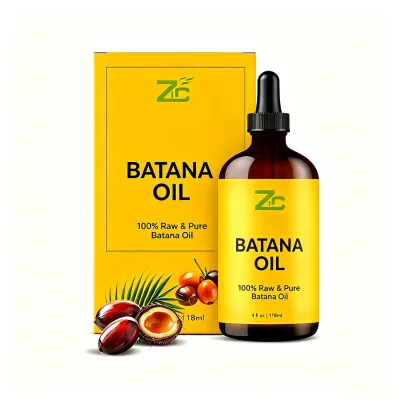
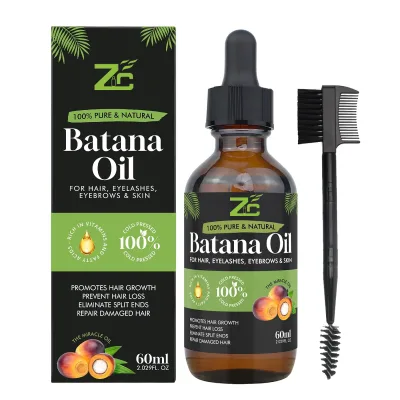
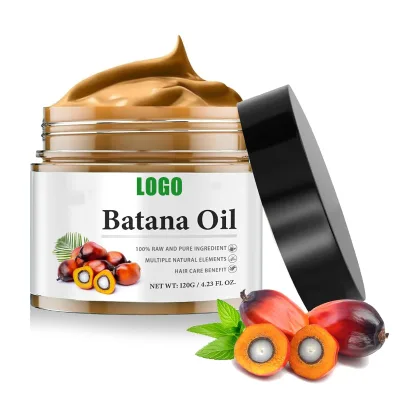
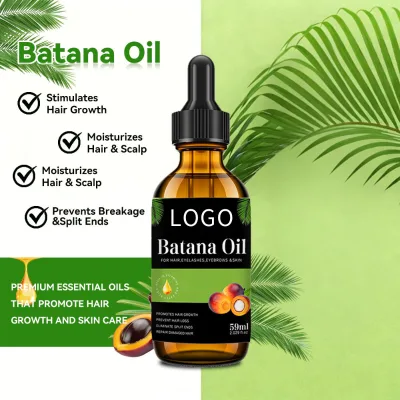
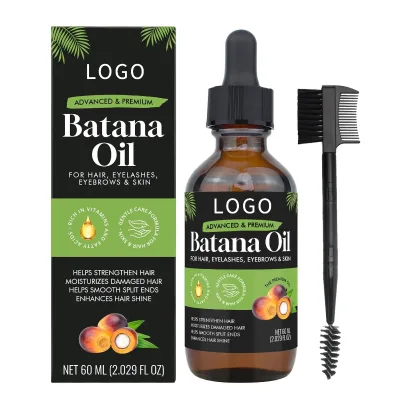
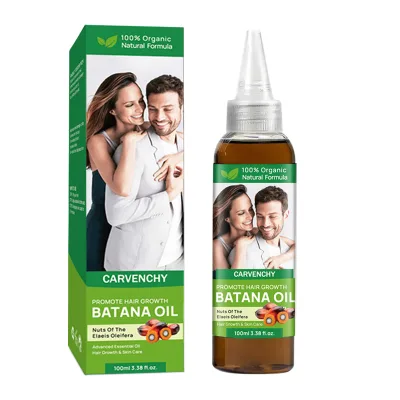
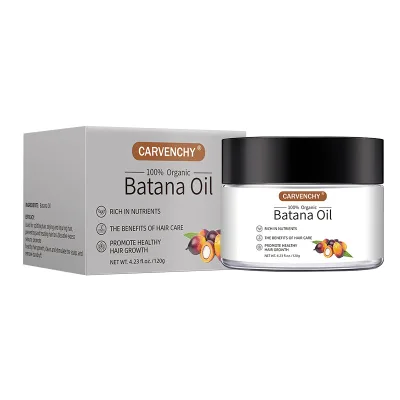
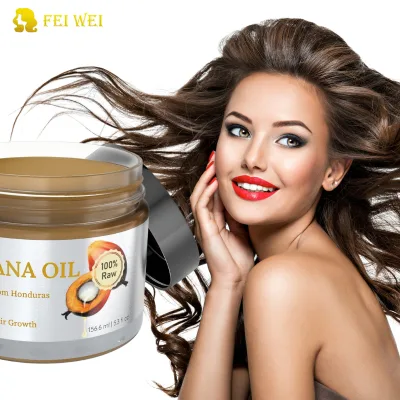
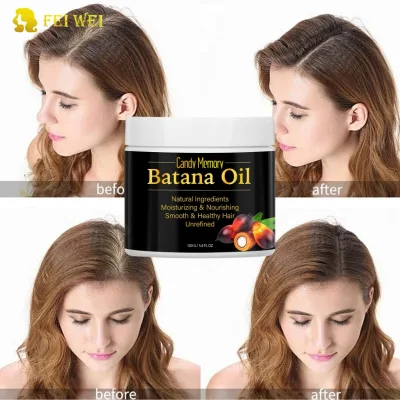
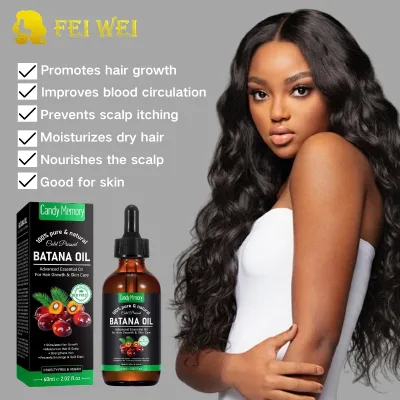




Comprehensive Sourcing Guide
Organic Unrefined Batana Oil Sourcing Guide
Sourcing Organic Unrefined Batana Oil requires a clear understanding of the product’s diverse market positioning, ranging from bulk raw materials to finished cosmetic formulations. Buyers must distinguish between suppliers offering pure, cold-pressed oil derived from batana seeds and those providing complex blends or butter-based products. The observed market signals indicate a wide variance in product types, including hair oils, essential oils, and creams, which significantly impacts procurement strategy. Understanding these distinctions is critical for aligning supplier capabilities with specific end-use requirements, whether for personal care brands, spa services, or aromatherapy applications.
Procurement teams should also evaluate the physical attributes and packaging options available to ensure compatibility with their distribution channels. Listings frequently highlight features such as refreshing properties, natural ingredients, and specific applications like hair repair, anti-dandruff treatment, and moisturizing. These functional claims must be cross-referenced with the actual product specifications, such as volume, color, and shelf life, to verify that the supplied material meets quality expectations. By focusing on these observable listing signals, buyers can filter out irrelevant offerings and identify suppliers who specialize in the specific grade and form of batana oil required for their business model.
Product Scope and Observed Listing Signals
The product scope for batana oil encompasses a variety of forms, including pure essential oils, hair oils, and cosmetic-grade butters. Observed listings reveal that products are often marketed with specific functional benefits, such as hair regrowth, thickening, volumizing, and color protection. These claims are frequently associated with ingredients like peppermint, hyaluronic acid, or herbal extracts, suggesting that many suppliers offer compounded formulations rather than single-ingredient oils. Buyers must carefully review the ingredient lists to determine if they are sourcing a pure extract or a blended product, as this distinction affects both regulatory compliance and end-user efficacy.
Packaging and physical specifications also vary widely across the market, reflecting different target segments. Some suppliers offer small-volume bottles suitable for retail or sample distribution, while others provide bulk packaging in kilograms for industrial or private-label manufacturing. The observed single package sizes and gross weights indicate that logistics planning must account for diverse shipping requirements. Additionally, the presence of OEM/ODM acceptance suggests that many manufacturers are equipped to customize formulations and branding, allowing buyers to create unique product identities. This flexibility is a key consideration for brands looking to differentiate their offerings in a competitive beauty and personal care market.
Technical Specifications to Verify
Technical verification begins with confirming the extraction method and raw material source, as these factors directly influence the oil’s quality and therapeutic properties. Buyers should verify whether the product is cold-pressed, a method that preserves natural nutrients and aligns with organic and unrefined standards. The grade of the product, whether therapeutic, cosmetic, or pharmaceutical, must be explicitly stated and matched to the intended application. For instance, cosmetic-grade oils are suitable for skin and hair care, while therapeutic-grade products may require stricter purity controls. Ensuring that the raw material is genuinely derived from batana seeds or flowers, as claimed, is essential for maintaining product integrity and meeting consumer expectations for natural ingredients.
Further technical due diligence involves assessing the product’s physical characteristics, such as color, volume, and shelf life. The observed yellow color and specific volume measurements, such as 60ml or 118ml, provide baseline indicators of consistency, but buyers should request detailed specifications for bulk orders. Shelf life information, typically listed as two years, helps in planning inventory management and minimizing waste. Additionally, verifying the presence of specific features like being silicone-free, cruelty-free, or vegan is crucial for brands targeting ethical and health-conscious consumers. These attributes must be confirmed through product data sheets or direct supplier communication to ensure they are not merely marketing claims but verified product standards.
Compliance and Safety Documentation
Compliance and safety documentation are non-negotiable elements in the procurement of Organic Unrefined Batana Oil, particularly for products intended for cosmetic or therapeutic use. Buyers must request and verify certifications such as ISO9001, GMPC, COA, and MSDS, which attest to the manufacturer’s quality management systems and the product’s safety profile. These documents provide evidence that the oil has been tested for purity, contaminants, and stability, ensuring it meets international standards for personal care products. Without proper certification, buyers risk regulatory non-compliance, product recalls, and damage to their brand reputation, making documentation verification a critical step in the supplier selection process.
In addition to certifications, buyers should ensure that the supplier provides clear ingredient disclosures and allergen information. The presence of additional ingredients, such as peppermint or hyaluronic acid, must be fully disclosed to comply with labeling regulations in target markets. For organic products, verifying organic certification status is essential, although specific organic standards were not explicitly detailed in the observed listings. Buyers should also confirm that the product is free from harmful chemicals and aligns with cruelty-free and vegan principles if these are part of their brand values. Engaging with suppliers who are transparent about their compliance practices helps mitigate legal risks and builds consumer trust in the product’s safety and ethical sourcing.
Cost Drivers and Commercial Terms
Cost drivers for Organic Unrefined Batana Oil include the purity of the extract, the complexity of the formulation, and the volume of the order. Pure, cold-pressed oils typically command higher prices due to the labor-intensive extraction process and the premium nature of the raw material. Blended products or those with added active ingredients may have different cost structures, influenced by the price of the additional components. Buyers should also consider the packaging costs, as custom bottles, labels, and bulk containers can significantly impact the final unit price. Understanding these variables allows for more accurate budgeting and negotiation, ensuring that the total cost of ownership aligns with the product’s market positioning and profit margins.
Commercial terms, including MOQ and payment conditions, vary widely among suppliers and must be carefully negotiated to fit the buyer’s operational needs. Observed MOQs range from small quantities suitable for sampling to large bulk orders, providing flexibility for businesses at different stages of growth. Buyers should assess whether the supplier offers free samples, which can be valuable for quality testing before committing to large orders. Additionally, understanding the lead times and shipping terms is crucial for inventory planning and supply chain reliability. Clear communication regarding these commercial terms helps prevent misunderstandings and ensures a smooth procurement process, from initial inquiry to final delivery.
Supplier Qualification and Quality Control
Supplier qualification involves a thorough assessment of the manufacturer’s capabilities, reputation, and quality control processes. Buyers should verify the supplier’s place of origin, as regions like Jiangxi and Guangdong in China are known for their manufacturing expertise in cosmetics and essential oils. However, geographic location alone is not a guarantee of quality, so buyers must evaluate the supplier’s production facilities, equipment, and adherence to good manufacturing practices. Requesting references or case studies from existing clients can provide insights into the supplier’s reliability and consistency. Additionally, assessing the supplier’s responsiveness and willingness to collaborate on OEM/ODM projects indicates their flexibility and commitment to customer satisfaction.
Quality control measures should be explicitly defined and agreed upon before placing orders. Buyers should request detailed quality control protocols, including testing for purity, microbial contamination, and heavy metals. Establishing clear acceptance criteria and inspection procedures helps ensure that the delivered product meets the specified standards. For ongoing orders, implementing regular audits or third-party inspections can provide additional assurance of quality consistency. Building a strong relationship with the supplier through open communication and mutual trust facilitates continuous improvement and problem resolution. By prioritizing supplier qualification and robust quality control, buyers can secure a reliable supply of high-quality Organic Unrefined Batana Oil.
Long-Term Procurement Checks
Long-term procurement checks focus on maintaining supply chain resilience and adapting to market changes. Buyers should regularly review supplier performance metrics, such as on-time delivery rates, product quality consistency, and responsiveness to issues. Establishing key performance indicators (KPIs) and conducting periodic supplier evaluations helps identify areas for improvement and ensures that the supplier continues to meet evolving business needs. Additionally, monitoring market trends and regulatory changes in the target regions allows buyers to proactively adjust their sourcing strategies. Staying informed about new certifications, ingredient restrictions, or consumer preferences ensures that the procured products remain compliant and competitive.
Diversifying the supplier base is another critical strategy for mitigating risk and ensuring continuity. Relying on a single supplier can expose the business to disruptions caused by production issues, logistical challenges, or geopolitical factors. By cultivating relationships with multiple qualified suppliers, buyers can maintain flexibility and negotiate better terms. Regularly updating the supplier database and conducting market scans for new potential partners helps identify alternative sources if needed. Furthermore, investing in continuous learning about the batana oil market, including emerging technologies and sustainable sourcing practices, enables buyers to make informed decisions and drive long-term value for their organization.
FAQs
What is the shelf life of Organic Unrefined Batana Oil?
The shelf life is two years when stored properly. This duration applies to the product regardless of whether it is packaged in bottles or bulk containers like 1kg or 25kg units for wholesale distribution.
Can I get free samples of Organic Unrefined Batana Oil?
Yes, free samples are available for 10ml quantities. This allows buyers to test the product quality before committing to larger orders, supporting the decision-making process for bulk procurement.
Which certifications does the Organic Unrefined Batana Oil have?
The product holds ISO9001, GMPC, COA, and MSDS certifications. These documents verify quality management and safety standards, ensuring the oil meets international requirements for cosmetic and therapeutic applications.
How is the Organic Unrefined Batana Oil extracted?
It is extracted using the cold pressed method. This process preserves the natural ingredients and therapeutic grade quality, ensuring the oil remains pure and effective for hair and skin care applications.
What is the minimum order quantity for this oil?
The minimum order quantity is 1 kilogram for bulk purchases. Some listings also indicate an MOQ of 1 unit for single items, offering flexibility for different buyer needs and order sizes.
Where is the Organic Unrefined Batana Oil manufactured?
The product originates from Jiangxi and Guangdong provinces in China. These locations serve as the primary places of origin for the manufacturing and packaging of the oil before global distribution.
Does the supplier accept OEM and ODM orders?
Yes, OEM and ODM services are accepted and strongly recommended. Buyers can customize branding and packaging, with options available for various bottle sizes and bulk packing configurations to suit specific market needs.